
MSR Evo Trail vs TSL Symbioz Hyperflex Elite
Why You Can Trust Us
- Side-by-side analysis based on real user feedback
- Unbiased comparisons, not influenced by partnerships
- Updated as new data becomes available
We may earn from affiliate links at no extra cost to you.
| Evo Trail | Symbioz Hyperflex Elite | |
|---|---|---|
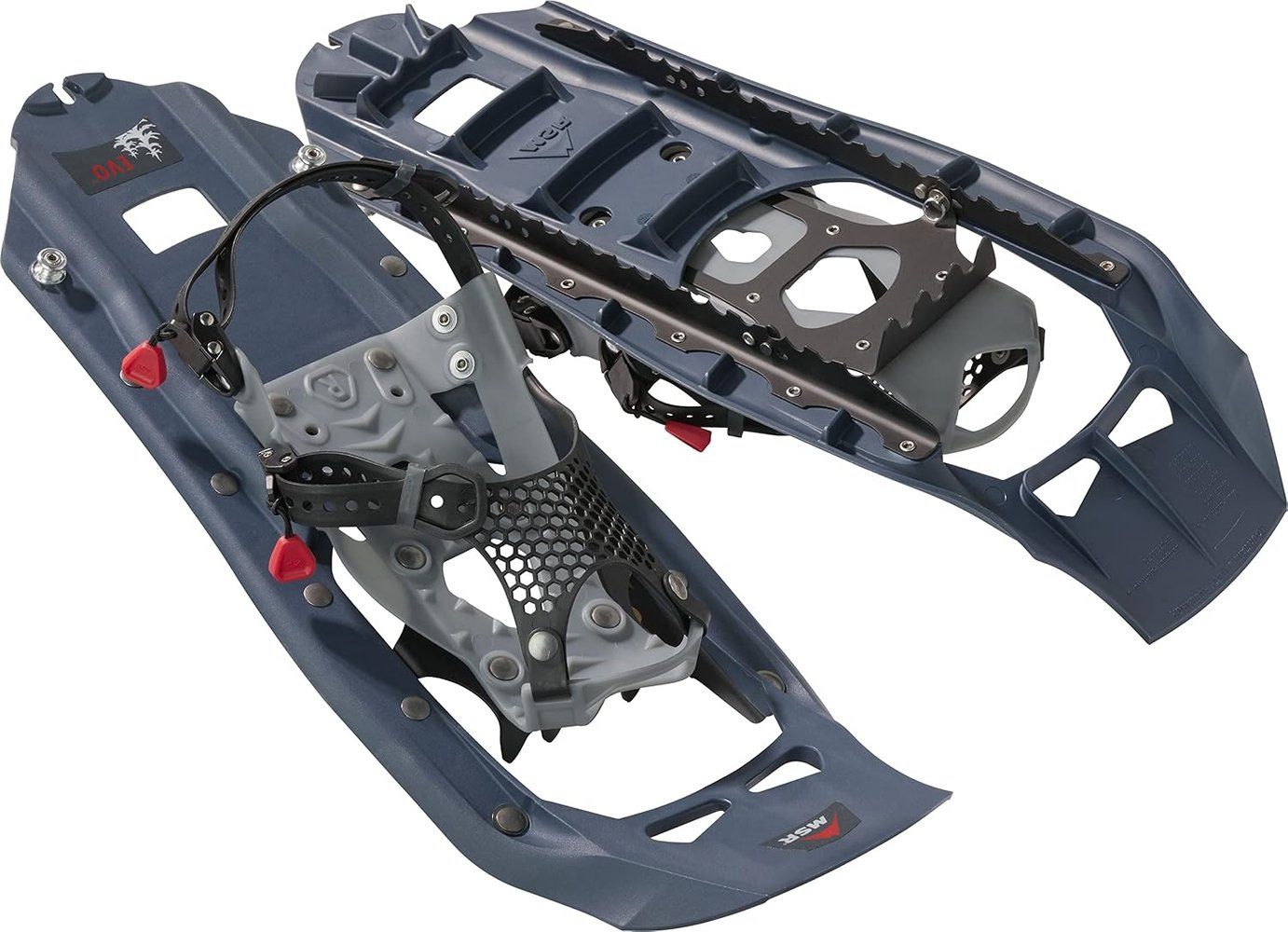 | 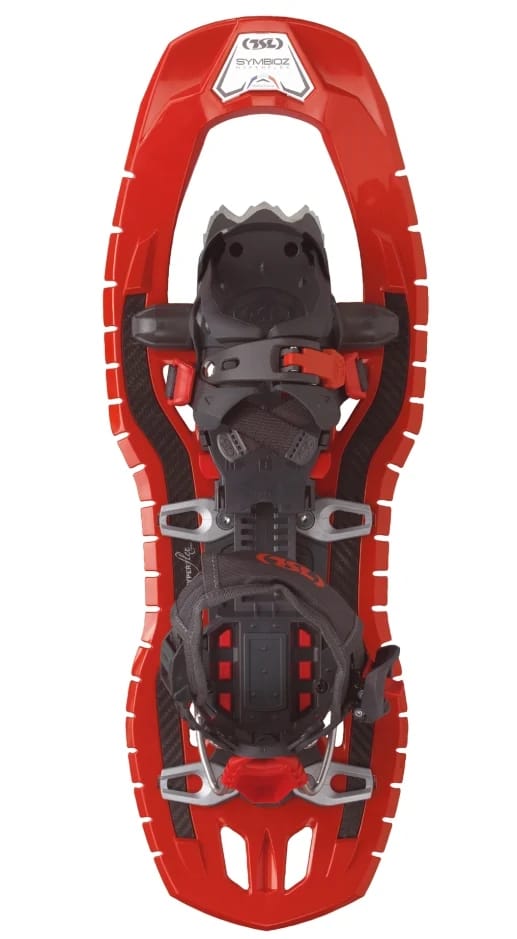 VS | |
| Max Load | Without tails: Up to 180 lb | S: 65 - 180 lb |
| Dimensions | 22 × 8 in | S: 20.5 × 7.5 in |
| Weight | 3 lb 10 oz per pair | S: 4 lb 6 oz per pair |
| Binding Type | Paraglide | Telescopic soft binding |
| Crampon Count | Not specified | 8 per snowshoe (16 per pair) |
| Heel Lift | No | Yes (Easy Ascent climbing wedge) |
| Warranty | 3 years limited | 2 years |
| Modular Tail Extension | 6 in | No |
| Frame Material | Martensitic steel frame, polypropylene deck | Hyperflex plastic deck with carbon fiber strips |
| Bag Included | Not specified | Yes |
| MSR Evo Trail | TSL Symbioz Hyperflex Elite |
|---|---|
| |
| Max Load | |
Without tails: Up to 180 lb | S: 65 - 180 lb |
| Dimensions | |
22 × 8 in | S: 20.5 × 7.5 in |
| Weight | |
3 lb 10 oz per pair | S: 4 lb 6 oz per pair |
| Binding Type | |
Paraglide | Telescopic soft binding |
| Crampon Count | |
Not specified | 8 per snowshoe (16 per pair) |
| Heel Lift | |
No | Yes (Easy Ascent climbing wedge) |
| Warranty | |
3 years limited | 2 years |
| Modular Tail Extension | |
6 in | No |
| Frame Material | |
Martensitic steel frame, polypropylene deck | Hyperflex plastic deck with carbon fiber strips |
| Bag Included | |
Not specified | Yes |
Traction
Evo Trail
Symbioz Hyperflex Elite
Traction matters most on hard-packed trails, icy traverses, and steep sidehills, where a snowshoe that slips can turn a hike into a risky scramble. The Symbioz Hyperflex Elite is stronger here, scoring 4.7 out of 5, with buyers praising its stainless steel crampons and grippy teeth on the frame and many saying they feel confident on steep icy slopes with no fear of slipping. The MSR Evo Trail still performs well at 4.3 out of 5, since its steel crampons and steel side rails bite into icy, packed, and steep snow and its metal track grips uneven ground and rock. Some owners note that the cleats can slide a little on certain surfaces, so the Evo is dependable rather than top tier. If you spend most of your time on ice, the Symbioz has the edge; for mixed trail hiking, the Evo remains a solid choice.
Comfort
Evo Trail
Symbioz Hyperflex Elite
Comfort determines whether you still feel good after several hours on the snow, and with snowshoes it depends on heel lifts, binding feel, and how natural your stride feels. The Symbioz Hyperflex Elite wins this category at 4.2 out of 5, with buyers highlighting heel lifts that ease uphill climbs, a narrow profile that supports a natural stride, and a flexible, shoe-like feel that many say they barely notice on their feet. The MSR Evo Trail scores 3.6 out of 5 and earns praise for its Paraglide stretch-mesh bindings, which hug the foot and reduce pressure points, along with a natural gait for both hiking and running. Fit is mixed on the Evo, as some buyers find it secure when cinched snug while others run into straps that loosen over time. Buyers who climb often will likely prefer the Symbioz, while those who want a forgiving binding without a heel lift may find the Evo comfortable enough.
Flotation
Evo Trail
Symbioz Hyperflex Elite
Flotation determines whether you stay on top of fresh powder or sink with every step, which matters most in deep snow and when carrying heavier loads. The MSR Evo Trail takes this category at 4.1 out of 5, thanks to modular float tails that extend the deck to 28 inches and an optional 6-inch fin for deep, fluffy powder and heavier packs. Buyers report walking through deep snow without sinking, and because the tails are an add-on, you can start lean and add flotation only when conditions call for it. The Symbioz Hyperflex Elite scores 2.8 out of 5, with buyers reporting that it sinks about 6 inches in powder and doesn't keep them on top as well as they would like, although some say powder is manageable. If you regularly travel through soft powder, the Evo is the clear choice, while the Symbioz is better suited to packed or icy terrain.
Ease Of Use
Evo Trail
Symbioz Hyperflex Elite
Ease of use covers how quickly you can get in and out of the bindings, especially when your hands are cold or gloved. This category is a tie at 3.9 out of 5 for both products, but each has a different strength. The Evo Trail's ratchet binding and horseshoe-style design clip in and release quickly, and its glove-friendly straps are easy to handle, with the back strap adjusted once and then slipping on and off. Some buyers, however, find the boot entry tight, report hooks catching on boots, and note that the missing heel lift feels clunky. The Symbioz Hyperflex Elite's snap-on, snowboard-style binding and memory lock make length changes simple, and buyers say it saves time, though the bottom adjustment point requires removing your foot and the heel lifter can take force to disengage. Choose the Evo for quick clip-in with gloves and the Symbioz for fast length adjustment and a heel lift.
Durability
Evo Trail
Symbioz Hyperflex Elite
Durability matters because snowshoes are often carried, stored, and used across rough terrain for many seasons. The MSR Evo Trail wins this category at 3.9 out of 5, with owners describing it as time-tested and ultra dependable and expecting it to last 10 to 20 years on its injection-molded deck and martensitic steel frame. A few reviewers mention wear on boots from the straps over time, so it is worth inspecting the bindings periodically. The Symbioz Hyperflex Elite scores 3.4 out of 5, with praise for its durable composite frame and deck and for repairable, replaceable parts instead of a whole shoe, though a few buyers say it is less ruggedly durable than aluminum alternatives. Buyers who want long-term rugged use should lean toward the Evo, while those who value serviceable parts may still find the Symbioz appealing.
Stability
Evo Trail
Symbioz Hyperflex Elite
Stability affects your confidence on sloped, uneven, or changing snow and whether the bindings stay secure as you walk. The Symbioz Hyperflex Elite leads here at 4.1 out of 5, with buyers saying they never felt insecure on the snowshoes. The MSR Evo Trail scores 2.8 out of 5; many buyers find it steady on flat trail footing, but it is less consistent on uneven or sloped snow, and some owners report the bindings coming unhooked during use. This gap matters most if you plan to travel steep or variable terrain, where the Symbioz offers more reassurance. The Evo is better kept to mostly flat, well-groomed routes where its footing feels solid.
Trust & Transparency
- Data-driven rankings from real user reviews
- Affiliate partnerships don't influence our methodology
We may earn commission from links.
Conclusion & Final Verdict:
Choose the MSR Evo Trail if you mainly hike packed trails or deep, fluffy powder, want a lighter pair, value a 3-year warranty, and like the option to add 6-inch tails for extra flotation. It also suits buyers who want a rugged steel build that many expect to last for years.
Choose the TSL Symbioz Hyperflex Elite if you spend time on icy or steep slopes, want the most confident stability, and value heel lifts for uphill comfort and a natural stride. It is also a good pick if you prefer a snap-on binding with easy length changes and serviceable parts.
For most mixed-use buyers, the deciding factors are the snow you plan to cover and how much you climb. Powder-heavy routes point to the Evo, while icy, steep, and uphill-focused routes favor the Symbioz.
Related Comparisons
MSR Evo TrailvsMSR Lightning Ascent
The MSR Evo Trail is the better pick for lighter trail hiking on packed and icy snow where durability and a lower-maintenance build matter most. The MSR Lightning Ascent suits buyers who want more aggressive downhill grip, a heel lift, and more comfortable bindings, despite weaker durability reports.
MSR Evo TrailvsTubbs Flex ALP
The MSR Evo Trail suits trail hikers who want secure steel-edged grip, a quick ratchet binding, and an add-on float tail for deep snow. The Tubbs Flex ALP is the better pick for steep, icy alpine terrain and easier descents, though it offers less flotation.
MSR Evo TrailvsTubbs Frontier
The MSR Evo Trail suits hikers who want steel crampons for firm trail footing, a 3-year warranty, and add-on float tails for deep snow. The Tubbs Frontier suits beginners who want easier bindings, more stable footing, and better flotation out of the box.
MSR Evo TrailvsTubbs Mountaineer
The Tubbs Mountaineer is the stronger choice for off-trail travel, with more aggressive grip, a heel lift, and easier binding entry, while the MSR Evo Trail suits trail hikers who want steel traction and add-on flotation tails at a lower price point.
MSR Lightning ExplorevsTSL Symbioz Hyperflex Elite
The MSR Lightning Explore is the better pick for comfortable all-day wear, stronger flotation in soft snow, and a longer warranty. The TSL Symbioz Hyperflex Elite suits buyers who prioritize crampon-driven grip on steep ice and want a carry bag included.
TSL Symbioz Hyperflex ElitevsTubbs Frontier
Choose the TSL Symbioz Hyperflex Elite for steep icy terrain, uphill comfort, and a 2-year warranty with a bag included. Choose the Tubbs Frontier if soft powder flotation and quick, beginner-friendly bindings matter most.