
TSL Symbioz Hyperflex Elite vs Tubbs Frontier
Why You Can Trust Us
- Side-by-side analysis based on real user feedback
- Unbiased comparisons, not influenced by partnerships
- Updated as new data becomes available
We may earn from affiliate links at no extra cost to you.
| Symbioz Hyperflex Elite | Frontier | |
|---|---|---|
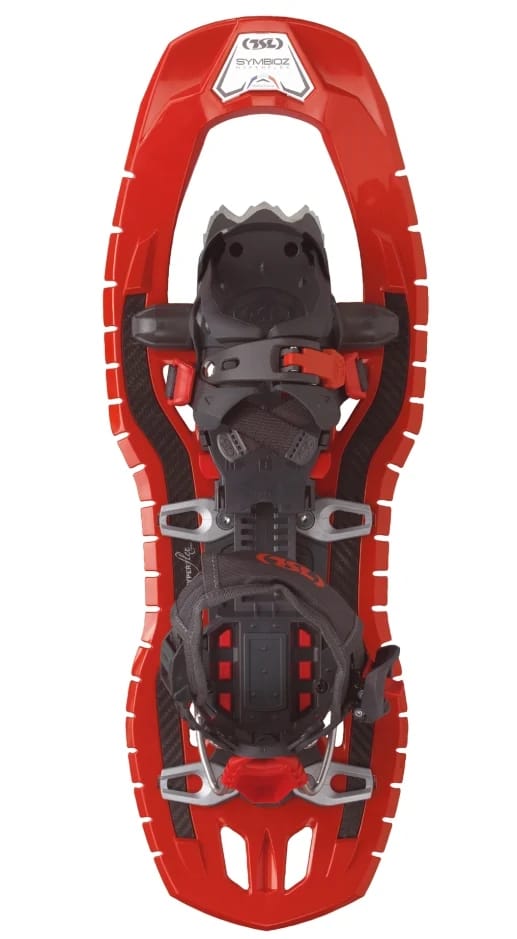 | 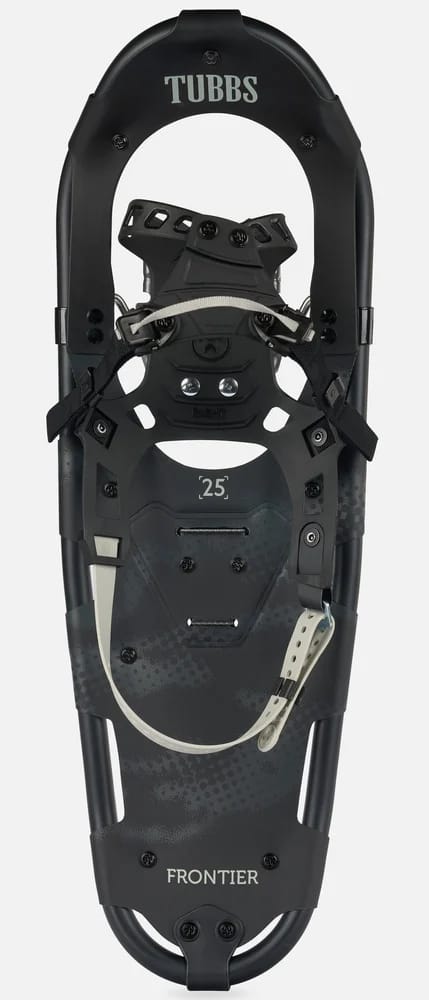 VS | |
| Max Load | S: 65 - 180 lb | 25 in: 120 - 200 lb |
| Dimensions | S: 20.5 × 7.5 in | 25 in, 30 in, 36 in lengths (width not listed) |
| Weight | S: 4 lb 6 oz per pair | 3 lb 14.4 oz per pair (25 in) |
| Binding Type | Telescopic soft binding | 180 EZ |
| Crampon Count | 8 per snowshoe (16 per pair) | 2 (recreational toe and heel) |
| Heel Lift | Yes (Easy Ascent climbing wedge) | No |
| Warranty | 2 years | 1 year limited |
| Modular Tail Extension | No | No |
| Frame Material | Hyperflex plastic deck with carbon fiber strips | Aluminum |
| Bag Included | Yes | No (optional add-on) |
| TSL Symbioz Hyperflex Elite | Tubbs Frontier |
|---|---|
| |
| Max Load | |
S: 65 - 180 lb | 25 in: 120 - 200 lb |
| Dimensions | |
S: 20.5 × 7.5 in | 25 in, 30 in, 36 in lengths (width not listed) |
| Weight | |
S: 4 lb 6 oz per pair | 3 lb 14.4 oz per pair (25 in) |
| Binding Type | |
Telescopic soft binding | 180 EZ |
| Crampon Count | |
8 per snowshoe (16 per pair) | 2 (recreational toe and heel) |
| Heel Lift | |
Yes (Easy Ascent climbing wedge) | No |
| Warranty | |
2 years | 1 year limited |
| Modular Tail Extension | |
No | No |
| Frame Material | |
Hyperflex plastic deck with carbon fiber strips | Aluminum |
| Bag Included | |
Yes | No (optional add-on) |
Traction
Symbioz Hyperflex Elite
Frontier
Traction matters on snowshoes because the same route can mean packed snow one hour and hard ice the next, and a slip on a steep slope is the most serious risk. The Symbioz Hyperflex Elite has the stronger reputation here, with buyers describing its crampons as grippy, aggressive, and reliable on icy surfaces. Reviewers say the crampons stab into ice and hold on steep icy inclines, and several say they no longer worry about slipping going up or across hard slopes. The Tubbs Frontier also performs well, with buyers praising its ice cleats, underside grip pattern, and angled cleats that dig in when moving forward and keep them from sliding backward on hills. The difference is one of degree: the Hyperflex suits serious icy terrain with eight crampons per shoe, while the Frontier provides dependable grip for mixed trails and moderate hills. The Hyperflex takes this category.
Comfort
Symbioz Hyperflex Elite
Frontier
Comfort affects how a snowshoe feels over a full day of walking, especially on long climbs and when the foot is lifted repeatedly. Buyers rate the Symbioz Hyperflex Elite well here, with heel lifts that make uphill sections easier, a narrow profile that supports a natural stride, and a flexible, shoe-like feel that many describe as pillowy. A few reviewers mention that the molded plastic can be unpleasant to grind fingers against, but that is a minor complaint compared with the positive response. The Tubbs Frontier has far less evidence, with only one buyer note saying the shoes do not feel heavy on the feet, and its comfort reputation is described as mixed. Buyers planning long trips should try the Frontier on before committing. For most buyers the Hyperflex offers the more confident comfort advantage.
Flotation
Symbioz Hyperflex Elite
Frontier
Flotation determines whether you stay on top of soft, deep snow or sink to the knees, and it is a main reason many people buy snowshoes. The Tubbs Frontier is the clear leader here, with buyers reporting that it limits sinking to about 6 to 7 inches in two feet of snow, that it did not sink into powdery snow, and that it feels like it is literally floating on top. The Symbioz Hyperflex Elite is weaker in this area: buyers say it sinks about 6 inches in powder and does not keep you on top as well as expected, and some note its float is no different from other snowshoes. Some reviewers say powder is not too bad with the Hyperflex, so it is usable in lighter snow. Buyers who regularly travel through deep powder should choose the Frontier. The Frontier takes this category.
Ease Of Use
Symbioz Hyperflex Elite
Frontier
Ease of use covers how quickly you can get in, adjust the fit, and start walking, especially when it is cold and you are wearing gloves. The Tubbs Frontier stands out with buyers praising its quick entry, control wing binding, front piece and pull cords that work without removing gloves, and quick-release straps. Reviewers also note that it has no right or left designation, which helps people who struggle with orientation, that its buttoning system keeps straps out of the way, and that the carry bag fits the snowshoes for transport. The Symbioz Hyperflex Elite is also praised for its snap-on bindings, memory lock adjustments, and quick length changes, but several buyers say the bottom adjustment point requires removing your foot and that disengaging the heel lifter takes force. The Frontier wins this category with the more consistently simple setup.
Durability
Symbioz Hyperflex Elite
Frontier
Durability matters for buyers who expect to use snowshoes on rough trails, rocks, and repeated trips over several seasons. The Symbioz Hyperflex Elite earns a somewhat more favorable view, with buyers pointing to a durable composite frame and deck and to repairable, replaceable parts that mean you do not have to replace the whole shoe if one piece fails. Some reviewers say it is less ruggedly durable than aluminum alternatives, which is a real caveat. The Tubbs Frontier has an aluminum frame with rugged synthetic material, and some buyers say it looks super rugged, but the feedback is split and the evidence is thin. Buyers who value repairability should lean toward the Hyperflex, while those who prioritize a metal frame should consider the Frontier. The Hyperflex has a modest edge here.
Stability
Symbioz Hyperflex Elite
Frontier
Stability matters when you cross side slopes, step over uneven ground, or pull a sled. Both snowshoes receive positive feedback in this area, so the difference is small. Buyers of the Symbioz Hyperflex Elite say they never felt insecure on the snowshoes, while Frontier buyers say the packed trail helps a toboggan follow without tipping or leaning. Both have equal ratings, and the choice here should be based on the terrain you plan to cover and the categories above. This category is a tie.
Trust & Transparency
- Data-driven rankings from real user reviews
- Affiliate partnerships don't influence our methodology
We may earn commission from links.
Conclusion & Final Verdict:
Choose the TSL Symbioz Hyperflex Elite if your trips involve steep, icy slopes, long uphill climbs, or a preference for a narrow, natural stride. It also has the stronger warranty, the heel lift, and a bag included.
Choose the Tubbs Frontier if you regularly cross deep or powdery snow and want the easiest in-and-out experience, including bindings that work without removing gloves. Try its fit before long trips, since comfort feedback is more limited.
Related Comparisons
Tubbs Flex ALPvsTSL Symbioz Hyperflex Elite
Choose the Tubbs Flex ALP for steep, icy alpine terrain, better powder float, and a sturdier build, or the TSL Symbioz Hyperflex Elite for a smoother uphill stride, quicker binding changes, and stronger stability. Both offer similar grip and comfort, so the choice depends mainly on flotation and downhill impact versus uphill feel.
Tubbs Flex ALPvsTubbs Frontier
Flex ALP is the better choice for steep, icy alpine terrain, with aggressive crampons and a flexing deck that eases downhill fatigue. Frontier suits beginners and deep-snow walkers who want easy bindings, better float, and a more forgiving day-to-day fit.
Tubbs MountaineervsTSL Symbioz Hyperflex Elite
The Tubbs Mountaineer is the stronger choice for deep powder, easy binding entry, and rugged build, while the TSL Symbioz Hyperflex Elite suits buyers who prioritize icy-slope grip and a more natural stride. Pick the Mountaineer for soft-snow flotation and durability, or the Symbioz if you want a bag included and strong crampon performance on hard snow.
Tubbs MountaineervsTubbs Frontier
The Tubbs Mountaineer is the better pick for steep ice, long climbs, and buyers who want heel lift and a limited lifetime warranty. The Tubbs Frontier suits beginners who mainly need easy flotation on deep snow and simple bindings on gentler terrain.
Tubbs WildernessvsTSL Symbioz Hyperflex Elite
Choose the Tubbs Wilderness if you want easier binding use, better float in soft snow, and a limited lifetime warranty. Choose the TSL Symbioz Hyperflex Elite if icy steep terrain, comfort on long climbs, and stability matter more.
Tubbs WildernessvsTubbs Frontier
The Tubbs Frontier is the better all-round pick for beginners and deep, soft snow, with stronger flotation and steadier footing on hills. The Tubbs Wilderness suits buyers who hike icy or steep terrain and want a heel lift and a lifetime warranty, but its lighter build and size-dependent float need more care.