
Tubbs Flex ALP vs TSL Symbioz Hyperflex Elite
Why You Can Trust Us
- Side-by-side analysis based on real user feedback
- Unbiased comparisons, not influenced by partnerships
- Updated as new data becomes available
We may earn from affiliate links at no extra cost to you.
| Flex ALP | Symbioz Hyperflex Elite | |
|---|---|---|
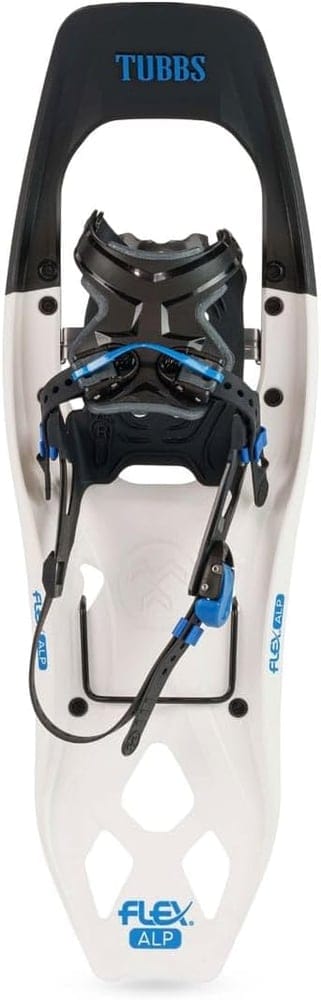 | 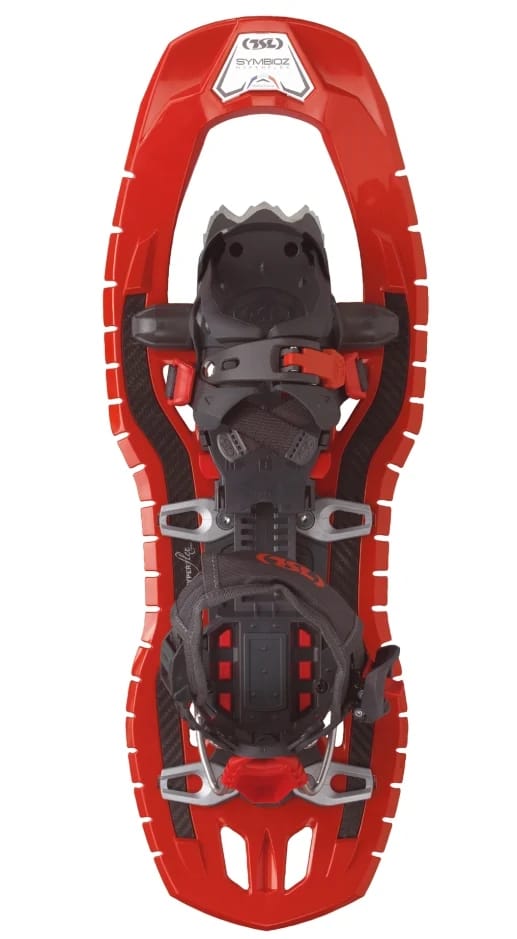 VS | |
| Max Load | 21 in: 80 - 160 lb | S: 65 - 180 lb |
| Dimensions | 25 in, 29 in lengths (width not listed) | S: 20.5 × 7.5 in |
| Weight | 4 lb 6 oz per pair (men's, claimed) | S: 4 lb 6 oz per pair |
| Binding Type | ActiveFit 2.0 | Telescopic soft binding |
| Crampon Count | 1 (Viper 2.0 toe) + traction rails and tail pins | 8 per snowshoe (16 per pair) |
| Heel Lift | Yes (ActiveLift, 19°) | Yes (Easy Ascent climbing wedge) |
| Warranty | 3 years limited | 2 years |
| Modular Tail Extension | No | No |
| Frame Material | Flex Deck molded deck with traction rails | Hyperflex plastic deck with carbon fiber strips |
| Bag Included | No (optional add-on) | Yes |
| Tubbs Flex ALP | TSL Symbioz Hyperflex Elite |
|---|---|
| |
| Max Load | |
21 in: 80 - 160 lb | S: 65 - 180 lb |
| Dimensions | |
25 in, 29 in lengths (width not listed) | S: 20.5 × 7.5 in |
| Weight | |
4 lb 6 oz per pair (men's, claimed) | S: 4 lb 6 oz per pair |
| Binding Type | |
ActiveFit 2.0 | Telescopic soft binding |
| Crampon Count | |
1 (Viper 2.0 toe) + traction rails and tail pins | 8 per snowshoe (16 per pair) |
| Heel Lift | |
Yes (ActiveLift, 19°) | Yes (Easy Ascent climbing wedge) |
| Warranty | |
3 years limited | 2 years |
| Modular Tail Extension | |
No | No |
| Frame Material | |
Flex Deck molded deck with traction rails | Hyperflex plastic deck with carbon fiber strips |
| Bag Included | |
No (optional add-on) | Yes |
Traction
Flex ALP
Symbioz Hyperflex Elite
Traction matters most on this pair because both are built for icy, steep winter ground where a slip can be dangerous. The Flex ALP earns buyer praise for aggressive toe and heel crampons, tail studs, and underfoot traction rails that keep footing secure on hard-packed snow and steep or near-vertical terrain. The Hyperflex Elite is rated just as high, with buyers describing stainless steel crampons that bite into ice, dig in on steep icy slopes, and give a no-worry feeling on icy inclines. Both products score 4.7 out of 5 and draw only positive traction feedback, so neither has a clear edge. The difference is in approach: the Flex ALP relies on a toe crampon plus rails and tail studs, while the Symbioz uses eight crampons per shoe. Buyers who mainly climb icy couloirs or steep alpine slopes can choose either with confidence, and the Flex ALP's underfoot rails may appeal to those who also cross hard-packed snow.
Comfort
Flex ALP
Symbioz Hyperflex Elite
Comfort determines whether you still want to walk after a long day, especially on descents where impact builds up in the knees and calves. The Flex ALP's flexing frame and softer heel are praised for absorbing downhill shock and easing fatigue in joints and calves, and buyers say the heel lift reduces calf strain. The Hyperflex Elite is praised for heel lifts that make uphill climbs easier, a narrow profile that supports a natural stride, and a flexible, shoe-like feel that buyers describe as pillowy and barely noticeable on the feet. Both score 4.2 out of 5, so overall comfort is even. The Flex ALP is the better fit if your main pain point is downhill impact, while the Symbioz suits those who spend more time climbing and want a natural gait. A few buyers find the Symbioz's molded plastic rough on the fingers, a minor complaint that rarely outweighs its strong comfort feedback.
Flotation
Flex ALP
Symbioz Hyperflex Elite
Flotation decides whether you stay on top of soft snow or sink with every step, and it matters most in deep powder and with heavier loads. The Flex ALP gets some praise for providing float in soft snow, though buyers say it is not much and may struggle for heavier wearers carrying a pack in deep snow. The Hyperflex Elite has a weaker record here, with buyers reporting it sinks about 6 inches in powder and does not keep them on top as well as expected. Some owners say its float is no different from MSR snowshoes and that powder is not too bad, but negative feedback outweighs praise. The Flex ALP scores 3.4 out of 5 compared with 2.8 for the Symbioz, so it is the better choice for powder. Buyers who mainly walk on flat, level terrain should note that the Flex ALP is not designed for long flat walks and may need a larger deck for that use.
Ease Of Use
Flex ALP
Symbioz Hyperflex Elite
Ease of use covers how quickly you can get in, adjust, carry, and remove the snowshoes, which matters every time you stop on the trail. The Flex ALP earns praise for quick entry, a cinch strap, a ratcheting heel strap, and an orange-tab quick release that work even with gloves on, and its straps tuck into side clips. Buyers note it weighs about four and a half pounds, feels cumbersome on the feet for some, and does not pack down flat. The Hyperflex Elite is praised for snap-on bindings, a memory lock, a snowboard-style binding, and quick length changes that take a snap and a couple of cranks. Its bottom adjustment point requires removing your foot, and disengaging the heel lifter takes some force. Both score 3.9 out of 5. The Symbioz is the stronger choice for frequent adjustments, while the Flex ALP suits those who prefer a simple, glove-friendly quick release.
Durability
Flex ALP
Symbioz Hyperflex Elite
Durability matters because snowshoes face rough terrain, repeated flexing, and hardware stress over many seasons. The Flex ALP earns solid praise, with buyers calling it bomb-proof, describing a beefier build, and reporting that one owner completed all 67 New England 4000-footers in them. Its weak points include straps with snaps that blew out within a hike or two and a rivet that let go under repeated flexing, so checking hardware regularly is wise. The Hyperflex Elite has fewer reviews, and buyers describe its durable composite frame and deck positively, along with repairable, replaceable parts instead of a whole shoe. Some find it less ruggedly durable than aluminum alternatives. The Flex ALP scores 3.9 out of 5 versus 3.4 for the Symbioz, so it has the edge for rugged, heavy use. The Symbioz's replaceable parts may still appeal to buyers who prefer repairs over replacing the whole shoe.
Stability
Flex ALP
Symbioz Hyperflex Elite
Stability is about feeling secure on side slopes, uneven ground, and when shifting your weight. The Hyperflex Elite earns 4.1 out of 5, with buyers saying they never felt insecure on the snowshoes, which is a clear positive. The Flex ALP scores 3 out of 5 because buyer feedback does not give enough detail to call its stability a standout strength or a clear weakness. That gap means the Symbioz is the more confidently recommended choice if a stable feel is a priority. Buyers who want a secure platform on traverses should favor the Symbioz, while those who value the Flex ALP's traction and flotation can still consider it, understanding that its stability is less proven.
Trust & Transparency
- Data-driven rankings from real user reviews
- Affiliate partnerships don't influence our methodology
We may earn commission from links.
Conclusion & Final Verdict:
Verdict: The Tubbs Flex ALP is the better pick for buyers who prioritize flotation, a rugged build, a longer warranty, and downhill comfort on steep alpine routes. The TSL Symbioz Hyperflex Elite is the better choice for those who want a secure, natural-feeling stride, strong uphill comfort, quick binding adjustments, and a bag included. Traction and ease of use are effectively even, so choose based on whether your trips involve deeper powder and hard descents or more climbing and frequent adjustments.
Related Comparisons
TSL Symbioz Hyperflex ElitevsTubbs Frontier
Choose the TSL Symbioz Hyperflex Elite for steep icy terrain, uphill comfort, and a 2-year warranty with a bag included. Choose the Tubbs Frontier if soft powder flotation and quick, beginner-friendly bindings matter most.
Tubbs Flex ALPvsL.L.Bean Women's Winter Walker
The Tubbs Flex ALP is the better choice for steep, icy alpine slopes where aggressive crampons and a cushioned frame matter most. The L.L.Bean Women's Winter Walker suits hikers who mostly cover deep snow and want easier adjustment and stronger float.
Tubbs Flex ALPvsTubbs Frontier
Flex ALP is the better choice for steep, icy alpine terrain, with aggressive crampons and a flexing deck that eases downhill fatigue. Frontier suits beginners and deep-snow walkers who want easy bindings, better float, and a more forgiving day-to-day fit.
Tubbs Flex ALPvsTubbs Wilderness
The Flex ALP suits alpine hikers who need the most aggressive grip on icy, steep slopes and a more cushioned ride, while the Wilderness suits buyers who put binding ease and a lighter, more forgiving float first. Both are solid Tubbs choices, so pick by terrain and how often you adjust your bindings.
Tubbs MountaineervsTSL Symbioz Hyperflex Elite
The Tubbs Mountaineer is the stronger choice for deep powder, easy binding entry, and rugged build, while the TSL Symbioz Hyperflex Elite suits buyers who prioritize icy-slope grip and a more natural stride. Pick the Mountaineer for soft-snow flotation and durability, or the Symbioz if you want a bag included and strong crampon performance on hard snow.
Tubbs MountaineervsTubbs Flex ALP
The Tubbs Mountaineer is the better choice for powder, easy entry, and all-round durability, with a longer lower frame and a wide-opening binding. The Tubbs Flex ALP suits steep alpine routes where its aggressive toe crampon and downhill impact absorption matter more than float.