
Tubbs Flex ALP vs Tubbs Wilderness
Why You Can Trust Us
- Side-by-side analysis based on real user feedback
- Unbiased comparisons, not influenced by partnerships
- Updated as new data becomes available
We may earn from affiliate links at no extra cost to you.
| Flex ALP | Wilderness | |
|---|---|---|
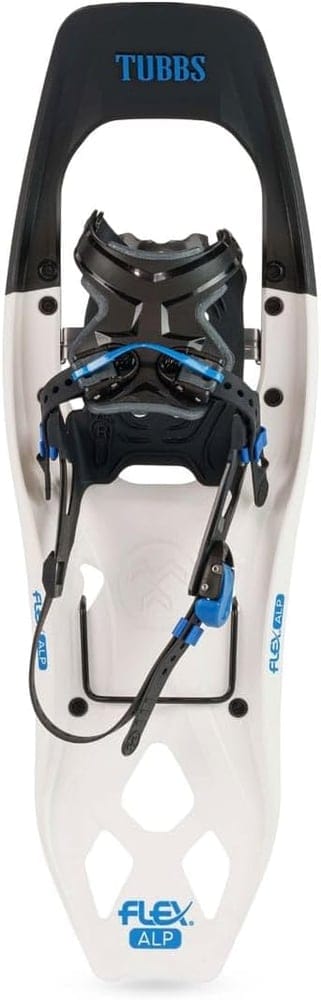 | 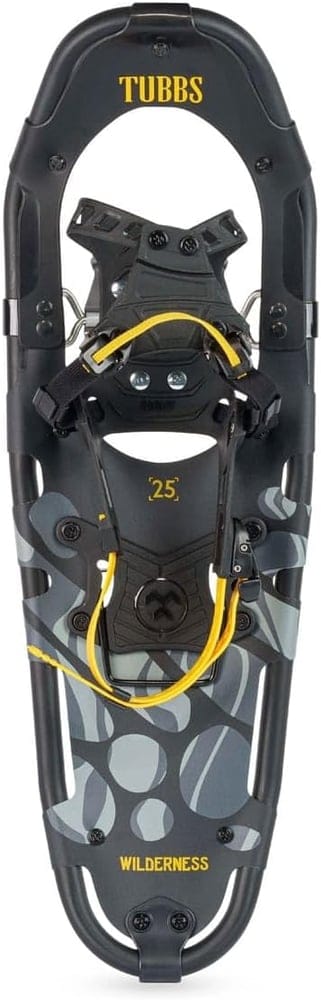 VS | |
| Max Load | 21 in: 80 - 160 lb | 25 in: 120 - 200 lb |
| Dimensions | 25 in, 29 in lengths (width not listed) | 25 in, 30 in, 36 in lengths (30 in model is 9.5 in wide at the front) |
| Weight | 4 lb 6 oz per pair (men's, claimed) | 4 lb 15.4 oz per pair (30 in) |
| Binding Type | ActiveFit 2.0 | Quick-Fit |
| Crampon Count | 1 (Viper 2.0 toe) + traction rails and tail pins | 2 (Cobra toe, Tubbs heel) |
| Heel Lift | Yes (ActiveLift, 19°) | Yes (ActiveLift, 16°) |
| Warranty | 3 years limited | Limited lifetime |
| Modular Tail Extension | No | No |
| Frame Material | Flex Deck molded deck with traction rails | Aluminum |
| Bag Included | No (optional add-on) | No (optional add-on) |
| Tubbs Flex ALP | Tubbs Wilderness |
|---|---|
| |
| Max Load | |
21 in: 80 - 160 lb | 25 in: 120 - 200 lb |
| Dimensions | |
25 in, 29 in lengths (width not listed) | 25 in, 30 in, 36 in lengths (30 in model is 9.5 in wide at the front) |
| Weight | |
4 lb 6 oz per pair (men's, claimed) | 4 lb 15.4 oz per pair (30 in) |
| Binding Type | |
ActiveFit 2.0 | Quick-Fit |
| Crampon Count | |
1 (Viper 2.0 toe) + traction rails and tail pins | 2 (Cobra toe, Tubbs heel) |
| Heel Lift | |
Yes (ActiveLift, 19°) | Yes (ActiveLift, 16°) |
| Warranty | |
3 years limited | Limited lifetime |
| Modular Tail Extension | |
No | No |
| Frame Material | |
Flex Deck molded deck with traction rails | Aluminum |
| Bag Included | |
No (optional add-on) | No (optional add-on) |
Traction
Flex ALP
Wilderness
Traction matters most on icy, firm, or steep snow, where a slip can turn a routine hike into a dangerous fall. The Flex ALP earns a 4.7 out of 5 here, with buyers repeatedly describing its aggressive toe and heel crampons as biting well enough to grip steep and near-vertical terrain without slipping. Its tail studs and underfoot traction rails also get credit for keeping footing secure on hard-packed snow, and reviewers call the grip especially strong in wintry conditions. The Wilderness scores 4.1 out of 5, with buyers praising its crampon bite into hard crust and icy hills and noting that their feet stayed put on steep sections. Some owners say it falls a bit short on off-camber slopes, where side-to-side footing becomes less secure. For buyers who regularly face icy, steep pitches, the Flex ALP is the stronger choice, while the Wilderness still performs well for most firm-snow hiking.
Comfort
Flex ALP
Wilderness
Comfort affects how your knees, calves, and joints feel after a full day of walking, especially on long descents. The Flex ALP scores 4.2 out of 5, and buyers say its flexing frame and softer heel absorb impact on the way down, reducing fatigue in the knees, joints, and calves. Reviewers also describe a soft, smooth roll into each step and say the heel lift helps ease calf strain. The Wilderness scores 3.1 out of 5, and feedback is more mixed, with some buyers calling it very comfortable while others report less satisfaction over longer walks. The limited evidence suggests that comfort on the Wilderness depends heavily on fit and personal preference. If you plan extended treks with heavy descents, the Flex ALP is the more dependable pick, while Wilderness buyers should check fit and padding before committing.
Flotation
Flex ALP
Wilderness
Flotation determines whether you stay on top of soft, deep powder or sink with every step, which is especially important for heavier hikers carrying packs. The Wilderness scores 3.6 out of 5 and buyers say it keeps most hikers from sinking in deep snow, though float depends on picking the right deck size and it performs best on level or packed snow. Reviewers recommend the 30 or 36 inch models if you expect deep, soft conditions. The Flex ALP scores 3.4 out of 5, with buyers saying it offers some float in soft snow but not much, and that it may struggle for heavier wearers carrying a pack in deep powder. Some owners also note it is not designed for long, flat walks, so it is better suited to slopes than to covering wide, level terrain. Wilderness has the edge for buyers who need more float in soft snow, though both models have real limits in heavy powder.
Ease Of Use
Flex ALP
Wilderness
Ease of use covers how quickly you can get in and out of your snowshoes, cinch them down, and adjust them, especially when wearing gloves in cold weather. The Wilderness earns 4.6 out of 5 here, with buyers consistently praising bindings that are quick to step into, easy to release, and simple to cinch even with heavy gloves. Reviewers mention the freely rotating binding, the one-time adjustment, and the release button as practical advantages for frequent on-and-off stops. The Flex ALP scores 3.9 out of 5, and buyers find its entry quick and its ratcheting heel strap and orange-tab quick release easy to adjust. However, some describe the shoe as heavier and somewhat awkward on the feet, and it does not pack down flat, which can make transport less convenient. For buyers who value fast adjustments and easy handling, the Wilderness is the clear choice.
Durability
Flex ALP
Wilderness
Durability matters because snowshoes take hard use on rocks, ice, and rough trails, and a failed strap or frame can end a trip. The Flex ALP scores 3.9 out of 5, and buyers often describe it as solid and dependable, with some saying it has completed demanding hiking seasons and remained in good shape. The beefier build earns praise, but some owners report straps with snaps blowing out after a hike or two and a rivet letting go under repeated flexing, so checking hardware regularly is wise. The Wilderness scores 3.8 out of 5, with long-term V2 owners reporting no frame or deck failures after three years and calling the shoe well made. Some caution that its very light build could risk breakage over time. Both models earn solid durability ratings with different weak points, so the two are effectively even here, and buyers should favor whichever build matches their usage.
Stability
Flex ALP
Wilderness
Stability on slopes and uneven ground affects confidence, particularly on sidehills and when shifting your weight. The Flex ALP scores 3.0 out of 5, but buyer feedback on this area is too thin to call it a standout strength or a major drawback. The Wilderness scores 3.1 out of 5, and its feedback is split: the swivel frame adjusts the shoe angle as you shift weight, which helps some hikers on slopes, while others feel less confident on uneven terrain. With scores this close and limited evidence, neither model clearly pulls ahead. Buyers who depend on sidehill stability should test either pair on terrain similar to their usual routes before buying.
Trust & Transparency
- Data-driven rankings from real user reviews
- Affiliate partnerships don't influence our methodology
We may earn commission from links.
Conclusion & Final Verdict:
Choose the Flex ALP if your winter hiking centers on icy, steep slopes and you want the most aggressive grip plus a cushioned ride for long descents. Its traction and comfort ratings lead the pair, though it offers less flotation and is heavier to handle.
Choose the Wilderness if you value quick, glove-friendly bindings, a longer warranty, and better float in soft snow. It is also a strong option for firm-crust hiking, though it is less comfortable on long walks for some buyers and may need careful size selection for deep powder.
Related Comparisons
MSR Lightning AscentvsTubbs Wilderness
The Lightning Ascent is the stronger choice for aggressive grip, comfort, and float on steep, icy, or deep-powder routes. The Wilderness is the better pick for buyers who want quick, glove-friendly bindings and a longer-lasting build for everyday use.
MSR Revo ExplorevsTubbs Wilderness
The MSR Revo Explore suits hikers who want the most aggressive steel traction, modular tails for deep snow, and a lighter build. The Tubbs Wilderness is the easier pick for quick, glove-friendly bindings and a lifetime warranty on icy or firm trails.
Tubbs Flex ALPvsL.L.Bean Women's Winter Walker
The Tubbs Flex ALP is the better choice for steep, icy alpine slopes where aggressive crampons and a cushioned frame matter most. The L.L.Bean Women's Winter Walker suits hikers who mostly cover deep snow and want easier adjustment and stronger float.
Tubbs Flex ALPvsTSL Symbioz Hyperflex Elite
Choose the Tubbs Flex ALP for steep, icy alpine terrain, better powder float, and a sturdier build, or the TSL Symbioz Hyperflex Elite for a smoother uphill stride, quicker binding changes, and stronger stability. Both offer similar grip and comfort, so the choice depends mainly on flotation and downhill impact versus uphill feel.
Tubbs Flex ALPvsTubbs Frontier
Flex ALP is the better choice for steep, icy alpine terrain, with aggressive crampons and a flexing deck that eases downhill fatigue. Frontier suits beginners and deep-snow walkers who want easy bindings, better float, and a more forgiving day-to-day fit.
Tubbs MountaineervsTubbs Flex ALP
The Tubbs Mountaineer is the better choice for powder, easy entry, and all-round durability, with a longer lower frame and a wide-opening binding. The Tubbs Flex ALP suits steep alpine routes where its aggressive toe crampon and downhill impact absorption matter more than float.