
MSR Lightning Ascent vs Tubbs Wilderness
Why You Can Trust Us
- Side-by-side analysis based on real user feedback
- Unbiased comparisons, not influenced by partnerships
- Updated as new data becomes available
We may earn from affiliate links at no extra cost to you.
| Lightning Ascent | Wilderness | |
|---|---|---|
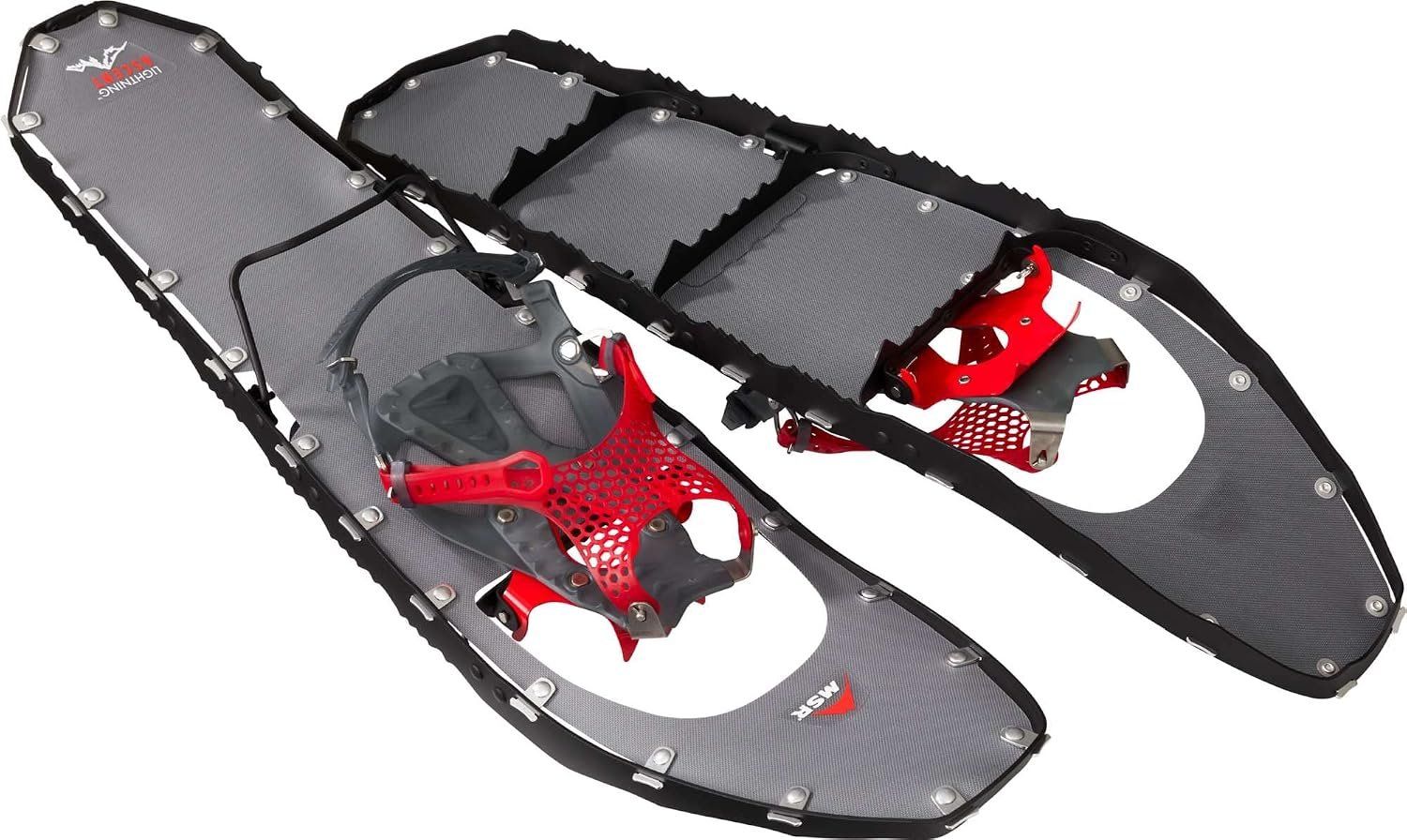 | 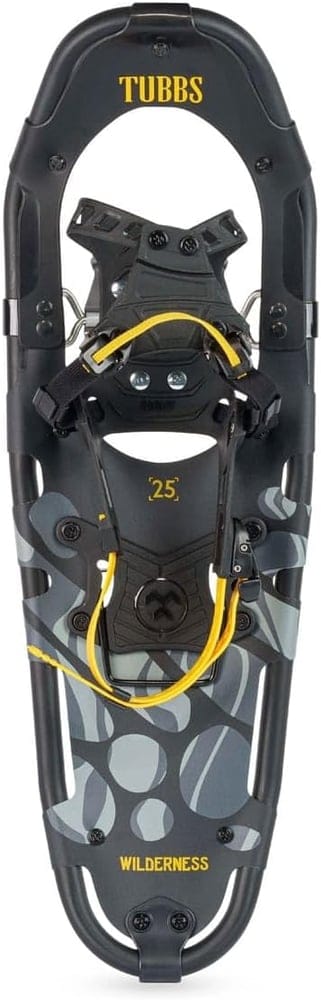 VS | |
| Max Load | 22 in: Up to 180 lb | 25 in: 120 - 200 lb |
| Dimensions | 22 in: 22 × 8 in | 25 in, 30 in, 36 in lengths (30 in model is 9.5 in wide at the front) |
| Weight | 22 in: 4 lb 2 oz per pair | 4 lb 15.4 oz per pair (30 in) |
| Binding Type | Paragon | Quick-Fit |
| Crampon Count | Not specified | 2 (Cobra toe, Tubbs heel) |
| Heel Lift | Yes (Ergo Televator) | Yes (ActiveLift, 16°) |
| Warranty | 3 years limited | Limited lifetime |
| Modular Tail Extension | 5 in | No |
| Frame Material | 7075 T6 Aluminum | Aluminum |
| Bag Included | Not specified | No (optional add-on) |
| MSR Lightning Ascent | Tubbs Wilderness |
|---|---|
| |
| Max Load | |
22 in: Up to 180 lb | 25 in: 120 - 200 lb |
| Dimensions | |
22 in: 22 × 8 in | 25 in, 30 in, 36 in lengths (30 in model is 9.5 in wide at the front) |
| Weight | |
22 in: 4 lb 2 oz per pair | 4 lb 15.4 oz per pair (30 in) |
| Binding Type | |
Paragon | Quick-Fit |
| Crampon Count | |
Not specified | 2 (Cobra toe, Tubbs heel) |
| Heel Lift | |
Yes (Ergo Televator) | Yes (ActiveLift, 16°) |
| Warranty | |
3 years limited | Limited lifetime |
| Modular Tail Extension | |
5 in | No |
| Frame Material | |
7075 T6 Aluminum | Aluminum |
| Bag Included | |
Not specified | No (optional add-on) |
Traction
Lightning Ascent
Wilderness
Traction matters most in snowshoes because icy, steep, and crusty snow is where a shoe either holds you or sends you sliding. The Lightning Ascent's 360-degree cramp-on frame and steel teeth bite into ice and steep downhill slopes, and buyers say its heel and toe spikes stop both forward and backward slipping. Its side grip is weaker on steep traverses and icy snow, so buyers who cross slopes often should test that condition. The Wilderness also grips well, with stainless crampons and cleats that buyers say perform strongly on hard crust and pure ice and keep feet from slipping on icy hills. Its rear heel lifts help on steep sections, though it trails the Lightning Ascent on off-camber slopes. The Lightning Ascent is the stronger choice for steep, mixed icy terrain, while the Wilderness remains very capable for firm slopes and ice.
Comfort
Lightning Ascent
Wilderness
Comfort matters because snowshoes are worn for hours, and pressure points or calf fatigue can turn a good day into a sore one. The Lightning Ascent's Paragon bindings are repeatedly described as comfortable with no obvious pressure points, and many wearers say they barely notice the shoes on their feet. Its Ergo Televator heel lift is also praised for reducing strain on calves and Achilles tendons on long treks. The Wilderness has been called very comfortable by some buyers, but feedback is more mixed and others were less satisfied over long walks. Because the evidence for the Wilderness is thinner and less consistent, the Lightning Ascent is the safer choice for extended treks where comfort is the priority. Trying either pair on with your own boots before buying is still a good idea.
Flotation
Lightning Ascent
Wilderness
Flotation determines whether you ride on top of powder or sink with every step, and it depends heavily on snow type, body weight, and shoe size. The Lightning Ascent's deck keeps wearers near the snow surface in powder, and its optional 5-inch modular tails add extra float when snow gets soft. Buyers say deep powder floats well, and the modular tails give you a way to adjust flotation to conditions. The Wilderness keeps most hikers from sinking in deep snow, but buyers say float depends on choosing the right size, and it works best on level or packed snow. Its performance in very deep, soft snow is less tested, so buyers expecting that should consider the 30 or 36 inch sizes. The Lightning Ascent is the better pick for variable or deep powder.
Ease Of Use
Lightning Ascent
Wilderness
Ease of use matters because you put snowshoes on and take them off repeatedly, often with gloves and sometimes with a pack on. The Wilderness stands out with bindings that buyers describe as quick to step into, easy to release, and simple to cinch even in heavy gloves, with a release button and simple entry that make frequent adjustments quick. The Lightning Ascent also earns positive feedback, with many buyers finding its strap system easy to hook up and its Paragon binding user-friendly to put on and take off. Its Televator heel lift and foot rail are also useful on climbs. However, several buyers found the attachment less convenient than rival systems, and some preferred the simpler binding on the Wilderness. For buyers who adjust their snowshoes often, the Wilderness is the more convenient choice.
Durability
Lightning Ascent
Wilderness
Durability matters because snowshoes take hits from rocks, sticks, and rough trails, and a frame or deck failure can end a trip quickly. The Wilderness earns strong long-term feedback, with the V2 holding up well after three years, no reported frame or deck failures, and many buyers describing it as well made. Some buyers caution that its very light build could risk breakage over time. The Lightning Ascent has a tough decking and a solid build according to some reviewers, but others report that sharp sticks can puncture the deck and that frame damage occurred under heavy use. Some buyers also question how its materials will perform in cold temperatures. For rough use and long-term reliability, the Wilderness is the more dependable option.
Stability
Lightning Ascent
Wilderness
Stability matters on slopes, traverses, and uneven snow, where a shoe that shifts or sits at the wrong angle can cause fatigue or slips. The Wilderness's swivel frame adjusts the shoe angle as you shift your weight, which helps some hikers on slopes. Other buyers remain less confident on uneven terrain, so testing it on your usual slopes is worthwhile. The Lightning Ascent has more mixed stability feedback, with some users reporting that its heels do not stay in place and need re-hooking, and that the flexible bottom can prevent the correct angle on traverses. Since those issues appear more often for the Lightning Ascent, the Wilderness is the stronger choice for stability, though neither model is flawless on uneven ground.
Trust & Transparency
- Data-driven rankings from real user reviews
- Affiliate partnerships don't influence our methodology
We may earn commission from links.
Conclusion & Final Verdict:
Choose the Lightning Ascent if your routes involve steep, icy slopes, varied or deep powder, or long treks where comfort and heel relief matter most. Its aggressive grip, comfortable bindings, and modular tails make it the more versatile performer for demanding winter terrain.
Choose the Wilderness if you want easy, glove-friendly bindings, a well-regarded long-term build, and a limited lifetime warranty. It handles icy hills and firm crust well and is a practical choice for frequent on-and-off adjustments, especially on packed or level snow.
Related Comparisons
L.L.Bean Women's Winter WalkervsTubbs Wilderness
The L.L.Bean Women's Winter Walker is the better pick for comfort, flotation and easy ratchet straps, while the Tubbs Wilderness grips icy and steep slopes better and has quick-cinch bindings. Choose the Winter Walker for mixed trail and deep snow, or the Wilderness for firm, icy terrain.
MSR Evo AscentvsTubbs Wilderness
The MSR Evo Ascent is the stronger choice for steep ice, off-trail climbs, and deep soft snow, thanks to steel traction bars and modular tails. The Tubbs Wilderness suits buyers who want the quickest, glove-friendly bindings and a lifetime warranty, and who mostly hike packed or firm snow.
MSR Evo TrailvsTubbs Wilderness
The MSR Evo Trail suits trail hikers who want steel bite on icy and steep snow and the option to add flotation tails for deep powder. The Tubbs Wilderness suits buyers who put a higher priority on quick, glove-friendly bindings, a heel lift, and a lifetime warranty.
MSR Lightning AscentvsTSL Symbioz Hyperflex Elite
The MSR Lightning Ascent is the better pick for buyers who want comfortable bindings, strong flotation in powder, and a lighter, easier-to-use setup for mixed trekking. The TSL Symbioz Hyperflex Elite suits buyers focused on icy, steep slopes and a secure feel underfoot, and it is weaker in soft snow.
MSR Lightning AscentvsTubbs Flex ALP
The MSR Lightning Ascent suits buyers who want comfortable bindings, easy entry, and float for soft snow, while the Tubbs Flex ALP fits hikers who prioritize aggressive toe-crampon grip on steep, icy terrain and a more durable build.
MSR Lightning AscentvsTubbs Frontier
The MSR Lightning Ascent is the better pick for buyers who need aggressive grip on icy, steep ground, plus a heel lift and optional extra float. The Tubbs Frontier suits beginners who want quick, glove-friendly bindings and steadier footing on packed trails.