
MSR Lightning Ascent vs Tubbs Frontier
Why You Can Trust Us
- Side-by-side analysis based on real user feedback
- Unbiased comparisons, not influenced by partnerships
- Updated as new data becomes available
We may earn from affiliate links at no extra cost to you.
| Lightning Ascent | Frontier | |
|---|---|---|
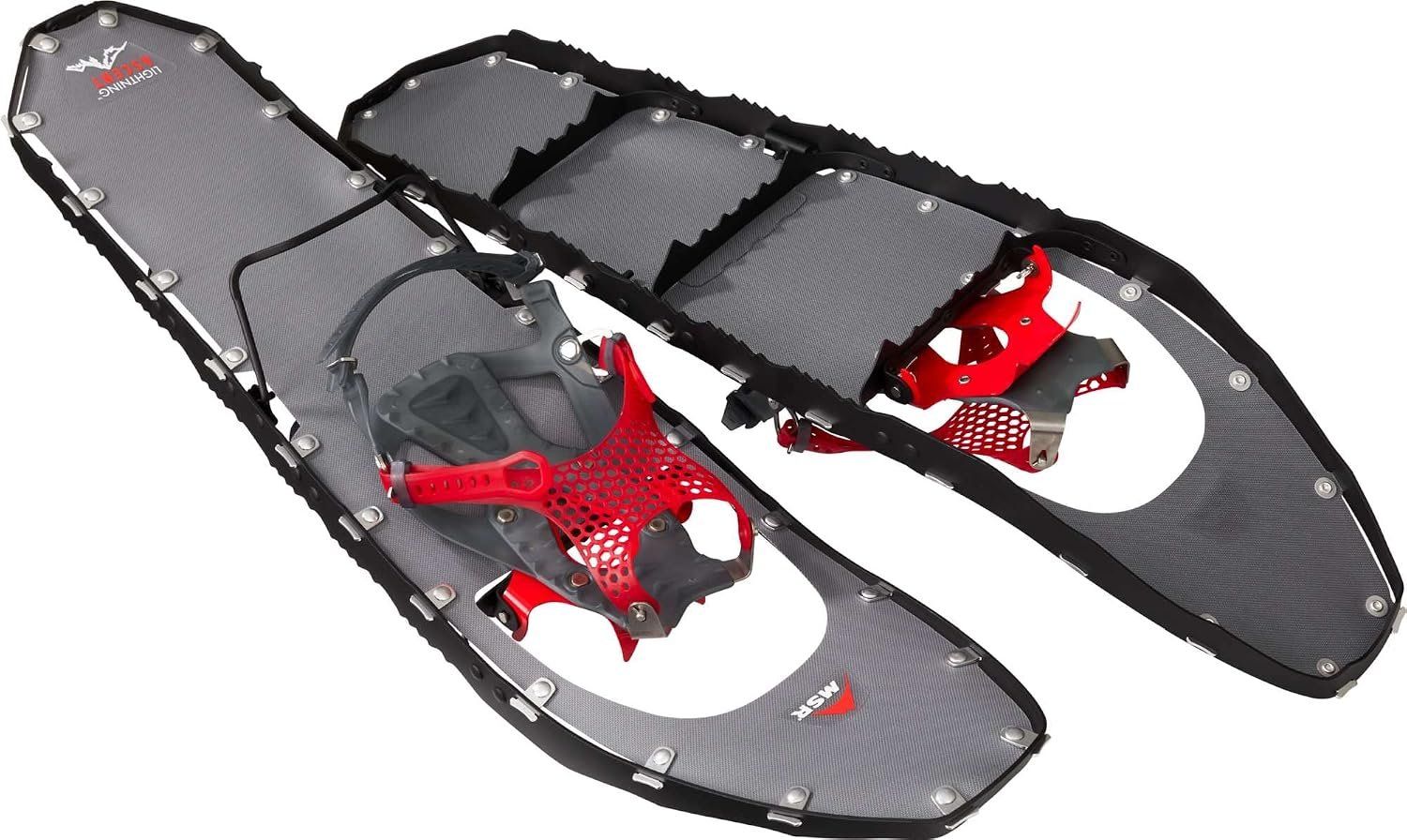 | 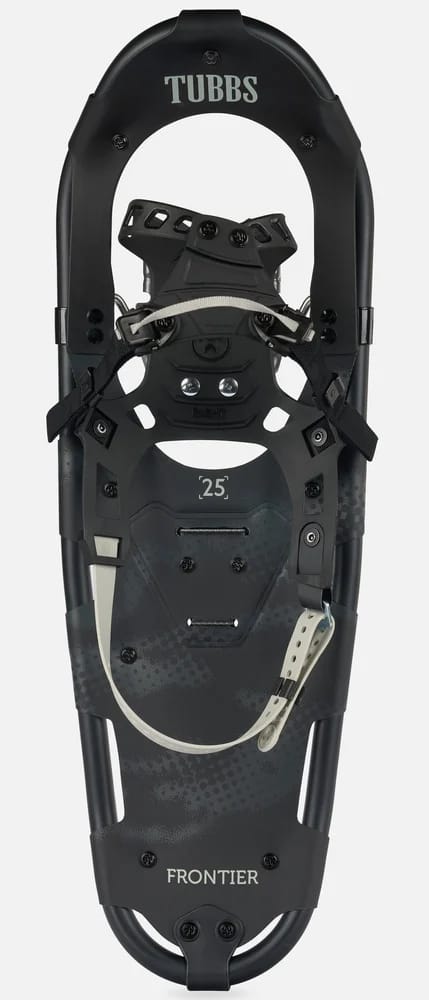 VS | |
| Max Load | 22 in: Up to 180 lb | 25 in: 120 - 200 lb |
| Dimensions | 22 in: 22 × 8 in | 25 in, 30 in, 36 in lengths (width not listed) |
| Weight | 22 in: 4 lb 2 oz per pair | 3 lb 14.4 oz per pair (25 in) |
| Binding Type | Paragon | 180 EZ |
| Crampon Count | Not specified | 2 (recreational toe and heel) |
| Heel Lift | Yes (Ergo Televator) | No |
| Warranty | 3 years limited | 1 year limited |
| Modular Tail Extension | 5 in | No |
| Frame Material | 7075 T6 Aluminum | Aluminum |
| Bag Included | Not specified | No (optional add-on) |
| MSR Lightning Ascent | Tubbs Frontier |
|---|---|
| |
| Max Load | |
22 in: Up to 180 lb | 25 in: 120 - 200 lb |
| Dimensions | |
22 in: 22 × 8 in | 25 in, 30 in, 36 in lengths (width not listed) |
| Weight | |
22 in: 4 lb 2 oz per pair | 3 lb 14.4 oz per pair (25 in) |
| Binding Type | |
Paragon | 180 EZ |
| Crampon Count | |
Not specified | 2 (recreational toe and heel) |
| Heel Lift | |
Yes (Ergo Televator) | No |
| Warranty | |
3 years limited | 1 year limited |
| Modular Tail Extension | |
5 in | No |
| Frame Material | |
7075 T6 Aluminum | Aluminum |
| Bag Included | |
Not specified | No (optional add-on) |
Traction
Lightning Ascent
Frontier
Traction matters most on icy, sloped, or packed snow, where a slip can turn a simple walk into a hazard. The Lightning Ascent's 360-degree cramp-on frame and steel teeth bite into icy, steep snow and help prevent sliding on downhill slopes, and buyers describe its grip as aggressive and dependable. Its weak point is side grip, which some owners say weakens on steep traverses and icy snow. The Frontier relies on ice cleats and an angled underside grip pattern that dig in when moving forward and keep you from sliding backward on hills, and buyers say the cleats give plenty of grip. Its feedback is more limited, so it is harder to judge how it handles steep side-hill ground. For steep, icy slopes and traverses, the Lightning Ascent has the edge, while the Frontier provides confident grip for everyday hill walking.
Comfort
Lightning Ascent
Frontier
Comfort affects how you feel after hours on the trail, especially on long treks where small pressure points add up. The Lightning Ascent's bindings are widely described as comfortable, with no obvious pressure points, and its Televator heel lift reduces strain on the calves and Achilles. Buyers say they barely notice the snowshoes on their feet. The Frontier also earns positive remarks, with users saying the shoes do not feel heavy, but its feedback is thin and it is not a clear standout for comfort. Testing fit before a long trip is a sensible step with either model, though the Lightning Ascent has the stronger comfort case. If long-distance comfort is a priority, the Lightning Ascent is the safer bet.
Flotation
Lightning Ascent
Frontier
Flotation determines how far you sink into powder, which affects energy use and how tiring a day in deep snow feels. The Lightning Ascent's deck keeps you riding on top of powder, and its optional 5-inch modular tails add extra float when snow gets softer, so you can tune the setup to your weight and conditions. The Frontier is praised for keeping sinking to roughly 6 to 7 inches in two feet of snow, where boots would sink past the knee, and buyers say it floats well in powdery snow. Both perform strongly, and the Lightning Ascent offers more flexibility through its tail options. If you want a simple setup that floats reliably in deep snow, either works well, while the Lightning Ascent is the better choice if you want to adjust float for different snow.
Ease Of Use
Lightning Ascent
Frontier
Ease of use shapes how often you will actually bother to put on and adjust your snowshoes, especially when your hands are cold. The Frontier stands out here, with buyers praising its quick entry through a front piece and pull cords that work without removing gloves, quick-release straps, and a control wing binding that makes boot entry simple. Its design avoids left and right confusion, and the straps work like a backpack for carrying. The Lightning Ascent's Paragon binding is also described as user-friendly and easy to get on and off, and its Televator heel lift pops up and down easily. However, some buyers found its prong-style attachment annoying and less convenient than rival systems. For quick, low-hassle setup, the Frontier is the clear choice.
Durability
Lightning Ascent
Frontier
Durability matters if you hunt, bushwhack, or travel through rough timber where sticks and rocks can damage the decking and frame. Buyers describe the Lightning Ascent's decking as tough and its build as solid, but some reviewers worry about sharp sticks puncturing the deck and about how its material performs in cold temperatures. Reports of frame damage under heavy hunting use have also appeared, which makes its toughness a mixed point. The Frontier looks rugged, with an aluminum frame and synthetic decking, but its durability feedback is split and based on limited reports. Neither product has a clear advantage here, so the choice depends on how hard you plan to push your gear. Treat durability as a factor to weigh against your terrain rather than a deciding point.
Stability
Lightning Ascent
Frontier
Stability affects how confidently you can cross slopes, follow a trail, and avoid tipping or leaning as you walk. The Frontier's packed trail helps keep you tracking straight without tipping or leaning, and buyers describe it as steady for everyday walking. The Lightning Ascent has a weaker record here, with some users reporting that the heels do not stay in place and must be re-hooked, and that its flexible bottom can prevent the snowshoe from sitting at the correct angle on traverses. If you often walk slopes or uneven snow, these issues matter. The Frontier is the more stable choice for most users, while the Lightning Ascent asks for more attention on traverses.
Trust & Transparency
- Data-driven rankings from real user reviews
- Affiliate partnerships don't influence our methodology
We may earn commission from links.
Conclusion & Final Verdict:
Choose the MSR Lightning Ascent if you travel steep, icy terrain, want a heel lift for long climbs, and value a longer warranty and adjustable float. Be prepared to re-hook heels and to watch side grip on traverses.
Choose the Tubbs Frontier if you are a beginner or want the quickest, glove-friendly setup, a steadier feel on packed trails, and a lighter pair for everyday trips. Test its comfort before a long outing, since its feedback is more limited.
Related Comparisons
MSR Lightning ExplorevsTubbs Frontier
The MSR Lightning Explore suits buyers who want the most comfortable binding, stronger climbing grip, and a longer warranty. The Tubbs Frontier is the easier pick for beginners who want quick bindings and better flotation in deep snow.
MSR Revo ExplorevsTubbs Frontier
The MSR Revo Explore suits winter hikers who need aggressive steel traction and heel risers on icy, steep trail, while the Tubbs Frontier is the easier pick for beginners who want simple bindings and better float in soft snow. Choose the Revo for grip and the Frontier for straightforward setup.
Tubbs MountaineervsTubbs Frontier
The Tubbs Mountaineer is the better pick for steep ice, long climbs, and buyers who want heel lift and a limited lifetime warranty. The Tubbs Frontier suits beginners who mainly need easy flotation on deep snow and simple bindings on gentler terrain.
MSR Lightning ExplorevsTubbs Flex ALP
The MSR Lightning Explore is the better all-round choice for comfort, powder flotation, and quick binding use, while the Tubbs Flex ALP suits steep icy climbs and anyone who wants a cushioned descent.
MSR Revo ExplorevsTubbs Mountaineer
The MSR Revo Explore suits buyers who want aggressive steel traction, fast quick-release bindings, and modular tails for deep snow. The Tubbs Mountaineer is the stronger pick for comfort, stability, and off-trail use, backed by a lifetime warranty.
Tubbs Flex ALPvsTSL Symbioz Hyperflex Elite
Choose the Tubbs Flex ALP for steep, icy alpine terrain, better powder float, and a sturdier build, or the TSL Symbioz Hyperflex Elite for a smoother uphill stride, quicker binding changes, and stronger stability. Both offer similar grip and comfort, so the choice depends mainly on flotation and downhill impact versus uphill feel.