
MSR Revo Explore vs Tubbs Mountaineer
Why You Can Trust Us
- Side-by-side analysis based on real user feedback
- Unbiased comparisons, not influenced by partnerships
- Updated as new data becomes available
We may earn from affiliate links at no extra cost to you.
| Revo Explore | Mountaineer | |
|---|---|---|
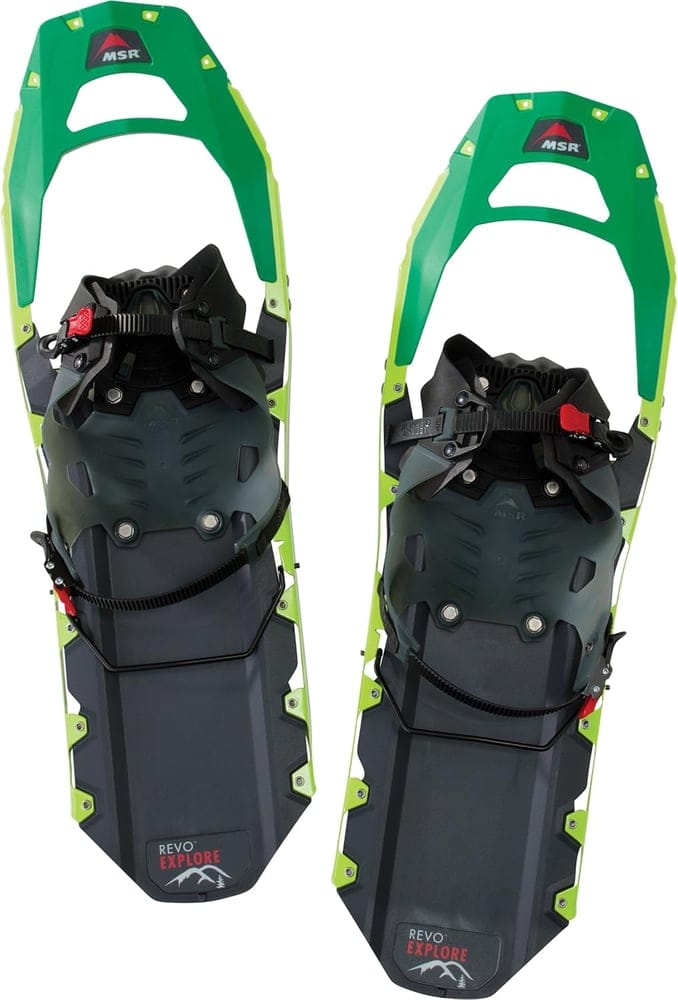 | 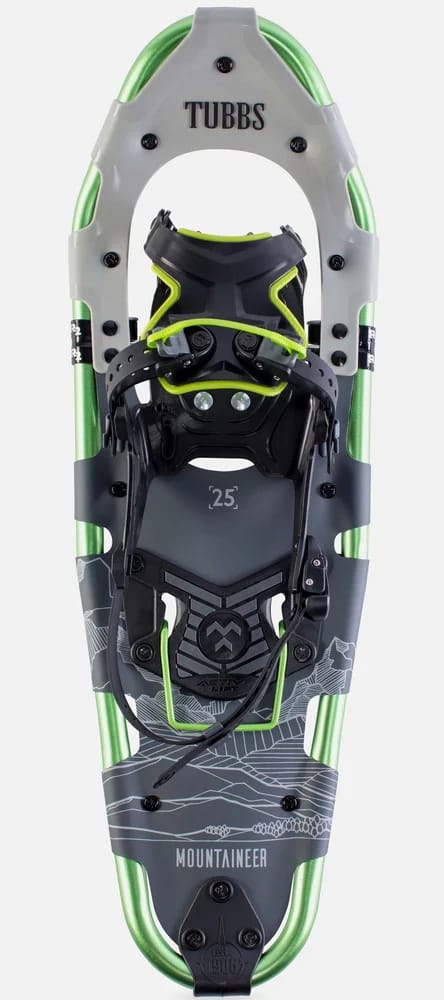 VS | |
| Max Load | 22 in: Up to 180 lb (up to 250 lb with tails) | 25 in: 120 - 200 lb | 30 in: 170 - 250 lb | 36 in: 220 - 300 lb |
| Dimensions | 22 in: 22 × 8 in | 25 in, 30 in, 36 in lengths (width not listed) |
| Weight | 22 in: 3 lb 13 oz per pair | 4 lb 14 oz per pair (25 in) |
| Binding Type | Paradigm | ActiveFit 2.0 |
| Crampon Count | Not specified | 2 (Anaconda toe, Python heel) |
| Heel Lift | Yes (Ergo Televator) | Yes (ActiveLift, 19°) |
| Warranty | 3 years limited | Limited lifetime |
| Modular Tail Extension | 5 in | No |
| Frame Material | Martensitic Steel | Aluminum Pro-Step frame, Soft-Tec decking |
| Bag Included | Not specified | No (optional add-on) |
| MSR Revo Explore | Tubbs Mountaineer |
|---|---|
| |
| Max Load | |
22 in: Up to 180 lb (up to 250 lb with tails) | 25 in: 120 - 200 lb | 30 in: 170 - 250 lb | 36 in: 220 - 300 lb |
| Dimensions | |
22 in: 22 × 8 in | 25 in, 30 in, 36 in lengths (width not listed) |
| Weight | |
22 in: 3 lb 13 oz per pair | 4 lb 14 oz per pair (25 in) |
| Binding Type | |
Paradigm | ActiveFit 2.0 |
| Crampon Count | |
Not specified | 2 (Anaconda toe, Python heel) |
| Heel Lift | |
Yes (Ergo Televator) | Yes (ActiveLift, 19°) |
| Warranty | |
3 years limited | Limited lifetime |
| Modular Tail Extension | |
5 in | No |
| Frame Material | |
Martensitic Steel | Aluminum Pro-Step frame, Soft-Tec decking |
| Bag Included | |
Not specified | No (optional add-on) |
Traction
Revo Explore
Mountaineer
Traction matters most on snowshoes because icy slopes, hardpacked trail, and steep descents are where a pair either holds or lets you slide. The MSR Revo Explore earns its rating through steel traction frames, toe crampons, and metal teeth that buyers say dig into ice and hardpacked trail. Reviewers also praise the Ergo Televators and heel risers for secure footing on steep climbs, and some note the teeth grip rocks, trees, and downhill sections well. The Tubbs Mountaineer draws similar praise for its Anaconda toe crampon and heel crampon, with buyers describing confident bite on steep hills, frozen lakes, and rivers, and noting that the heel crampon grabs on descents. Both pairs score the same overall, so this category is a tie. If your routes are mostly icy and steep, either pair will serve you well, and the choice can come down to which crampon setup feels more secure to you.
Comfort
Revo Explore
Mountaineer
Comfort affects how long you can keep walking, especially on long uphill climbs and traverses where strain builds in the calves and Achilles. The Revo Explore's stretch mesh bindings cradle the foot without pressure points, and its narrow, near-natural stride paired with heel risers makes uphill treks easier on the legs. Buyers also mention that the frame flexes comfortably over logs and rocks, though some say it takes a short break-in period to feel natural. The Mountaineer earns a higher comfort score thanks to its ActiveFit 2.0 binding and 19-degree active heel lift, which reviewers say reduce calf fatigue and Achilles strain and take pressure off the shins. Several buyers describe the whole experience as very comfortable and avoid the awkward feeling some snowshoes produce. A few reviewers noted minor complaints, so fit still depends on your boot and body. For most hikers who spend long hours on uphill terrain, the Mountaineer has the edge, while the Revo Explore is still a comfortable option once it is broken in.
Flotation
Revo Explore
Mountaineer
Flotation determines whether you ride on top of snow or sink into it, which matters most in powder and when carrying a heavier pack. The Revo Explore offers modular flotation: the 22-inch size is rated for loads up to 180 lb, the 25-inch size for 120 to 220 lb, and detachable tails add float for deep powder or heavier loads. Some buyers using the longer size in very deep snow say they need to add tails for more float. The Mountaineer's longer, lower Pro-Step frame and Soft-Tec decking keep the wearer riding on top of soft powder, and reviewers describe the feeling as floating across the snow. Both pairs earn the same flotation score, so this category is a tie. If you plan to hike heavy loads through the deepest snow, the Revo Explore's add-on tails give you a clear way to adjust, while the Mountaineer suits powder-focused trekking without any extra parts.
Ease Of Use
Revo Explore
Mountaineer
Ease of use matters every time you stop to adjust, put on, or remove snowshoes, particularly when your hands are cold and wearing gloves. The Revo Explore's quick-release red tabs, finger-friendly cinch pulls, and heel-strap micro adjustments are praised as easy to operate with gloves on, and buyers say the modular tails simply attach to the back of the shoe. The main drawbacks are that the ratchet bindings take some getting used to and some buyers feel they could be a little quicker to fasten. The Mountaineer scores higher, with reviewers consistently describing its wide-opening binding, automatic ratcheting strap, and quick-release strap holders as simple to step into and remove. Several reviewers say it couldn't be simpler to get in and out, and the single-handed EZ heel buckle makes trail adjustments straightforward. Only a single negative comment was recorded. For quick, frustration-free changes on the trail, the Mountaineer is the easier choice, although the Revo Explore's bindings are still quick once you learn them.
Durability
Revo Explore
Mountaineer
Durability matters because snowshoes take hits from rock, ice, and overlapping frames, and frames need to survive several seasons. The Revo Explore's injection-molded plastic decks and steel frames are described as highly durable, and buyers note that rivets can be replaced with a repair kit to extend its service life. Reviewers reported zero issues after about 200 kilometers, though some expect scraping on overlapping frames and paint wearing off the bottom after contact with rock. The Mountaineer's tubular steel frame and stainless steel claw are described as rugged and long-lasting, with some buyers reporting solid performance after a year and a half of rough use. A small number of reviewers raised durability concerns, so checking long-term reviews is worthwhile if you hike in harsh conditions. Both pairs earn similar durability scores, so this category is a tie. Either one should handle normal winter use well, and the Revo Explore's repairable rivets are a practical plus for owners who want to keep their snowshoes going longer.
Stability
Revo Explore
Mountaineer
Stability describes how well your foot stays put on uneven or sloped snow, which affects balance and how often you need to readjust. The Revo Explore's mid upper foot stabilization piece is credited with keeping the foot steady on uneven or sloped terrain, and early feedback is encouraging. However, the evidence base for stability is still limited, so shoppers who prioritize ankle support should read more buyer reviews. The Mountaineer's Wing technology and binding design hold the heel firmly in place, and users report less need to readjust during a hike. Its feedback is mostly positive, though the rating reflects that rather than universal praise. For buyers who value a heel that stays put and minimal readjustment on the trail, the Mountaineer is the stronger choice. The Revo Explore is still a reasonable option, but it has less supporting feedback behind its stability score.
Trust & Transparency
- Data-driven rankings from real user reviews
- Affiliate partnerships don't influence our methodology
We may earn commission from links.
Conclusion & Final Verdict:
Choose the MSR Revo Explore if you want a lighter pair, modular tails for deep snow or heavy loads, and repairable rivets for long-term use. It suits winter hikers who handle icy, varied terrain and don't mind a short break-in period with the ratchet bindings.
Choose the Tubbs Mountaineer if comfort on long climbs, easy in-and-out binding, heel stability, and a lifetime warranty matter most. It is the better all-round pick for off-trail and powder-focused trekking, though it is heavier and has no tail option.
Both pairs grip well and earn strong overall ratings, so your terrain, load, and how you value comfort versus add-on flexibility should guide the final decision.
Related Comparisons
MSR Evo TrailvsTubbs Mountaineer
The Tubbs Mountaineer is the stronger choice for off-trail travel, with more aggressive grip, a heel lift, and easier binding entry, while the MSR Evo Trail suits trail hikers who want steel traction and add-on flotation tails at a lower price point.
MSR Lightning AscentvsTubbs Mountaineer
The MSR Lightning Ascent suits buyers who want optional 5-inch float tails and comfortable bindings for mixed snow. The Tubbs Mountaineer is the stronger all-round choice for steep ground, ice, stability and durability, and it is the better pick for most backcountry hikers.
MSR Revo ExplorevsTubbs Flex ALP
The MSR Revo Explore is the better fit for buyers who want deep-snow float, easy glove-friendly bindings, and steel-frame grip on mixed trail and ice. The Tubbs Flex ALP suits steep-slope hikers who value aggressive crampons and a shock-absorbing frame on descents.
MSR Revo ExplorevsTubbs Frontier
The MSR Revo Explore suits winter hikers who need aggressive steel traction and heel risers on icy, steep trail, while the Tubbs Frontier is the easier pick for beginners who want simple bindings and better float in soft snow. Choose the Revo for grip and the Frontier for straightforward setup.
MSR Revo ExplorevsTubbs Wilderness
The MSR Revo Explore suits hikers who want the most aggressive steel traction, modular tails for deep snow, and a lighter build. The Tubbs Wilderness is the easier pick for quick, glove-friendly bindings and a lifetime warranty on icy or firm trails.
Tubbs MountaineervsL.L.Bean Women's Winter Walker
The Tubbs Mountaineer is the better choice for steep hills, ice, and frozen lakes thanks to aggressive crampons and a quick-entry binding. The L.L.Bean Women's Winter Walker suits buyers who want a natural-feeling fit and solid flotation for trekking at a lower overall rating.