
Tubbs Mountaineer vs L.L.Bean Women's Winter Walker
Why You Can Trust Us
- Side-by-side analysis based on real user feedback
- Unbiased comparisons, not influenced by partnerships
- Updated as new data becomes available
We may earn from affiliate links at no extra cost to you.
| Mountaineer | Women's Winter Walker | |
|---|---|---|
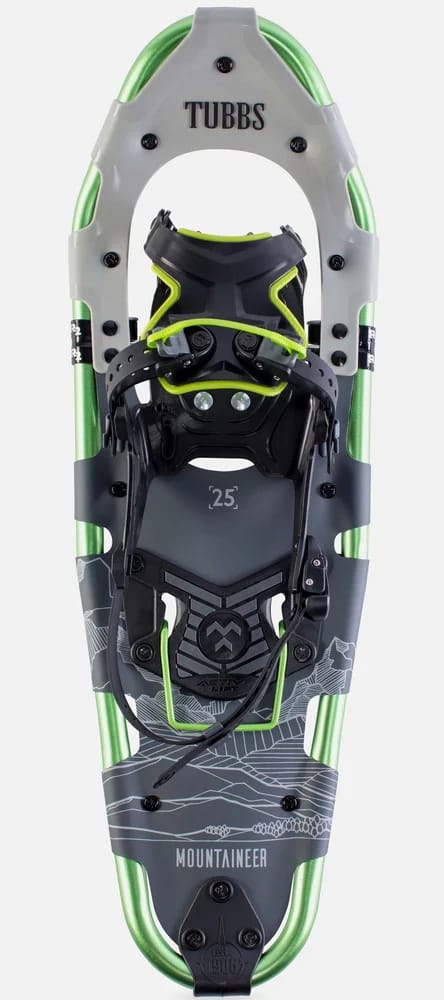 | 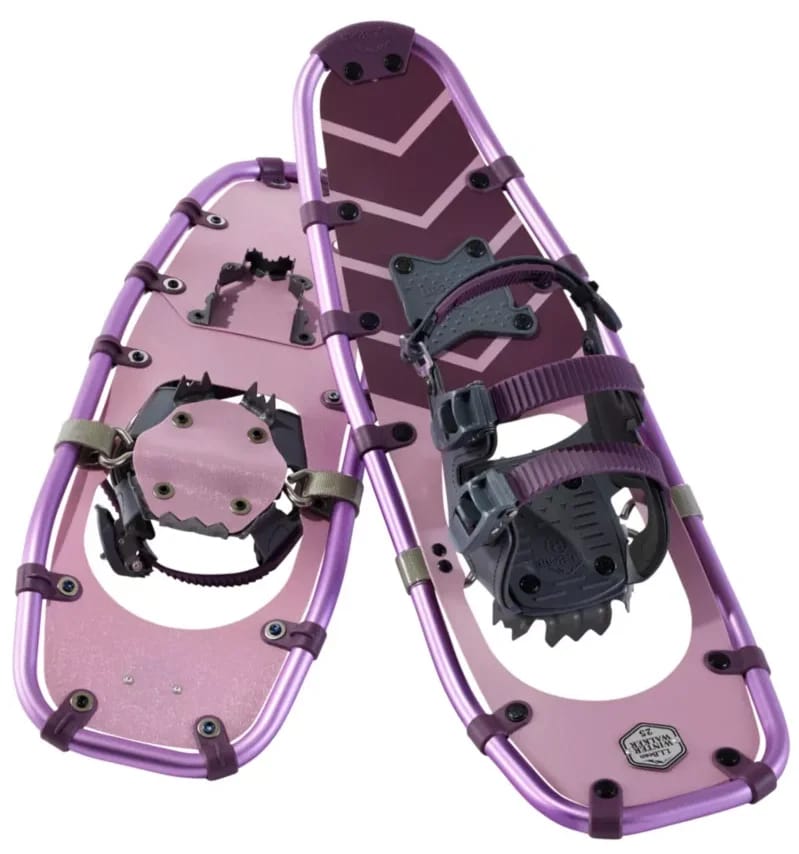 VS | |
| Max Load | 25 in: 120 - 200 lb | 30 in: 170 - 250 lb | 36 in: 220 - 300 lb | 21 in: 80 - 150 lb |
| Dimensions | 25 in, 30 in, 36 in lengths (width not listed) | 25 in: 25 × 8 in |
| Weight | 4 lb 14 oz per pair (25 in) | Not specified |
| Binding Type | ActiveFit 2.0 | Ratcheting |
| Crampon Count | 2 (Anaconda toe, Python heel) | Not specified |
| Heel Lift | Yes (ActiveLift, 19°) | Yes (25 in model) |
| Warranty | Limited lifetime | Not specified |
| Modular Tail Extension | No | No |
| Frame Material | Aluminum Pro-Step frame, Soft-Tec decking | 6000 grade anodized aluminum |
| Bag Included | No (optional add-on) | Not specified |
| Tubbs Mountaineer | L.L.Bean Women's Winter Walker |
|---|---|
| |
| Max Load | |
25 in: 120 - 200 lb | 30 in: 170 - 250 lb | 36 in: 220 - 300 lb | 21 in: 80 - 150 lb |
| Dimensions | |
25 in, 30 in, 36 in lengths (width not listed) | 25 in: 25 × 8 in |
| Weight | |
4 lb 14 oz per pair (25 in) | Not specified |
| Binding Type | |
ActiveFit 2.0 | Ratcheting |
| Crampon Count | |
2 (Anaconda toe, Python heel) | Not specified |
| Heel Lift | |
Yes (ActiveLift, 19°) | Yes (25 in model) |
| Warranty | |
Limited lifetime | Not specified |
| Modular Tail Extension | |
No | No |
| Frame Material | |
Aluminum Pro-Step frame, Soft-Tec decking | 6000 grade anodized aluminum |
| Bag Included | |
No (optional add-on) | Not specified |
Traction
Mountaineer
Women's Winter Walker
Traction matters most on this type of snowshoe because the crampons and grippers decide whether you stay upright on slopes, icy patches, and frozen lakes. The Tubbs Mountaineer earns a 4.6/5 for traction, with buyers repeatedly praising its toe and heel crampons for digging in on both climbs and descents. Reviewers mention the rotating toe cord that exposes the claw for steep inclines, the angled cleat teeth that stop you from sliding back downhill, and the adjustable iron that helps on steep ascents. Several buyers say the grip holds up on spikes over ice, frozen lakes, and rivers, and the televator-style lift helps improve the angle when climbing. The L.L.Bean Women's Winter Walker scores 3.9/5, with reviewers finding its bottom grippers bite better than many cheaper shoes and resist sliding on ice. Its back grippers add some security, and one buyer was impressed with its grip while pulling a loaded sled through two-plus feet of snow. For buyers who regularly tackle steep or icy terrain, the Mountaineer is the clear pick, while the Winter Walker is adequate for moderate trails and packed snow.
Comfort
Mountaineer
Women's Winter Walker
Comfort is important because you may wear these snowshoes for hours on long traverses and uphill climbs, where strain on the calves and Achilles can add up. The Tubbs Mountaineer rates 4.3/5, and buyers link its ActiveFit 2.0 binding and 19-degree active heel lift to less calf fatigue and less Achilles strain. Many reviewers describe the whole experience as very comfortable and say it avoids the awkward feeling some snowshoes create. A few reviewers noted minor complaints, so fit can still vary depending on your boot and body. The L.L.Bean Women's Winter Walker scores 3.9/5, with buyers describing a natural fit that does not feel strapped in because of the freedom of movement it allows. Several reviewers said the shoes felt natural after a few minutes and that their feet settled in comfortably, with the ergonomically shaped, tapering design praised for a comfortable fit. One buyer noted a sore spot related to shoe fit, which suggests that some people may need to experiment. Overall, the Mountaineer has the edge for long, sustained climbs, while the Winter Walker feels more relaxed for shorter outings.
Flotation
Mountaineer
Women's Winter Walker
Flotation determines whether you ride on top of deep or soft snow or sink in with every step, which affects both energy use and how tiring a day becomes. Both snowshoes earn 4.1/5 for flotation, so neither has a measurable edge in this category. The Tubbs Mountaineer's longer, lower Pro-Step frame and Soft-Tec decking are credited with keeping the wearer on top of powder, and buyers describe the sensation as floating across the snow. Reviewers also mention the lower nose height as helping with flotation, which suits powder-focused hiking and backcountry trekking. The L.L.Bean Women's Winter Walker is praised for floating well in deep snow and staying on top of packed trail, and one buyer described its flotation as quite impressive. Its flotation works for both deep snow and more mixed surfaces, making it a versatile option for trekking and walking. Because both models perform well here, the choice should rest on other factors such as traction and fit.
Ease Of Use
Mountaineer
Women's Winter Walker
Ease of use matters because cold hands, gloves, and frequent adjustments can make snowshoes frustrating on the trail. The Tubbs Mountaineer scores 4.6/5, with reviewers finding its wide-opening binding, automatic ratcheting strap, and quick-release strap holders simple to step into and remove even with gloves. Buyers also say the locking heel strap and single-handed heel buckle make adjusting quick on the go. Only one reviewer raised an issue, which keeps this category strongly positive. The L.L.Bean Women's Winter Walker earns 4.4/5 and is also praised for easy ratchet adjustments, quick release lever use, and simple on-and-off even with gloves. Buyers say it is far easier to tighten than older Cabela's designs, and some noted that the left and right markings and smaller-hand-friendly handling make it approachable. The main complaint is that the back strap can be fiddly to adjust. Both models are easy to use, but the Mountaineer has a slight edge for quick, glove-friendly entry and exit.
Durability
Mountaineer
Women's Winter Walker
Durability is key for snowshoes that spend time on rocks, ice, and rough trails, and a frame that holds up over seasons protects your investment. The Tubbs Mountaineer rates 4.2/5, with buyers describing its tubular steel frame and stainless steel claw as rugged and long-lasting. Several reviewers say it held up well after a year and a half of rough use, and many note that it looks very solid. A small number of reviewers raised durability concerns, so it is worth checking long-term reports if you plan to use it in harsh conditions. The L.L.Bean Women's Winter Walker scores 3.8/5, with buyers saying the construction feels well made and that its metal parts are a step up from cheaper plastic components. The main concern is a plastic clip rather than metal, which some buyers doubt will hold up over time. Its bag was also described as sturdy. The Mountaineer is the stronger choice for buyers who prioritize long-term toughness, while the Winter Walker is solid for lighter use.
Stability
Mountaineer
Women's Winter Walker
Stability affects how securely your foot stays in place, which helps balance on uneven or sloped snow and reduces the need for constant readjustment. The Tubbs Mountaineer earns 4.1/5, with buyers crediting its Wing technology and binding design for holding the heel firmly in place and reducing the need to readjust during a hike. The rating reflects mostly positive feedback rather than universal praise, but the heel stability is a consistent theme. The L.L.Bean Women's Winter Walker scores 3.0/5, but this reflects a lack of detailed feedback rather than a known weakness. Buyers simply did not describe its stability in enough depth to treat it as a standout benefit or a drawback. If heel stability on sloped terrain is a priority, the Mountaineer has the more clearly documented advantage, while the Winter Walker's stability remains uncertain.
Trust & Transparency
- Data-driven rankings from real user reviews
- Affiliate partnerships don't influence our methodology
We may earn commission from links.
Conclusion & Final Verdict:
Choose the Tubbs Mountaineer if you regularly hike steep hills, icy trails, or frozen lakes and want the most aggressive traction, a comfortable heel lift for long climbs, and a frame that many buyers consider very durable. It is the stronger all-around performer in traction, comfort, ease of use, and durability, and its limited lifetime warranty adds reassurance.
Choose the L.L.Bean Women's Winter Walker if you mainly trek on moderate terrain and value a natural, unrestricted fit with good flotation and easy ratchet adjustment. Its flotation matches the Mountaineer, and it offers solid grip for packed trails, though its plastic clip and unclear stability make it a less certain choice for demanding conditions.
Try either pair on with your boots before committing, since fit can vary considerably by footwear and body type.
Related Comparisons
MSR Evo TrailvsTubbs Mountaineer
The Tubbs Mountaineer is the stronger choice for off-trail travel, with more aggressive grip, a heel lift, and easier binding entry, while the MSR Evo Trail suits trail hikers who want steel traction and add-on flotation tails at a lower price point.
MSR Lightning AscentvsTubbs Mountaineer
The MSR Lightning Ascent suits buyers who want optional 5-inch float tails and comfortable bindings for mixed snow. The Tubbs Mountaineer is the stronger all-round choice for steep ground, ice, stability and durability, and it is the better pick for most backcountry hikers.
Tubbs Flex ALPvsL.L.Bean Women's Winter Walker
The Tubbs Flex ALP is the better choice for steep, icy alpine slopes where aggressive crampons and a cushioned frame matter most. The L.L.Bean Women's Winter Walker suits hikers who mostly cover deep snow and want easier adjustment and stronger float.
Tubbs MountaineervsMSR Lightning Explore
The Tubbs Mountaineer is the better choice for buyers who prioritize powder float, easy bindings, and aggressive grip on steep terrain. The MSR Lightning Explore suits those who want a lighter, more comfortable all-day fit with adjustable bindings and strong traction on icy, packed snow.
Tubbs MountaineervsTSL Symbioz Hyperflex Elite
The Tubbs Mountaineer is the stronger choice for deep powder, easy binding entry, and rugged build, while the TSL Symbioz Hyperflex Elite suits buyers who prioritize icy-slope grip and a more natural stride. Pick the Mountaineer for soft-snow flotation and durability, or the Symbioz if you want a bag included and strong crampon performance on hard snow.
Tubbs MountaineervsTubbs Flex ALP
The Tubbs Mountaineer is the better choice for powder, easy entry, and all-round durability, with a longer lower frame and a wide-opening binding. The Tubbs Flex ALP suits steep alpine routes where its aggressive toe crampon and downhill impact absorption matter more than float.