
Tubbs Mountaineer vs MSR Lightning Explore
Why You Can Trust Us
- Side-by-side analysis based on real user feedback
- Unbiased comparisons, not influenced by partnerships
- Updated as new data becomes available
We may earn from affiliate links at no extra cost to you.
| Mountaineer | Lightning Explore | |
|---|---|---|
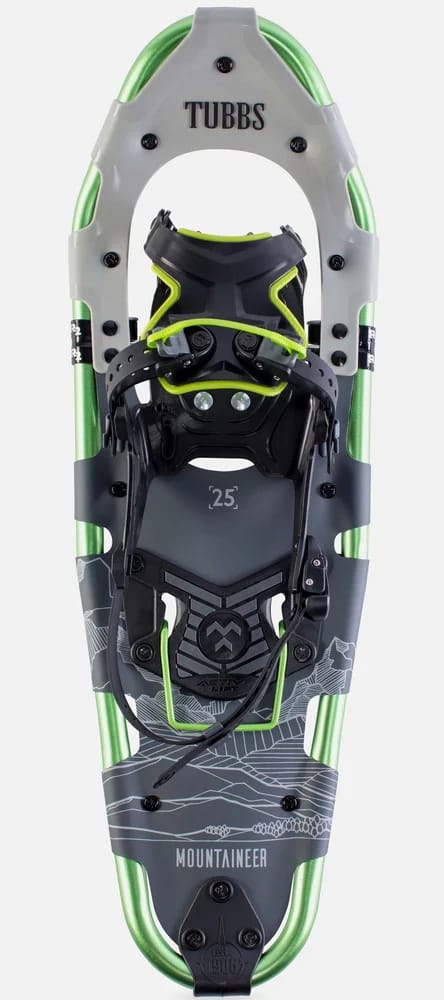 | 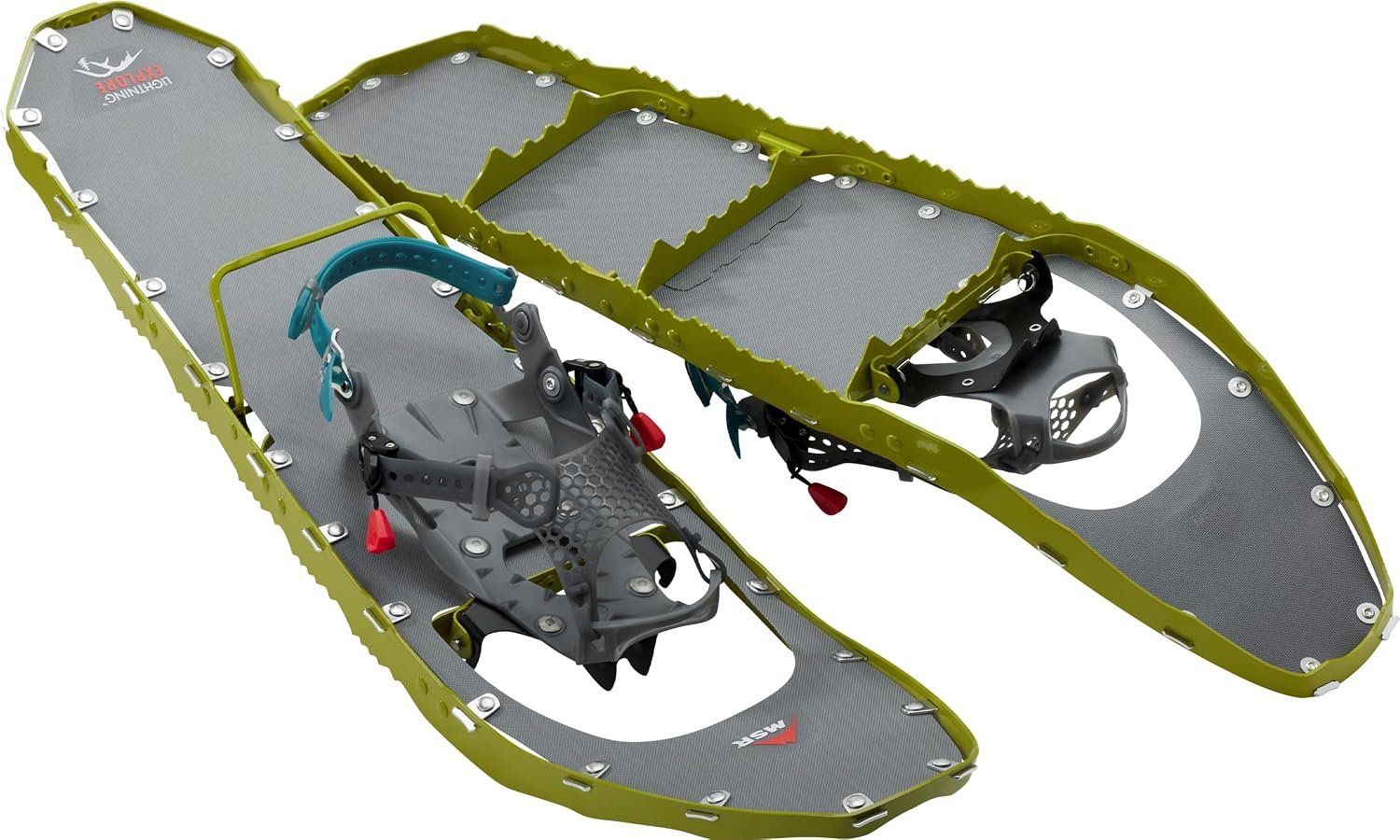 VS | |
| Max Load | 25 in: 120 - 200 lb | 30 in: 170 - 250 lb | 36 in: 220 - 300 lb | 22 in: Up to 180 lb |
| Dimensions | 25 in, 30 in, 36 in lengths (width not listed) | 22 in: 22 × 8 in |
| Weight | 4 lb 14 oz per pair (25 in) | 22 in: 3 lb 9 oz per pair |
| Binding Type | ActiveFit 2.0 | Paradigm |
| Crampon Count | 2 (Anaconda toe, Python heel) | Not specified |
| Heel Lift | Yes (ActiveLift, 19°) | Yes (Ergo Televator) |
| Warranty | Limited lifetime | 3 years limited |
| Modular Tail Extension | No | 5 in (sold separately) |
| Frame Material | Aluminum Pro-Step frame, Soft-Tec decking | 7075 T6 aluminum frame, TPU-coated nylon deck |
| Bag Included | No (optional add-on) | No |
| Tubbs Mountaineer | MSR Lightning Explore |
|---|---|
| |
| Max Load | |
25 in: 120 - 200 lb | 30 in: 170 - 250 lb | 36 in: 220 - 300 lb | 22 in: Up to 180 lb |
| Dimensions | |
25 in, 30 in, 36 in lengths (width not listed) | 22 in: 22 × 8 in |
| Weight | |
4 lb 14 oz per pair (25 in) | 22 in: 3 lb 9 oz per pair |
| Binding Type | |
ActiveFit 2.0 | Paradigm |
| Crampon Count | |
2 (Anaconda toe, Python heel) | Not specified |
| Heel Lift | |
Yes (ActiveLift, 19°) | Yes (Ergo Televator) |
| Warranty | |
Limited lifetime | 3 years limited |
| Modular Tail Extension | |
No | 5 in (sold separately) |
| Frame Material | |
Aluminum Pro-Step frame, Soft-Tec decking | 7075 T6 aluminum frame, TPU-coated nylon deck |
| Bag Included | |
No (optional add-on) | No |
Traction
Mountaineer
Lightning Explore
Traction matters because grip decides whether you stay upright on steep slopes, icy trails, and hard-packed snow, and it is the main reason most buyers choose a snowshoe. The Mountaineer earns its 4.6 rating with aggressive toe and heel crampons, and buyers say the Anaconda toe crampon and heel crampon dig in on both climbs and descents, with the rotating toe cord exposing the claw for steep inclines. Reviewers also praise its adjustable iron and angled cleat teeth for preventing slide-back on hills, along with strong grip on frozen lakes and rivers. The Lightning Explore reaches the same 4.6 rating with 360-degree perimeter teeth, brass edges, step bars, and a heel lift that buyers say grip well in packed snow, ice, and even brushy bush terrain. Its pop-up stabilizer and kickstand are also cited as helping on uphill climbs. Because both products earn identical traction scores and both perform strongly on ice and steep ground, this category is a tie, and the choice depends more on whether you prefer crampon-style bite or perimeter-tooth grip.
Comfort
Mountaineer
Lightning Explore
Comfort matters because long days on snow can turn small pressure points and awkward strides into real fatigue. The Mountaineer scores 4.3 and buyers praise its 19-degree active heel lift for easing calf and Achilles strain on long climbs and traverses, along with the ActiveFit 2.0 binding and a walking feel described as free of the awkward penguin gait. A few reviewers mentioned minor complaints, so fit can still vary by boot and wearer. The Lightning Explore earns 4.6 for comfort, with buyers describing an adjustable binding that cradles the foot without pressure points and rotates about 90 degrees so the stride stays natural. Reviewers also note it is roughly 300 grams lighter than comparable models and that its boot harnesses hold securely on hills. For buyers who spend many hours on the trail and value a light, natural-feeling stride, the Lightning Explore has the clear comfort edge in this category.
Flotation
Mountaineer
Lightning Explore
Flotation matters because how high you sit above soft snow determines whether you are wading through powder or gliding over it. The Mountaineer rates 4.1, and buyers say its longer, lower frame and Soft-Tec decking keep them riding on top of deep, soft snow, with a feeling that they are floating rather than sinking. The sample of feedback is smaller, so the rating is solid but not heavily tested across every snow condition. The Lightning Explore rates 3.9, with buyers saying the TPU nylon decking and modular tails keep most users well above powder, and some reporting they sink only about six inches at most. However, a smaller group felt the shorter sizes offer less float in deep snow, and heavier loads may need the larger 30-inch model. For powder-focused hiking and backcountry trekking, the Mountaineer is the stronger pick, while the Lightning Explore works well if you choose a longer size.
Ease Of Use
Mountaineer
Lightning Explore
Ease of use matters because you will be strapping in and out repeatedly, often in cold weather with gloves on. The Mountaineer rates 4.6 and reviewers consistently describe its wide-opening binding, automatic ratcheting strap, and quick-release strap holders as simple to step into and remove, with the single-handed EZ heel buckle making adjustments quick on the trail. Its feedback is overwhelmingly positive, with very few complaints about getting into the binding. The Lightning Explore rates 4.4, with buyers praising its quick-on, quick-off bindings, glove-friendly ratchets, and a step bar that flips up easily and stays latched on climbs. Some buyers, however, found the straps too short for larger boots, so the fit should be checked before buying. Overall the Mountaineer has the edge for effortless gearing up, while the Lightning Explore is also fast but may need a boot-fit check for bigger feet.
Durability
Mountaineer
Lightning Explore
Durability matters because snowshoes take hits from rocks, roots, and icy ground, and a frame that fails mid-trip is a real problem. The Mountaineer rates 4.2, and buyers describe its tubular steel frame and stainless steel claw as rugged and long-lasting, with some reporting solid performance after a year and a half of rough use. A small number of reviewers did raise durability concerns, so checking long-term reviews for harsh conditions is worthwhile. The Lightning Explore rates 3.9, with buyers reporting that the frame and deck hold up well over several years of regular trips, with one owner citing about four years of good service. Some reviewers, though, describe the kickstand as looking flimsy, even though no breakage has been reported. The Mountaineer has the stronger durability rating and the more rugged construction story, so it is the better choice for buyers who expect rough use.
Stability
Mountaineer
Lightning Explore
Stability matters because a heel that shifts inside the binding can throw off your footing on uneven or sloped snow. The Mountaineer rates 4.1, and buyers say its Wing technology and binding design hold the heel firmly in place, so they need to readjust less often on the trail. The feedback is mostly positive but limited in volume, so it reflects a strong trend rather than universal praise. The Lightning Explore rates 3.0, but this is mainly because buyer feedback did not give enough detail to call stability a clear strength or weakness, not because users reported problems. For buyers who want the most confidence that the heel will stay put, the Mountaineer is the clearer choice, while the Lightning Explore has no documented stability concerns.
Trust & Transparency
- Data-driven rankings from real user reviews
- Affiliate partnerships don't influence our methodology
We may earn commission from links.
Conclusion & Final Verdict:
Choose the Tubbs Mountaineer if your priorities are deep powder, aggressive grip on steep and icy terrain, effortless gearing up, and a limited lifetime warranty. It is the stronger pick for backcountry trekking and rough, long-term use.
Choose the MSR Lightning Explore if you want a lighter pair, a comfortable adjustable binding for all-day walking, and higher weight capacity at matching sizes. Check the straps and boot fit before buying, especially for larger boots.
Related Comparisons
MSR Evo TrailvsTubbs Mountaineer
The Tubbs Mountaineer is the stronger choice for off-trail travel, with more aggressive grip, a heel lift, and easier binding entry, while the MSR Evo Trail suits trail hikers who want steel traction and add-on flotation tails at a lower price point.
MSR Lightning AscentvsTubbs Mountaineer
The MSR Lightning Ascent suits buyers who want optional 5-inch float tails and comfortable bindings for mixed snow. The Tubbs Mountaineer is the stronger all-round choice for steep ground, ice, stability and durability, and it is the better pick for most backcountry hikers.
Tubbs MountaineervsL.L.Bean Women's Winter Walker
The Tubbs Mountaineer is the better choice for steep hills, ice, and frozen lakes thanks to aggressive crampons and a quick-entry binding. The L.L.Bean Women's Winter Walker suits buyers who want a natural-feeling fit and solid flotation for trekking at a lower overall rating.
Tubbs MountaineervsTSL Symbioz Hyperflex Elite
The Tubbs Mountaineer is the stronger choice for deep powder, easy binding entry, and rugged build, while the TSL Symbioz Hyperflex Elite suits buyers who prioritize icy-slope grip and a more natural stride. Pick the Mountaineer for soft-snow flotation and durability, or the Symbioz if you want a bag included and strong crampon performance on hard snow.
Tubbs MountaineervsTubbs Frontier
The Tubbs Mountaineer is the better pick for steep ice, long climbs, and buyers who want heel lift and a limited lifetime warranty. The Tubbs Frontier suits beginners who mainly need easy flotation on deep snow and simple bindings on gentler terrain.
Tubbs MountaineervsTubbs Wilderness
The Mountaineer is the stronger all-round choice for steep hills, deep powder, and long climbs thanks to aggressive crampons and a comfortable heel lift, while the Wilderness suits hikers focused on firm, icy snow and quick binding changes.