
Tubbs Mountaineer vs Tubbs Wilderness
Why You Can Trust Us
- Side-by-side analysis based on real user feedback
- Unbiased comparisons, not influenced by partnerships
- Updated as new data becomes available
We may earn from affiliate links at no extra cost to you.
| Mountaineer | Wilderness | |
|---|---|---|
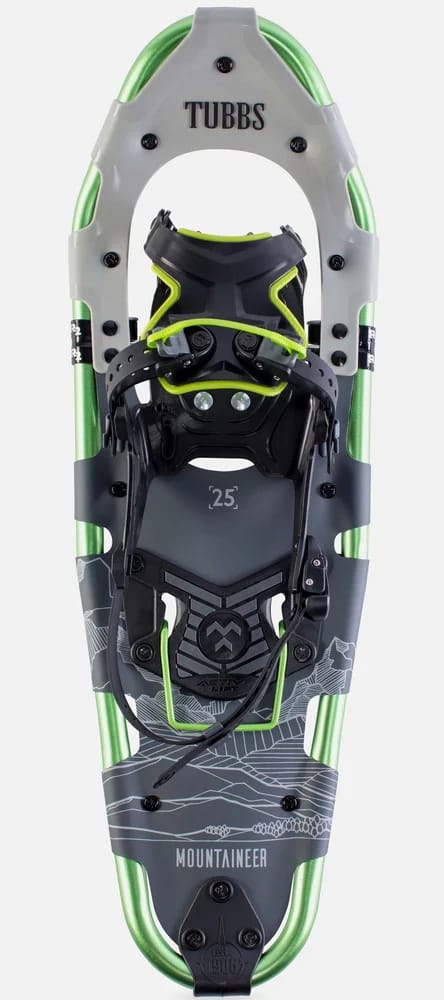 | 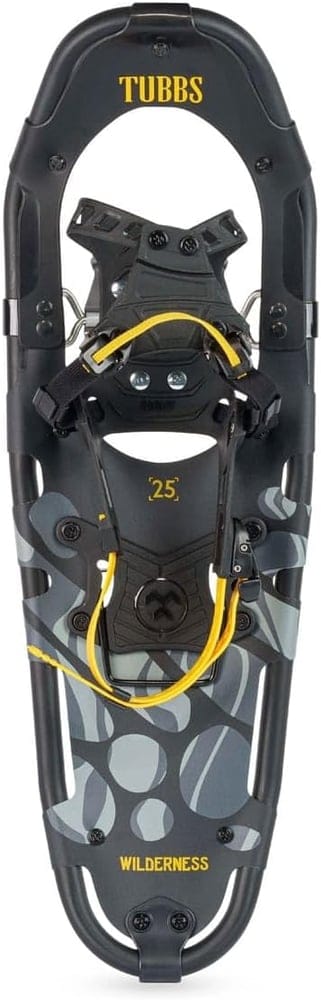 VS | |
| Max Load | 25 in: 120 - 200 lb | 30 in: 170 - 250 lb | 36 in: 220 - 300 lb | 25 in: 120 - 200 lb |
| Dimensions | 25 in, 30 in, 36 in lengths (width not listed) | 25 in, 30 in, 36 in lengths (30 in model is 9.5 in wide at the front) |
| Weight | 4 lb 14 oz per pair (25 in) | 4 lb 15.4 oz per pair (30 in) |
| Binding Type | ActiveFit 2.0 | Quick-Fit |
| Crampon Count | 2 (Anaconda toe, Python heel) | 2 (Cobra toe, Tubbs heel) |
| Heel Lift | Yes (ActiveLift, 19°) | Yes (ActiveLift, 16°) |
| Warranty | Limited lifetime | Limited lifetime |
| Modular Tail Extension | No | No |
| Frame Material | Aluminum Pro-Step frame, Soft-Tec decking | Aluminum |
| Bag Included | No (optional add-on) | No (optional add-on) |
| Tubbs Mountaineer | Tubbs Wilderness |
|---|---|
| |
| Max Load | |
25 in: 120 - 200 lb | 30 in: 170 - 250 lb | 36 in: 220 - 300 lb | 25 in: 120 - 200 lb |
| Dimensions | |
25 in, 30 in, 36 in lengths (width not listed) | 25 in, 30 in, 36 in lengths (30 in model is 9.5 in wide at the front) |
| Weight | |
4 lb 14 oz per pair (25 in) | 4 lb 15.4 oz per pair (30 in) |
| Binding Type | |
ActiveFit 2.0 | Quick-Fit |
| Crampon Count | |
2 (Anaconda toe, Python heel) | 2 (Cobra toe, Tubbs heel) |
| Heel Lift | |
Yes (ActiveLift, 19°) | Yes (ActiveLift, 16°) |
| Warranty | |
Limited lifetime | Limited lifetime |
| Modular Tail Extension | |
No | No |
| Frame Material | |
Aluminum Pro-Step frame, Soft-Tec decking | Aluminum |
| Bag Included | |
No (optional add-on) | No (optional add-on) |
Traction
Mountaineer
Wilderness
Traction is the main reason most people buy snowshoes, because it decides whether you stay upright on a steep slope or slide back down. The Mountaineer rates 4.6/5 here, with buyers repeatedly praising its Anaconda toe crampon and Viper heel crampon for aggressive bite on icy hills, frozen lakes, and rivers. Reviewers say the rotating toe cord exposes the claw for grip on steep inclines, the angled cleat teeth stop you sliding back down, and the adjustable iron and televator lift help on uphill ascents. The Wilderness scores 4.1/5 and earns good marks for crampon bite in hard crust and icy slopes, with feet staying put on steep sections and cleats performing well on pure ice. Some buyers note it trails the MSR Lightning on off-camber slopes, so it is less sure when the terrain tilts sideways. For steep, icy, or mixed terrain, the Mountaineer is the more confident choice, while the Wilderness still delivers solid grip for firm-snow hiking.
Comfort
Mountaineer
Wilderness
Comfort determines whether a snowshoe still feels good after a few hours rather than a few minutes, especially on long grades and traverses. The Mountaineer earns 4.3/5, with its 19-degree active heel lift and ActiveFit 2.0 binding praised for easing strain on calves and Achilles tendons. Many reviewers describe the whole experience as very comfortable, with no awkward penguin-walk feeling, though a few mention minor complaints and note that fit still varies with boot and body. The Wilderness scores 3.1/5, and buyer feedback is split: some call the Tubbs very comfortable, while others report less satisfaction over long walks. That split makes it harder to recommend without trying it first. If you plan extended treks, the Mountaineer is the safer pick, and either model should be checked for fit and padding before you buy.
Flotation
Mountaineer
Wilderness
Flotation keeps you on top of deep, soft snow rather than post-holing through it, which matters most in powder and backcountry routes. The Mountaineer rates 4.1/5, with its longer, lower Pro-Step frame and Soft-Tec decking helping buyers feel like they are floating across the snow instead of sinking in. The Wilderness rates 3.6/5 and keeps most hikers from sinking in deep powder, but buyers say float depends heavily on size and it performs best on level or packed snow. Some note it has not been thoroughly tested in deep snow, so the 30 or 36 inch size is the better bet if you expect soft, deep conditions. For powder-focused hiking the Mountaineer has the edge, while the Wilderness works well on packed trails and fairly level snow.
Ease Of Use
Mountaineer
Wilderness
Ease of use covers how quickly you can step in, cinch down, and release the binding, which matters most when you adjust often or wear thick gloves. Both snowshoes score 4.6/5 here, so neither has a clear advantage. The Mountaineer's wide-opening binding, automatic ratcheting strap, and quick-release strap holders are praised for simple entry and removal even with gloves on, and the single-handed heel buckle makes on-trail adjustments quick. The Wilderness earns similar praise, with buyers describing its bindings as quick to step into, easy to release, and simple to cinch in heavy gloves, and noting the freely rotating binding and the plastic binding that keeps its shape. Choose based on binding style preference rather than expecting one to be clearly easier.
Durability
Mountaineer
Wilderness
Durability matters because snowshoes take hits from rocks, roots, and rough trail use across multiple seasons. The Mountaineer rates 4.2/5, with buyers describing its tubular steel frame and stainless steel claw as rugged and long-lasting, and some reporting solid performance after a year and a half of rough use. A small number of reviewers raised durability concerns, so it is worth checking reviews for harsh-condition use. The Wilderness rates 3.8/5, with long-term V2 owners reporting no frame or deck failures after three years and describing the build as well made. Its very light construction is the main concern, with some buyers warning it could risk breakage over time. The Mountaineer has the stronger reputation for rugged use, while the Wilderness has a solid track record for careful users.
Stability
Mountaineer
Wilderness
Stability describes how well your heel and foot stay balanced on uneven or sloped snow, which affects both safety and fatigue. The Mountaineer scores 4.1/5, with Wing technology and its binding design keeping the heel firmly in place so you rarely need to readjust during a hike. The rating reflects mostly positive feedback rather than universal praise, but it suggests fewer interruptions on the trail. The Wilderness scores 3.1/5, and feedback is split: its swivel frame adjusts the shoe angle as you shift weight, which helps some hikers on slopes, while others feel less confident on uneven terrain. Test either pair on the slopes you normally hike before committing, but the Mountaineer is the more reliable choice for sloped, uneven snow.
Trust & Transparency
- Data-driven rankings from real user reviews
- Affiliate partnerships don't influence our methodology
We may earn commission from links.
Conclusion & Final Verdict:
Verdict: Choose the Mountaineer if you hike steep hills, powder, or long climbs and want the most comfort, traction, and stability. Choose the Wilderness if your routes are mostly icy or firm snow, you value simple bindings, and you accept more uncertainty on off-camber slopes and in deep snow.
Related Comparisons
MSR Lightning AscentvsTubbs Wilderness
The Lightning Ascent is the stronger choice for aggressive grip, comfort, and float on steep, icy, or deep-powder routes. The Wilderness is the better pick for buyers who want quick, glove-friendly bindings and a longer-lasting build for everyday use.
MSR Revo ExplorevsTubbs Wilderness
The MSR Revo Explore suits hikers who want the most aggressive steel traction, modular tails for deep snow, and a lighter build. The Tubbs Wilderness is the easier pick for quick, glove-friendly bindings and a lifetime warranty on icy or firm trails.
Tubbs MountaineervsMSR Lightning Explore
The Tubbs Mountaineer is the better choice for buyers who prioritize powder float, easy bindings, and aggressive grip on steep terrain. The MSR Lightning Explore suits those who want a lighter, more comfortable all-day fit with adjustable bindings and strong traction on icy, packed snow.
Tubbs MountaineervsTubbs Frontier
The Tubbs Mountaineer is the better pick for steep ice, long climbs, and buyers who want heel lift and a limited lifetime warranty. The Tubbs Frontier suits beginners who mainly need easy flotation on deep snow and simple bindings on gentler terrain.
Tubbs WildernessvsTSL Symbioz Hyperflex Elite
Choose the Tubbs Wilderness if you want easier binding use, better float in soft snow, and a limited lifetime warranty. Choose the TSL Symbioz Hyperflex Elite if icy steep terrain, comfort on long climbs, and stability matter more.
Tubbs WildernessvsTubbs Frontier
The Tubbs Frontier is the better all-round pick for beginners and deep, soft snow, with stronger flotation and steadier footing on hills. The Tubbs Wilderness suits buyers who hike icy or steep terrain and want a heel lift and a lifetime warranty, but its lighter build and size-dependent float need more care.