
Tubbs Wilderness vs Tubbs Frontier
Why You Can Trust Us
- Side-by-side analysis based on real user feedback
- Unbiased comparisons, not influenced by partnerships
- Updated as new data becomes available
We may earn from affiliate links at no extra cost to you.
| Wilderness | Frontier | |
|---|---|---|
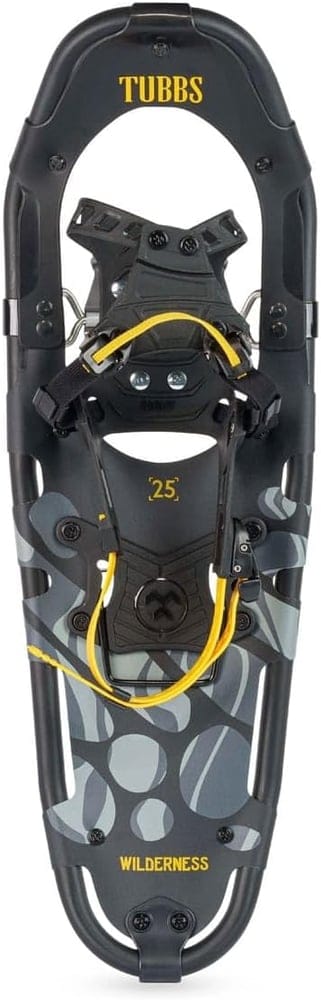 | 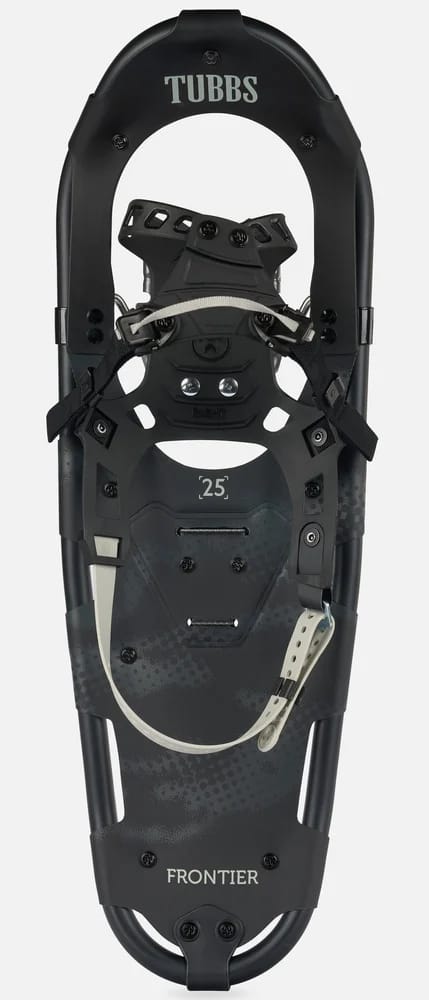 VS | |
| Max Load | 25 in: 120 - 200 lb | 25 in: 120 - 200 lb |
| Dimensions | 25 in, 30 in, 36 in lengths (30 in model is 9.5 in wide at the front) | 25 in, 30 in, 36 in lengths (width not listed) |
| Weight | 4 lb 15.4 oz per pair (30 in) | 3 lb 14.4 oz per pair (25 in) |
| Binding Type | Quick-Fit | 180 EZ |
| Crampon Count | 2 (Cobra toe, Tubbs heel) | 2 (recreational toe and heel) |
| Heel Lift | Yes (ActiveLift, 16°) | No |
| Warranty | Limited lifetime | 1 year limited |
| Modular Tail Extension | No | No |
| Frame Material | Aluminum | Aluminum |
| Bag Included | No (optional add-on) | No (optional add-on) |
| Tubbs Wilderness | Tubbs Frontier |
|---|---|
| |
| Max Load | |
25 in: 120 - 200 lb | 25 in: 120 - 200 lb |
| Dimensions | |
25 in, 30 in, 36 in lengths (30 in model is 9.5 in wide at the front) | 25 in, 30 in, 36 in lengths (width not listed) |
| Weight | |
4 lb 15.4 oz per pair (30 in) | 3 lb 14.4 oz per pair (25 in) |
| Binding Type | |
Quick-Fit | 180 EZ |
| Crampon Count | |
2 (Cobra toe, Tubbs heel) | 2 (recreational toe and heel) |
| Heel Lift | |
Yes (ActiveLift, 16°) | No |
| Warranty | |
Limited lifetime | 1 year limited |
| Modular Tail Extension | |
No | No |
| Frame Material | |
Aluminum | Aluminum |
| Bag Included | |
No (optional add-on) | No (optional add-on) |
Traction
Wilderness
Frontier
Traction matters most on the icy hills and firm crust that make up many winter routes, because a snowshoe that slips on a slope turns a simple walk into a risky one. The Wilderness earns praise for crampons that bite hard into crust and ice, with buyers reporting that their feet stayed put on steep, icy slopes and that the cleats performed well on pure ice. Buyers also say the rear heel lifts work well on steep sections, and the shoe handled steep terrain nicely. Some buyers note that the Wilderness is less sure on off-camber slopes, where it trails some competitors. The Frontier is rated slightly higher, with buyers describing ice cleats and an underside grip pattern that keep them from sliding backward on hills, and angled cleats that dig in when stepping forward. Its grip on the heel area drew consistently positive comments with few complaints. For buyers who spend most of their time on icy hills, the Frontier has the edge in consistent grip, while the Wilderness remains a strong choice if you specifically want aggressive crampon bite and heel lift on steep climbs.
Comfort
Wilderness
Frontier
Comfort affects how a snowshoe feels after hours on the trail, so it matters most on longer treks where small fit issues add up. Buyer feedback on the Wilderness is mixed: some call the Tubbs very comfortable, while others report less satisfaction over long walks. The Frontier has limited comfort feedback, but it leans positive, with buyers noting that the shoes do not feel heavy on the feet. Neither product has enough consistent feedback to claim a strong comfort advantage, and the Frontier edges ahead only slightly on the available comments. Because fit and padding vary from person to person, both products are better judged in person, especially if you plan extended outings.
Flotation
Wilderness
Frontier
Flotation determines whether you sink into snow or stay on top of it, which is central to any snowshoe. The Frontier stands out here, with buyers reporting that its size keeps sinking limited to about six to seven inches in two feet of snow, compared with boots that sink past the knee, and several said they did not sink into powdery snow. The Wilderness keeps most hikers from sinking in deep powder as well, but buyers say float depends heavily on choosing the right length and that it performs best on level or packed snow. One buyer noted that the Wilderness has not been tested in very deep snow. If you expect deep, soft snow, the Frontier offers more confidence, while the Wilderness suits packed or fairly level snow and buyers suggest the 30 or 36 inch size for deeper conditions.
Ease Of Use
Wilderness
Frontier
Ease of use shapes how often you will want to take the snowshoes on and off during a day of hiking, and both products earn the same strong score. The Wilderness bindings are a highlight, with buyers finding them quick to step into, easy to release, and simple to cinch even with heavy gloves, helped by a one-time adjustment and an automatic ratchet heel strap. The Frontier is praised for a front piece and pull cords that work without removing gloves, a control wing that makes boot entry easier, and quick-release strap holders. Buyers also like the adjustable straps and a buttoning system that keeps straps out of the way. Both products have consistently positive feedback here, so this category is a tie. Choose based on preference: the Wilderness suits quick step-in and step-out use, while the Frontier's glove-friendly fastening may appeal to beginners who struggle with orientation.
Durability
Wilderness
Frontier
Durability matters because snowshoes take hits from rocks, roots, and repeated flexing over multiple seasons. The Wilderness has the stronger record here, with long-term buyers reporting that the V2 held up well after three years without frame or deck failures, and several calling it exceptionally well made. Some buyers caution that the very light build could risk breakage over time, so it is not a guarantee for rough use. The Frontier's feedback is split: some buyers say it looks super rugged, with an aluminum frame and rugged synthetic material, while others were less convinced. Because the Frontier's durability feedback is limited and mixed, it should be treated as neutral rather than a clear reason to buy or avoid. If long-term reliability is your top concern, the Wilderness has the better track record, and its lifetime warranty adds reassurance.
Stability
Wilderness
Frontier
Stability affects how confidently you can walk on slopes and uneven ground, and it can make the difference between a steady trip and a stumble. The Wilderness has split feedback: its swivel frame adjusts the shoe angle as you shift weight, which helps some hikers on slopes, while others feel less confident on uneven terrain. The Frontier receives more consistent praise, with buyers noting that on a packed trail the shoes track straight without tipping or leaning. Because stability depends partly on terrain and technique, the Frontier's more uniform feedback gives it the edge for most buyers. If you hike uneven or off-camber slopes, test the Wilderness on your usual routes before committing.
Trust & Transparency
- Data-driven rankings from real user reviews
- Affiliate partnerships don't influence our methodology
We may earn commission from links.
Conclusion & Final Verdict:
Choose the Frontier if you hike deep or soft snow, want steadier footing and flotation on hills, or are new to snowshoeing and want a forgiving pair that is easy to fasten.
Choose the Wilderness if your routes are icy, firm, or steep, you value a heel lift and a lifetime warranty, and you are comfortable with a lighter build and size-dependent float on packed or level snow.
Related Comparisons
L.L.Bean Women's Winter WalkervsTubbs Frontier
Choose the Tubbs Frontier for stronger ice grip, better flotation, and the easiest entry, especially if you are a beginner. Pick the L.L.Bean Women's Winter Walker if a natural, comfortable fit and sturdier construction matter more to you.
L.L.Bean Women's Winter WalkervsTubbs Wilderness
The L.L.Bean Women's Winter Walker is the better pick for comfort, flotation and easy ratchet straps, while the Tubbs Wilderness grips icy and steep slopes better and has quick-cinch bindings. Choose the Winter Walker for mixed trail and deep snow, or the Wilderness for firm, icy terrain.
MSR Evo AscentvsTubbs Frontier
The MSR Evo Ascent suits steep climbs, icy slopes, and off-trail routes thanks to its steel traction bars and easy-to-engage Televator. The Tubbs Frontier is the easier pick for beginners and deep-snow flotation, with quick bindings and simple straps.
MSR Evo AscentvsTubbs Wilderness
The MSR Evo Ascent is the stronger choice for steep ice, off-trail climbs, and deep soft snow, thanks to steel traction bars and modular tails. The Tubbs Wilderness suits buyers who want the quickest, glove-friendly bindings and a lifetime warranty, and who mostly hike packed or firm snow.
Tubbs MountaineervsTubbs Wilderness
The Mountaineer is the stronger all-round choice for steep hills, deep powder, and long climbs thanks to aggressive crampons and a comfortable heel lift, while the Wilderness suits hikers focused on firm, icy snow and quick binding changes.
Tubbs WildernessvsTSL Symbioz Hyperflex Elite
Choose the Tubbs Wilderness if you want easier binding use, better float in soft snow, and a limited lifetime warranty. Choose the TSL Symbioz Hyperflex Elite if icy steep terrain, comfort on long climbs, and stability matter more.