
MSR Evo Ascent vs Tubbs Frontier
Why You Can Trust Us
- Side-by-side analysis based on real user feedback
- Unbiased comparisons, not influenced by partnerships
- Updated as new data becomes available
We may earn from affiliate links at no extra cost to you.
| Evo Ascent | Frontier | |
|---|---|---|
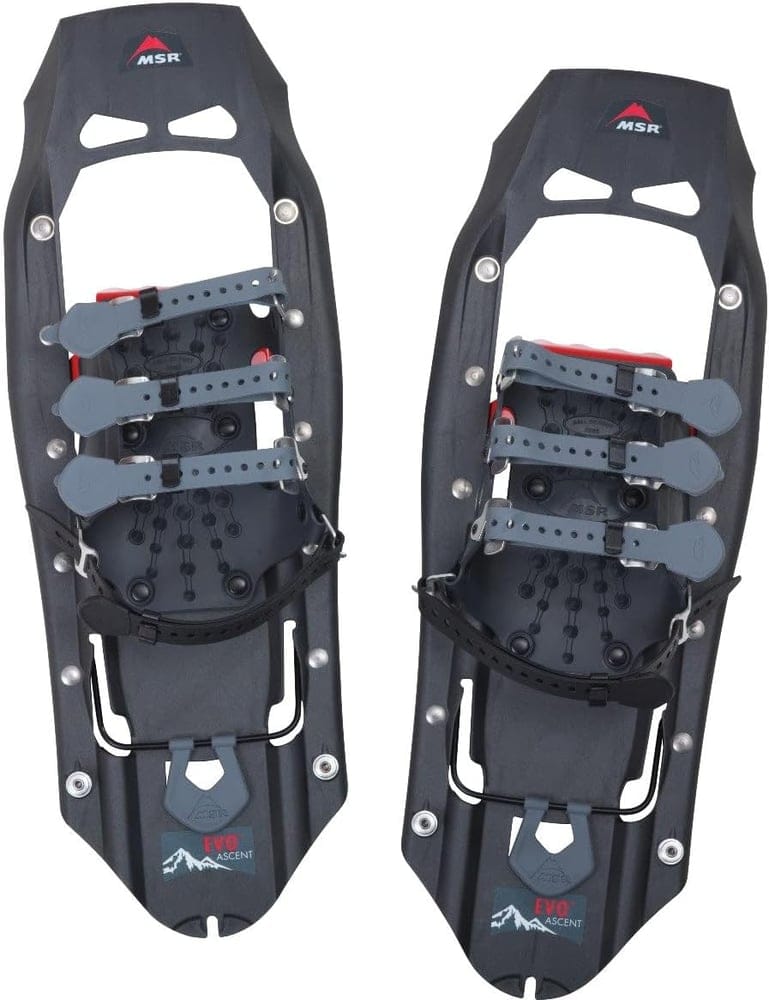 | 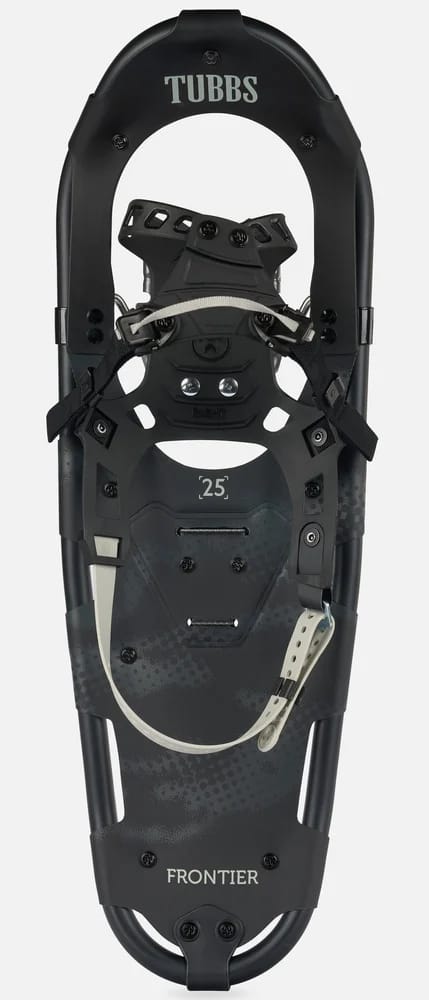 VS | |
| Max Load | Without tails: Up to 180 lb | 25 in: 120 - 200 lb |
| Dimensions | 22 × 8 in | 25 in, 30 in, 36 in lengths (width not listed) |
| Weight | 3 lb 15 oz per pair | 3 lb 14.4 oz per pair (25 in) |
| Binding Type | TriFit | 180 EZ |
| Crampon Count | Not specified | 2 (recreational toe and heel) |
| Heel Lift | Yes (Televator) | No |
| Warranty | 3 years limited | 1 year limited |
| Modular Tail Extension | 6 in | No |
| Frame Material | Plastic UniBody deck with steel traction rails | Aluminum |
| Bag Included | Not specified | No (optional add-on) |
| MSR Evo Ascent | Tubbs Frontier |
|---|---|
| |
| Max Load | |
Without tails: Up to 180 lb | 25 in: 120 - 200 lb |
| Dimensions | |
22 × 8 in | 25 in, 30 in, 36 in lengths (width not listed) |
| Weight | |
3 lb 15 oz per pair | 3 lb 14.4 oz per pair (25 in) |
| Binding Type | |
TriFit | 180 EZ |
| Crampon Count | |
Not specified | 2 (recreational toe and heel) |
| Heel Lift | |
Yes (Televator) | No |
| Warranty | |
3 years limited | 1 year limited |
| Modular Tail Extension | |
6 in | No |
| Frame Material | |
Plastic UniBody deck with steel traction rails | Aluminum |
| Bag Included | |
Not specified | No (optional add-on) |
Traction
Evo Ascent
Frontier
Traction matters because most snowshoe trips involve icy slopes, firm crusts, and uneven rock where a snowshoe either bites or slides. The Evo Ascent is the stronger performer here, with buyer feedback that repeatedly praises its steel traction rails and brake bars for gripping ice and rock on steep climbs. Owners describe the metal track as outperforming crampon-only grip on high peaks, and many say the teeth make it very hard to slide on steep terrain. The Frontier also earns solid marks, with its underside cleats and angled grip pattern helping it dig into snow and keep you from sliding backward on hills. Its feedback is positive but smaller in volume, and it is less tested on hard ice and rock. Some Evo Ascent buyers note it can dig in noticeably on firm surfaces, which is worth knowing if you hike mostly on packed trails. For steep, icy, or off-trail routes, the Evo Ascent is the better choice.
Comfort
Evo Ascent
Frontier
Comfort affects how tired your legs feel after a full day of hiking, and it also shapes how the binding holds your boot. The Evo Ascent gets credit for its Televator heel lift and heel ascender, which buyers say reduce strain on calves and the lower body on inclines. Its bindings are often described as snug and comfortable once you adapt. The tradeoff is that many owners find the setup heavy and clunky at first, and early hikes can bring soreness, so expect a break-in period. The Frontier's feedback is more limited, with a single note that the shoes do not feel heavy on the feet. That is encouraging, but it is not enough evidence to call it a clear standout. If you want a proven heel-lift system and can tolerate a short adjustment period, the Evo Ascent has the stronger comfort case. If you prefer a lighter feel and are willing to test fit yourself, the Frontier is worth trying on.
Flotation
Evo Ascent
Frontier
Flotation determines whether you stay on top of powder or sink to the knees, and it depends heavily on how deep and soft your snow is. The Frontier performs very well here, with buyers reporting that its size keeps sinking limited to about six to seven inches in two feet of snow, compared with boots that sink past the knees. Several owners say it floats on powdery snow rather than breaking through. The Evo Ascent offers a 22-inch deck with modular tails that extend to about 28 inches, which gives added float in deep, heavy powder. Its tails are a real advantage in deep snow, but the base deck offers less float in shallow snow, and lighter hikers may sink without the tails attached. Because the Frontier is consistently strong across its feedback and the Evo Ascent improves considerably with its tails, flotation is effectively even. Choose the Frontier for simpler, fixed flotation and the Evo Ascent if you want adjustable float.
Ease Of Use
Evo Ascent
Frontier
Ease of use matters because you will put these on and take them off many times, often with cold or gloved hands. The Frontier is the clear leader here, with buyers praising its front piece and pull cords that work without removing gloves, quick-release straps, and a buttoning system that keeps loose straps out of the way. Owners also like that there is no right or left designation, which helps people who struggle with orientation, and that the control wing makes boot entry easier. The Evo Ascent is also easy to use, and many buyers say the bindings step in and release quickly, with the Televator easier than pulling to engage. However, the feedback is more mixed: some find the tail adjustments fiddly, the pins can be hard to pop in or remove, and setup can take 10 to 15 minutes at first. If quick, repeated setup is important, the Frontier is the better choice.
Durability
Evo Ascent
Frontier
Durability decides whether a snowshoe survives years of trail use, rocky descents, and repeated strap adjustments. The Evo Ascent has the stronger record in buyer feedback, with owners describing its rugged all-plastic UniBody deck as very durable, with many reporting trouble-free use for years and no breakage after several hundred miles. Interchangeable straps are a useful safety feature if one fails. Some heavy users have noticed wear and bottom damage, so it is worth inspecting the deck regularly if you hike rough terrain often. The Frontier's durability feedback is split, with its aluminum frame and synthetic material described as looking rugged but drawing mixed opinions about long-term toughness. That makes it hard to call the Frontier a clear durability pick. For buyers who want the most confidence in long-term toughness, the Evo Ascent has the better evidence.
Stability
Evo Ascent
Frontier
Stability matters most on sidehill traverses, uneven snow, and tired legs, where a shoe that tips or rolls can slow you down. The Frontier earns the advantage here, with buyers reporting that it tracks well on packed trails, follows a toboggan without tipping or leaning, and feels steady as you move. The Evo Ascent feels steady for most hikers, and owners say trekking poles help keep them balanced on slopes and uneven snow. Its feedback on stability is more limited and suggests that technique plays a large role. Pairing either snowshoe with poles is wise on steep or sidehill terrain. If you spend a lot of time on packed trails or need a stable platform for pulling gear, the Frontier is the stronger choice. If you are mostly climbing steep slopes, pole use will do much of the work for the Evo Ascent.
Trust & Transparency
- Data-driven rankings from real user reviews
- Affiliate partnerships don't influence our methodology
We may earn commission from links.
Conclusion & Final Verdict:
Choose the MSR Evo Ascent if you hike steep, icy, or rocky off-trail routes, want the best traction and a heel lift for climbs, and are willing to accept a short break-in period. Its longer warranty and proven durability also make it a strong long-term investment.
Choose the Tubbs Frontier if you are newer to snowshoeing, value quick and glove-friendly setup, spend time on packed or powdery trails, and want a more stable platform. It is the easier snowshoe to live with day to day, especially if you do not need aggressive grip on steep ice.
Related Comparisons
L.L.Bean Women's Winter WalkervsTubbs Frontier
Choose the Tubbs Frontier for stronger ice grip, better flotation, and the easiest entry, especially if you are a beginner. Pick the L.L.Bean Women's Winter Walker if a natural, comfortable fit and sturdier construction matter more to you.
MSR Evo AscentvsL.L.Bean Women's Winter Walker
Choose the MSR Evo Ascent if steep, icy, or off-trail climbing is your priority, since its steel bars and Televator grip hard and ease hill climbs. Choose the L.L.Bean Women's Winter Walker if you want quicker, easier strap changes and a comfortable, natural fit for mostly trail and deep-snow walking.
MSR Evo AscentvsMSR Lightning Explore
The MSR Evo Ascent is the better choice for steep, icy climbs and deep soft snow, thanks to its steel traction bars and longer modular tails. The MSR Lightning Explore suits buyers who put all-day comfort and quick, glove-friendly bindings first.
MSR Evo AscentvsMSR Revo Explore
The MSR Evo Ascent is the stronger choice for steep icy climbs and off-trail routes thanks to its steel traction bars and Televator, while the MSR Revo Explore suits buyers who want easier gloved binding use and a more comfortable stride on long uphill treks. Pick the Evo Ascent for aggressive grip and the Revo Explore for quicker everyday setup.
MSR Evo AscentvsTSL Symbioz Hyperflex Elite
The MSR Evo Ascent suits buyers who want aggressive steep-terrain grip and a modular tail for deep powder, while the TSL Symbioz Hyperflex Elite suits those who value a natural stride, comfortable uphill heel lifts, and strong crampon bite but mostly stay on packed or firm snow.
MSR Evo AscentvsTubbs Flex ALP
The MSR Evo Ascent suits steep, icy, and off-trail climbs where steel bars and the Televator matter most, while the Tubbs Flex ALP suits downhill-heavy trips where its flexing frame and aggressive toe crampon are the priorities. Choose the Evo Ascent for deeper powder and a heel lift that is easier to engage, and the Flex ALP for comfort on long descents.