
MSR Evo Ascent vs L.L.Bean Women's Winter Walker
Why You Can Trust Us
- Side-by-side analysis based on real user feedback
- Unbiased comparisons, not influenced by partnerships
- Updated as new data becomes available
We may earn from affiliate links at no extra cost to you.
| Evo Ascent | Women's Winter Walker | |
|---|---|---|
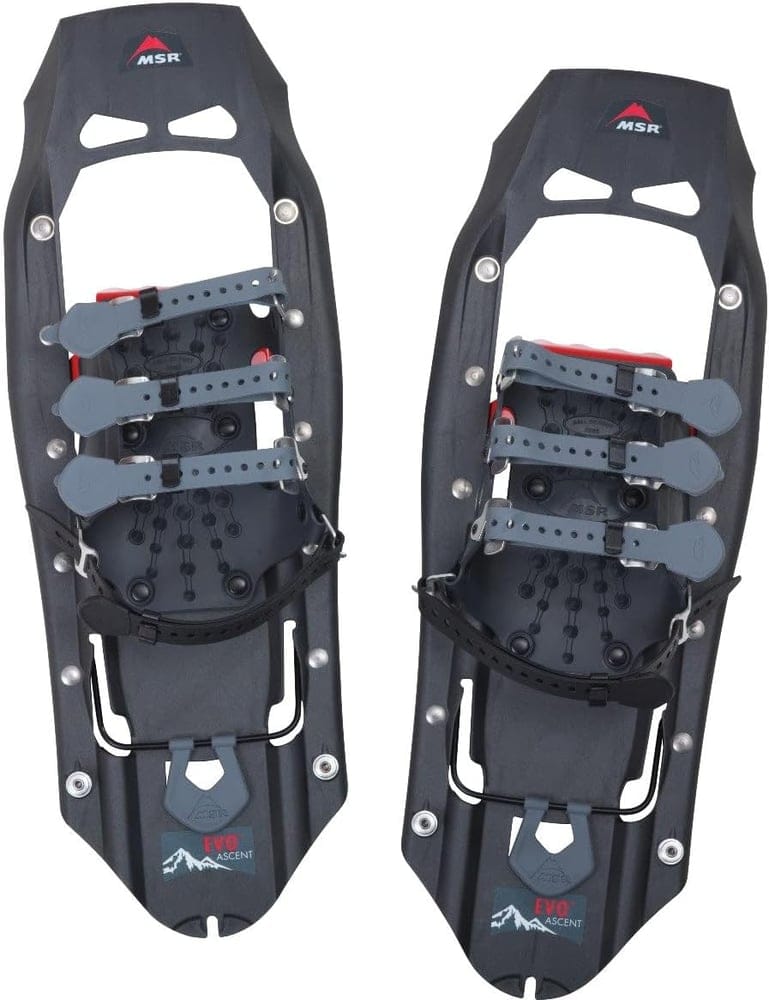 | 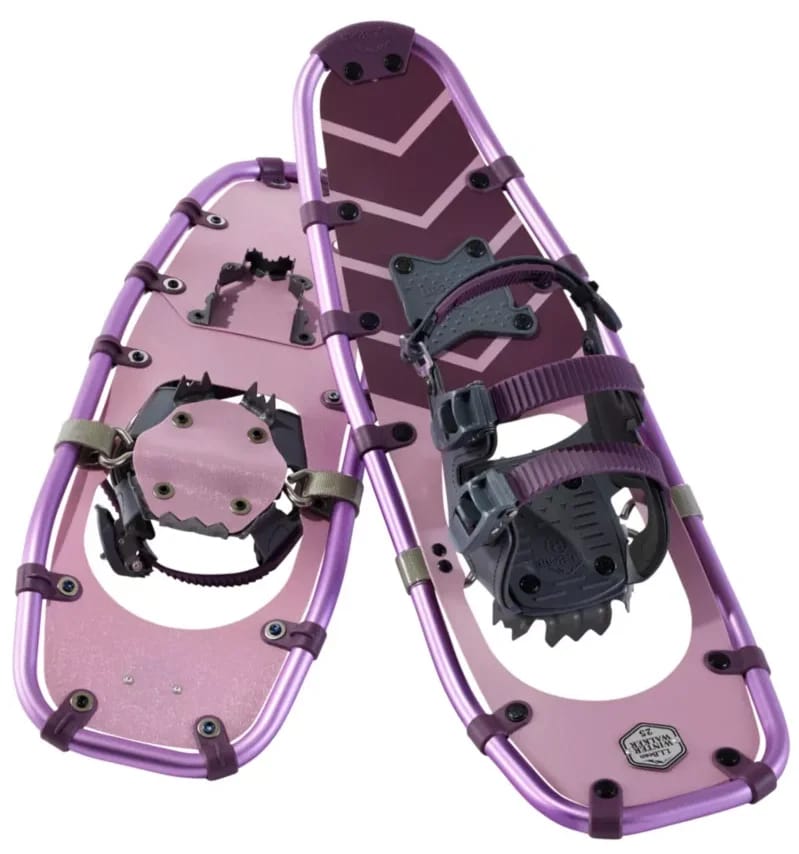 VS | |
| Max Load | Without tails: Up to 180 lb | 21 in: 80 - 150 lb |
| Dimensions | 22 × 8 in | 25 in: 25 × 8 in |
| Weight | 3 lb 15 oz per pair | Not specified |
| Binding Type | TriFit | Ratcheting |
| Crampon Count | Not specified | Not specified |
| Heel Lift | Yes (Televator) | Yes (25 in model) |
| Warranty | 3 years limited | Not specified |
| Modular Tail Extension | 6 in | No |
| Frame Material | Plastic UniBody deck with steel traction rails | 6000 grade anodized aluminum |
| Bag Included | Not specified | Not specified |
| MSR Evo Ascent | L.L.Bean Women's Winter Walker |
|---|---|
| |
| Max Load | |
Without tails: Up to 180 lb | 21 in: 80 - 150 lb |
| Dimensions | |
22 × 8 in | 25 in: 25 × 8 in |
| Weight | |
3 lb 15 oz per pair | Not specified |
| Binding Type | |
TriFit | Ratcheting |
| Crampon Count | |
Not specified | Not specified |
| Heel Lift | |
Yes (Televator) | Yes (25 in model) |
| Warranty | |
3 years limited | Not specified |
| Modular Tail Extension | |
6 in | No |
| Frame Material | |
Plastic UniBody deck with steel traction rails | 6000 grade anodized aluminum |
| Bag Included | |
Not specified | Not specified |
Traction
Evo Ascent
Women's Winter Walker
Traction matters most on this type of snowshoe because the real test is whether it bites into ice, hard-packed slopes, and uneven rock instead of sliding out from under you. Buyers of the Evo Ascent consistently describe its steel traction rails and brake bars as a grip-first design, with reports that it digs into snow, grabs onto ice, and holds on steep hillsides and off-trail rock. Several reviewers say it outperforms crampon-only grip in high peaks, and a few note it can feel aggressive and dig in noticeably on firm surfaces. The Winter Walker also earns praise for its bottom grippers, which buyers say bite better than cheaper shoes and resist sliding on ice, and one reviewer was impressed while pulling a loaded sled through deep snow. The volume of feedback favors the Evo Ascent by a wide margin, so if your routes involve steep ice or rock, it is the stronger choice, while the Winter Walker suits gentler trail walking.
Comfort
Evo Ascent
Women's Winter Walker
Comfort affects how long you can stay out and how your legs feel at the end of a day, so it matters for any snowshoe used on long climbs or extended walks. The Evo Ascent's Televator heel lift and heel ascender are repeatedly described as reducing calf and lower-body strain on inclines, and buyers say the binding feels snug and comfortable once adapted. However, many owners also find the setup heavy and clunky at first, and some report soreness during the first few hikes, so a short break-in is expected. The Winter Walker is praised for a natural, ergonomic fit, with buyers saying the shoe does not feel strapped in because it allows movement and that their feet settle in after a few minutes. A smaller number of reviewers mention a tender spot where the shoe fits, which keeps it from feeling flawless. Because the Evo Ascent's comfort benefits come with a break-in period while the Winter Walker feels comfortable more quickly, the two are essentially even, and the right choice depends on whether you value incline support or an easier first day.
Flotation
Evo Ascent
Women's Winter Walker
Flotation determines whether you stay on top of soft, deep snow or sink with every step, which is the main reason to own a snowshoe in powder country. The Evo Ascent's modular tails extend the deck to about 28 inches, and buyers say this gives significantly more float in deep, heavy powder, especially for larger or heavier hikers. Without the tails, however, the base deck offers less float in shallow snow, and some reviewers report sinking deeply in soft snow or find it hard to manage the tail adjustments. The Winter Walker is praised for floating well in deep snow and staying on top of packed trail, with buyers reporting solid support across a range of conditions. Its feedback is positive but less varied, so the two come out nearly even: the Evo Ascent offers more adjustable float for heavy deep snow, while the Winter Walker provides consistent support with less setup.
Ease Of Use
Evo Ascent
Women's Winter Walker
Ease of use matters because snowshoes are put on and taken off many times a day, often with gloves, and fiddly bindings quickly become frustrating. The Winter Walker stands out here, with buyers saying the ratchet straps tighten easily, the quick-release lever makes removal fast, and it is simple to get on even with gloves, a clear improvement over older designs that were hard to tighten. A few reviewers find the back strap tricky to adjust, and the plastic clip raises questions for some. The Evo Ascent also receives positive feedback, with buyers saying the bindings step into and release quickly and that the Televator is easier than pulling to engage and helps on hills. Still, some owners report that the tail adjustments are fiddly, pins can be hard to pop in or out, and initial setup can take 10 to 15 minutes. Overall, the Winter Walker is the easier snowshoe to live with day to day, while the Evo Ascent is manageable but requires more setup patience.
Durability
Evo Ascent
Women's Winter Walker
Durability is important because snowshoes are often used in harsh conditions, and a failed binding or frame can end a trip quickly. Evo Ascent owners frequently describe the rugged all-plastic UniBody deck as holding up well over hundreds of miles, with reports of years of trouble-free use and interchangeable straps that act as a backup if one breaks. A few users have noticed wear and bottom damage after heavy use on rough terrain, so periodic inspection is wise. The Winter Walker earns praise for well-made construction and its metal parts compared with cheaper plastic designs, and buyers describe the included bag as sturdy. Some reviewers, however, doubt the plastic clip will hold up over the long term. Since the Evo Ascent has more consistent positive reports about long-term use, it is the stronger choice for buyers who expect heavy seasons, while the Winter Walker is solid but carries more concern about its clip.
Stability
Evo Ascent
Women's Winter Walker
Stability is important for hikers working across slopes, sidehill traverses, and uneven snow, where a snowshoe that rocks or shifts can lead to falls. The Evo Ascent has a moderate amount of feedback, and buyers say the shoes feel steady for most hikers, particularly when used with trekking poles to maintain balance on slopes. Reviewers also note that stability depends heavily on technique, so poles are recommended on steep or sidehill terrain. The Winter Walker has little detailed feedback on stability, so there is no strong evidence either way about how it handles uneven ground. Because the Evo Ascent has positive, specific comments while the Winter Walker has insufficient data, the Evo Ascent has the edge here, though both should be used with poles on demanding terrain.
Trust & Transparency
- Data-driven rankings from real user reviews
- Affiliate partnerships don't influence our methodology
We may earn commission from links.
Conclusion & Final Verdict:
Choose the MSR Evo Ascent if you regularly climb steep slopes, icy trails, or off-trail rock, and you want the strongest grip, a heel lift for hill climbs, and extra float from its modular tails. Plan for a short break-in and a few extra minutes of setup.
Choose the L.L.Bean Women's Winter Walker if you mostly walk packed trails and deep snow, value quick ratchet adjustments and an easy, natural fit, and want a simpler setup. Its traction is solid for moderate terrain, but it is not the best pick for steep ice.
Related Comparisons
L.L.Bean Women's Winter WalkervsTSL Symbioz Hyperflex Elite
The L.L.Bean Women's Winter Walker is the better choice for deep snow, quick glove-friendly strap adjustments, and everyday trail use, while the TSL Symbioz Hyperflex Elite suits buyers who mainly face icy, steep terrain and want stronger crampons. Pick the Winter Walker for mixed trail and powder, and the Symbioz for serious ice.
L.L.Bean Women's Winter WalkervsTubbs Frontier
Choose the Tubbs Frontier for stronger ice grip, better flotation, and the easiest entry, especially if you are a beginner. Pick the L.L.Bean Women's Winter Walker if a natural, comfortable fit and sturdier construction matter more to you.
L.L.Bean Women's Winter WalkervsTubbs Wilderness
The L.L.Bean Women's Winter Walker is the better pick for comfort, flotation and easy ratchet straps, while the Tubbs Wilderness grips icy and steep slopes better and has quick-cinch bindings. Choose the Winter Walker for mixed trail and deep snow, or the Wilderness for firm, icy terrain.
MSR Evo AscentvsMSR Lightning Explore
The MSR Evo Ascent is the better choice for steep, icy climbs and deep soft snow, thanks to its steel traction bars and longer modular tails. The MSR Lightning Explore suits buyers who put all-day comfort and quick, glove-friendly bindings first.
MSR Evo AscentvsMSR Revo Explore
The MSR Evo Ascent is the stronger choice for steep icy climbs and off-trail routes thanks to its steel traction bars and Televator, while the MSR Revo Explore suits buyers who want easier gloved binding use and a more comfortable stride on long uphill treks. Pick the Evo Ascent for aggressive grip and the Revo Explore for quicker everyday setup.
MSR Evo AscentvsTSL Symbioz Hyperflex Elite
The MSR Evo Ascent suits buyers who want aggressive steep-terrain grip and a modular tail for deep powder, while the TSL Symbioz Hyperflex Elite suits those who value a natural stride, comfortable uphill heel lifts, and strong crampon bite but mostly stay on packed or firm snow.