
MSR Evo Ascent vs MSR Revo Explore
Why You Can Trust Us
- Side-by-side analysis based on real user feedback
- Unbiased comparisons, not influenced by partnerships
- Updated as new data becomes available
We may earn from affiliate links at no extra cost to you.
| Evo Ascent | Revo Explore | |
|---|---|---|
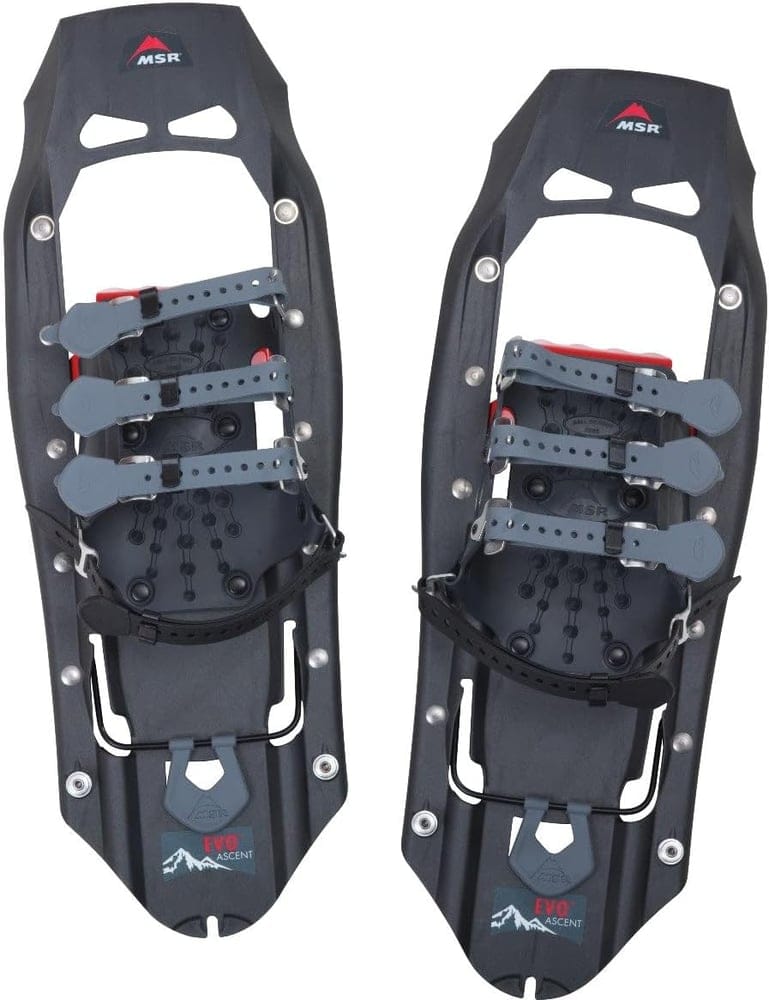 | 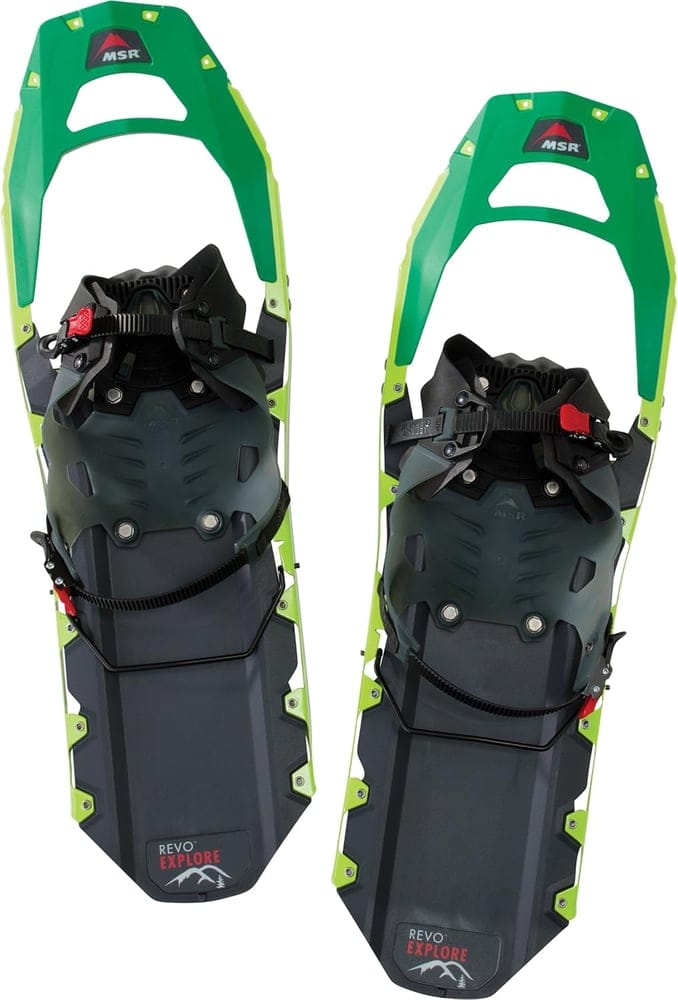 VS | |
| Max Load | Without tails: Up to 180 lb | 22 in: Up to 180 lb (up to 250 lb with tails) |
| Dimensions | 22 × 8 in | 22 in: 22 × 8 in |
| Weight | 3 lb 15 oz per pair | 22 in: 3 lb 13 oz per pair |
| Binding Type | TriFit | Paradigm |
| Crampon Count | Not specified | Not specified |
| Heel Lift | Yes (Televator) | Yes (Ergo Televator) |
| Warranty | 3 years limited | 3 years limited |
| Modular Tail Extension | 6 in | 5 in |
| Frame Material | Plastic UniBody deck with steel traction rails | Martensitic Steel |
| Bag Included | Not specified | Not specified |
| MSR Evo Ascent | MSR Revo Explore |
|---|---|
| |
| Max Load | |
Without tails: Up to 180 lb | 22 in: Up to 180 lb (up to 250 lb with tails) |
| Dimensions | |
22 × 8 in | 22 in: 22 × 8 in |
| Weight | |
3 lb 15 oz per pair | 22 in: 3 lb 13 oz per pair |
| Binding Type | |
TriFit | Paradigm |
| Crampon Count | |
Not specified | Not specified |
| Heel Lift | |
Yes (Televator) | Yes (Ergo Televator) |
| Warranty | |
3 years limited | 3 years limited |
| Modular Tail Extension | |
6 in | 5 in |
| Frame Material | |
Plastic UniBody deck with steel traction rails | Martensitic Steel |
| Bag Included | |
Not specified | Not specified |
Traction
Evo Ascent
Revo Explore
Traction matters most on steep climbs, icy slopes, and uneven rock, where a snowshoe that slides can turn a simple hike into a dangerous one. The Evo Ascent earned a traction rating of 4.8 out of 5, with buyers repeatedly praising its steel traction bars for gripping ice, biting into uneven ground, and holding on steep hills. Owners also note that its metal track outperforms crampon-only grip in high peaks and that it digs into snow without needing extra effort. The Revo Explore scored 4.6 out of 5, with reviewers describing solid bite from its steel frames, toe crampons, and metal teeth on icy and hardpacked trail, plus good grip on rocks, trees, and downhill sections. Its Ergo Televators and heel risers are also credited with improving positioning on steep slopes. For a buyer whose priority is maximum bite on steep, icy, or off-trail ground, the Evo Ascent is the stronger pick, while the Revo Explore offers dependable traction for mixed winter trails.
Comfort
Evo Ascent
Revo Explore
Comfort affects how far and how long you can hike, especially when you are fighting uphill grades for hours. The Revo Explore rated 4.1 out of 5 for comfort, with buyers praising its stretch mesh bindings for cradling the foot without pressure points and its narrow, near-natural stride that avoids wide-legged walking. Reviewers also say the heel risers make uphill walking easier on the calves and that flexing over logs and rocks feels comfortable. The Evo Ascent scored 3.8 out of 5, with many owners appreciating the Televator and heel ascender for reducing calf strain on inclines and describing the binding as snug and comfortable once adapted. However, a number of users report that the shoes feel heavy and clunky at first and cause soreness during the first few hikes. Both products benefit from a break-in period, but the Revo Explore generally feels more comfortable from the start, making it the better choice for buyers who prioritize comfort on long treks.
Flotation
Evo Ascent
Revo Explore
Flotation determines whether you stay on top of soft, deep powder or sink with every step, and it depends heavily on your body weight and load. The Evo Ascent rated 4.2 out of 5, with its modular float tails extending the deck to about 28 inches for added float in heavy, fluffy snow while keeping a smaller footprint on packed trails. Buyers describe the extensions as helpful for heavier users and deep snow, though some note that the base 22-inch deck offers minimal flotation in shallow snow and that lighter hikers may sink without the tails. The Revo Explore scored 4.1 out of 5, offering a 22-inch size rated for loads up to 180 pounds and a 25-inch size for heavier loads, with modular tails available for deep powder. Some reviewers say the longer size may still need added tails in the deepest snow, and several note that they could not fully test float without enough fresh snow. Because the two products reach similar float levels through different approaches, this category is effectively even, and the right choice depends on your load and snow depth.
Ease Of Use
Evo Ascent
Revo Explore
Ease of use covers how quickly you can get in and out of the bindings, how the tails and heel lifts are adjusted, and whether the system works with gloves. The Revo Explore scored 4.1 out of 5, with reviewers frequently describing its quick-release red tabs, finger-friendly cinch pulls, and heel strap micro adjustments as simple even with gloves on. Buyers also say the modular tails attach easily and the binding fits a wide range of boots, though some find the ratchet bindings take getting used to and can feel slightly slow to fasten. The Evo Ascent scored 3.9 out of 5, with many users finding the bindings quick to step into and release, and the Televator easier than pulling to engage. However, the Evo Ascent drew more mixed feedback on setup, with some owners calling the tail adjustments fiddly, pins hard to pop in or out, and the full setup taking 10 to 15 minutes. For a buyer who wants fast, glove-friendly setup on every outing, the Revo Explore has the edge.
Durability
Evo Ascent
Revo Explore
Durability determines how long a snowshoe lasts under rocks, rough trails, and repeated cold-weather use. The Evo Ascent scored 4.1 out of 5, with owners describing its rugged all-plastic UniBody deck as holding up well over hundreds of miles and some reporting years of trouble-free use. A few users have noticed wear and bottom damage after heavy use, so regular inspection is wise on rough terrain. The Revo Explore also scored 4.1 out of 5, with injection-molded plastic decks praised as highly durable and rivets that can be replaced with a repair kit to extend service life. Reviewers expect some cosmetic wear, such as scraping on overlapping frames and paint rubbing off after rock contact. Both products earn similarly strong durability marks, so this category is effectively a tie, with the choice coming down to the rest of your priorities.
Stability
Evo Ascent
Revo Explore
Stability matters on sidehill traverses and uneven or sloped snow, where a wobbly foot can lead to rolled ankles or slips. The Evo Ascent scored 3.6 out of 5, with buyers reporting that the shoes feel steady for most hikers, especially when paired with trekking poles, though stability depends largely on technique. The Revo Explore scored 3.7 out of 5, with a mid upper foot stabilization piece credited with keeping the foot steady on uneven or sloped snow. However, the Revo Explore's stability feedback is based on fewer reviews, so buyers who prioritize ankle support should look at more user experiences before deciding. Neither product stands out strongly here, so both should be used with trekking poles on steep or sidehill terrain.
Trust & Transparency
- Data-driven rankings from real user reviews
- Affiliate partnerships don't influence our methodology
We may earn commission from links.
Conclusion & Final Verdict:
Choose the MSR Evo Ascent if your hiking centers on steep icy climbs, off-trail routes, and uneven rock, where its steel traction bars and Televator give you the most secure footing. Be ready for a break-in period and a heavier, more clunky feel at first.
Choose the MSR Revo Explore if you want quicker glove-friendly binding setup, a more comfortable stride on long uphill treks, and reliable traction on mixed winter trails. It is the better everyday pick for most recreational winter hikers, especially those who value comfort and ease of use.
Related Comparisons
MSR Evo TrailvsMSR Revo Explore
The Revo Explore is the stronger all-round pick for winter hikers who want aggressive grip, a heel lift, and quicker stability on uneven snow. The Evo Trail suits buyers who want a lighter pair with steel crampons and rugged build for trail use on a tighter budget.
MSR Lightning AscentvsMSR Evo Ascent
The MSR Lightning Ascent suits buyers who want comfortable bindings, easy setup, and aggressive grip on downhill and icy slopes. The MSR Evo Ascent is the better choice for steep climbs and off-trail routes where durability and stability matter more.
MSR Lightning AscentvsMSR Revo Explore
The Lightning Ascent suits buyers who want aggressive grip on steep, icy downhills and a comfortable, easy-to-wear binding with heel lift. The Revo Explore is the better choice for icy hardpack, mixed terrain, and anyone who wants stronger durability and stability.
MSR Revo ExplorevsL.L.Bean Women's Winter Walker
The MSR Revo Explore is the better pick for buyers who put traction on icy, steep, or hardpacked trail first and don't mind learning its ratchet bindings. The L.L.Bean Women's Winter Walker suits buyers who want quicker, easier strap adjustment and a natural-feeling fit for everyday winter walking.
MSR Revo ExplorevsMSR Lightning Explore
The Revo Explore suits steep, icy climbs and buyers who want quick-release bindings and a wider load range, though its ratchets take practice. The Lightning Explore suits all-day comfort, 360-degree grip, and lighter weight, but its shorter sizes float less in deep snow.
MSR Revo ExplorevsTSL Symbioz Hyperflex Elite
The MSR Revo Explore is the better all-round pick for mixed winter use, with easier gloved binding operation, better float in powder, a lighter pair, and a longer warranty. The TSL Symbioz Hyperflex Elite suits buyers who put steep icy climbs and a natural stride first and can accept weaker performance in deep powder.