
MSR Lightning Ascent vs MSR Revo Explore
Why You Can Trust Us
- Side-by-side analysis based on real user feedback
- Unbiased comparisons, not influenced by partnerships
- Updated as new data becomes available
We may earn from affiliate links at no extra cost to you.
| Lightning Ascent | Revo Explore | |
|---|---|---|
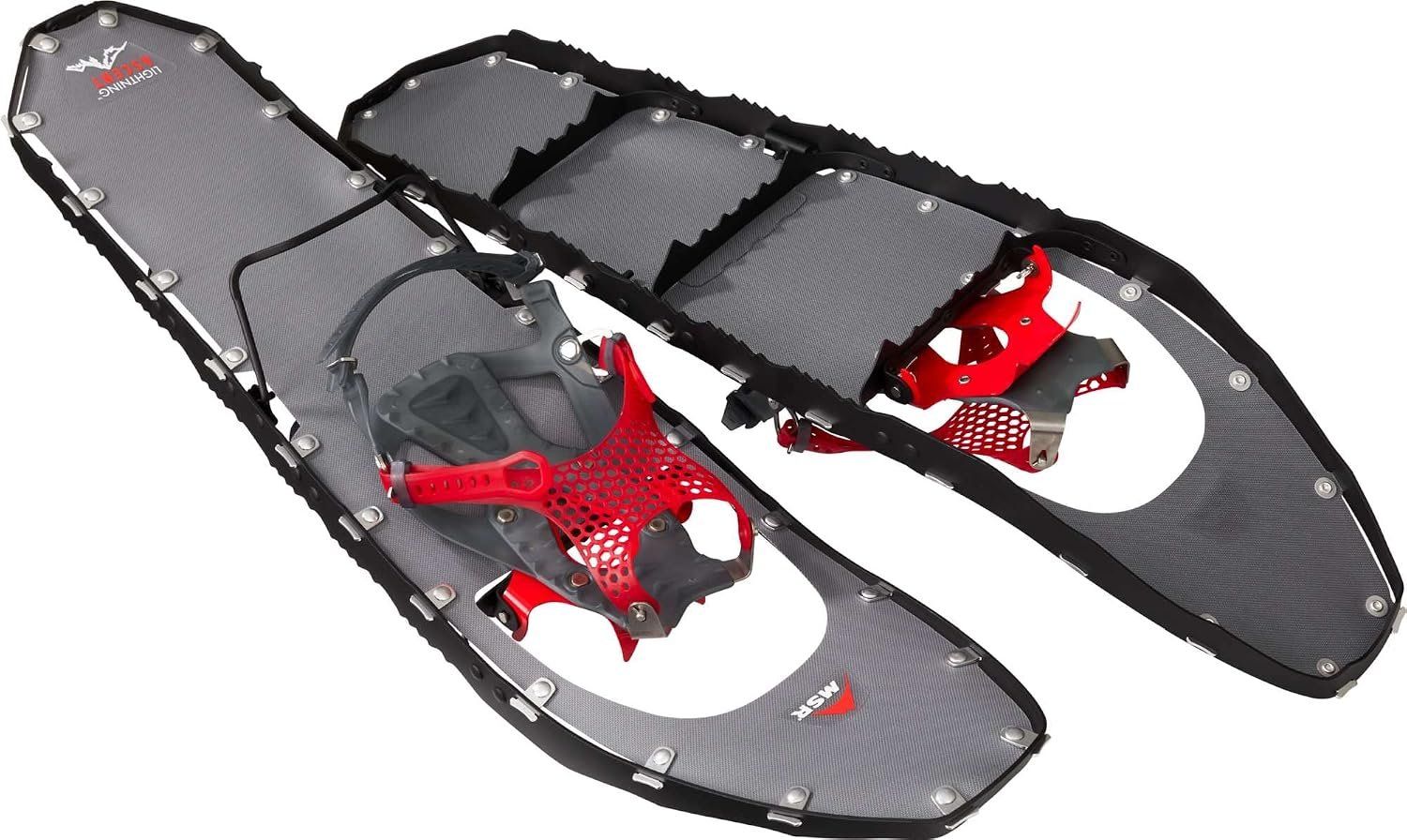 | 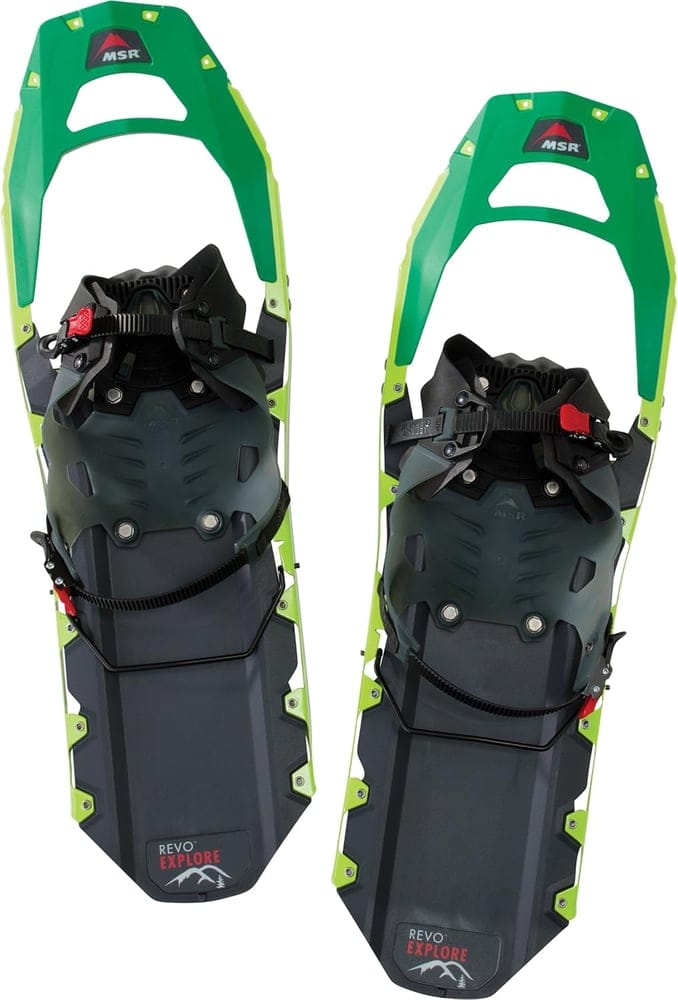 VS | |
| Max Load | 22 in: Up to 180 lb | 22 in: Up to 180 lb (up to 250 lb with tails) |
| Dimensions | 22 in: 22 × 8 in | 22 in: 22 × 8 in |
| Weight | 22 in: 4 lb 2 oz per pair | 22 in: 3 lb 13 oz per pair |
| Binding Type | Paragon | Paradigm |
| Crampon Count | Not specified | Not specified |
| Heel Lift | Yes (Ergo Televator) | Yes (Ergo Televator) |
| Warranty | 3 years limited | 3 years limited |
| Modular Tail Extension | 5 in | 5 in |
| Frame Material | 7075 T6 Aluminum | Martensitic Steel |
| Bag Included | Not specified | Not specified |
| MSR Lightning Ascent | MSR Revo Explore |
|---|---|
| |
| Max Load | |
22 in: Up to 180 lb | 22 in: Up to 180 lb (up to 250 lb with tails) |
| Dimensions | |
22 in: 22 × 8 in | 22 in: 22 × 8 in |
| Weight | |
22 in: 4 lb 2 oz per pair | 22 in: 3 lb 13 oz per pair |
| Binding Type | |
Paragon | Paradigm |
| Crampon Count | |
Not specified | Not specified |
| Heel Lift | |
Yes (Ergo Televator) | Yes (Ergo Televator) |
| Warranty | |
3 years limited | 3 years limited |
| Modular Tail Extension | |
5 in | 5 in |
| Frame Material | |
7075 T6 Aluminum | Martensitic Steel |
| Bag Included | |
Not specified | Not specified |
Traction
Lightning Ascent
Revo Explore
Traction matters most on icy, steep, or packed terrain, where slipping is the main risk and a snowshoe that bites reliably keeps every step secure. The Lightning Ascent earns a 4.3 rating, with buyers praising its 360-degree cramp-on frame and steel teeth for biting into icy, steep snow and preventing slides on downhill slopes. Some reviewers say the side grip weakens on steep traverses and icy snow, so crossing slopes is where it can disappoint. The Revo Explore scores 4.6 thanks to steel traction frames, toe crampons, and metal teeth that dig into ice and hardpacked trail, and buyers also report grip on rocks, trees, and sticks. Ergo Televators and heel risers add secure footing on climbs, which helps on steep ascents. For icy hardpack and varied terrain, the Revo Explore is the stronger choice, while the Lightning Ascent remains a solid option for steep downhill work if you can accept some weakness on traverses.
Comfort
Lightning Ascent
Revo Explore
Comfort shapes how you feel after hours on the trail, especially when long treks put repeated strain on the calves, Achilles, and feet. The Lightning Ascent rates 4.4, with buyers describing its Paragon bindings as comfortable with no obvious pressure points, and many say they barely notice the snowshoes on their feet. Its Televator heel lift is repeatedly credited with reducing calf and Achilles fatigue on long routes. The Revo Explore rates 4.1, with stretch mesh bindings that cradle the foot without pressure points and a narrow, near-natural stride that feels easier on the legs over long uphill sections. Heel risers help on climbs, though some buyers mention needing a short adjustment period before the shoes feel fully natural. Overall the Lightning Ascent has a modest edge for all-day comfort, while the Revo Explore is also comfortable but may require a bit more break-in time.
Flotation
Lightning Ascent
Revo Explore
Flotation determines whether you stay on top of soft, deep snow instead of post-holing through it, and it depends heavily on snow conditions and total load. The Lightning Ascent rates 4.2, with buyers saying the deck keeps them riding on top of powder and that the optional 5-inch modular tails add useful float when snow gets softer. The Revo Explore rates 4.1, with its 22-inch size rated for loads up to 180 pounds and the 25-inch size for 120 to 220 pounds, and modular tails available for deeper powder or heavier packs. A few buyers expect more float from the 25-inch Revo Explore in very deep snow and suggest adding tails. Both products offer extension tails and similar float performance, so the best choice depends on your body weight, pack weight, and the depth of snow you usually encounter.
Ease Of Use
Lightning Ascent
Revo Explore
Ease of use affects how quickly you can get on and off the snowshoes, which matters most when you are cold, wearing gloves, or switching between walking and climbing. The Lightning Ascent rates 4.2 and buyers find the Paragon bindings simple to put on and take off even with gloves, while the Televator heel lift pops up and down easily and the strap system is quick to hook up. Its foot rail and fitting markings also help on hills. A few users, however, found its attachment less convenient than rival systems. The Revo Explore rates 4.1, with quick-release red tabs, finger-friendly cinch pulls, and heel-strap micro adjustments that buyers find easy to use with gloves on. Its ratchet bindings take some getting used to, and a few buyers feel they could be quicker to fasten. Both are easy to use once learned, so neither has a clear advantage and the choice comes down to whether you prefer the Paragon system or quick-release tabs with ratchets.
Durability
Lightning Ascent
Revo Explore
Durability matters for anyone who uses snowshoes on rough terrain, around brush, or over many seasons, because frame damage or deck punctures can end a trip. The Lightning Ascent rates 3.1, and while buyers describe the decking as tough and the build as solid, some reviewers worry that sharp sticks can puncture the deck and that the material may not handle cold temperatures well. Reports of frame bending under heavy use drag the rating down, so it is a mixed point for buyers planning rough, heavy-duty trips. The Revo Explore rates 4.1, with buyers describing injection-molded plastic decks and steel frames as durable and noting that rivets can be replaced with a repair kit. One reviewer reported zero issues after about 200 kilometers, though the evidence base is smaller and mostly points to cosmetic wear such as scraping and paint rubbing off. Based on the available feedback, the Revo Explore looks like the more durable and longer-lasting pair.
Stability
Lightning Ascent
Revo Explore
Stability matters when you walk across slopes or uneven snow, because shifting heels or a poor angle on traverses can make every step tiring and less secure. The Lightning Ascent rates 2.6, with some users reporting that the heels do not stay in place and must be re-hooked, and that its flexible bottom can prevent the snowshoe from sitting at the correct angle on traverses. If you often cross slopes, this is a real drawback to test before buying. The Revo Explore rates 3.7, with a mid-upper foot stabilization piece that helps keep the foot steady on uneven or sloped snow. However, stability feedback for this model is limited, so shoppers who need firm ankle support should read more buyer reviews. On the evidence available, the Revo Explore has the clear advantage for keeping your foot steady on uneven ground.
Trust & Transparency
- Data-driven rankings from real user reviews
- Affiliate partnerships don't influence our methodology
We may earn commission from links.
Conclusion & Final Verdict:
Choose the MSR Revo Explore if you mostly travel on icy, hardpacked, or mixed terrain, want stronger durability and stability, and prefer a lighter pair. Its steel traction frames and metal teeth grip reliably, and its quick-release bindings are easy to use with gloves once you learn the ratchets.
Choose the MSR Lightning Ascent if your priority is all-day comfort on long treks and steep, icy downhill grip, and you are willing to check the side grip on traverses and the heel retention. Its Paragon bindings and Televator heel lift are the standout comfort features, but it is the less durable and less stable of the two.
Related Comparisons
MSR Lightning AscentvsL.L.Bean Women's Winter Walker
Choose the MSR Lightning Ascent for steep, icy terrain, extra float and comfortable bindings if you can accept weaker durability. Choose the L.L.Bean Women's Winter Walker for quick ratchet fastening, a sturdier-feeling build and easy everyday trail use.
MSR Lightning AscentvsMSR Evo Ascent
The MSR Lightning Ascent suits buyers who want comfortable bindings, easy setup, and aggressive grip on downhill and icy slopes. The MSR Evo Ascent is the better choice for steep climbs and off-trail routes where durability and stability matter more.
MSR Lightning AscentvsMSR Lightning Explore
The Lightning Explore is the better all-round pick for most buyers, with stronger traction on icy and packed snow, a lighter build, and more durable reports. The Lightning Ascent suits deep powder and soft-snow float better, and it is the choice when flotation matters most.
MSR Lightning AscentvsTSL Symbioz Hyperflex Elite
The MSR Lightning Ascent is the better pick for buyers who want comfortable bindings, strong flotation in powder, and a lighter, easier-to-use setup for mixed trekking. The TSL Symbioz Hyperflex Elite suits buyers focused on icy, steep slopes and a secure feel underfoot, and it is weaker in soft snow.
MSR Lightning AscentvsTubbs Flex ALP
The MSR Lightning Ascent suits buyers who want comfortable bindings, easy entry, and float for soft snow, while the Tubbs Flex ALP fits hikers who prioritize aggressive toe-crampon grip on steep, icy terrain and a more durable build.
MSR Lightning AscentvsTubbs Frontier
The MSR Lightning Ascent is the better pick for buyers who need aggressive grip on icy, steep ground, plus a heel lift and optional extra float. The Tubbs Frontier suits beginners who want quick, glove-friendly bindings and steadier footing on packed trails.