
MSR Lightning Ascent vs MSR Lightning Explore
Why You Can Trust Us
- Side-by-side analysis based on real user feedback
- Unbiased comparisons, not influenced by partnerships
- Updated as new data becomes available
We may earn from affiliate links at no extra cost to you.
| Lightning Ascent | Lightning Explore | |
|---|---|---|
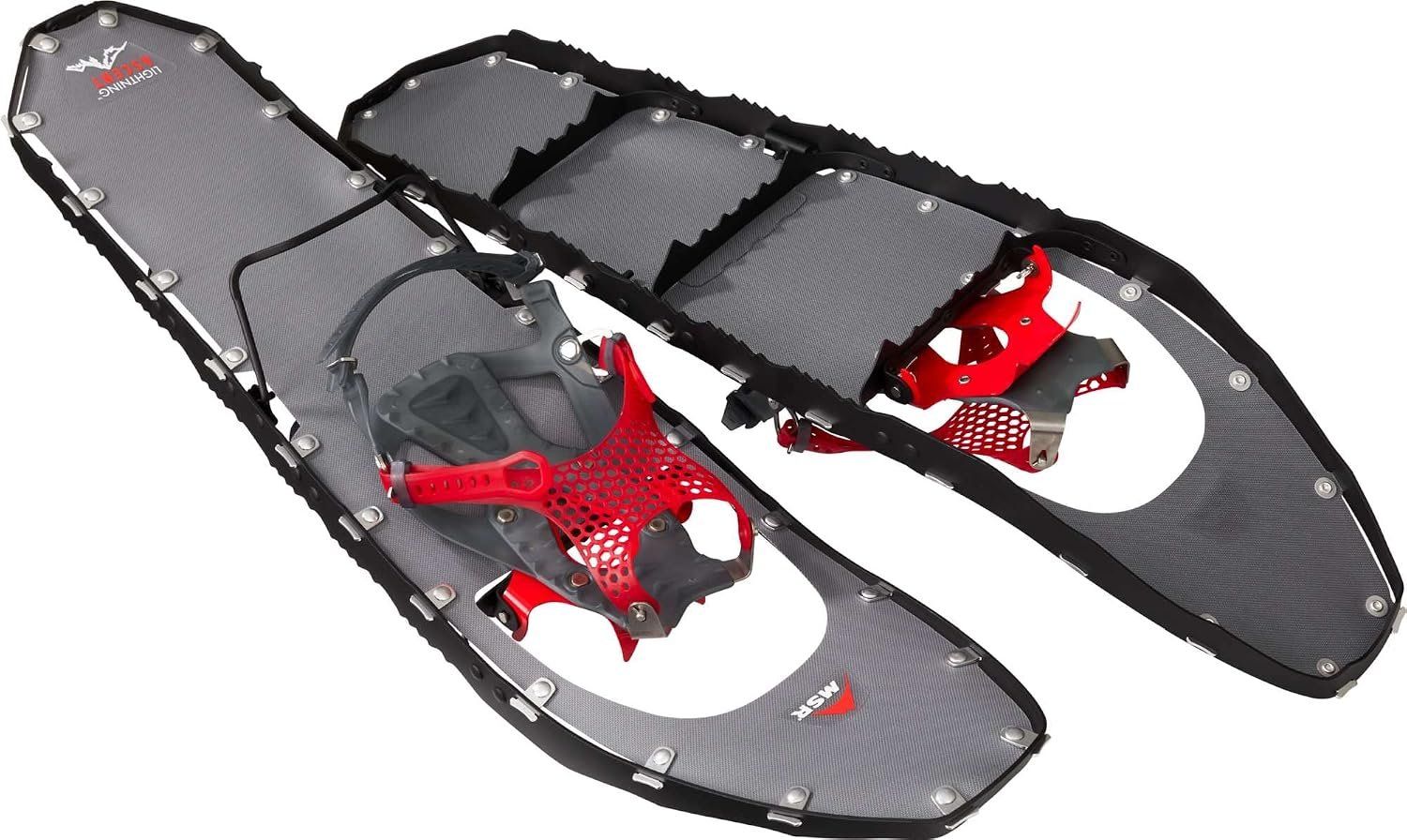 | 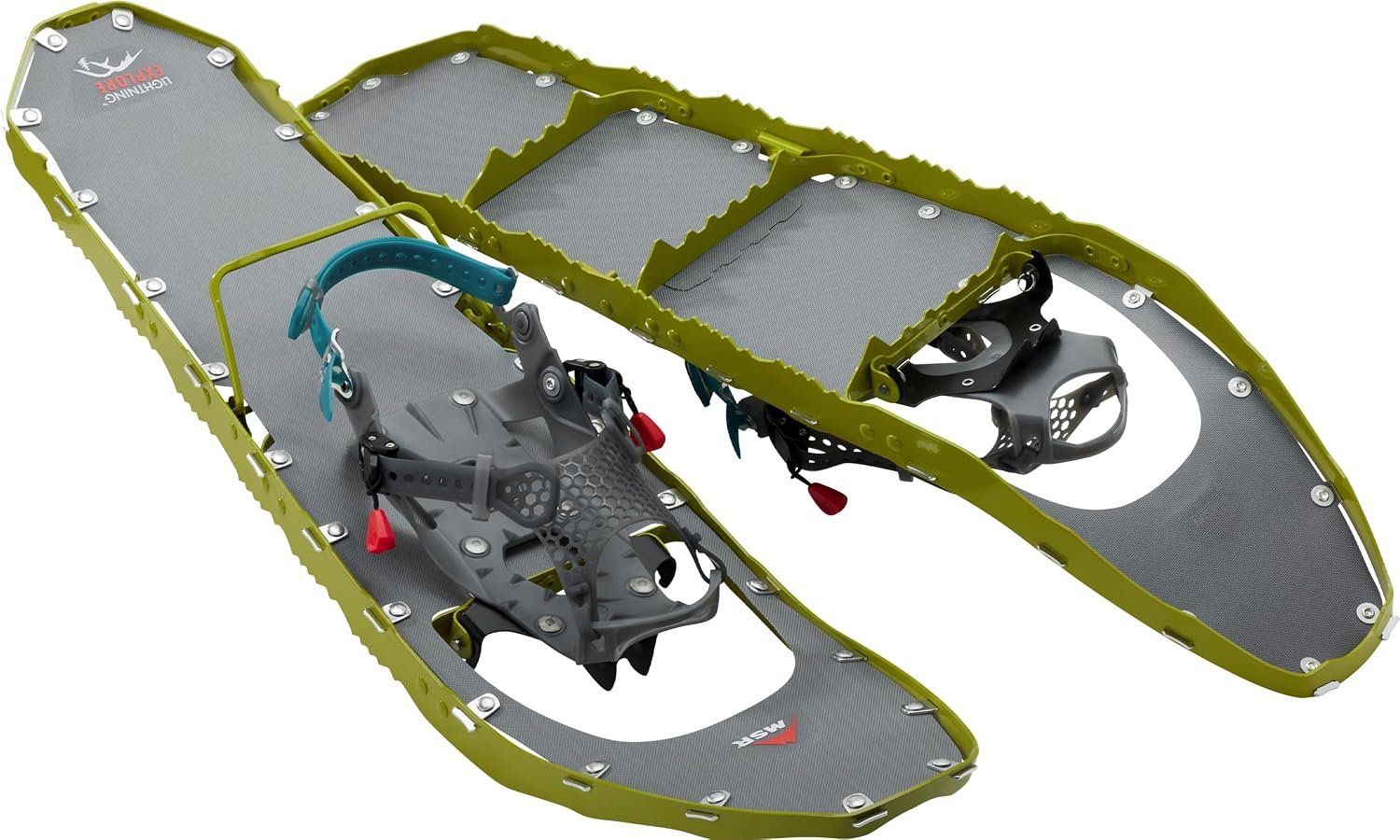 VS | |
| Max Load | 22 in: Up to 180 lb | 22 in: Up to 180 lb |
| Dimensions | 22 in: 22 × 8 in | 22 in: 22 × 8 in |
| Weight | 22 in: 4 lb 2 oz per pair | 22 in: 3 lb 9 oz per pair |
| Binding Type | Paragon | Paradigm |
| Crampon Count | Not specified | Not specified |
| Heel Lift | Yes (Ergo Televator) | Yes (Ergo Televator) |
| Warranty | 3 years limited | 3 years limited |
| Modular Tail Extension | 5 in | 5 in (sold separately) |
| Frame Material | 7075 T6 Aluminum | 7075 T6 aluminum frame, TPU-coated nylon deck |
| Bag Included | Not specified | No |
| MSR Lightning Ascent | MSR Lightning Explore |
|---|---|
| |
| Max Load | |
22 in: Up to 180 lb | 22 in: Up to 180 lb |
| Dimensions | |
22 in: 22 × 8 in | 22 in: 22 × 8 in |
| Weight | |
22 in: 4 lb 2 oz per pair | 22 in: 3 lb 9 oz per pair |
| Binding Type | |
Paragon | Paradigm |
| Crampon Count | |
Not specified | Not specified |
| Heel Lift | |
Yes (Ergo Televator) | Yes (Ergo Televator) |
| Warranty | |
3 years limited | 3 years limited |
| Modular Tail Extension | |
5 in | 5 in (sold separately) |
| Frame Material | |
7075 T6 Aluminum | 7075 T6 aluminum frame, TPU-coated nylon deck |
| Bag Included | |
Not specified | No |
Traction
Lightning Ascent
Lightning Explore
Traction decides whether you stay upright and in control on icy, steep, or packed snow, which is the core job of any snowshoe. Buyers of the Lightning Ascent praise its 360-degree cramp-on frame and steel teeth for biting into icy, steep snow and stopping slides on downhills. Some reviewers, however, say the side grip weakens on steep traverses and on icy snow, so cross-slope travel needs testing. The Lightning Explore earns the higher traction score, with aggressive perimeter teeth, step bars across the bottom, brass edges, and a heel lift that buyers say helps on climbs. Owners also report grip on any surface and in tough brush, and the kickstand spreads weight for extra bite. For a buyer who regularly crosses icy slopes or climbs hard-packed trails, the Explore is the stronger choice, while the Ascent remains a solid option for steep downhill grip.
Comfort
Lightning Ascent
Lightning Explore
Comfort matters because snowshoes are worn for hours, and pressure points or a poor stride can turn a good day into a painful one. The Lightning Ascent's Paragon binding and Ergo Televator heel lift are the standout comfort features, with many buyers saying the bindings feel comfortable without pressure points. The heel lift reduces strain on calves and Achilles tendons on long treks, and some wearers barely notice the snowshoes on their feet. The Lightning Explore's adjustable binding also delivers all-day comfort and cradles the foot without pressure points. Its binding rotates about 90 degrees without restricting the walking gait, which helps the stride feel natural, and it is about 300 grams lighter. Both models are comfortable, but the Explore's rotating binding and lighter weight give it a small edge for long days.
Flotation
Lightning Ascent
Lightning Explore
Flotation determines how much you sink in powder, which matters most for backcountry travel in deep or soft snow. The Lightning Ascent's deck keeps wearers riding on top of powder, and buyers say it floats well in deep snow and stays near the surface. The optional 5-inch modular tails add extra float when conditions soften, and a 30-inch model with a six-inch tail is available for heavier loads. The Lightning Explore's TPU nylon decking and modular tails also keep most wearers well above powder, and some owners report sinking only about six inches at most. However, a smaller group of buyers felt the shorter sizes offer less float in deep snow, so sizing matters for heavier loads. For deep powder and softer snow, the Ascent is the better pick, while the Explore works best when you size up or stick to moderate snow.
Ease Of Use
Lightning Ascent
Lightning Explore
Ease of use affects how quickly you can gear up at the trailhead and how often you will fiddle with straps while your hands are cold. Buyers find the Lightning Ascent easy to put on and take off, even with gloves, and its strap system is simple to hook up and adjust. The televator heel lift pops up and down easily, and the foot rail helps on climbs. A few users, however, found the attachment less convenient than rival systems and described the prong binding as annoying. The Lightning Explore's quick-on, quick-off bindings, glove-friendly ratchets, and flip-up step bar make setup fast, and the Paradigm binding fits wide boots easily. Some buyers, though, found the straps short for larger boots, so checking boot fit before buying is important. The Explore has a slight edge in overall ease, with the caveat that boot size should be confirmed first.
Durability
Lightning Ascent
Lightning Explore
Durability matters for anyone who uses snowshoes in rough terrain, around brush, or on repeated hard trips. Buyers describe the Lightning Ascent's decking as tough and its build as solid, but some reviewers worry that sharp sticks can puncture the deck and that the material may not hold up in cold temperatures. Reports of frame damage under heavy hunting use also make durability a mixed point for the Ascent. The Lightning Explore holds up better in buyer feedback, with owners reporting that the frame and deck handle rugged use and several years of regular trips. Some reviewers note that the kickstand looks flimsy, though no breakage has been reported. For a buyer who expects heavy abuse or long service life, the Explore is the more reassuring choice.
Stability
Lightning Ascent
Lightning Explore
Stability affects how secure your footing feels on slopes and uneven snow, especially when crossing a hillside. The Lightning Ascent's heels can shift and sometimes need re-hooking, and its flexible bottom can prevent the snowshoe from sitting at the correct angle on traverses. These are meaningful concerns for anyone who often walks across slopes. The Lightning Explore scores slightly higher, but buyer feedback on its stability is limited, so it is not a clear standout either way. The difference here is small and based on thin evidence. The Explore is the safer bet for stability, but you should still test both models on the slopes you plan to cross before committing.
Trust & Transparency
- Data-driven rankings from real user reviews
- Affiliate partnerships don't influence our methodology
We may earn commission from links.
Conclusion & Final Verdict:
Choose the MSR Lightning Explore if you mainly travel on icy, packed, or steep terrain, want a lighter pair for all-day wear, and value durability and quick setup. It wins in traction, comfort, ease of use, durability, and stability, and it is the better all-round choice for most trail users.
Choose the MSR Lightning Ascent if deep powder and soft snow are your main concern, since it leads in flotation and its tails give extra float. Check the heel and traverse stability before buying, and confirm boot fit on either model before ordering.
Related Comparisons
MSR Lightning AscentvsL.L.Bean Women's Winter Walker
Choose the MSR Lightning Ascent for steep, icy terrain, extra float and comfortable bindings if you can accept weaker durability. Choose the L.L.Bean Women's Winter Walker for quick ratchet fastening, a sturdier-feeling build and easy everyday trail use.
MSR Lightning AscentvsMSR Evo Ascent
The MSR Lightning Ascent suits buyers who want comfortable bindings, easy setup, and aggressive grip on downhill and icy slopes. The MSR Evo Ascent is the better choice for steep climbs and off-trail routes where durability and stability matter more.
MSR Lightning AscentvsMSR Revo Explore
The Lightning Ascent suits buyers who want aggressive grip on steep, icy downhills and a comfortable, easy-to-wear binding with heel lift. The Revo Explore is the better choice for icy hardpack, mixed terrain, and anyone who wants stronger durability and stability.
MSR Lightning AscentvsTSL Symbioz Hyperflex Elite
The MSR Lightning Ascent is the better pick for buyers who want comfortable bindings, strong flotation in powder, and a lighter, easier-to-use setup for mixed trekking. The TSL Symbioz Hyperflex Elite suits buyers focused on icy, steep slopes and a secure feel underfoot, and it is weaker in soft snow.
MSR Lightning AscentvsTubbs Flex ALP
The MSR Lightning Ascent suits buyers who want comfortable bindings, easy entry, and float for soft snow, while the Tubbs Flex ALP fits hikers who prioritize aggressive toe-crampon grip on steep, icy terrain and a more durable build.
MSR Lightning AscentvsTubbs Frontier
The MSR Lightning Ascent is the better pick for buyers who need aggressive grip on icy, steep ground, plus a heel lift and optional extra float. The Tubbs Frontier suits beginners who want quick, glove-friendly bindings and steadier footing on packed trails.