
MSR Lightning Ascent vs MSR Evo Ascent
Why You Can Trust Us
- Side-by-side analysis based on real user feedback
- Unbiased comparisons, not influenced by partnerships
- Updated as new data becomes available
We may earn from affiliate links at no extra cost to you.
| Lightning Ascent | Evo Ascent | |
|---|---|---|
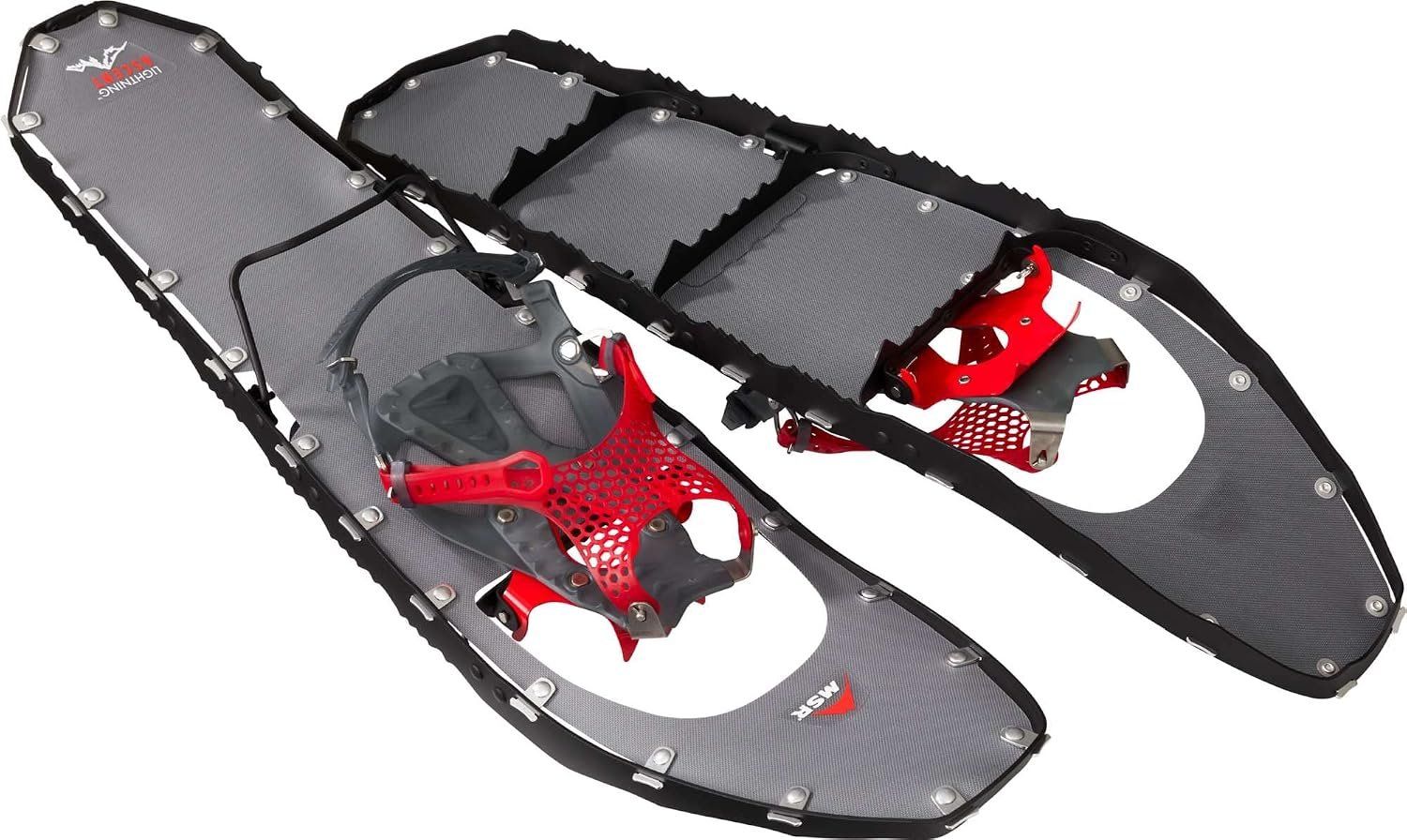 | 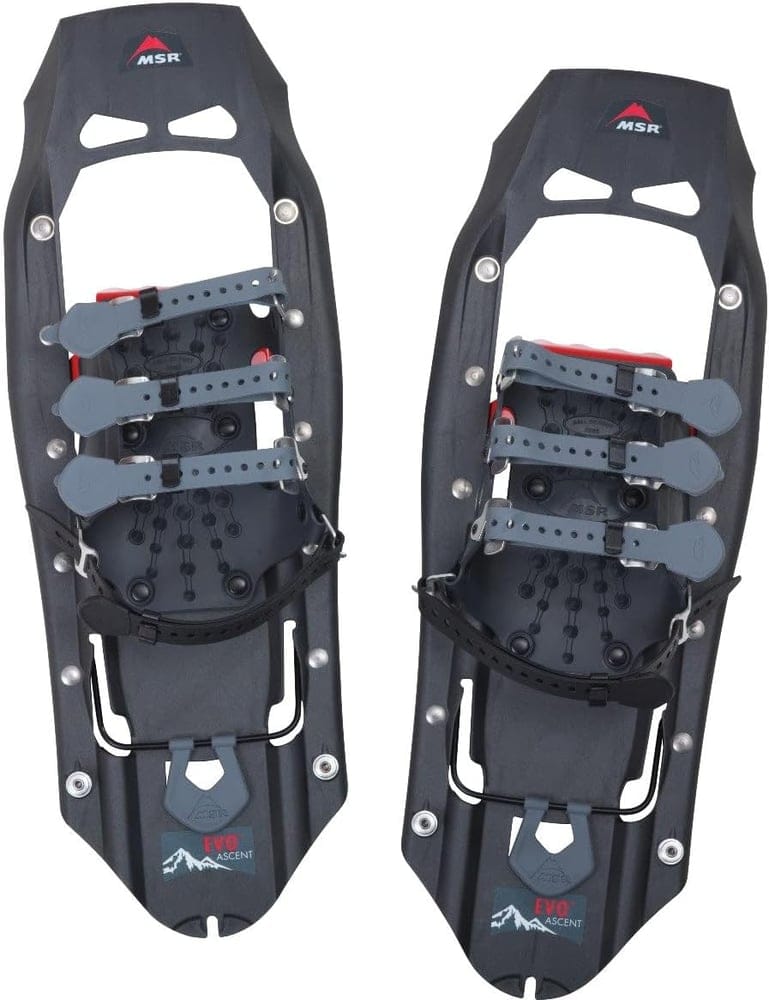 VS | |
| Max Load | 22 in: Up to 180 lb | Without tails: Up to 180 lb |
| Dimensions | 22 in: 22 × 8 in | 22 × 8 in |
| Weight | 22 in: 4 lb 2 oz per pair | 3 lb 15 oz per pair |
| Binding Type | Paragon | TriFit |
| Crampon Count | Not specified | Not specified |
| Heel Lift | Yes (Ergo Televator) | Yes (Televator) |
| Warranty | 3 years limited | 3 years limited |
| Modular Tail Extension | 5 in | 6 in |
| Frame Material | 7075 T6 Aluminum | Plastic UniBody deck with steel traction rails |
| Bag Included | Not specified | Not specified |
| MSR Lightning Ascent | MSR Evo Ascent |
|---|---|
| |
| Max Load | |
22 in: Up to 180 lb | Without tails: Up to 180 lb |
| Dimensions | |
22 in: 22 × 8 in | 22 × 8 in |
| Weight | |
22 in: 4 lb 2 oz per pair | 3 lb 15 oz per pair |
| Binding Type | |
Paragon | TriFit |
| Crampon Count | |
Not specified | Not specified |
| Heel Lift | |
Yes (Ergo Televator) | Yes (Televator) |
| Warranty | |
3 years limited | 3 years limited |
| Modular Tail Extension | |
5 in | 6 in |
| Frame Material | |
7075 T6 Aluminum | Plastic UniBody deck with steel traction rails |
| Bag Included | |
Not specified | Not specified |
Traction
Lightning Ascent
Evo Ascent
Traction is the core reason to buy a snowshoe for icy, steep, or uneven ground, because it determines whether you climb confidently or slide backward. The Evo Ascent earned the stronger traction rating, with buyers praising its steel traction bars for gripping ice, uneven rock, and steep climbs, and describing the hold as secure and hard to slide out of. The Lightning Ascent is also strong, with its 360-degree cramp-on frame and steel teeth biting into icy snow and keeping you from sliding on downhill slopes. Its weak point is side grip, which some reviewers found poor on steep traverses and icy snow. For a buyer who mostly climbs steep terrain, the Evo Ascent is the safer choice, while the Lightning Ascent works well for downhill control and general icy trails if you rarely cross slopes.
Comfort
Lightning Ascent
Evo Ascent
Comfort matters because snowshoes are worn for hours, and pressure points or calf fatigue can end a trip early. The Lightning Ascent is the more comfortable option, with buyers repeatedly describing its Paragon bindings as comfortable without pressure points and noting that the Televator heel lift reduces stress on the calves and Achilles on long treks. The Evo Ascent also offers a Televator heel lift and heel ascender that ease calf strain on inclines, and its binding feels snug once you adapt. However, its shoes feel heavy and clunky at first, and several buyers reported soreness during the first few hikes. Buyers who want immediate comfort should choose the Lightning Ascent, while those willing to accept a short break-in period can still get a comfortable setup from the Evo Ascent.
Flotation
Lightning Ascent
Evo Ascent
Flotation determines whether you stay on top of powder or sink with every step, and it depends heavily on snow depth and body weight. Both snowshoes earned the same flotation rating, but they achieve it differently. The Lightning Ascent offers optional 5-inch modular tails, and buyers say its deck keeps them riding on top of deep, soft powder. The Evo Ascent extends its deck to about 28 inches with modular tails, giving more float in heavy, deep snow while keeping a smaller footprint on packed trails. Its base deck offers less float in shallow snow, so lighter hikers may sink without the tails. Heavier hikers and deep-powder users will get strong performance from either model with tails attached, so the decision here comes down to how you use the tails.
Ease Of Use
Lightning Ascent
Evo Ascent
Ease of use affects how often you will actually wear snowshoes, especially when you are putting them on with gloves at a trailhead. The Lightning Ascent was rated higher, with buyers finding the Paragon binding easy to put on and take off, the strap system simple to hook up, and the Televator and foot rail easy to operate on climbs. Some reviewers, however, found its attachment system less convenient than rival systems. The Evo Ascent is also easy to step into and release quickly, and its Televator engages with a glove-friendly pull tab. Its drawbacks include fiddly tail adjustments, pins that can be hard to pop in or remove, and setup times of 10 to 15 minutes for both shoes. For frequent, quick setups, the Lightning Ascent is the more convenient choice.
Durability
Lightning Ascent
Evo Ascent
Durability matters because snowshoes often take hits from rocks, sticks, and repeated trail use, and frame failures can end a trip. The Evo Ascent earned the stronger durability rating, with owners describing its rugged all-plastic UniBody deck as holding up well over hundreds of miles and many reporting years of trouble-free use. Some buyers noticed wear and bottom damage after heavy use, so regular inspection is worthwhile. The Lightning Ascent receives mixed feedback. Buyers describe its decking as tough and its build as solid, but some reviewers worry that sharp sticks can puncture the deck and that the material may not perform well in cold temperatures. Reports of frame damage under heavy hunting use also make it less dependable for rough, heavy-use conditions. If you expect punishing use, the Evo Ascent is the more reliable choice.
Stability
Lightning Ascent
Evo Ascent
Stability matters on slopes, sidehill traverses, and uneven snow, where a shifting binding or an incorrect angle can throw you off balance. The Evo Ascent earned the stronger stability rating, and buyers say it feels steady for most hikers when paired with trekking poles. Stability still depends on technique, so poles are recommended on steep or sidehill terrain. The Lightning Ascent received a lower stability rating because some users reported that its heels do not stay in place and must be re-hooked, and that its flexible bottom can prevent the snowshoe from sitting at the correct angle on traverses. If you often walk across slopes, the Evo Ascent is the more dependable option, and the Lightning Ascent should be tested on those conditions before purchase.
Trust & Transparency
- Data-driven rankings from real user reviews
- Affiliate partnerships don't influence our methodology
We may earn commission from links.
Conclusion & Final Verdict:
Choose the MSR Lightning Ascent if you want comfortable bindings, quick and glove-friendly setup, and strong grip for downhill and icy trail use, and you rarely cross steep sidehill slopes.
Choose the MSR Evo Ascent if you climb steep, icy, or off-trail terrain often, need a more stable and durable frame, and are willing to accept a short break-in period and slightly fussier setup.
Related Comparisons
MSR Evo AscentvsTubbs Mountaineer
The MSR Evo Ascent is the better choice for steep, icy, or off-trail climbs thanks to its steel traction bars and easier Televator heel lift, while the Tubbs Mountaineer suits buyers who want easier bindings, more comfort on long traverses, and a more stable heel. Pick the Evo Ascent for technical climbing and the Mountaineer for all-round trekking.
MSR Evo AscentvsTubbs Wilderness
The MSR Evo Ascent is the stronger choice for steep ice, off-trail climbs, and deep soft snow, thanks to steel traction bars and modular tails. The Tubbs Wilderness suits buyers who want the quickest, glove-friendly bindings and a lifetime warranty, and who mostly hike packed or firm snow.
MSR Lightning AscentvsL.L.Bean Women's Winter Walker
Choose the MSR Lightning Ascent for steep, icy terrain, extra float and comfortable bindings if you can accept weaker durability. Choose the L.L.Bean Women's Winter Walker for quick ratchet fastening, a sturdier-feeling build and easy everyday trail use.
MSR Lightning AscentvsMSR Lightning Explore
The Lightning Explore is the better all-round pick for most buyers, with stronger traction on icy and packed snow, a lighter build, and more durable reports. The Lightning Ascent suits deep powder and soft-snow float better, and it is the choice when flotation matters most.
MSR Lightning AscentvsMSR Revo Explore
The Lightning Ascent suits buyers who want aggressive grip on steep, icy downhills and a comfortable, easy-to-wear binding with heel lift. The Revo Explore is the better choice for icy hardpack, mixed terrain, and anyone who wants stronger durability and stability.
MSR Lightning AscentvsTSL Symbioz Hyperflex Elite
The MSR Lightning Ascent is the better pick for buyers who want comfortable bindings, strong flotation in powder, and a lighter, easier-to-use setup for mixed trekking. The TSL Symbioz Hyperflex Elite suits buyers focused on icy, steep slopes and a secure feel underfoot, and it is weaker in soft snow.