
MSR Evo Ascent vs Tubbs Wilderness
Why You Can Trust Us
- Side-by-side analysis based on real user feedback
- Unbiased comparisons, not influenced by partnerships
- Updated as new data becomes available
We may earn from affiliate links at no extra cost to you.
| Evo Ascent | Wilderness | |
|---|---|---|
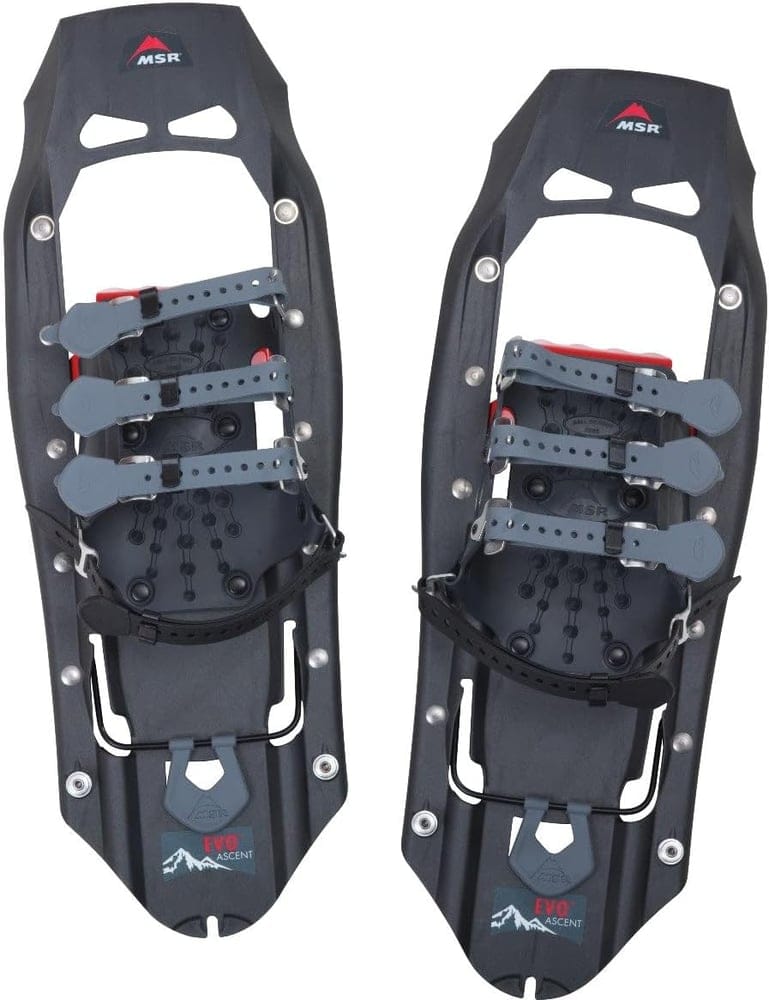 | 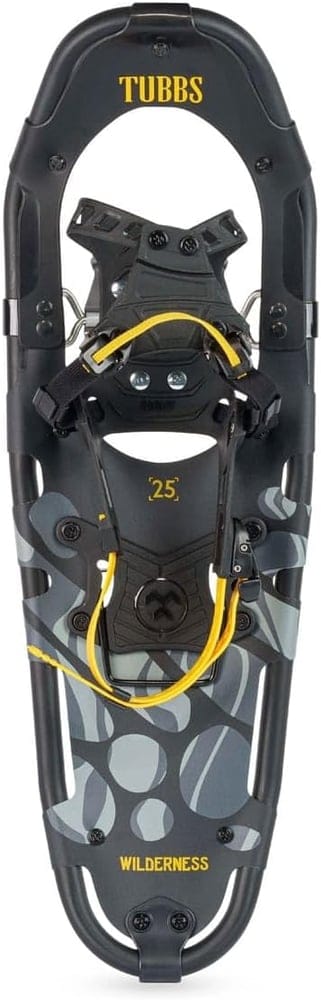 VS | |
| Max Load | Without tails: Up to 180 lb | 25 in: 120 - 200 lb |
| Dimensions | 22 × 8 in | 25 in, 30 in, 36 in lengths (30 in model is 9.5 in wide at the front) |
| Weight | 3 lb 15 oz per pair | 4 lb 15.4 oz per pair (30 in) |
| Binding Type | TriFit | Quick-Fit |
| Crampon Count | Not specified | 2 (Cobra toe, Tubbs heel) |
| Heel Lift | Yes (Televator) | Yes (ActiveLift, 16°) |
| Warranty | 3 years limited | Limited lifetime |
| Modular Tail Extension | 6 in | No |
| Frame Material | Plastic UniBody deck with steel traction rails | Aluminum |
| Bag Included | Not specified | No (optional add-on) |
| MSR Evo Ascent | Tubbs Wilderness |
|---|---|
| |
| Max Load | |
Without tails: Up to 180 lb | 25 in: 120 - 200 lb |
| Dimensions | |
22 × 8 in | 25 in, 30 in, 36 in lengths (30 in model is 9.5 in wide at the front) |
| Weight | |
3 lb 15 oz per pair | 4 lb 15.4 oz per pair (30 in) |
| Binding Type | |
TriFit | Quick-Fit |
| Crampon Count | |
Not specified | 2 (Cobra toe, Tubbs heel) |
| Heel Lift | |
Yes (Televator) | Yes (ActiveLift, 16°) |
| Warranty | |
3 years limited | Limited lifetime |
| Modular Tail Extension | |
6 in | No |
| Frame Material | |
Plastic UniBody deck with steel traction rails | Aluminum |
| Bag Included | |
Not specified | No (optional add-on) |
Traction
Evo Ascent
Wilderness
Traction matters most on this kind of snowshoe because the difference between a secure step and a slip often decides whether a steep or icy route feels manageable. The Evo Ascent scores clearly higher here, with buyers repeatedly describing its steel traction bars as digging into snow, grabbing ice, and holding on uneven rock where crampon-only grip can fall short. Owners say it feels more secure than crampons alone in high peaks and on steep hillsides, and many say it makes it hard for the foot to slide. The Wilderness also earns praise for its aggressive crampons, with buyers reporting good bite on hard crust and pure ice and no slipping on icy hills. Some note, however, that it trails the MSR on off-camber slopes. For buyers who regularly climb steep, icy, or rocky ground, the Evo Ascent is the safer pick, while the Wilderness is a solid choice for firm crust and mostly predictable slopes.
Comfort
Evo Ascent
Wilderness
Comfort affects how well a snowshoe holds up over a full day of walking, especially on long climbs where calves and ankles get tired. The Evo Ascent has a mixed record: its Televator heel lift and heel ascender are widely credited with easing calf strain on inclines, and buyers describe the binding as snug and comfortable once they adapt. Its heavy, clunky feel at first and muscle soreness during the early hikes are common complaints, so expect a break-in period. The Wilderness has limited comfort feedback, with some buyers calling it very comfortable and others reporting less satisfaction on long walks. Because the Evo Ascent has more consistent positive comfort feedback on inclines, it edges ahead here, but buyers planning extended treks should try either model on before committing.
Flotation
Evo Ascent
Wilderness
Flotation determines whether you stay on top of soft snow or sink with every step, which is why it matters most for deep powder and variable backcountry conditions. The Evo Ascent offers a modular float tail that extends the deck to about 28 inches, and buyers say this gives significantly more float in deep, heavy snow while keeping a smaller footprint on packed trails. Its 22-inch base deck, however, can feel minimal in shallow snow, and lighter hikers may sink without the tails attached. The Wilderness keeps most hikers from sinking in deep powder, but its float depends heavily on choosing the correct length, and it works best on level or packed snow. Buyers who expect deep, soft snow should consider the longer size, and the Evo Ascent is the better option for that use.
Ease Of Use
Evo Ascent
Wilderness
Ease of use shapes how often you will enjoy putting the snowshoes on and taking them off, especially with gloves or during rest stops. The Wilderness is the clear standout here, with buyers finding its bindings quick to step into, simple to cinch with heavy gloves, and easy to release with a button. Owners describe a freely rotating design that lets the shoe drop out of the way, and a wide-opening strap that makes foot entry simple. The Evo Ascent also gets good marks for quick binding release and a glove-friendly Televator pull tab, and many find it easier than pulling to engage the heel lift on hill climbs. However, buyers report that the tail adjustments can be fiddly, that pins can be hard to pop in and out, and that setup may take 10 to 15 minutes. For frequent on-and-off adjustments, the Wilderness is the more convenient choice.
Durability
Evo Ascent
Wilderness
Durability is important for snowshoes used across many seasons and rough trail conditions, where frames, decks, and straps take repeated stress. The Evo Ascent has a rugged all-plastic UniBody deck that owners say holds up well over hundreds of miles, with many reporting years of trouble-free use and some noting interchangeable straps as a safety feature if one fails. Some buyers have seen wear and bottom damage with heavy use on rough terrain, so regular inspection is worthwhile. The Wilderness V2 has a strong long-term record, with owners reporting three years without frame or deck problems and describing the build as well made. Several caution, though, that its very light construction could risk breakage over time. Both hold up well in reports, but the Evo Ascent edges ahead for rugged, long-running use.
Stability
Evo Ascent
Wilderness
Stability matters most on sidehill traverses and uneven snow, where a shifting foot can turn a comfortable hike into a slip. The Evo Ascent feels steady for most hikers, especially when paired with trekking poles, which buyers say help keep them balanced on slopes and uneven snow. Stability still depends on technique, so poles are recommended on steep or sidehill terrain. The Wilderness has split feedback: its swivel frame adjusts the shoe angle as you shift weight, which helps some hikers on slopes, while others feel less confident on uneven ground. Because the Evo Ascent receives steadier reports, it has a modest advantage, but buyers should test either model on the slopes they normally use.
Trust & Transparency
- Data-driven rankings from real user reviews
- Affiliate partnerships don't influence our methodology
We may earn commission from links.
Conclusion & Final Verdict:
Choose the MSR Evo Ascent if you hike steep, icy, or rocky routes, travel off-trail, or need added float for deep, soft snow. Its steel traction bars, modular tails, and rugged build make it the stronger all-round performer for demanding terrain, and it is the better value if you can accept a short break-in period.
Choose the Tubbs Wilderness if you value quick, glove-friendly bindings, lighter weight in a 30 inch size, and a limited lifetime warranty, and you mostly walk on firm crust or packed trails. Test it on the slopes you normally use, and pick the correct length for your expected snow depth.
Related Comparisons
L.L.Bean Women's Winter WalkervsTubbs Wilderness
The L.L.Bean Women's Winter Walker is the better pick for comfort, flotation and easy ratchet straps, while the Tubbs Wilderness grips icy and steep slopes better and has quick-cinch bindings. Choose the Winter Walker for mixed trail and deep snow, or the Wilderness for firm, icy terrain.
MSR Evo AscentvsMSR Lightning Explore
The MSR Evo Ascent is the better choice for steep, icy climbs and deep soft snow, thanks to its steel traction bars and longer modular tails. The MSR Lightning Explore suits buyers who put all-day comfort and quick, glove-friendly bindings first.
MSR Evo AscentvsMSR Revo Explore
The MSR Evo Ascent is the stronger choice for steep icy climbs and off-trail routes thanks to its steel traction bars and Televator, while the MSR Revo Explore suits buyers who want easier gloved binding use and a more comfortable stride on long uphill treks. Pick the Evo Ascent for aggressive grip and the Revo Explore for quicker everyday setup.
MSR Evo AscentvsTSL Symbioz Hyperflex Elite
The MSR Evo Ascent suits buyers who want aggressive steep-terrain grip and a modular tail for deep powder, while the TSL Symbioz Hyperflex Elite suits those who value a natural stride, comfortable uphill heel lifts, and strong crampon bite but mostly stay on packed or firm snow.
MSR Evo AscentvsTubbs Flex ALP
The MSR Evo Ascent suits steep, icy, and off-trail climbs where steel bars and the Televator matter most, while the Tubbs Flex ALP suits downhill-heavy trips where its flexing frame and aggressive toe crampon are the priorities. Choose the Evo Ascent for deeper powder and a heel lift that is easier to engage, and the Flex ALP for comfort on long descents.
MSR Evo AscentvsTubbs Frontier
The MSR Evo Ascent suits steep climbs, icy slopes, and off-trail routes thanks to its steel traction bars and easy-to-engage Televator. The Tubbs Frontier is the easier pick for beginners and deep-snow flotation, with quick bindings and simple straps.