
MSR Evo Ascent vs Tubbs Flex ALP
Why You Can Trust Us
- Side-by-side analysis based on real user feedback
- Unbiased comparisons, not influenced by partnerships
- Updated as new data becomes available
We may earn from affiliate links at no extra cost to you.
| Evo Ascent | Flex ALP | |
|---|---|---|
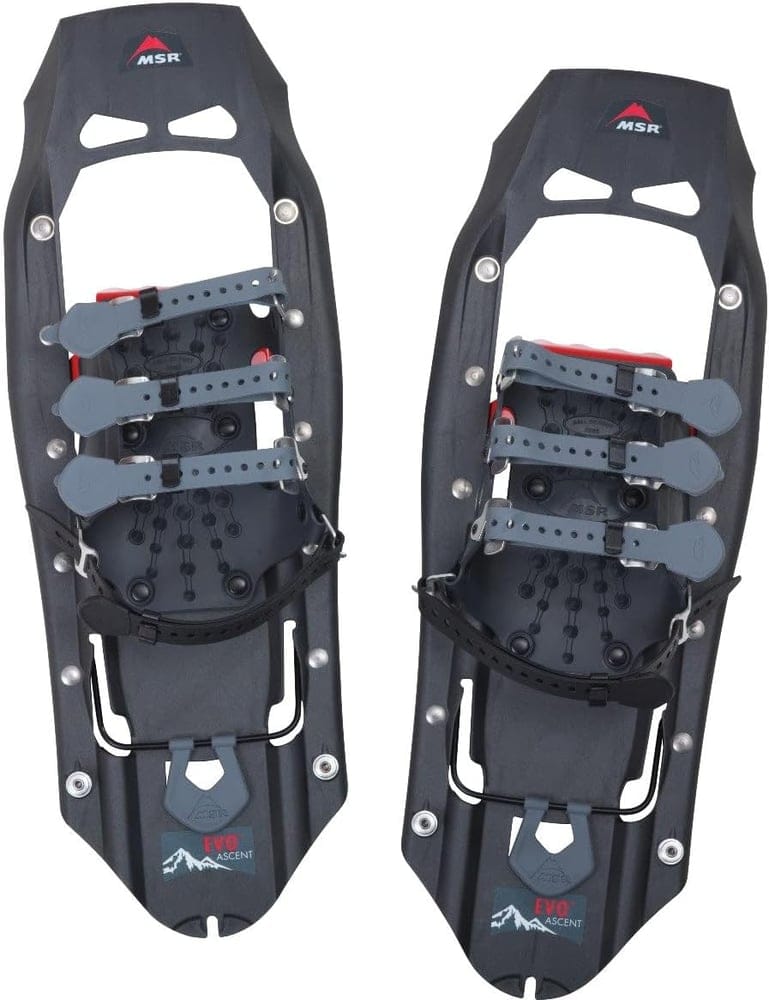 | 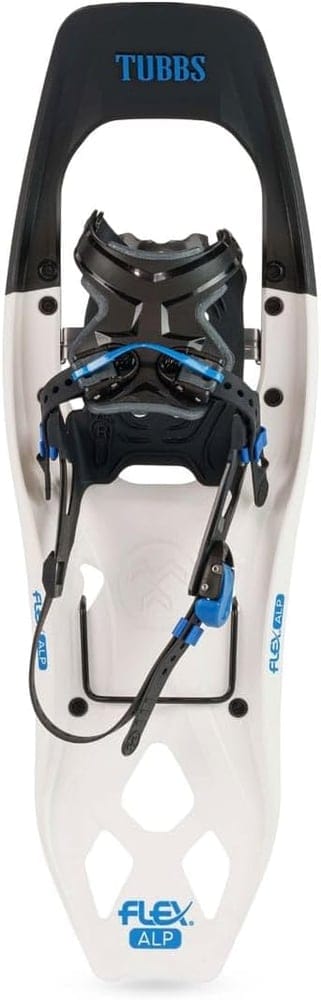 VS | |
| Max Load | Without tails: Up to 180 lb | 21 in: 80 - 160 lb |
| Dimensions | 22 × 8 in | 25 in, 29 in lengths (width not listed) |
| Weight | 3 lb 15 oz per pair | 4 lb 6 oz per pair (men's, claimed) |
| Binding Type | TriFit | ActiveFit 2.0 |
| Crampon Count | Not specified | 1 (Viper 2.0 toe) + traction rails and tail pins |
| Heel Lift | Yes (Televator) | Yes (ActiveLift, 19°) |
| Warranty | 3 years limited | 3 years limited |
| Modular Tail Extension | 6 in | No |
| Frame Material | Plastic UniBody deck with steel traction rails | Flex Deck molded deck with traction rails |
| Bag Included | Not specified | No (optional add-on) |
| MSR Evo Ascent | Tubbs Flex ALP |
|---|---|
| |
| Max Load | |
Without tails: Up to 180 lb | 21 in: 80 - 160 lb |
| Dimensions | |
22 × 8 in | 25 in, 29 in lengths (width not listed) |
| Weight | |
3 lb 15 oz per pair | 4 lb 6 oz per pair (men's, claimed) |
| Binding Type | |
TriFit | ActiveFit 2.0 |
| Crampon Count | |
Not specified | 1 (Viper 2.0 toe) + traction rails and tail pins |
| Heel Lift | |
Yes (Televator) | Yes (ActiveLift, 19°) |
| Warranty | |
3 years limited | 3 years limited |
| Modular Tail Extension | |
6 in | No |
| Frame Material | |
Plastic UniBody deck with steel traction rails | Flex Deck molded deck with traction rails |
| Bag Included | |
Not specified | No (optional add-on) |
Traction
Evo Ascent
Flex ALP
Traction is the main reason most people buy snowshoes for steep or icy ground, so it carries the most weight in this comparison. The Evo Ascent relies on steel traction bars and brake bars that bite into ice and uneven rock, and buyers describe it as digging in, grabbing ice, and holding well on steep hills, with some noting it outperforms crampon-only grip on high peaks. The Flex ALP uses an aggressive Viper 2.0 toe crampon, smaller heel crampons, tail studs, and underfoot plastic traction rails, and buyers repeatedly say it grips steep and vertical terrain without slipping. Both earn very similar ratings, and buyers consistently praise each for secure footing, so neither has a meaningful edge here. For a buyer, the practical choice is about feel: the Evo Ascent's metal bite suits rough, rocky, or firm-icy off-trail routes, while the Flex ALP's crampon setup suits technical winter slopes and hard-packed snow. Either will serve well for steep climbs, so traction alone should not decide the purchase.
Comfort
Evo Ascent
Flex ALP
Comfort matters because long days on snowshoes can strain calves, knees, and joints, especially on climbs and descents. The Evo Ascent's Televator heel lift and heel ascender reduce calf strain on inclines, and buyers describe the binding as snug and comfortable once adapted. However, many owners report the shoes feel heavy and clunky at first, with soreness during the first few hikes, so a break-in period is expected. The Flex ALP's flexing frame and softer heel absorb impact on descents, and buyers say this reduces fatigue in knees, joints, and calves over long treks, while the heel lift also eases calf fatigue. Its smooth, flexing stride is consistently described as comfortable for extended outings. Because the Flex ALP earns the higher comfort rating and its benefits show up in descents and long days, it is the stronger choice for comfort-focused hikers. The Evo Ascent is still good for climbs, but expect more adjustment time before it feels natural.
Flotation
Evo Ascent
Flex ALP
Flotation determines how much you sink in soft or deep snow, which matters most for heavier hikers and anyone carrying a pack through powder. The Evo Ascent's modular float tails extend the deck to about 28 inches, and buyers say the extensions give significantly more flotation in deep, fluffy snow and help heavier users. Without the tails, the base 22-inch deck offers less float in shallow snow, so lighter hikers may sink, and a few buyers note it still sinks noticeably in very soft snow. The Flex ALP offers some float in soft snow, but buyers consistently describe it as modest, and several say it struggles for heavier wearers carrying a pack in deep powder. It is also not designed for long, flat walks, so flatter terrain is better served by a bigger deck. For a buyer who regularly breaks trail in deep snow, the Evo Ascent is clearly the better option, while the Flex ALP fits better on firmer, steeper terrain where flotation is less critical.
Ease Of Use
Evo Ascent
Flex ALP
Ease of use affects how quickly you can get geared up in cold weather, especially when wearing gloves. The Evo Ascent is praised for easy step-in and quick release, and buyers say the Televator is easier to engage than pulling and works well with gloves on. Some owners find the tail adjustments fiddly, report pins that are hard to pop in or remove, and mention that setup can take ten to fifteen minutes for both shoes. The Flex ALP uses a cinch strap, ratcheting heel strap, and orange-tab quick release that buyers say make adjustments easy, even with gloves on. Its drawbacks are a weight that some find cumbersome on the feet and a design that does not pack down flat, which makes transport less convenient. Both products receive the same rating, and their strengths lie in different areas: the Evo Ascent excels at quick binding entry and the Televator, while the Flex ALP is simpler to adjust and lighter to carry. Buyers who value quick binding release may prefer the MSR, while those who want simple strap adjustments may like the Tubbs.
Durability
Evo Ascent
Flex ALP
Durability matters because snowshoes take hard knocks on rocks, ice, and repeated flexing, and failed hardware can end a trip. The Evo Ascent's rugged all-plastic UniBody deck is described by owners as very durable, with many reporting years of trouble-free use and hundreds of miles without breakage. Some users have noticed wear and bottom damage after heavy use, so regular inspection is wise on rough terrain. The Flex ALP is often described as solid and bomb-proof, and one buyer completed all 67 New England 4000-footers with it, but several users report straps with snaps failing within a few hikes and a rivet loosening under repeated flexing. Because the Evo Ascent's durability ratings are stronger and its reported issues are less about hardware failure, it has the edge for buyers who want a long-lasting frame. The Flex ALP remains a dependable choice, but buyers should check straps and rivets regularly.
Stability
Evo Ascent
Flex ALP
Stability affects how secure you feel on slopes, sidehills, and uneven snow, which is especially important when carrying a pack. The Evo Ascent receives a moderate stability rating, with buyers noting that trekking poles help keep them balanced and that the shoes feel steady for most hikers when paired with a pole. Stability depends on technique, so using poles is recommended on steep or sidehill terrain. The Flex ALP's stability rating is lower because buyer feedback does not give enough detail to call it a standout benefit or a drawback. Since the Evo Ascent has more supporting feedback and a higher rating, it is the safer bet for buyers who want clearer evidence of steadiness. Both products will benefit from poles, but the Evo Ascent offers more confidence on uneven or sloped ground.
Trust & Transparency
- Data-driven rankings from real user reviews
- Affiliate partnerships don't influence our methodology
We may earn commission from links.
Conclusion & Final Verdict:
Choose the MSR Evo Ascent if you break trail in deep, soft snow, climb steep or rocky off-trail routes, or want a lighter pair with a modular tail extension and strong durability ratings. Expect a short break-in period and some setup time with the tails.
Choose the Tubbs Flex ALP if your priority is comfort on long descents, you want a simple strap system that is easy to adjust with gloves, and your snow conditions are firmer or steeper. Heavier hikers with packs in deep powder should look elsewhere in the lineup, and you should check straps and rivets regularly.
Related Comparisons
MSR Evo AscentvsL.L.Bean Women's Winter Walker
Choose the MSR Evo Ascent if steep, icy, or off-trail climbing is your priority, since its steel bars and Televator grip hard and ease hill climbs. Choose the L.L.Bean Women's Winter Walker if you want quicker, easier strap changes and a comfortable, natural fit for mostly trail and deep-snow walking.
MSR Evo AscentvsMSR Lightning Explore
The MSR Evo Ascent is the better choice for steep, icy climbs and deep soft snow, thanks to its steel traction bars and longer modular tails. The MSR Lightning Explore suits buyers who put all-day comfort and quick, glove-friendly bindings first.
MSR Evo AscentvsMSR Revo Explore
The MSR Evo Ascent is the stronger choice for steep icy climbs and off-trail routes thanks to its steel traction bars and Televator, while the MSR Revo Explore suits buyers who want easier gloved binding use and a more comfortable stride on long uphill treks. Pick the Evo Ascent for aggressive grip and the Revo Explore for quicker everyday setup.
MSR Evo AscentvsTSL Symbioz Hyperflex Elite
The MSR Evo Ascent suits buyers who want aggressive steep-terrain grip and a modular tail for deep powder, while the TSL Symbioz Hyperflex Elite suits those who value a natural stride, comfortable uphill heel lifts, and strong crampon bite but mostly stay on packed or firm snow.
MSR Evo AscentvsTubbs Frontier
The MSR Evo Ascent suits steep climbs, icy slopes, and off-trail routes thanks to its steel traction bars and easy-to-engage Televator. The Tubbs Frontier is the easier pick for beginners and deep-snow flotation, with quick bindings and simple straps.
MSR Evo AscentvsTubbs Mountaineer
The MSR Evo Ascent is the better choice for steep, icy, or off-trail climbs thanks to its steel traction bars and easier Televator heel lift, while the Tubbs Mountaineer suits buyers who want easier bindings, more comfort on long traverses, and a more stable heel. Pick the Evo Ascent for technical climbing and the Mountaineer for all-round trekking.