
MSR Evo Ascent vs MSR Lightning Explore
Why You Can Trust Us
- Side-by-side analysis based on real user feedback
- Unbiased comparisons, not influenced by partnerships
- Updated as new data becomes available
We may earn from affiliate links at no extra cost to you.
| Evo Ascent | Lightning Explore | |
|---|---|---|
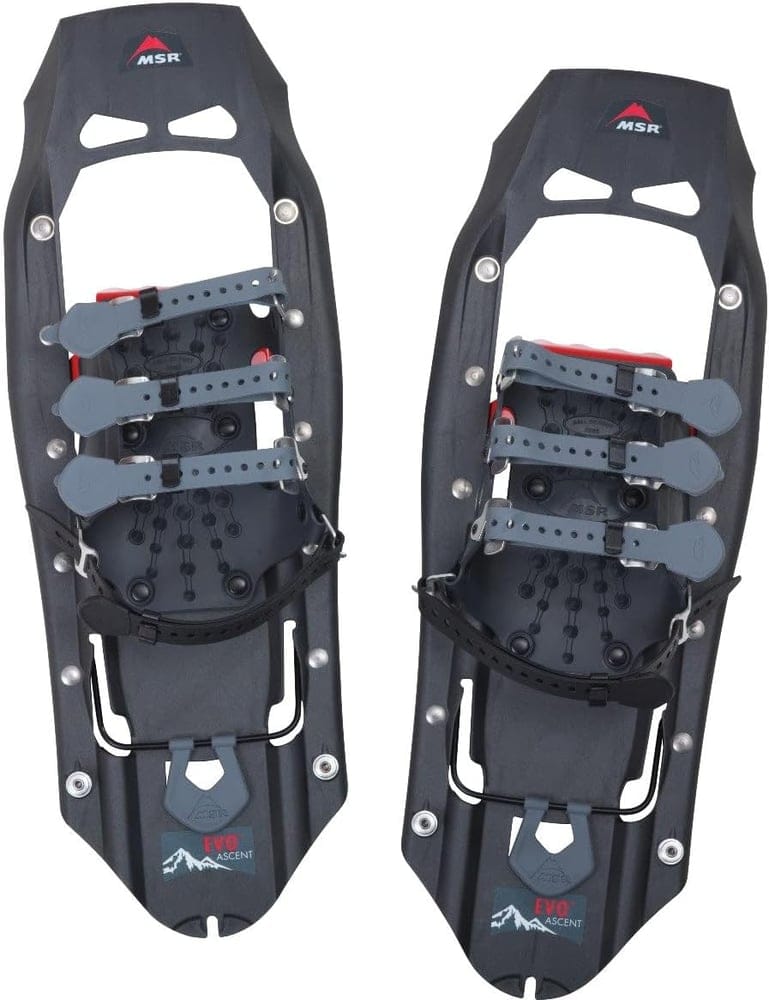 | 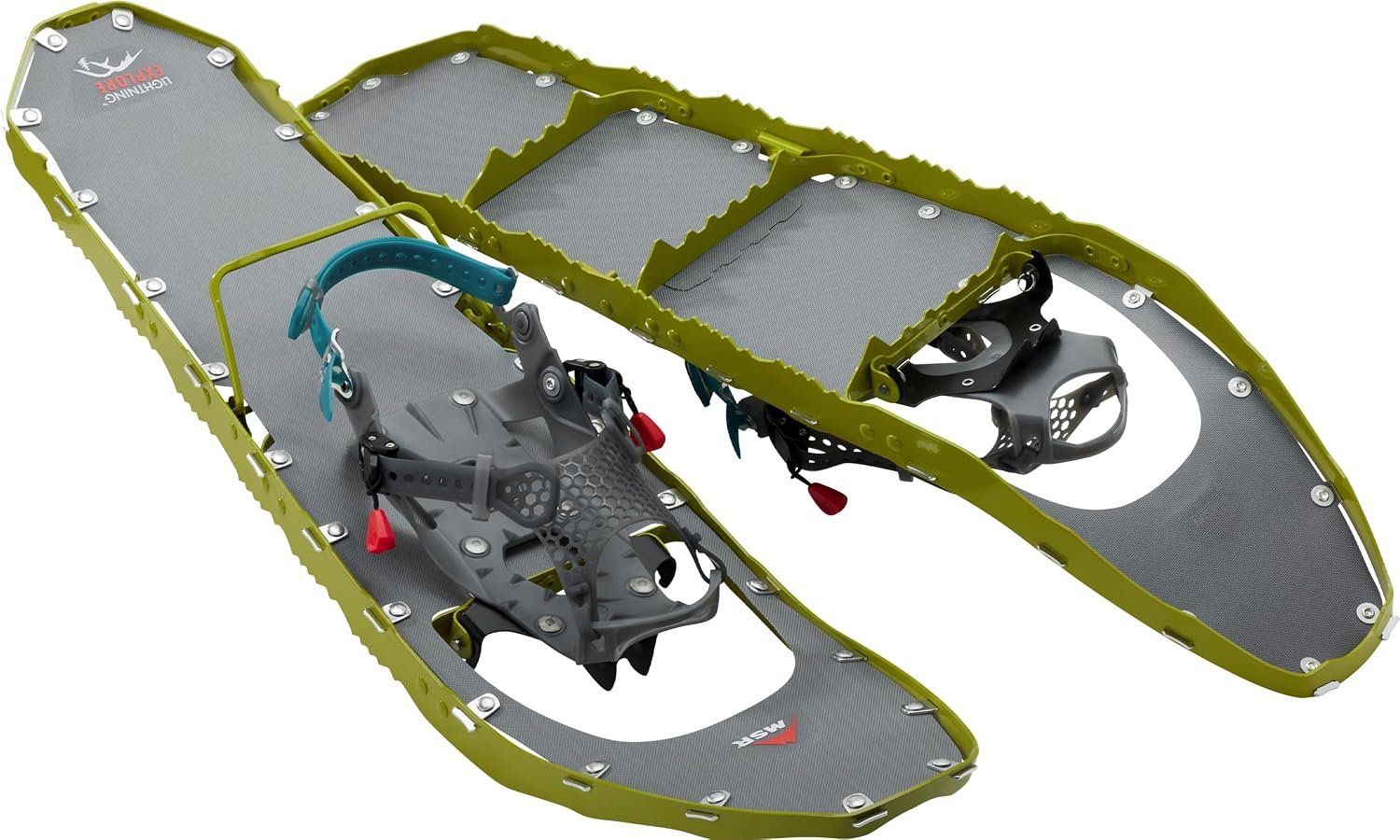 VS | |
| Max Load | Without tails: Up to 180 lb | 22 in: Up to 180 lb |
| Dimensions | 22 × 8 in | 22 in: 22 × 8 in |
| Weight | 3 lb 15 oz per pair | 22 in: 3 lb 9 oz per pair |
| Binding Type | TriFit | Paradigm |
| Crampon Count | Not specified | Not specified |
| Heel Lift | Yes (Televator) | Yes (Ergo Televator) |
| Warranty | 3 years limited | 3 years limited |
| Modular Tail Extension | 6 in | 5 in (sold separately) |
| Frame Material | Plastic UniBody deck with steel traction rails | 7075 T6 aluminum frame, TPU-coated nylon deck |
| Bag Included | Not specified | No |
| MSR Evo Ascent | MSR Lightning Explore |
|---|---|
| |
| Max Load | |
Without tails: Up to 180 lb | 22 in: Up to 180 lb |
| Dimensions | |
22 × 8 in | 22 in: 22 × 8 in |
| Weight | |
3 lb 15 oz per pair | 22 in: 3 lb 9 oz per pair |
| Binding Type | |
TriFit | Paradigm |
| Crampon Count | |
Not specified | Not specified |
| Heel Lift | |
Yes (Televator) | Yes (Ergo Televator) |
| Warranty | |
3 years limited | 3 years limited |
| Modular Tail Extension | |
6 in | 5 in (sold separately) |
| Frame Material | |
Plastic UniBody deck with steel traction rails | 7075 T6 aluminum frame, TPU-coated nylon deck |
| Bag Included | |
Not specified | No |
Traction
Evo Ascent
Lightning Explore
Traction is the main reason most buyers reach for a snowshoe, because it determines whether you can climb icy slopes and cross rock or hard-packed snow without sliding. The Evo Ascent earns a higher score here, with reviewers repeatedly praising its steel traction rails and brake bars for gripping ice, uneven rock, and steep off-trail climbs. Owners describe it as digging in rather than slipping, and several say it outperforms crampon-only grip on high peaks. The Lightning Explore is also a strong performer, with aggressive perimeter teeth, 360-degree grip, step bars, and a heel lift that buyers credit on ice, packed snow, and brushy ground. Its traction is praised as reliable across snow depths, though it earns fewer endorsements than the Evo Ascent and a few note the kickstand looks less substantial. For buyers who spend most of their time on steep, icy, or technical ground, the Evo Ascent is the safer pick, while the Lightning Explore still delivers dependable grip for mixed terrain.
Comfort
Evo Ascent
Lightning Explore
Comfort matters because a snowshoe worn for hours on a long day can make or break the outing, especially in how the binding holds the boot and how the stride feels. The Lightning Explore scores higher, with buyers describing an adjustable binding that cradles the foot without pressure points and rotates freely so the stride stays natural over long days. Its lighter weight compared with the Evo Ascent is also noted as a comfort advantage. The Evo Ascent is comfortable once adapted, with its Televator heel lift and heel ascender easing calf strain on climbs and its binding feeling snug. However, many owners report that the shoes feel heavy and clunky at first, and the first few hikes can bring soreness, so a break-in period is expected. For buyers who want a comfortable, low-fatigue setup from the first trip, the Lightning Explore is the better fit, while those willing to break in the Evo Ascent will find its calf-saving features valuable on steep ground.
Flotation
Evo Ascent
Lightning Explore
Flotation determines how far you sink in powder, which matters most for heavier hikers and for soft, deep snow. The Evo Ascent comes out ahead because its modular float tails extend the deck to about 28 inches, which reviewers say gives significantly more float in deep, heavy powder. Its 22-inch base deck is suited to heavier fluffy snow, though lighter hikers or those on shallow snow may find it sinks without the tails. The Lightning Explore also offers good float through its TPU nylon decking and modular tails, and buyers say it keeps them well above the snow, with some reporting they sink only about six inches at most. Its 30-inch model is rated for heavier loads, but a few buyers felt the shorter sizes offer less float in deep snow. For heavy hikers or anyone regularly breaking trail through deep powder, the Evo Ascent's longer tail gives it the edge, while the Lightning Explore works well for most conditions if you choose the right length.
Ease Of Use
Evo Ascent
Lightning Explore
Ease of use covers how quickly you can get the snowshoes on and off, how the bindings release, and how simple the adjustments are in cold weather with gloves. The Lightning Explore wins this category, with buyers praising its Paradigm and Paragon-style bindings for snapping in fast, easy quick release, and a step bar that flips up and stays latched on climbs. Glove-friendly ratchets and a longer strap that accommodates larger boots add to its convenience, though a few buyers found the straps short for big boots. The Evo Ascent is also easy to step into and release, and its Televator is praised for engaging more easily than pulling and for making hill climbs simpler. Some owners, however, find the tail adjustments fiddly, the pins hard to pop in or remove, and setup can take 10 to 15 minutes. For buyers who want the fastest gearing-up experience, the Lightning Explore is the more convenient choice, while the Evo Ascent is manageable with a little practice.
Durability
Evo Ascent
Lightning Explore
Durability matters because snowshoes are often bumped against rock, dragged through brush, and used for many seasons. The Evo Ascent's rugged all-plastic UniBody deck and steel traction rails have held up well for many owners, with some reporting years of trouble-free use and no issues after several hundred miles. Some users have noticed wear and bottom damage after heavy use on rough terrain, so regular inspection is a good idea. The Lightning Explore is also praised for holding up over rugged use and several years of regular trips, with one owner reporting about four years of good service. Its main concern is the kickstand, which some describe as looking flimsy, although no breakage has been reported. Both products appear durable, but the Evo Ascent gets a slight edge for its rugged construction and strong long-term reports.
Stability
Evo Ascent
Lightning Explore
Stability affects how balanced you feel on side slopes, uneven snow, and steep descents, especially when carrying a pack. The Evo Ascent edges ahead here, though buyer feedback is limited and most comments point to trekking poles helping with balance. Reviewers say the shoes feel steady for most hikers when used with poles, and that stability depends largely on technique. The Lightning Explore received less detailed feedback on stability, so its rating reflects a lack of clear buyer commentary rather than a notable strength or weakness. Because the evidence is thin on both sides, buyers should treat this category as a small factor and plan to use poles on steep or sidehill terrain with either product.
Trust & Transparency
- Data-driven rankings from real user reviews
- Affiliate partnerships don't influence our methodology
We may earn commission from links.
Conclusion & Final Verdict:
Choose the MSR Evo Ascent if you hike steep, icy, or off-trail terrain, carry a heavier load, or regularly break trail through deep powder. Its steel traction rails, Televator, and longer modular tails give it the edge in grip and float, and you should expect a short break-in period.
Choose the MSR Lightning Explore if you want the most comfortable, easiest-to-use setup from the first outing. Its natural-stride binding, quick-on quick-off design, and lighter weight make it a strong all-day option, provided you check boot fit and size carefully.
Related Comparisons
MSR Evo AscentvsTubbs Flex ALP
The MSR Evo Ascent suits steep, icy, and off-trail climbs where steel bars and the Televator matter most, while the Tubbs Flex ALP suits downhill-heavy trips where its flexing frame and aggressive toe crampon are the priorities. Choose the Evo Ascent for deeper powder and a heel lift that is easier to engage, and the Flex ALP for comfort on long descents.
MSR Evo AscentvsTubbs Frontier
The MSR Evo Ascent suits steep climbs, icy slopes, and off-trail routes thanks to its steel traction bars and easy-to-engage Televator. The Tubbs Frontier is the easier pick for beginners and deep-snow flotation, with quick bindings and simple straps.
MSR Evo AscentvsTubbs Mountaineer
The MSR Evo Ascent is the better choice for steep, icy, or off-trail climbs thanks to its steel traction bars and easier Televator heel lift, while the Tubbs Mountaineer suits buyers who want easier bindings, more comfort on long traverses, and a more stable heel. Pick the Evo Ascent for technical climbing and the Mountaineer for all-round trekking.
MSR Evo AscentvsTubbs Wilderness
The MSR Evo Ascent is the stronger choice for steep ice, off-trail climbs, and deep soft snow, thanks to steel traction bars and modular tails. The Tubbs Wilderness suits buyers who want the quickest, glove-friendly bindings and a lifetime warranty, and who mostly hike packed or firm snow.
MSR Evo TrailvsMSR Evo Ascent
The Evo Ascent is the stronger pick for steep climbs, icy slopes, and heel-lift comfort, with better traction, a Televator, and higher durability scores. The Evo Trail suits flatter trail hiking and buyers who want a lighter pair with simple, quick-release bindings.
MSR Evo TrailvsMSR Lightning Explore
The Lightning Explore is the stronger all-round pick for grip, comfort, a heel lift, and easier bindings on icy and steep snow. The Evo Trail suits buyers who prioritize deep-powder flotation from its modular tails and a steel-built frame.