
Tubbs Mountaineer vs Tubbs Frontier
Why You Can Trust Us
- Side-by-side analysis based on real user feedback
- Unbiased comparisons, not influenced by partnerships
- Updated as new data becomes available
We may earn from affiliate links at no extra cost to you.
| Mountaineer | Frontier | |
|---|---|---|
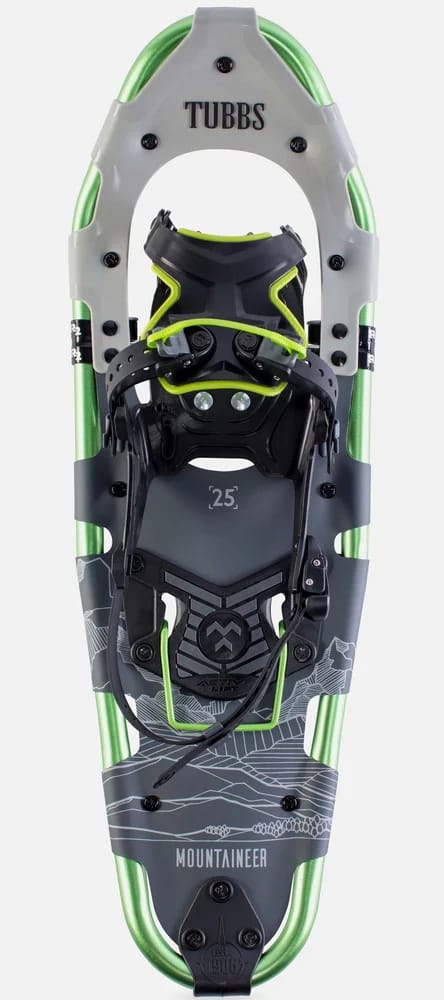 | 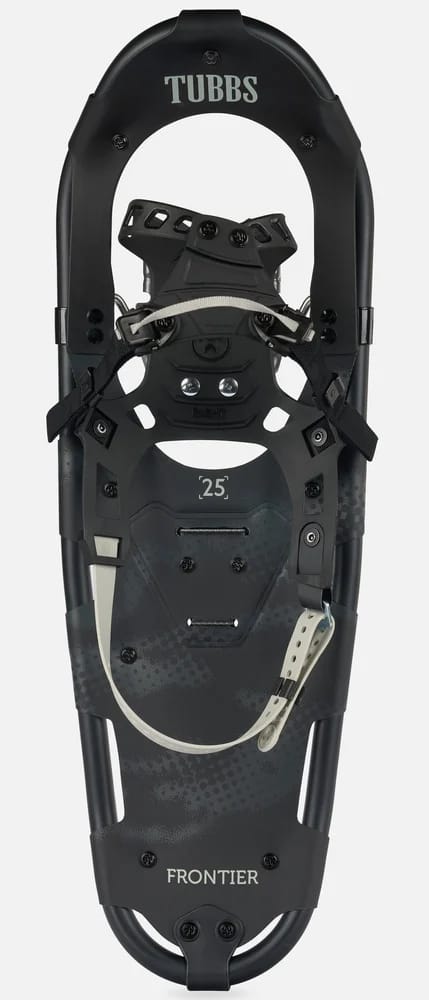 VS | |
| Max Load | 25 in: 120 - 200 lb | 30 in: 170 - 250 lb | 36 in: 220 - 300 lb | 25 in: 120 - 200 lb |
| Dimensions | 25 in, 30 in, 36 in lengths (width not listed) | 25 in, 30 in, 36 in lengths (width not listed) |
| Weight | 4 lb 14 oz per pair (25 in) | 3 lb 14.4 oz per pair (25 in) |
| Binding Type | ActiveFit 2.0 | 180 EZ |
| Crampon Count | 2 (Anaconda toe, Python heel) | 2 (recreational toe and heel) |
| Heel Lift | Yes (ActiveLift, 19°) | No |
| Warranty | Limited lifetime | 1 year limited |
| Modular Tail Extension | No | No |
| Frame Material | Aluminum Pro-Step frame, Soft-Tec decking | Aluminum |
| Bag Included | No (optional add-on) | No (optional add-on) |
| Tubbs Mountaineer | Tubbs Frontier |
|---|---|
| |
| Max Load | |
25 in: 120 - 200 lb | 30 in: 170 - 250 lb | 36 in: 220 - 300 lb | 25 in: 120 - 200 lb |
| Dimensions | |
25 in, 30 in, 36 in lengths (width not listed) | 25 in, 30 in, 36 in lengths (width not listed) |
| Weight | |
4 lb 14 oz per pair (25 in) | 3 lb 14.4 oz per pair (25 in) |
| Binding Type | |
ActiveFit 2.0 | 180 EZ |
| Crampon Count | |
2 (Anaconda toe, Python heel) | 2 (recreational toe and heel) |
| Heel Lift | |
Yes (ActiveLift, 19°) | No |
| Warranty | |
Limited lifetime | 1 year limited |
| Modular Tail Extension | |
No | No |
| Frame Material | |
Aluminum Pro-Step frame, Soft-Tec decking | Aluminum |
| Bag Included | |
No (optional add-on) | No (optional add-on) |
Traction
Mountaineer
Frontier
Traction matters because a snowshoe is only as useful as its grip on slopes, ice, and packed snow, and this is where a bad pair can cause slips on the way up or down. The Mountaineer earns the stronger traction rating, with buyers repeatedly praising its Anaconda toe crampon and Python heel crampon for biting into icy, steep, and frozen terrain. Reviewers describe the claw as aggressive on both climbs and descents, and mention angled cleat teeth that stop sliding back down a hill, spikes that grip well on frozen lakes and rivers, and a televator lift that improves the uphill angle. The Frontier also earns good marks, with buyers saying its ice cleats and angled underside grip keep them from sliding backward and work well on hills, though the feedback base is smaller and centers on a narrower set of features. For a buyer who regularly tackles steep, icy ground, the Mountaineer is the clearer choice, while the Frontier is adequate for moderate hills and more forgiving routes.
Comfort
Mountaineer
Frontier
Comfort affects how a snowshoe feels over a full day of walking, especially on long uphill climbs and traverses where calf and Achilles strain builds up. The Mountaineer leads here with a 19-degree active heel lift and ActiveFit 2.0 binding that reviewers credit with reducing calf fatigue, taking pressure off the shins, and avoiding the awkward penguin-like stance some snowshoes create. Most buyers describe the overall experience as very comfortable, though a few minor complaints mean fit still varies with boot and wearer. The Frontier's comfort rating is lower, and the available feedback is thin, with the main positive note being that the shoes do not feel heavy on the feet. That encouraging remark is not enough to call it a standout, so buyers who plan long trips should test the fit before committing. If comfort on extended outings is a priority, the Mountaineer is the safer bet.
Flotation
Mountaineer
Frontier
Flotation determines whether you walk on top of deep, soft snow or sink in with every step, which is central to any snowshoe in powder country. The Frontier earns the slightly higher flotation rating, with buyers reporting that its shoe size keeps them sinking only about 6 to 7 inches in two feet of snow while boots sink past the knee, and describing the feel as literally floating on the snow. The Mountaineer also performs well, with its longer, lower frame and Soft-Tec decking helping users ride on top of soft powder, though its flotation feedback comes from a smaller number of reviews. The gap between the two is modest, and both are capable in deep snow. Buyers who mainly walk through powder and want the most reassurance on flotation alone may lean toward the Frontier, while those who value flotation alongside steep-terrain traction will likely prefer the Mountaineer.
Ease Of Use
Mountaineer
Frontier
Ease of use matters most when you are putting snowshoes on in cold weather, often with gloves, and adjusting straps on the trail. Both products earn strong ratings here, and buyers highlight different features that make them simple. The Mountaineer's wide-opening binding, automatic ratcheting strap, quick-release strap holders, and single-handed heel buckle are praised for easy entry and removal even with gloves on. The Frontier's front piece and pull cords work without removing gloves, its control wing binding makes boot entry easier, and buyers appreciate that it has no right or left designation, adjustable straps, and a carry bag that fits the snowshoes. One note for the Mountaineer is that fit can vary with boot and body, so trying them on is worthwhile. Because both are rated highly and offer quick entry, this category is effectively a tie, with the choice coming down to whether you prefer the Mountaineer's binding style or the Frontier's pull-cord system.
Durability
Mountaineer
Frontier
Durability is important because snowshoes often take rough handling from rocks, roots, ice, and years of storage. The Mountaineer earns a clear lead, with buyers describing its tubular steel frame and stainless steel claw as rugged and long-lasting, and some reporting solid performance after a year and a half of rough use. A small number of reviewers did raise durability concerns, so checking feedback on long-term wear in harsh conditions is sensible. The Frontier's rating is neutral, with mixed feedback that praises its rugged appearance and aluminum frame with synthetic material while also including some critical comments. For buyers who expect hard use or plan to keep their snowshoes for many seasons, the Mountaineer offers more reassurance, especially alongside its limited lifetime warranty.
Stability
Mountaineer
Frontier
Stability describes how well a snowshoe keeps your foot balanced and steady on uneven or sloped snow, which affects confidence on side hills and in tracks. Both products earn identical ratings, so neither has a clear edge. The Mountaineer's Wing technology and binding design hold the heel firmly in place, which reduces the need to readjust during a hike. The Frontier is praised for helping a packed trail, where the toboggan follows without tipping or leaning. The stability feedback for both is positive but based on a modest number of reviews, so neither should be considered universally superior. Buyers who prioritize a secure heel for uneven ground may favor the Mountaineer, while those who mostly follow packed trails will find the Frontier perfectly sufficient.
Trust & Transparency
- Data-driven rankings from real user reviews
- Affiliate partnerships don't influence our methodology
We may earn commission from links.
Conclusion & Final Verdict:
Choose the Tubbs Mountaineer if you tackle steep hills, icy lakes, or long uphill routes and want strong traction, heel lift for comfort, a more durable frame, and a limited lifetime warranty. It is the stronger all-around performer for demanding winter hiking.
Choose the Tubbs Frontier if you are newer to snowshoeing, mostly walk on deep powder or moderate terrain, and want a lighter pair with easy entry and reliable flotation. Try on both before buying, since fit and comfort vary by boot and body.
Related Comparisons
TSL Symbioz Hyperflex ElitevsTubbs Frontier
Choose the TSL Symbioz Hyperflex Elite for steep icy terrain, uphill comfort, and a 2-year warranty with a bag included. Choose the Tubbs Frontier if soft powder flotation and quick, beginner-friendly bindings matter most.
Tubbs Flex ALPvsTubbs Frontier
Flex ALP is the better choice for steep, icy alpine terrain, with aggressive crampons and a flexing deck that eases downhill fatigue. Frontier suits beginners and deep-snow walkers who want easy bindings, better float, and a more forgiving day-to-day fit.
Tubbs MountaineervsMSR Lightning Explore
The Tubbs Mountaineer is the better choice for buyers who prioritize powder float, easy bindings, and aggressive grip on steep terrain. The MSR Lightning Explore suits those who want a lighter, more comfortable all-day fit with adjustable bindings and strong traction on icy, packed snow.
Tubbs MountaineervsTSL Symbioz Hyperflex Elite
The Tubbs Mountaineer is the stronger choice for deep powder, easy binding entry, and rugged build, while the TSL Symbioz Hyperflex Elite suits buyers who prioritize icy-slope grip and a more natural stride. Pick the Mountaineer for soft-snow flotation and durability, or the Symbioz if you want a bag included and strong crampon performance on hard snow.
Tubbs MountaineervsTubbs Wilderness
The Mountaineer is the stronger all-round choice for steep hills, deep powder, and long climbs thanks to aggressive crampons and a comfortable heel lift, while the Wilderness suits hikers focused on firm, icy snow and quick binding changes.
Tubbs WildernessvsTubbs Frontier
The Tubbs Frontier is the better all-round pick for beginners and deep, soft snow, with stronger flotation and steadier footing on hills. The Tubbs Wilderness suits buyers who hike icy or steep terrain and want a heel lift and a lifetime warranty, but its lighter build and size-dependent float need more care.