
MSR Lightning Ascent vs Tubbs Mountaineer
Why You Can Trust Us
- Side-by-side analysis based on real user feedback
- Unbiased comparisons, not influenced by partnerships
- Updated as new data becomes available
We may earn from affiliate links at no extra cost to you.
| Lightning Ascent | Mountaineer | |
|---|---|---|
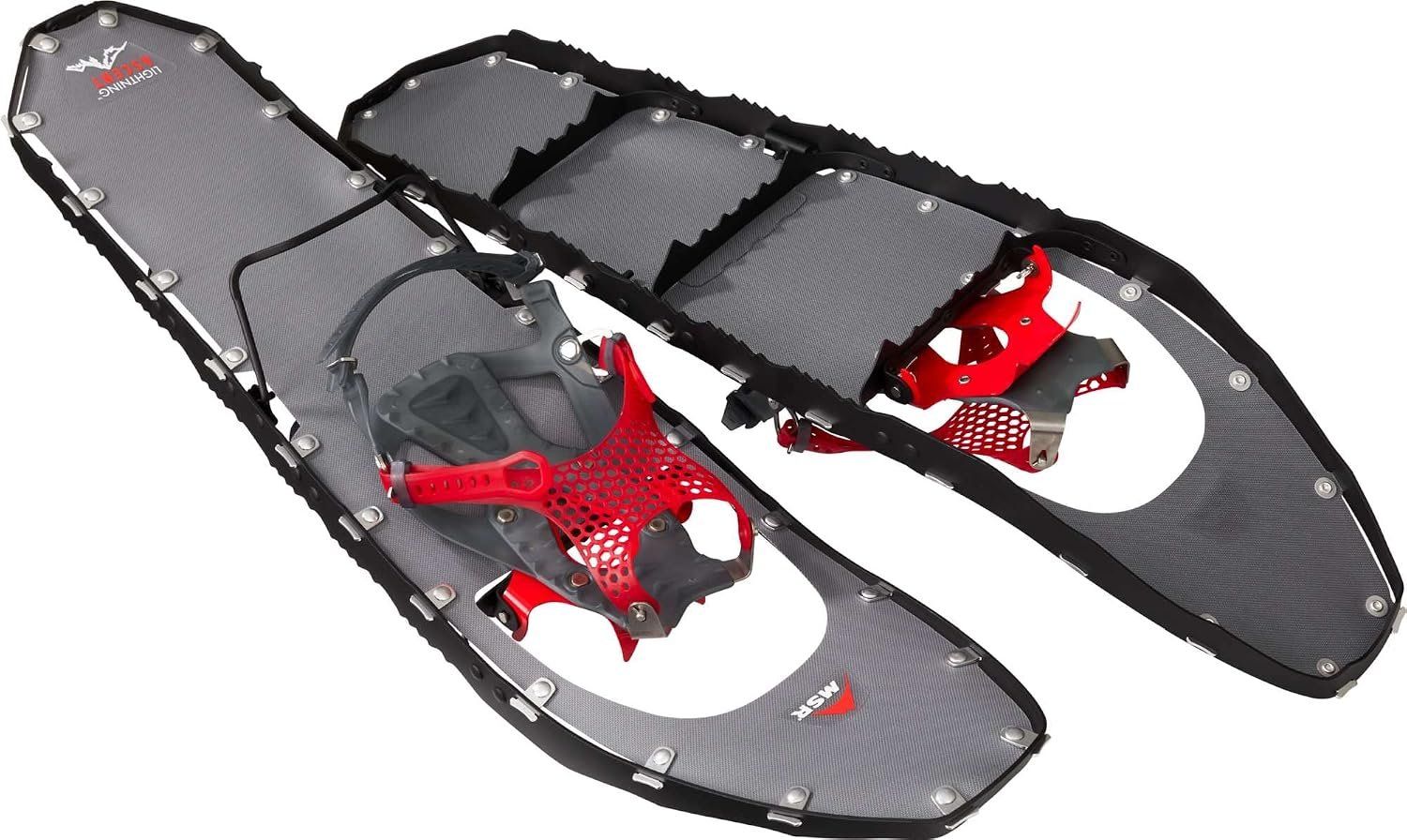 | 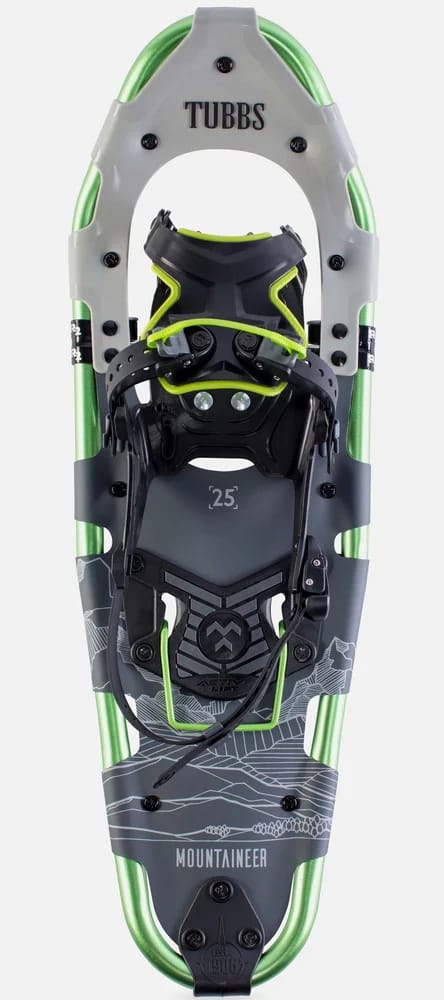 VS | |
| Max Load | 22 in: Up to 180 lb | 25 in: 120 - 200 lb | 30 in: 170 - 250 lb | 36 in: 220 - 300 lb |
| Dimensions | 22 in: 22 × 8 in | 25 in, 30 in, 36 in lengths (width not listed) |
| Weight | 22 in: 4 lb 2 oz per pair | 4 lb 14 oz per pair (25 in) |
| Binding Type | Paragon | ActiveFit 2.0 |
| Crampon Count | Not specified | 2 (Anaconda toe, Python heel) |
| Heel Lift | Yes (Ergo Televator) | Yes (ActiveLift, 19°) |
| Warranty | 3 years limited | Limited lifetime |
| Modular Tail Extension | 5 in | No |
| Frame Material | 7075 T6 Aluminum | Aluminum Pro-Step frame, Soft-Tec decking |
| Bag Included | Not specified | No (optional add-on) |
| MSR Lightning Ascent | Tubbs Mountaineer |
|---|---|
| |
| Max Load | |
22 in: Up to 180 lb | 25 in: 120 - 200 lb | 30 in: 170 - 250 lb | 36 in: 220 - 300 lb |
| Dimensions | |
22 in: 22 × 8 in | 25 in, 30 in, 36 in lengths (width not listed) |
| Weight | |
22 in: 4 lb 2 oz per pair | 4 lb 14 oz per pair (25 in) |
| Binding Type | |
Paragon | ActiveFit 2.0 |
| Crampon Count | |
Not specified | 2 (Anaconda toe, Python heel) |
| Heel Lift | |
Yes (Ergo Televator) | Yes (ActiveLift, 19°) |
| Warranty | |
3 years limited | Limited lifetime |
| Modular Tail Extension | |
5 in | No |
| Frame Material | |
7075 T6 Aluminum | Aluminum Pro-Step frame, Soft-Tec decking |
| Bag Included | |
Not specified | No (optional add-on) |
Traction
Lightning Ascent
Mountaineer
Traction matters most on steep slopes, icy trails and frozen lakes, where a snowshoe that cannot bite into the surface can send you sliding. Buyers consistently praise the Lightning Ascent's 360-degree cramp-on frame and steel teeth for gripping icy, steep snow and stopping sliding on downhill slopes, and many say the grip is ample both up and down hills. Some reviewers, however, note that side grip weakens on steep traverses and icy snow, and a few say it was weaker than other steel-tooth models they had tried. The Mountaineer earns stronger overall feedback, with buyers describing its Anaconda toe crampon and heel crampon as delivering excellent, confident grip on climbs and descents. Reviewers mention the claw digging deeply on steep inclines, angled cleat teeth preventing slide-back, and the spikes gripping well on ice and frozen rivers. For buyers who expect to cross slopes or spend time on hard snow, the Mountaineer is the more reassuring choice.
Comfort
Lightning Ascent
Mountaineer
Comfort affects how a snowshoe feels after several hours of uphill walking, especially on the calves, shins and Achilles. The Lightning Ascent's Paragon binding and Ergo Televator heel lift receive consistent praise, with many reviewers saying the bindings feel comfortable without pressure points and that the heel lift reduces fatigue on long treks. The Mountaineer's ActiveFit 2.0 binding and 19-degree active heel lift are also praised for easing strain on long climbs and traverses, and reviewers often describe the whole experience as very comfortable. A few Mountaineer reviewers noted minor complaints, and fit can vary by boot. Both products score closely on comfort, so the choice here depends more on which binding and heel lift feel better on your own foot.
Flotation
Lightning Ascent
Mountaineer
Flotation determines whether you stay on top of soft powder or sink in with every step, which matters most in deep, untracked snow. The Lightning Ascent's deck is described as floating well in powder, and its optional 5-inch modular tails and 30-inch model with a six-inch extra float tail give buyers a way to add float when snow gets softer. Some reviewers, however, felt another model had the edge in flotation. The Mountaineer's longer, lower Pro-Step frame and Soft-Tec decking are credited with keeping the wearer riding on top of soft snow, and buyers say it feels like floating across the surface. Feedback on the Mountaineer's flotation is more limited, so both models are solid for powder, with the Lightning Ascent offering more adjustability and the Mountaineer offering a simpler, fixed setup.
Ease Of Use
Lightning Ascent
Mountaineer
Ease of use shapes how quickly you can get geared up in the cold and how often you will need to fiddle with straps and bindings during a hike. Buyers find the Lightning Ascent easy to put on and take off, even with gloves, and its strap system and Televator heel lift are described as simple to operate, with the foot rail helping on climbs. A few users, however, found the MSR prong binding attachment less convenient than rival systems. The Mountaineer stands out here, with reviewers finding the wide-opening binding, automatic ratcheting strap and quick-release strap holders very simple to step into and remove, even while wearing gloves. The single-handed heel buckle also makes adjusting on the trail quick. For buyers who value fast gearing up and removal, the Mountaineer is the easier choice.
Durability
Lightning Ascent
Mountaineer
Durability matters if you plan to use snowshoes hard, carry heavy loads or hunt in rough terrain, where frames and decks take real punishment. Buyers describe the Lightning Ascent's decking as tough and the build as solid, but some reviewers worried that sharp sticks could puncture the deck and that cold-weather performance of the material is unproven. Several reports describe frame damage under heavy hunting use, with one reviewer saying the snowshoes bent and collapsed within days, and such mixed feedback makes durability a weak point for this model. The Mountaineer's tubular steel frame and stainless steel claw are described as rugged, long-lasting and unlikely to dull, with some owners reporting solid performance after a year and a half of rough use. A small number of reviewers raised durability concerns, so it is still worth checking long-term reports. Overall, the Mountaineer is the safer bet for hard use.
Stability
Lightning Ascent
Mountaineer
Stability refers to how well a snowshoe keeps your heel and foot in position across uneven or sloped snow, which affects both safety and fatigue. The Lightning Ascent drew complaints that its heels can shift and need re-hooking during a hike, and some reviewers said the flexible bottom keeps the snowshoe from sitting at the correct angle on traverses. These are important drawbacks if you often cross slopes. The Mountaineer's Wing technology and binding design are credited with holding the heel firmly in place, so users report less need to readjust on the trail. The stability feedback for the Mountaineer is mostly positive, though its rating reflects fewer reviews than the Lightning Ascent. For buyers who walk on uneven or sloped terrain, the Mountaineer is the clearly more secure option.
Trust & Transparency
- Data-driven rankings from real user reviews
- Affiliate partnerships don't influence our methodology
We may earn commission from links.
Conclusion & Final Verdict:
Verdict: The Tubbs Mountaineer is the better choice for most buyers, especially those who hike steep, icy or uneven terrain. It wins on traction, ease of use, durability and stability, and its lifetime warranty adds long-term peace of mind.
The MSR Lightning Ascent is worth considering if you want modular tails for deep, variable snow and a lighter pair for the same length. Its comfort and flotation are strong, but its heel stability and durability feedback are more mixed, so test it on slopes before committing.
Related Comparisons
MSR Evo AscentvsTubbs Mountaineer
The MSR Evo Ascent is the better choice for steep, icy, or off-trail climbs thanks to its steel traction bars and easier Televator heel lift, while the Tubbs Mountaineer suits buyers who want easier bindings, more comfort on long traverses, and a more stable heel. Pick the Evo Ascent for technical climbing and the Mountaineer for all-round trekking.
MSR Evo TrailvsTubbs Mountaineer
The Tubbs Mountaineer is the stronger choice for off-trail travel, with more aggressive grip, a heel lift, and easier binding entry, while the MSR Evo Trail suits trail hikers who want steel traction and add-on flotation tails at a lower price point.
MSR Lightning AscentvsL.L.Bean Women's Winter Walker
Choose the MSR Lightning Ascent for steep, icy terrain, extra float and comfortable bindings if you can accept weaker durability. Choose the L.L.Bean Women's Winter Walker for quick ratchet fastening, a sturdier-feeling build and easy everyday trail use.
MSR Lightning AscentvsMSR Evo Ascent
The MSR Lightning Ascent suits buyers who want comfortable bindings, easy setup, and aggressive grip on downhill and icy slopes. The MSR Evo Ascent is the better choice for steep climbs and off-trail routes where durability and stability matter more.
MSR Lightning AscentvsMSR Lightning Explore
The Lightning Explore is the better all-round pick for most buyers, with stronger traction on icy and packed snow, a lighter build, and more durable reports. The Lightning Ascent suits deep powder and soft-snow float better, and it is the choice when flotation matters most.
MSR Lightning AscentvsMSR Revo Explore
The Lightning Ascent suits buyers who want aggressive grip on steep, icy downhills and a comfortable, easy-to-wear binding with heel lift. The Revo Explore is the better choice for icy hardpack, mixed terrain, and anyone who wants stronger durability and stability.