
MSR Lightning Explore vs Tubbs Flex ALP
Why You Can Trust Us
- Side-by-side analysis based on real user feedback
- Unbiased comparisons, not influenced by partnerships
- Updated as new data becomes available
We may earn from affiliate links at no extra cost to you.
| Lightning Explore | Flex ALP | |
|---|---|---|
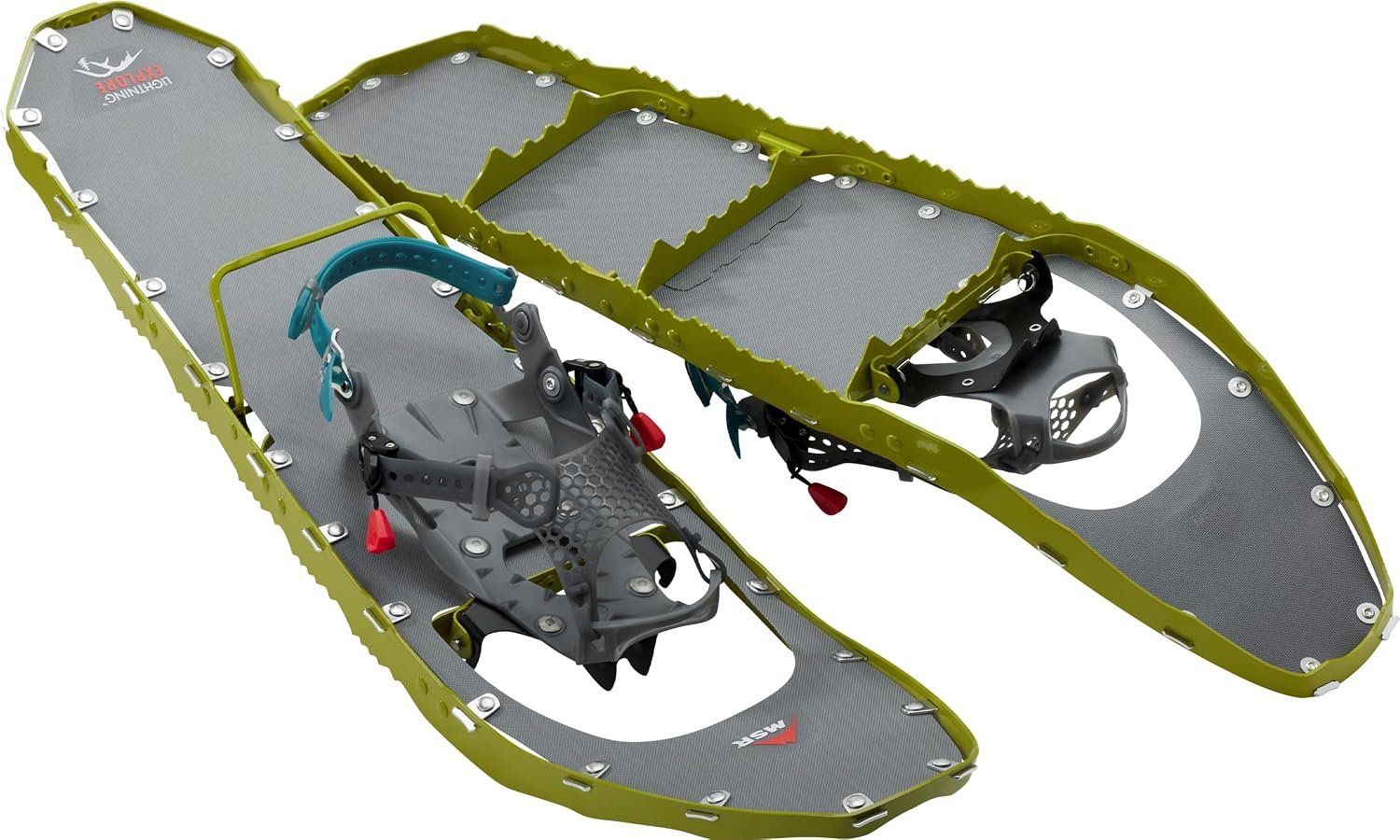 | 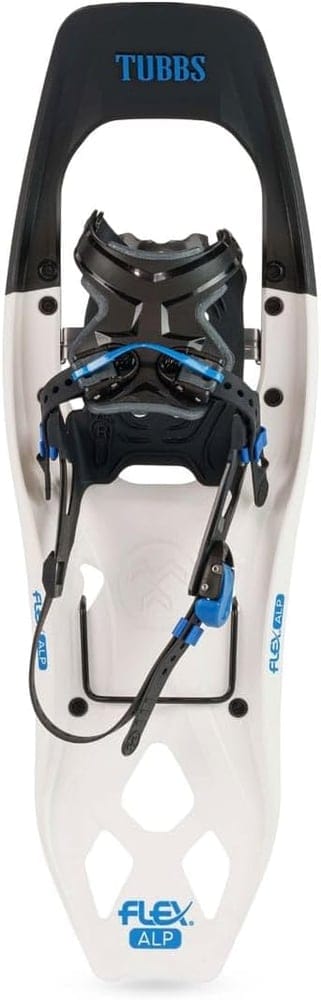 VS | |
| Max Load | 22 in: Up to 180 lb | 21 in: 80 - 160 lb |
| Dimensions | 22 in: 22 × 8 in | 25 in, 29 in lengths (width not listed) |
| Weight | 22 in: 3 lb 9 oz per pair | 4 lb 6 oz per pair (men's, claimed) |
| Binding Type | Paradigm | ActiveFit 2.0 |
| Crampon Count | Not specified | 1 (Viper 2.0 toe) + traction rails and tail pins |
| Heel Lift | Yes (Ergo Televator) | Yes (ActiveLift, 19°) |
| Warranty | 3 years limited | 3 years limited |
| Modular Tail Extension | 5 in (sold separately) | No |
| Frame Material | 7075 T6 aluminum frame, TPU-coated nylon deck | Flex Deck molded deck with traction rails |
| Bag Included | No | No (optional add-on) |
| MSR Lightning Explore | Tubbs Flex ALP |
|---|---|
| |
| Max Load | |
22 in: Up to 180 lb | 21 in: 80 - 160 lb |
| Dimensions | |
22 in: 22 × 8 in | 25 in, 29 in lengths (width not listed) |
| Weight | |
22 in: 3 lb 9 oz per pair | 4 lb 6 oz per pair (men's, claimed) |
| Binding Type | |
Paradigm | ActiveFit 2.0 |
| Crampon Count | |
Not specified | 1 (Viper 2.0 toe) + traction rails and tail pins |
| Heel Lift | |
Yes (Ergo Televator) | Yes (ActiveLift, 19°) |
| Warranty | |
3 years limited | 3 years limited |
| Modular Tail Extension | |
5 in (sold separately) | No |
| Frame Material | |
7075 T6 aluminum frame, TPU-coated nylon deck | Flex Deck molded deck with traction rails |
| Bag Included | |
No | No (optional add-on) |
Traction
Lightning Explore
Flex ALP
Traction matters most in this group because snowshoes are bought to hold firm on icy, packed, and steep ground where a slip can be dangerous. The Lightning Explore uses aggressive perimeter teeth, 360-degree grip, step bars, a heel lift, brass edges, and a pop-up stabilizer, and buyers say it bites into ice, packed snow, and brush at any snow depth. The Flex ALP relies on a Viper 2.0 toe crampon, smaller heel crampons, tail studs, underfoot traction rails, and elevators, and reviewers describe it as gripping steep and near-vertical slopes without slipping. For a buyer, the Flex ALP's crampon system is the more specialized tool for steep ice, while the Explore's all-around bite suits mixed terrain and bushwhacking. The scores are nearly even at 4.6 versus 4.7, so this is a tie, with the Flex ALP drawing slightly more consistent praise for steep grip. Choose by the terrain you cover rather than expecting a meaningful grip gap.
Comfort
Lightning Explore
Flex ALP
Comfort matters because you may wear snowshoes for many hours, and pressure points or joint fatigue can shorten a trip. The Lightning Explore's adjustable binding cradles the foot without pressure points, rotates about 90 degrees without restricting the walking gait, and buyers report all-day comfort plus a secure, stable hold on hills. The Flex ALP's flexing frame and softer heel absorb impact on descents, and reviewers say this reduces fatigue in the knees, joints, and calves, with the heel lift helping ease calf strain. Buyers also note the Explore is about 300 g lighter, which adds to comfort on long days. The Flex ALP's cushioning is a real benefit if descents are hard on your joints, so it stands out for that specific need. Overall the Explore takes this category at 4.6 versus 4.2 because its comfort praise is more consistent across binding fit, stride, and weight. Choose the Explore for general all-day comfort and the Flex ALP if knee and joint protection on the way down matters most.
Flotation
Lightning Explore
Flex ALP
Flotation matters because snowshoes that sink in deep powder make every step harder, especially for heavier hikers or those carrying packs. The Lightning Explore's TPU nylon decking and modular tails keep most wearers well above powder, and buyers say the lightning tail adds area so they sink only about six inches at most. The 30-inch model is reported to support heavy loads well. Reviewers also note that shorter sizes offer less float in deep snow, so sizing matters a lot. The Flex ALP offers some float in soft snow, but reviewers say that is not much, and heavier wearers carrying packs in deep powder may struggle. It is also not designed for long, flat walks, which limits its use outside steep, broken terrain. The Explore wins this category at 3.9 versus 3.4. For powder and heavier loads, choose the Explore in a size that suits your weight. The Flex ALP is not the better choice for deep snow.
Ease Of Use
Lightning Explore
Flex ALP
Ease of use matters because you put bindings on and take them off repeatedly, often while wearing gloves and standing on uneven snow. The Lightning Explore's Paradigm binding gets praise for quick on and off, glove-friendly ratchets, easy strap release, a grab handle to clear ice buildup, and a flip-up step bar that latches and stays latched on climbs. Buyers also like the heel and front strap swap that adapts the binding to different shoe sizes, though a few say straps run short on larger boots. The Flex ALP offers an easy slide-in, a ratcheting heel strap with a clip, and an orange-tab quick release that work even with gloves on, and some find its straps tuck neatly into side clips. However, buyers say it is about four and a half pounds, feels cumbersome on the feet, and does not pack down flat. The Explore wins this category at 4.4 versus 3.9, so it is the easier snowshoe to live with day to day, provided you check boot fit before buying.
Durability
Lightning Explore
Flex ALP
Durability matters because snowshoe frames, decks, and hardware take hits from rocks, ice, and years of trips. Explore buyers report that the frame and deck hold up well through rugged use and several years of regular trips, and one owner describes about four years of good service. Some note the kickstand looks flimsy, though no breakage has been reported. Flex ALP owners describe a solid, bomb-proof build, and some completed all 67 New England 4000-footers in these shoes. Some owners report straps with snaps that blew out within a hike or two, and one of 16 rivets came loose under repeated flexing. Both products score 3.9 out of 5, so this is a tie. Buyers of either model should expect good long-term service, but the Flex ALP needs regular checks of straps and rivets, while the Explore owner should keep an eye on the kickstand.
Stability
Lightning Explore
Flex ALP
Stability matters on side-hill traverses, uneven ground, and steep descents where a snowshoe needs to stay level underfoot. Neither product received enough specific buyer feedback to stand out here, and both score 3.0 out of 5 with no clear strengths or drawbacks noted. The Explore has a secure hold on hills when its boot harnesses are set correctly, but that comment appears in the comfort feedback rather than stability reviews. The Flex ALP's traction rails and crampons help with footing, but buyers did not describe its stability directly. Because the evidence is thin for both, this is a tie. Judge stability by testing the fit and trying the snowshoe on the terrain you plan to cross.
Trust & Transparency
- Data-driven rankings from real user reviews
- Affiliate partnerships don't influence our methodology
We may earn commission from links.
Conclusion & Final Verdict:
Choose the MSR Lightning Explore if you want the more comfortable, easier-to-use snowshoe with better powder flotation, a higher load rating, a lighter weight, and the option to add a tail extension. It is the stronger all-round pick for mixed winter terrain, long days on the trail, and buyers who value quick binding changes. Check boot fit and sizing, especially for larger boots and heavier loads.
Choose the Tubbs Flex ALP if steep, icy climbs are your main concern and you want the aggressive Viper 2.0 toe crampon and cushioned flexing frame that eases descent fatigue. It is best for hikers who spend most of their time on steep, hard-packed terrain rather than deep powder or long flat walks.
Related Comparisons
MSR Lightning AscentvsTubbs Flex ALP
The MSR Lightning Ascent suits buyers who want comfortable bindings, easy entry, and float for soft snow, while the Tubbs Flex ALP fits hikers who prioritize aggressive toe-crampon grip on steep, icy terrain and a more durable build.
MSR Lightning ExplorevsL.L.Bean Women's Winter Walker
The MSR Lightning Explore is the stronger pick for icy, steep, and packed-snow terrain, with a more comfortable binding and a longer warranty. The L.L.Bean Women's Winter Walker suits buyers who mostly float over deep snow and want simple ratchet straps.
MSR Lightning ExplorevsTSL Symbioz Hyperflex Elite
The MSR Lightning Explore is the better pick for comfortable all-day wear, stronger flotation in soft snow, and a longer warranty. The TSL Symbioz Hyperflex Elite suits buyers who prioritize crampon-driven grip on steep ice and want a carry bag included.
MSR Lightning ExplorevsTubbs Frontier
The MSR Lightning Explore suits buyers who want the most comfortable binding, stronger climbing grip, and a longer warranty. The Tubbs Frontier is the easier pick for beginners who want quick bindings and better flotation in deep snow.
MSR Lightning ExplorevsTubbs Wilderness
The MSR Lightning Explore suits buyers who want aggressive grip on ice and steep slopes plus a comfortable all-day binding. The Tubbs Wilderness suits buyers who value quick, glove-friendly bindings and a lifetime warranty, with more caution on off-camber terrain and deep snow.
MSR Revo ExplorevsMSR Lightning Explore
The Revo Explore suits steep, icy climbs and buyers who want quick-release bindings and a wider load range, though its ratchets take practice. The Lightning Explore suits all-day comfort, 360-degree grip, and lighter weight, but its shorter sizes float less in deep snow.