
Nordica Pro Machine 3 130 S vs Tecnica Cochise 130
Why You Can Trust Us
- Side-by-side analysis based on real user feedback
- Unbiased comparisons, not influenced by partnerships
- Updated as new data becomes available
We may earn from affiliate links at no extra cost to you.
| Pro Machine 3 130 S | Cochise 130 | |
|---|---|---|
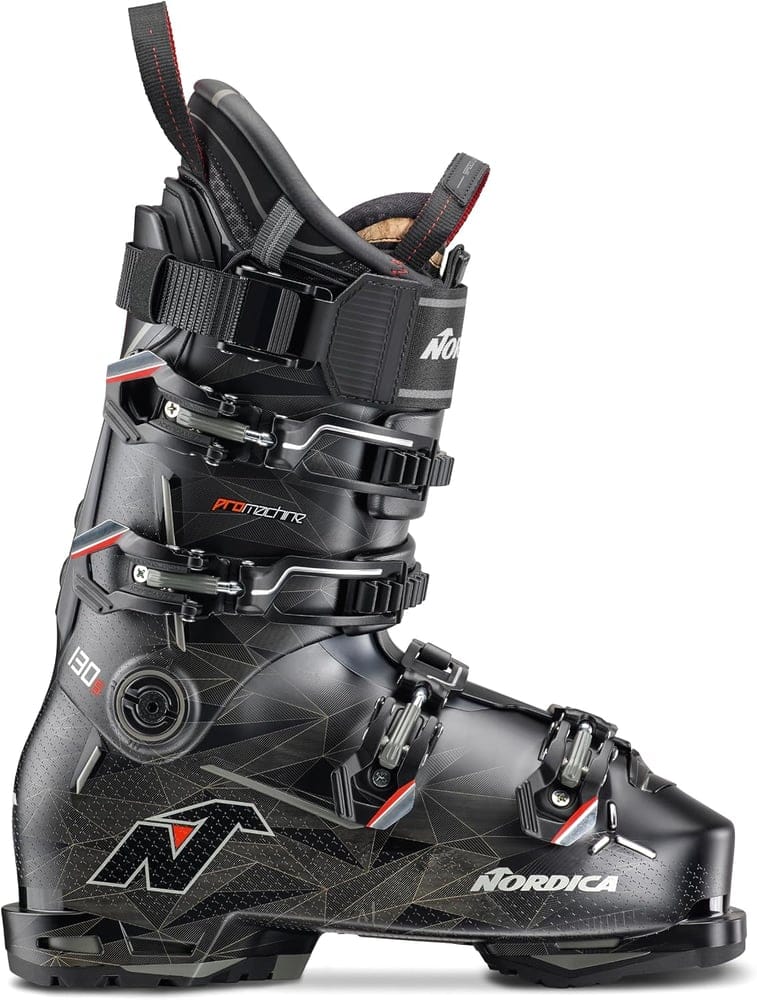 | 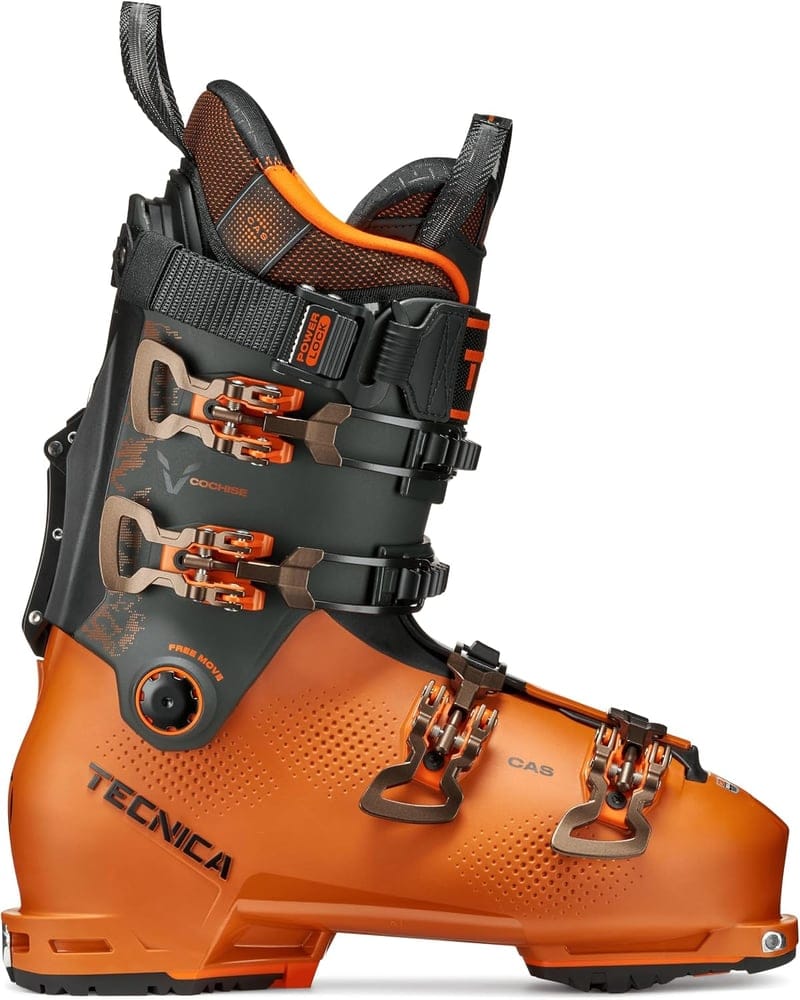 VS | |
| Flex Rating | 130 | 130 |
| Last Width | 98 mm | 99 mm |
| Closure System | 4 Micro ALU Light buckles (2 servo lock) + 50 mm strap | 4 micro-adjustable aluminum buckles + 45 mm Power Lock strap |
| Walk Mode | No | Yes – T-Ride walk mechanism, 55° range of motion |
| Sole Norm | GripWalk Extra-Grip (ISO 23223) | GripWalk (ISO 23223) with DYN tech inserts |
| Weight | 4.17 lb (single boot, MP 26.5) | 4.16 lb (single boot, MP 26.5) |
| Warranty | Limited manufacturer warranty (term not published) | Limited manufacturer warranty (term not published) |
| Liner Type | 3D Cork Fit Speed Lace | Ecodesign High Performance Full C.A.S., lace-ready |
| Shell Material | Bimat PU shell / Bimat PU cuff | PU shell / carbon-PP bi-injected cuff |
| Forward Lean | Not specified | 12.5° (+2° or +3.5° with spoiler) |
| Ramp Angle | Not specified | Not specified |
| Size Range | 22.5–30.5 (Mondopoint) | 24.5–30.5 (Mondopoint) |
| Nordica Pro Machine 3 130 S | Tecnica Cochise 130 |
|---|---|
| |
| Flex Rating | |
130 | 130 |
| Last Width | |
98 mm | 99 mm |
| Closure System | |
4 Micro ALU Light buckles (2 servo lock) + 50 mm strap | 4 micro-adjustable aluminum buckles + 45 mm Power Lock strap |
| Walk Mode | |
No | Yes – T-Ride walk mechanism, 55° range of motion |
| Sole Norm | |
GripWalk Extra-Grip (ISO 23223) | GripWalk (ISO 23223) with DYN tech inserts |
| Weight | |
4.17 lb (single boot, MP 26.5) | 4.16 lb (single boot, MP 26.5) |
| Warranty | |
Limited manufacturer warranty (term not published) | Limited manufacturer warranty (term not published) |
| Liner Type | |
3D Cork Fit Speed Lace | Ecodesign High Performance Full C.A.S., lace-ready |
| Shell Material | |
Bimat PU shell / Bimat PU cuff | PU shell / carbon-PP bi-injected cuff |
| Forward Lean | |
Not specified | 12.5° (+2° or +3.5° with spoiler) |
| Ramp Angle | |
Not specified | Not specified |
| Size Range | |
22.5–30.5 (Mondopoint) | 24.5–30.5 (Mondopoint) |
Comfort
Pro Machine 3 130 S
Cochise 130
Comfort matters in a stiff 130-flex boot because buyers spend long days flexing forward and need the liner and shell to avoid hot spots. Product1 gets mixed comfort feedback: buyers call it relatively comfortable and appreciate that it does not slam the instep down, and the cork liner adds warmth, but several report the Achilles being pinched and cranked and tightness at the forefoot. Product2 draws more consistently positive comfort feedback, with buyers reporting that the softer plastic eases the instep on and off, that few pressure points develop, and that the boot feels natural while touring. Booster straps are credited with reducing shin discomfort, and one buyer compared it favorably to snowboard boots. Overall, Product2 is the more comfortable choice for most buyers, while Product1 suits those with a narrow foot who can tolerate some break-in pressure.
Fit
Pro Machine 3 130 S
Cochise 130
Fit determines whether a boot performs at all, so this category carries a lot of weight for both products. Product1 is built on a 98 mm low-volume last, and buyers praise its close, snug feel and good out-of-the-box fit for narrow feet, though some note tightness in the forefoot and say it may fit fewer people comfortably. Product2 uses a 99 mm last with a low-to-mid volume shape and gets substantially more fit feedback. Buyers describe it as fitting like a second skin, with a heat-moldable and mechanically moldable liner, a movable tongue, and a shell that bulges only where needed. The main caveats are that it is not a low-volume boot and its cuff sits a little low, so the HV version is the sensible choice for wider feet. For most buyers, Product2 offers the more adaptable fit, while Product1 is the better pick only for those with a genuinely low-volume foot.
Performance
Pro Machine 3 130 S
Cochise 130
Performance is the core question for any boot in this class, and it covers both on-piste power and the ability to climb. Product1 earns strongly positive feedback for its tri-force chassis, which buyers say creates an effective connection to the ski, and its neutral stance and forward lean are described as balanced. Product2 earns even stronger performance feedback, with buyers praising its alpine-like downhill feel and calling it one of the best freeride boots for on-piste use. Its lightweight polyurethane construction and T-Ride walk mechanism are repeatedly credited with making uphill travel efficient, and a few buyers note an initial adjustment period before they settled into it as an everyday resort boot. One reviewer found the skiing reasonable for the design, so the boot is not the most aggressive option. Product2 offers the broader performance package, while Product1 is more focused on resort-only precision.
Heel Hold
Pro Machine 3 130 S
Cochise 130
Heel hold affects control and power transfer, because a loose heel can cause the boot to feel sloppy on hard turns. Product1 gets consistently positive feedback here, with buyers pointing to a solid heel and ankle hold in the shell and a 3D cork liner designed to strengthen the heel lock. Product2 is also rated positively, but the evidence is thinner, and buyers credit added volume and an oven-baked liner for pulling the heel back into the pocket. The feedback suggests both boots hold the heel well, though the Nordica's evidence is more consistent. For buyers whose main concern is keeping the heel locked during aggressive turns, Product1 has the slight edge.
Power Response
Pro Machine 3 130 S
Cochise 130
Power response describes how quickly and forcefully a boot transfers energy from the skier into the ski, which is often what separates an aggressive boot from a relaxed one. Product1 is among the most praised aspects of the Nordica, with buyers describing a lot of energy, a rebound that kicks into the next turn, and direct power transfer that benefits from the servo lock buckles and firm boot board. Product2 is described as incredibly stiff on the descent, and the power strap is credited with adding forward flex support, though its response feedback is more mixed and less extensive. Buyers who want a lively, responsive boot will likely prefer Product1, while those who value a planted, stiff feel may find Product2 satisfying.
Lateral Stiffness
Pro Machine 3 130 S
Cochise 130
Lateral stiffness governs how precisely a boot carries the ski through side-to-side movements, which matters most for quick edge changes and carved turns. Product1 earns positive feedback for its lateral stiffness and quickness from the upper cuff, with buyers calling out strong lateral energy as a standout trait. Product2 is also described positively, with its carbon inlay creating a rigid spine that buyers say improves side cut and precision. However, the evidence for Product2 is limited to only a couple of reviews, so its advantage is less certain. Based on the available feedback, Product1 has the stronger reputation for lateral response, though both boots are considered stiff enough for performance skiing.
Trust & Transparency
- Data-driven rankings from real user reviews
- Affiliate partnerships don't influence our methodology
We may earn commission from links.
Conclusion & Final Verdict:
Choose the Nordica Pro Machine 3 130 S if you have a narrow foot, mostly ski resort terrain, and want the most lively, direct power and a locked-in heel. It rewards aggressive skiers who prioritize responsiveness over versatility.
Choose the Tecnica Cochise 130 if you want one boot for resort skiing and occasional touring. Its walk mode, lightweight build, moldable liner, and broader performance feedback make it the more versatile and more comfortable option for most buyers, especially those with average or wider feet.
Related Comparisons
Atomic Hawx Prime 100 BOAvsTecnica Cochise 130
The Atomic Hawx Prime 100 BOA suits skiers who want a secure, comfortable all-mountain boot with a softer, more forgiving feel and a better fit for larger calves. The Tecnica Cochise 130 is the better choice for resort-first skiers who also want to tour, offering a stiffer, more powerful downhill feel and an efficient walk mode.
K2 Cortex 130 Zonal BOAvsTecnica Cochise 130
The Cortex 130 Zonal BOA suits skiers who want a tight, direct, high-performance connection to their skis and have a narrow foot, while the Cochise 130 is the better pick for buyers who want a versatile boot that handles resort skiing and uphill touring. Choose the Cortex for precise on-piste power and the Cochise for walk mode and a roomier, more forgiving fit.
Nordica Pro Machine 3 130 SvsArmada AR One 130 MV
The Nordica Pro Machine 3 130 S suits skiers who want direct, energetic power transfer and a close low-volume fit, while the Armada AR One 130 MV suits buyers who prioritize a locked-in heel, a cushier liner, and tech fittings for touring.
Nordica Pro Machine 3 130 SvsAtomic Remedy 130
The Nordica Pro Machine 3 130 S suits skiers who want direct, energetic power and a low-volume, snug fit out of the box. The Atomic Remedy 130 suits skiers with narrow feet who want a damp, locked-in carving boot and are willing to invest in liner work.
Nordica Pro Machine 3 130 SvsLange Shadow 130 MV
The Nordica Pro Machine 3 130 S suits aggressive skiers who want direct, lively power transfer and a snug low-volume fit, while the Lange Shadow 130 MV is the better pick for medium-volume feet and all-day comfort with easier entry. Expect a snugger, more responsive ride from Nordica and a more relaxed, plush experience from Lange.
Nordica Speedmachine 3 130 BOA DDvsNordica Pro Machine 3 130 S
Choose the Speedmachine 3 130 BOA DD if all-day comfort and a dial-based closure matter most, accepting that it can be hard to get on. Choose the Pro Machine 3 130 S if you want more direct power, firmer heel hold, and a close low-volume fit, and are willing to spend some time breaking in the liner.