
Nordica Santa Ana 92 vs Head Kore 94 Ti
Why You Can Trust Us
- Side-by-side analysis based on real user feedback
- Unbiased comparisons, not influenced by partnerships
- Updated as new data becomes available
We may earn from affiliate links at no extra cost to you.
| Santa Ana 92 | Kore 94 Ti | |
|---|---|---|
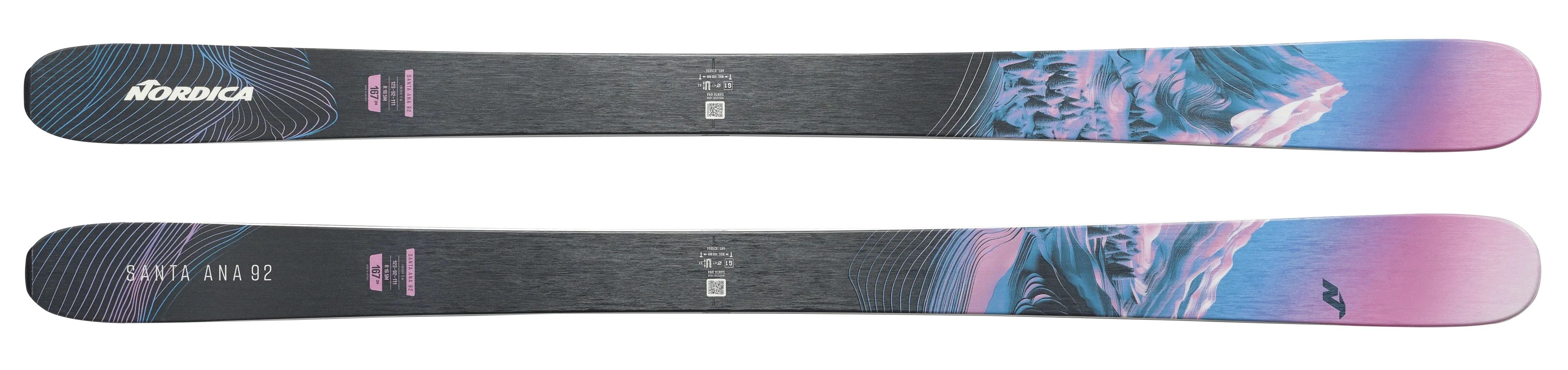 |  VS | |
| Waist Width | 92 mm | 94 mm |
| Turn Radius | 17.5 m at 179 cm | 16.3 m at 177 cm |
| Rocker Profile | All Mountain rocker with Unlocked Tail shape | Rocker Tail 20%, Camber 50%, Rocker Tip 30% |
| Metal Layers | 1 (Terrain Specific Metal titanal sheet) | 2 (Titanal) |
| Length Range | 150-179 cm | 156-184 cm |
| Weight | 9.0 lb per pair at 179 cm | 4.2 lb |
| Warranty | N/A | 2 Years |
| Sidecut Dimensions | 125.5-92-113.5 mm | 131-94-116 mm |
| Core Material | Performance wood core with Pulse elastomer core | Karuba and beech wood core |
| Sidewall | Sidewall construction | Beveled sidewalls with mini cap |
| Nordica Santa Ana 92 | Head Kore 94 Ti |
|---|---|
| |
| Waist Width | |
92 mm | 94 mm |
| Turn Radius | |
17.5 m at 179 cm | 16.3 m at 177 cm |
| Rocker Profile | |
All Mountain rocker with Unlocked Tail shape | Rocker Tail 20%, Camber 50%, Rocker Tip 30% |
| Metal Layers | |
1 (Terrain Specific Metal titanal sheet) | 2 (Titanal) |
| Length Range | |
150-179 cm | 156-184 cm |
| Weight | |
9.0 lb per pair at 179 cm | 4.2 lb |
| Warranty | |
N/A | 2 Years |
| Sidecut Dimensions | |
125.5-92-113.5 mm | 131-94-116 mm |
| Core Material | |
Performance wood core with Pulse elastomer core | Karuba and beech wood core |
| Sidewall | |
Sidewall construction | Beveled sidewalls with mini cap |
Stability
Santa Ana 92
Kore 94 Ti
Stability matters on an all-mountain ski because it determines how well the ski holds its line at speed, through chop, and over variable snow without feeling nervous. The Santa Ana 92 earns its reputation from terrain-specific metal that does much of the smoothing work, along with a solid, planted feel in the tip and tail and an elastomer core that reduces vibration. Buyers describe it as predictable and reliable on groomed and firm terrain. The Kore 94 Ti is praised for an extremely smooth, quiet, and damp ride, with a stout main body and a round, even flex that resists deflection in crud, chop, and bumps without chatter. Some buyers note that the shovel can start to give at speed on the 177 length. Both skis score the same here, so the choice comes down to whether you prefer a planted, metal-driven feel or a quieter, more consistent flex-and-weight blend.
Edge Grip
Santa Ana 92
Kore 94 Ti
Edge grip determines how confidently a ski bites into firm snow and holds a carve, which is especially important on hardpack and icy days. The Santa Ana 92 benefits from full-width metal underfoot and positive camber, and buyers report that it cuts through ice and crud with good weight behind it. Its tips float up rather than diving into the snow, and the effective edge lengthens as edge angle increases, which helps it hold a clean arc. Some reviewers note that the metal is not grabby in the tip and tail and that it does not add a lot of bite. The Kore 94 Ti holds its edge well once it is engaged and stays locked in through a carved turn, with a good effective edge length. However, buyers report that it needs deliberate steering input rather than simply tipping and riding, and that it can lack a little precision on the edge. Overall, the Santa Ana 92 has the clearer advantage for buyers who want a ski that grips and tracks on firm snow without much effort.
Maneuverability
Santa Ana 92
Kore 94 Ti
Maneuverability determines how easily a ski changes direction in trees, bumps, and crowded terrain, which shapes how fun it feels on a typical day. The Santa Ana 92 uses its 92 mm waist to stay agile without losing stability, and buyers describe a quick, snappy response, a tip swivel that helps in tight zones, and an early tail rise that makes it easy to release from turns. It feels energetic in bumps, though short slalom-style turns take more work and it is not especially precise at slow speeds. The Kore 94 Ti uses lighter tips and tails to lower swing weight, and buyers say it snaps through tight corners, points easily when steered, and moves smoothly through moguls with a tight turn radius. Some reviewers say it needs to be steered through crowded in-between terrain and that it is not built for short, punchy turns. Both skis earn the same score, so the Santa Ana 92 suits playful bump skiing while the Kore 94 Ti suits tight, mogul-filled terrain where a short radius matters.
Forgiveness
Santa Ana 92
Kore 94 Ti
Forgiveness matters because a ski that punishes off-balance skiing can make intermediate and advanced skiers tense and tired. The Santa Ana 92 is described as balancing performance, power, forgiveness, and playfulness, and buyers call it confidence-inspiring and easier to engage than earlier models without needing a full forward pilot position. Some note that it can be slightly demanding if you lean back too much. The Kore 94 Ti is praised for a damp rather than springy or rigid feel, with a forgiving flex pattern that never feels harsh or punishing and gives aggressive skiers plenty of confidence. Its main complaint is that it needs pressure in front of the boot to start a turn, and a few buyers find it a little difficult when pushing past camber. Both skis perform well here, with the Santa Ana 92 scoring marginally higher, so the choice depends on whether you prefer a ski that feels sharper and more responsive or one that feels calmer and more damp.
Powder Performance
Santa Ana 92
Kore 94 Ti
Powder performance matters for any all-mountain ski that will see fresh snow, even if powder is not the main focus. The Santa Ana 92 gets its float from a spoon tip, and buyers say it provides good flotation up front so the ski does not dive when the snow gets soft. The Kore 94 Ti relies on rocker and a wider shovel taper to float, and buyers say it handles light powder well and still floats decently in choppy snow. However, some note that it may not excel at floating in deep powder. Based on the feedback, the Santa Ana 92 has the stronger powder reputation, so it is the better pick if you ski soft snow often and want the front of the ski to stay up.
Versatility
Santa Ana 92
Kore 94 Ti
Versatility is the reason many buyers choose an all-mountain ski in the first place, because it determines how well one pair handles a range of conditions and terrain. The Kore 94 Ti is widely described as supremely versatile, with buyers saying it handles groomers, steeps, changing snow, and even hayride and jump-style skiing with ease. It is often called a top all-mountain contender and is recommended for days when you do not know what the conditions will be. Some buyers feel it prefers big, open, sweeping turns and may not excel in one specific area. The Santa Ana 92 is also described as extremely well-rounded and works well as a daily driver, with consistent scores across criteria and broad appeal for many skiers. Its main limitation is that it is performance-oriented and suits advanced and expert skiers better than all levels, and short slalom turns take more effort. For a single ski that covers the widest set of conditions, the Kore 94 Ti has the edge.
Trust & Transparency
- Data-driven rankings from real user reviews
- Affiliate partnerships don't influence our methodology
We may earn commission from links.
Conclusion & Final Verdict:
Pick the Nordica Santa Ana 92 if you are an advanced or expert skier who wants a planted, damped, quick-turning ski with stronger edge grip and better powder flotation, and you are happy to put in more effort on short slalom turns.
Pick the Head Kore 94 Ti if you want the most versatile all-mountain ski for changing conditions, groomers, steeps, and tight terrain, and you value a damp, forgiving feel and a two-year warranty. Both are strong all-mountain choices, so match the ski to the snow and terrain you ski most.
Related Comparisons
Nordica Santa Ana 92vsVölkl M7 Mantra
The Santa Ana 92 is the calmer, more forgiving choice, with a damped, planted feel and a lighter, more playful character for advanced skiers who ride a mix of terrain. The M7 Mantra is the stronger carver and all-conditions charger for experienced, aggressive skiers who can handle a stiff, demanding ski.
Rossignol Sender 100vsHead Kore 94 Ti
The Rossignol Sender 100 is the better pick for buyers who want a quick, playful all-mountain ski that carves with authority on firm snow and excels in trees, bumps, and the park. The Head Kore 94 Ti suits skiers who want one stable, damp, and predictable ski for changing conditions and are willing to steer it into turns.
Rossignol Sender 100vsNordica Santa Ana 92
The Sender 100 is the more playful, quick and versatile choice, with stronger carving grip and maneuverability for park and tree skiers. The Santa Ana 92 suits skiers who want a damped, planted and more stable ride that floats better in soft snow.
Stöckli Stormrider 88vsHead Kore 94 Ti
The Stormrider 88 is the better carver for firm groomers and ice, with stronger edge hold and a quieter, more forgiving feel. The Kore 94 Ti suits buyers who want a damp, stable all-rounder for crud, bumps and changing snow.
Stöckli Stormrider 88vsNordica Santa Ana 92
The Stöckli Stormrider 88 is the quieter, grippier carver and the stronger all-around pick for groomers and mixed snow, while the Nordica Santa Ana 92 suits skiers who want a livelier ride and better flotation in soft snow.
Völkl M7 MantravsHead Kore 94 Ti
The M7 Mantra is the better choice for confident carving and firm-snow edge hold, but its stiffness suits advanced, aggressive skiers. The Kore 94 Ti is the more forgiving, damper, and approachable option for intermediates who want one versatile all-mountain ski.