
Pelican Explorer 14.6 DLX canoe vs Esquif Prospecteur 16
Why You Can Trust Us
- Side-by-side analysis based on real user feedback
- Unbiased comparisons, not influenced by partnerships
- Updated as new data becomes available
We may earn from affiliate links at no extra cost to you.
| Pelican Explorer 14.6 DLX canoe | Prospecteur 16 | |
|---|---|---|
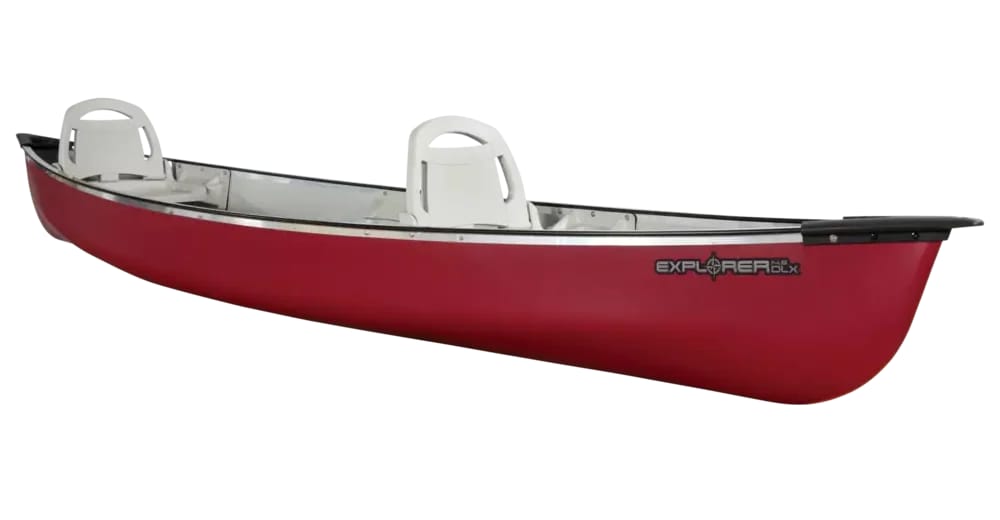 | 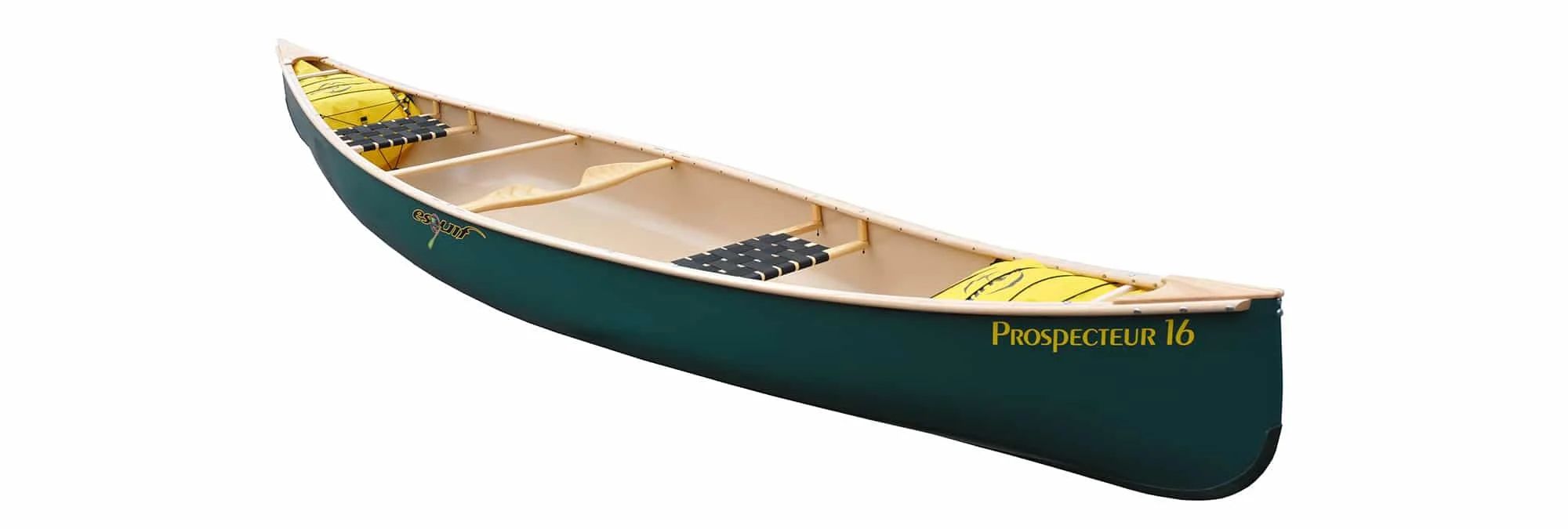 VS | |
| Dimensions | 14.9 × 3.2 × 1.6 ft | 16 × 2.9 ft |
| Weight | 90 lb | 65 lb |
| Capacity | 800 lb | 1000 lb |
| Material | Polyethylene | T-Formex |
| Seat Count | 2 | N/A |
| Warranty | 2-year limited warranty | 3-year limited warranty |
| Transom | N/A | N/A |
| Rocker | N/A | 2.75 |
| Carrying Handles | Included | N/A |
| Pelican Explorer 14.6 DLX canoe | Esquif Prospecteur 16 |
|---|---|
| |
| Dimensions | |
14.9 × 3.2 × 1.6 ft | 16 × 2.9 ft |
| Weight | |
90 lb | 65 lb |
| Capacity | |
800 lb | 1000 lb |
| Material | |
Polyethylene | T-Formex |
| Seat Count | |
2 | N/A |
| Warranty | |
2-year limited warranty | 3-year limited warranty |
| Transom | |
N/A | N/A |
| Rocker | |
N/A | 2.75 |
| Carrying Handles | |
Included | N/A |
Stability
Pelican Explorer 14.6 DLX canoe
Prospecteur 16
Stability is essential for confidence on calm lakes and when fishing, because a wobbly platform can quickly become unsafe. A more stable canoe lets beginners and anglers focus on paddling rather than balancing. The Pelican Explorer scores 4.1/5, praised for its wide beam, flat bottom, carrying handles and bank peg that keep it steady even at low water levels. The Esquif Prospecteur rates 3.6/5; while its rigid hull and good tracking help, reviewers note reduced steadiness in choppy conditions. For paddlers who value a rock‑solid platform, the Explorer is the clear winner.
Performance
Pelican Explorer 14.6 DLX canoe
Prospecteur 16
Performance covers how a canoe handles turning, tracking and speed, which matters for covering distance and navigating rapids. Faster, more maneuverable boats let you reach fishing spots quicker and handle light white‑water with ease. The Prospecteur earns a 3.9/5 rating, with strong praise for maneuverability, turning ease, rocker and ability to handle class 1‑3 whitewater. The Explorer’s 3.6/5 rating rests on limited feedback about trolling motor use and rope tugging, indicating modest performance. For paddlers who want a more responsive and faster canoe, the Prospecteur wins.
Comfort
Pelican Explorer 14.6 DLX canoe
Prospecteur 16
Comfort determines how enjoyable long days on the water are, especially when you’re sitting for hours. Seat padding, back support and bench width all affect fatigue. The Explorer’s basic foam seats receive mixed reviews, resulting in a 3/5 comfort score. The Prospecteur scores 3.8/5, with many users highlighting comfortable bench seats, back support and the ability to add cushions or foam blocks. If you plan extended trips or need a more ergonomic ride, the Prospecteur is the better choice.
Versatility
Pelican Explorer 14.6 DLX canoe
Prospecteur 16
Versatility measures how well a canoe adapts to different activities—fishing, day trips, multi‑day camping, or light white‑water. A versatile boat lets you get more mileage from a single purchase. The Explorer’s 4.1/5 rating reflects useful features like rod holders, cooler mounts and a tackle bag, making it a solid fishing platform. The Prospecteur’s 4.4/5 rating is bolstered by praise for portability, carry‑yolk, suitability for both flatwater and mild rapids, and a range of accessories for camping and backcountry use. Overall, the Prospecteur offers broader utility.
Weight & Capacity
Pelican Explorer 14.6 DLX canoe
Prospecteur 16
Weight influences how easy a canoe is to transport and portage, while capacity determines how much gear and crew you can safely carry. A lighter boat with a high load limit is ideal for solo adventurers and families loading up for overnight trips. The Explorer weighs 90 lb and holds 800 lb, earning a low 2.4/5 due to its heaviness. The Prospecteur is only 65 lb, can carry 1 000 lb, and scores 4.4/5, making it far easier to launch, carry and load. For anyone concerned with handling and gear capacity, the Prospecteur is the clear winner.
Durability
Pelican Explorer 14.6 DLX canoe
Prospecteur 16
Durability reflects how well a canoe stands up to impacts, UV exposure and long‑term wear, a key factor for owners who launch from rocky shorelines or transport frequently. Both models use multi‑layer polyethylene‑type hulls, and reviewers note sturdy frames and impact‑resistant surfaces. The Explorer scores 3.9/5, praised for its sturdy frame and long‑lasting plastic hull. The Prospecteur scores 3.8/5, with positive comments on tough material and impact resistance but a few mentions of flimsy areas. The scores are essentially tied, indicating comparable durability.
Trust & Transparency
- Data-driven rankings from real user reviews
- Affiliate partnerships don't influence our methodology
We may earn commission from links.
Conclusion & Final Verdict:
Verdict
If you prioritize rock‑solid stability and don’t mind a heavier boat, the Pelican Explorer 14.6 DLX is the better fit, especially for beginners and anglers who value built‑in seats and a steady platform. For most other paddlers—those seeking lighter weight, higher gear capacity, stronger performance in varied water, and greater overall versatility—the Esquif Prospecteur 16 clearly outshines the Explorer. Choose the Explorer for stability‑first outings; choose the Prospecteur for speed, capacity, and all‑around adventure.
Related Comparisons
Old Town Discovery Sport 15vsEsquif Prospecteur 16
The Old Town Discovery Sport 15 offers a massive 1,650 lb load capacity and motor‑ready design but weighs 114 lb, while the Esquif Prospecteur 16 is a lightweight 65 lb canoe with far more comfortable seating.
Old Town Discovery Sport 15vsPelican Explorer 14.6 DLX canoe
The Old Town Discovery Sport 15 packs more capacity and motor versatility, while the Pelican Explorer 14.6 DLX is lighter and a tad more stable – choose based on load needs versus transport ease.
Pelican Explorer 14.6 DLX canoevsNorthstar B 16
The Pelican Explorer 14.6 DLX offers rock‑steady stability and a massive 800 lb capacity but is heavy, while Northstar’s B 16 is lighter, faster, and more comfortable, making it better for longer trips.
Pelican Explorer 14.6 DLX canoevsSun Dolphin Scout SS Square Stern Canoe
The Pelican Explorer 14.6 DLX offers a heavier, higher‑capacity hull and a sturdier polyethene build, while the Sun Dolphin Scout SS Square Stern is lighter, more comfortable and includes a square stern for motor mounting and a lifetime warranty. Pick the Pelican for rugged load‑carrying needs; pick the Sun Dolphin for ease of use and versatility.
Sea Eagle TC16vsEsquif Prospecteur 16
The Sea Eagle TC16 delivers rock‑solid stability and plush seating for family or fishing trips, but its heavier hull slows acceleration, while the Esquif Prospecteur 16 is lighter, faster and carries more gear, though it’s less stable in chop.
Sea Eagle TC16vsPelican Explorer 14.6 DLX canoe
The Sea Eagle TC16 delivers far superior stability, comfort and versatility with a lighter, higher‑capacity hull, while the Pelican Explorer 14.6 DLX is a heavier rigid canoe that nudges ahead on raw performance. Choose the TC16 for family or fishing trips; pick the Pelican if you value a solid plastic build and a slight speed edge.