
Sea Eagle TC16 vs Esquif Prospecteur 16
Why You Can Trust Us
- Side-by-side analysis based on real user feedback
- Unbiased comparisons, not influenced by partnerships
- Updated as new data becomes available
We may earn from affiliate links at no extra cost to you.
| TC16 | Prospecteur 16 | |
|---|---|---|
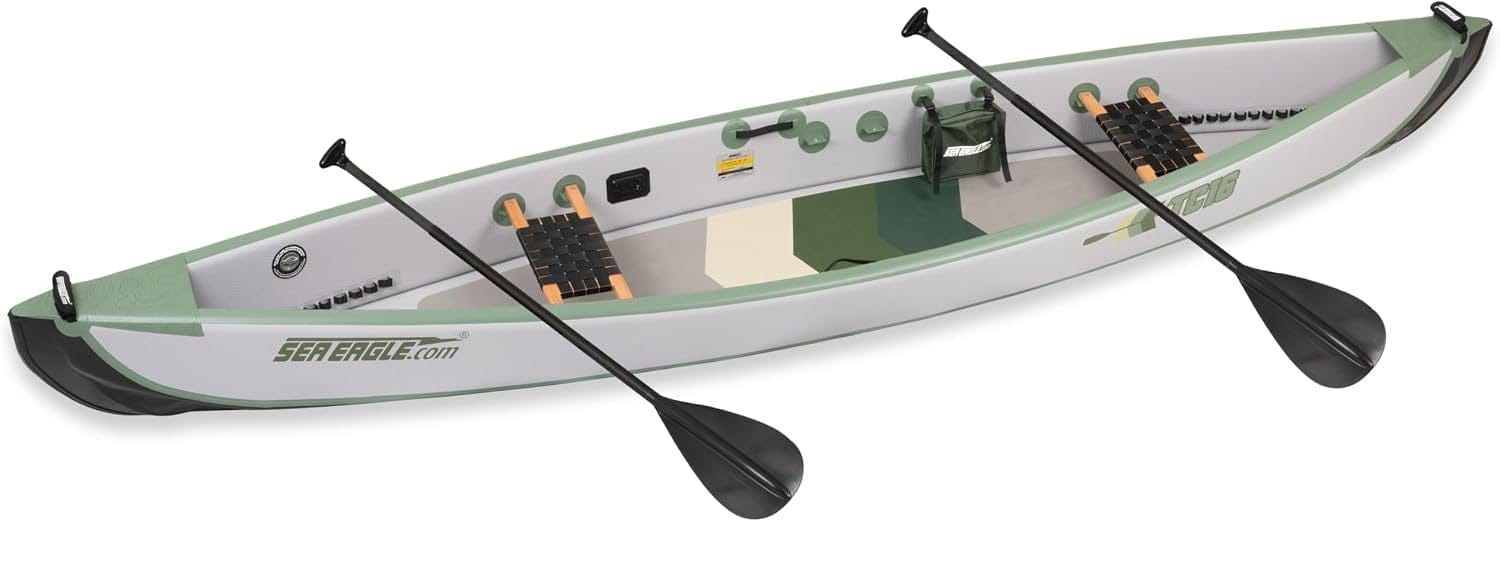 | 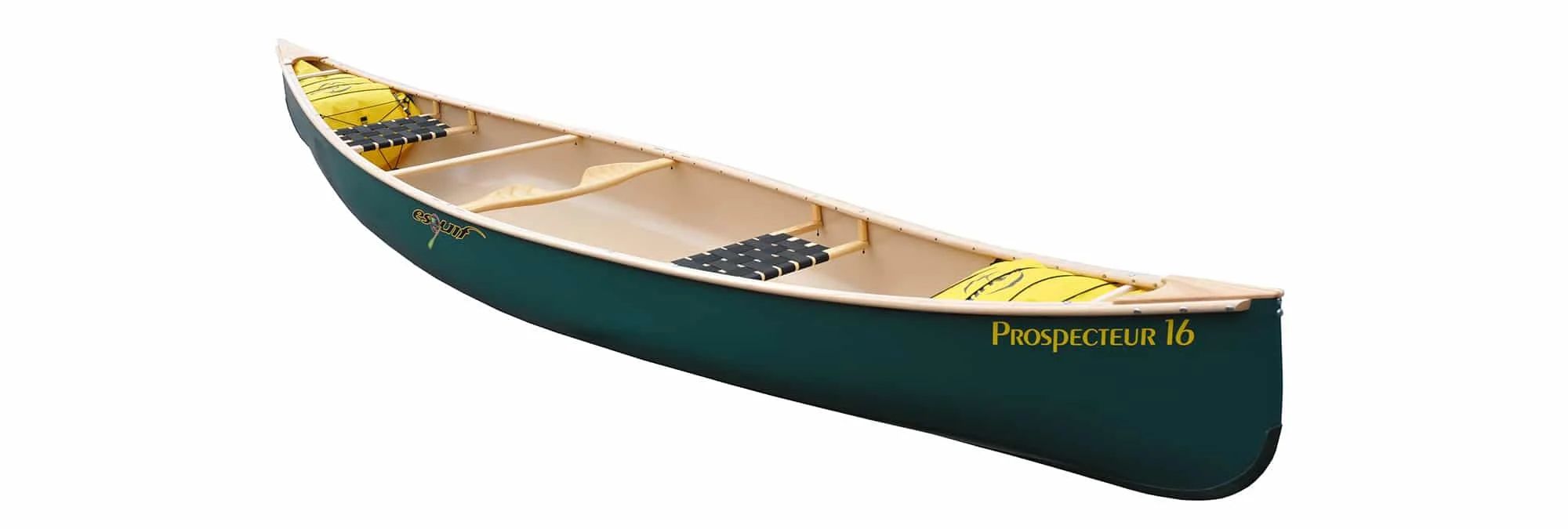 VS | |
| Dimensions | 16 × 3 ft 2 in × 1 ft 8 in | 16 × 2.9 ft |
| Weight | 55 lb | 65 lb |
| Capacity | 915 lb | 1000 lb |
| Material | 1000 Denier Reinforced PVC | T-Formex |
| Seat Count | 2 | N/A |
| Warranty | 3-year limited warranty | 3-year limited warranty |
| Transom | N/A | N/A |
| Rocker | N/A | 2.75 |
| Carrying Handles | Front: Carry Handle | N/A |
| Sea Eagle TC16 | Esquif Prospecteur 16 |
|---|---|
| |
| Dimensions | |
16 × 3 ft 2 in × 1 ft 8 in | 16 × 2.9 ft |
| Weight | |
55 lb | 65 lb |
| Capacity | |
915 lb | 1000 lb |
| Material | |
1000 Denier Reinforced PVC | T-Formex |
| Seat Count | |
2 | N/A |
| Warranty | |
3-year limited warranty | 3-year limited warranty |
| Transom | |
N/A | N/A |
| Rocker | |
N/A | 2.75 |
| Carrying Handles | |
Front: Carry Handle | N/A |
Stability
TC16
Prospecteur 16
Stability is the foundation of confidence on the water, especially for beginners, families, or anglers who need a steady platform in chop or light white‑water. A highly stable canoe resists tipping and feels secure when loading gear or moving with multiple paddlers. The Sea Eagle TC16 scores a commanding 4.7/5, with buyers repeatedly praising its rock‑solid primary and secondary stability, even with three people aboard. The Esquif Prospecteur 16 trails at 3.6/5, where reviewers note decent tracking but moderate stability in choppy conditions. Winner: product1. The TC16 is the safer choice for stability‑focused outings, while the Prospecteur suits calmer waters where agility matters more.
Performance
TC16
Prospecteur 16
Performance covers speed, maneuverability, and how the hull handles currents and rapids. Paddlers who chase distance, race, or need quick response in moving water value a canoe that cuts through with minimal drag. The Prospecteur 16 earns 3.9/5, with users highlighting its nimble turning, better tracking, and ability to handle class 1‑3 white‑water. The TC16 lags at 3.3/5, with feedback pointing to slower acceleration and a heavier feel that reduces glide. Winner: product2. If you prioritize speed and agile handling, the Prospecteur is the clear performer; the TC16 trades speed for stability.
Comfort
TC16
Prospecteur 16
Comfort determines how enjoyable long days on the water are, from seat padding to leg room and back support. The TC16 shines with a 4.7/5 rating, thanks to its true wood‑nylon seats, EVA non‑slip pads, and thoughtful ergonomics that keep paddlers comfortable for hours. The Prospecteur 16 scores 3.8/5; its bench‑style seats are functional but lack the cushioning and adjustability of the TC16, leading some users to report back strain on longer trips. Winner: product1. For family outings, fishing trips, or multi‑hour paddles, the TC16’s superior seating makes it the more comfortable option.
Versatility
TC16
Prospecteur 16
Versatility measures how well a canoe adapts to solo or tandem paddling, gear configurations, storage, and different water types. The TC16’s 4.6/5 rating reflects its fold‑up design, multiple carry handles, configurable seating, and ability to carry three people or be paddled solo from the bow. The Prospecteur 16 follows closely at 4.4/5, praised for its portability, yoke system, and suitability for day trips to multi‑week expeditions, but it lacks the TC16’s compact packing and extra handles. Winner: product1. The TC16 edges out as the more adaptable canoe, especially for users who need easy transport and flexible seating.
Weight & Capacity
TC16
Prospecteur 16
Weight influences how easy a canoe is to carry and load, while capacity determines how much gear or how many paddlers you can safely bring. The Prospecteur 16 scores 4.4/5, balancing a manageable 65 lb weight with a generous 1,000 lb capacity, making it ideal for gear‑heavy trips. The TC16, despite being lighter at 55 lb, carries up to 915 lb and receives a lower 3.4/5 rating due to its heavier feel during solo handling and lower overall load limit. Winner: product2. For expeditions that demand maximum gear capacity, the Prospecteur’s higher rating makes it the better choice, even though it’s a bit heavier.
Durability
TC16
Prospecteur 16
Durability reflects how well a canoe stands up to impacts, UV exposure, and long‑term wear. The TC16’s inflatable, 1000‑denier PVC hull with three chambers and drop‑stitch construction earns a solid 4.4/5, with owners noting puncture resistance and the safety of staying afloat if swamped. The Prospecteur’s T‑Formex polyethylene receives a 3.8/5 rating; while it resists scratches, some users describe the material as less robust over time. Winner: product1. The TC16’s reinforced inflatable design offers superior peace‑of‑mind for rugged use.
Trust & Transparency
- Data-driven rankings from real user reviews
- Affiliate partnerships don't influence our methodology
We may earn commission from links.
Conclusion & Final Verdict:
Verdict: If you need a canoe that feels rock‑steady, offers plush seating, and can survive the roughest handling, the Sea Eagle TC16 is the better fit. If you prioritize lighter weight, higher gear capacity, and a more responsive paddle feel for faster trips or mild rapids, the Esquif Prospecteur 16 takes the lead. Choose the model that aligns with your primary paddling goals—stability and comfort versus speed and load capacity.
Related Comparisons
Pelican Explorer 14.6 DLX canoevsEsquif Prospecteur 16
The Pelican Explorer 14.6 DLX offers rock‑solid stability but is heavy, while the Esquif Prospecteur 16 is lighter, carries more gear and performs better in varied water. Choose the Explorer for beginner‑friendly steadiness; pick the Prospecteur for speed, capacity and versatility.
Sea Eagle TC16vsEsquif Mallard Canoe
Sea Eagle TC16 offers rock‑solid stability and plush seating for family trips, while the Esquif Mallard delivers higher performance, lighter weight and greater versatility for solo or tandem paddlers.
Sea Eagle TC16vsNorthstar B 16
Sea Eagle’s TC16 offers rock‑solid stability and comfort for family or fishing trips, while Northstar’s B‑16 is built for speed and lighter handling—pick the TC16 for steadiness, the B‑16 for performance.
Sea Eagle TC16vsOld Town Discovery 119
The Sea Eagle TC16 delivers rock‑solid stability and a massive 915 lb capacity, while the Old Town Discovery 119 is lighter, faster and more versatile for solo outings. Choose the TC16 for family or heavy‑load trips; pick the Discovery 119 for speed, portability and single‑person use.
Sea Eagle TC16vsOld Town Discovery 133
The Sea Eagle TC16 offers superior stability, comfort and higher load capacity, while the Old Town Discovery 133 delivers better performance, lighter weight handling and a lifetime hull warranty. Choose the TC16 for family or fishing trips; pick the Discovery 133 for speed and easier portage.
Sea Eagle TC16vsOld Town Discovery 158
The Sea Eagle TC16 is lighter, more stable and comfortable for easy transport and family outings, while the Old Town Discovery 158 is heavier but offers higher load capacity, better speed and a lifetime hull warranty—pick the TC16 for stability and portability, the Discovery for power and payload.