
Pelican Seek 100X vs Eddyline Sandpiper 120
Why You Can Trust Us
- Side-by-side analysis based on real user feedback
- Unbiased comparisons, not influenced by partnerships
- Updated as new data becomes available
We may earn from affiliate links at no extra cost to you.
| Pelican Seek 100X | Eddyline Sandpiper 120 | |
|---|---|---|
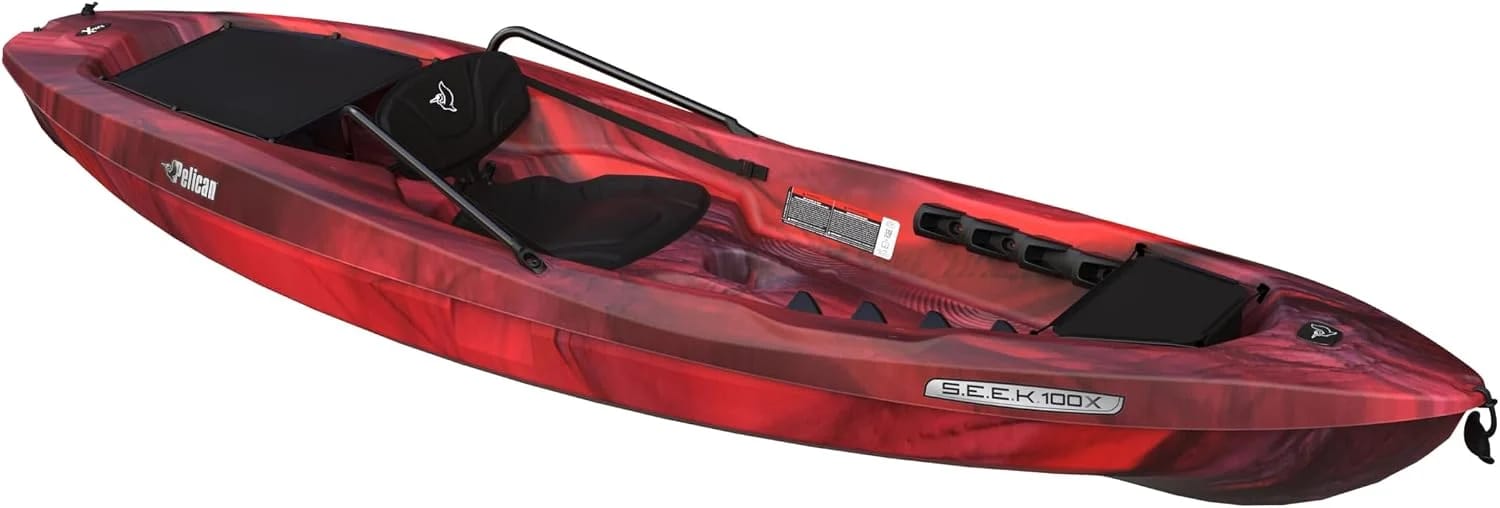 | 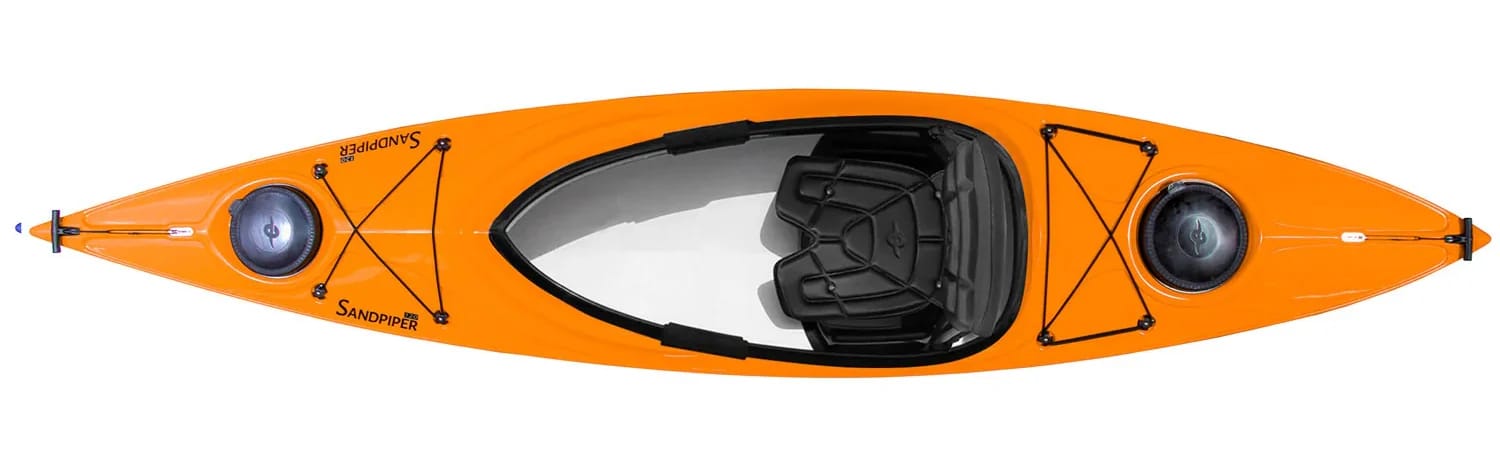 VS | |
| Weight | 43.1 lb | 38 lb |
| Length | 10 ft | 12 ft |
| Width | 30 in | 28 in |
| Weight Capacity | 300 lb | 350 lb |
| Hull Type | Hardshell | Sit Inside |
| Warranty | Lifetime Limited Warranty | 3 Years |
| Hull Material | Polyethylene | N/A |
| Seating Capacity | 1 | N/A |
| Seat Type | N/A | Fixed |
| Storage Features | Ripstop tankwell cover, bow ripstop bag, dual‑position bottle holder | 2 hatches, deck storage, bungees |
| Rudder Or Skeg | N/A | N/A |
| Pelican Seek 100X | Eddyline Sandpiper 120 |
|---|---|
| |
| Weight | |
43.1 lb | 38 lb |
| Length | |
10 ft | 12 ft |
| Width | |
30 in | 28 in |
| Weight Capacity | |
300 lb | 350 lb |
| Hull Type | |
Hardshell | Sit Inside |
| Warranty | |
Lifetime Limited Warranty | 3 Years |
| Hull Material | |
Polyethylene | N/A |
| Seating Capacity | |
1 | N/A |
| Seat Type | |
N/A | Fixed |
| Storage Features | |
Ripstop tankwell cover, bow ripstop bag, dual‑position bottle holder | 2 hatches, deck storage, bungees |
| Rudder Or Skeg | |
N/A | N/A |
Comfort
Pelican Seek 100X
Eddyline Sandpiper 120
Comfort determines how enjoyable long days on the water will be, especially for beginners who spend many hours seated. A well‑cushioned seat, adjustable backrest, and thoughtful cockpit layout reduce fatigue and keep paddlers focused on the experience. The Sandpiper 120 scores a strong 4.8/5 thanks to its super‑comfortable, adjustable seat, padded thigh rests, knee pads and a supportive backrest that reviewers describe as "cozied up into the cockpit." The Seek 100X, while offering an adjustable Ergoform system, relies on a thinner cushion that can feel less supportive and even wet after extended use, earning a modest 3.6/5. For paddlers who prioritize a plush ride, the Sandpiper 120 is the clear winner.
Stability
Pelican Seek 100X
Eddyline Sandpiper 120
Stability gives confidence in choppy water and when standing up to fish or explore. A stable hull resists capsizing and makes entry and exit easier for less experienced users. The Sandpiper 120 earns 3.9/5, praised for its "super stable" feel, bulkheads, and forgiving soft‑chine design that keep it upright in waves and wind. The Seek 100X, rated 3.2/5, benefits from a wide beam and traction ridges but can be pushed around by wind and shows tracking issues without a skeg. Overall, the Sandpiper’s more consistent stability makes it the better choice for most recreational paddlers.
Performance
Pelican Seek 100X
Eddyline Sandpiper 120
Performance covers speed, tracking and how efficiently a kayak moves through water—key for covering distance or chasing fish. Lighter hulls and sharp tracking lines translate to quicker, smoother paddling. The Sandpiper 120 scores 4.2/5, with reviewers noting it is 20 % lighter than comparable rotomolded models, cuts through water cleanly and tracks straight even in wind. The Seek 100X, at 3.6/5, is quick to respond but suffers from spinny behavior at higher speeds and lacks a pedal drive, limiting its top‑end speed. The Sandpiper’s superior weight and tracking give it the performance edge.
Maneuverability
Pelican Seek 100X
Eddyline Sandpiper 120
Maneuverability matters when navigating tight coves, winding rivers or avoiding obstacles. A kayak that turns easily and holds its line when you stop paddling feels safer and more fun. The Sandpiper 120 receives a 3.7/5 rating, with users highlighting its ability to heel over, maneuver around obstacles and handle tight turns. The Seek 100X lags at 2.6/5; wind and currents can cause sideways drift, and the skeg only helps straight‑line stability, not quick turns. For paddlers who need agility, the Sandpiper wins.
Durability
Pelican Seek 100X
Eddyline Sandpiper 120
Durability ensures the kayak survives regular launches, impacts and long‑term storage without costly repairs. Materials that resist dents, scratches and UV damage are especially valuable for frequent adventurers. The Sandpiper 120 scores 3.9/5, with abundant praise for its thermal‑form construction, stainless‑steel fittings and overall toughness even after years of rough use. The Seek 100X, rated 3.7/5, is built from durable polyethylene but shows wear on straps and handles over time. While both are solid, the Sandpiper’s broader durability feedback gives it a slight advantage.
Portability
Pelican Seek 100X
Eddyline Sandpiper 120
Portability affects how easily you can transport, launch and store the kayak—critical for day‑trippers and those with limited vehicle space. Lighter weight, built‑in handles and compact dimensions all contribute to a smoother carry. The Sandpiper 120 edges ahead with a 4.1/5 rating, weighing just 38 lb and featuring built‑in handles, easy shoulder carry and roof‑rack friendliness praised by many owners. The Seek 100X, at 3.9/5, is still light at under 45 lb and includes a universal trolley, but its extra weight and fewer carry features place it just behind. For the most portable option, choose the Sandpiper.
Trust & Transparency
- Data-driven rankings from real user reviews
- Affiliate partnerships don't influence our methodology
We may earn commission from links.
Conclusion & Final Verdict:
Bottom Line
For most recreational paddlers, the Eddyline Sandpiper 120 delivers a superior overall experience: it’s more comfortable, stable, faster, more maneuverable, slightly more durable, and easier to transport. The Pelican Seek 100X still offers a solid, lifetime‑warrantied hull and a marginally wider beam that some may prefer for extra stability, but it falls short in the key areas that most paddlers value. Choose the Sandpiper if you want the best all‑round performance; opt for the Seek if a lifetime warranty and a slightly broader platform are your top priorities.
Related Comparisons
Pelican Seek 100XvsEddyline Sandpiper 130
The Pelican Seek 100X is ultra‑light and easy to carry but offers modest stability, while the Eddyline Sandpiper 130 provides superior comfort, stability, performance and load capacity at a higher weight.
Pelican Seek 100XvsEddyline Sky 100
The Eddyline Sky 100 is lighter, more comfortable and performs better, while the Pelican Seek 100X offers a higher weight capacity and a wider beam for extra stability. Choose the Sky 100 for most paddlers; pick the Seek 100X if you need more load capacity.
Pelican Seek 100XvsHurricane Prima 125
The Hurricane Prima 125 outshines the Pelican Seek 100X in comfort, stability, performance and overall handling, making it the better all‑round recreational kayak; the Seek 100X’s slightly lighter weight and compact size may suit paddlers who prioritize ultra‑easy transport over premium ride quality.
Pelican Seek 100XvsIntex Recreation Corp. Challenger™ K1 Inflatable
The Intex Challenger K1 inflates quickly, is lighter and far more comfortable, while the Pelican Seek 100X offers a sturdier hardshell with higher weight capacity. Choose the Challenger for easy transport and comfort; pick the Seek if you need extra load capacity and a rigid hull.
Pelican Seek 100XvsLiquidlogic Liquid Logic Saluda 12
The Pelican Seek 100X is lighter and easier to transport, but the Liquid Logic Saluda 12 delivers superior comfort, stability, performance and maneuverability, making it the better all‑round recreational kayak for most paddlers.
Pelican Seek 100XvsOld Town Heron 11XT
The Old Town Heron 11XT outperforms the Pelican Seek 100X in comfort, stability and overall performance, while the Seek’s ultra‑light sit‑on‑top design may appeal to paddlers who prioritize portability.