
Salomon Stance 80 vs Völkl Blaze 86
Why You Can Trust Us
- Side-by-side analysis based on real user feedback
- Unbiased comparisons, not influenced by partnerships
- Updated as new data becomes available
We may earn from affiliate links at no extra cost to you.
| Stance 80 | Blaze 86 | |
|---|---|---|
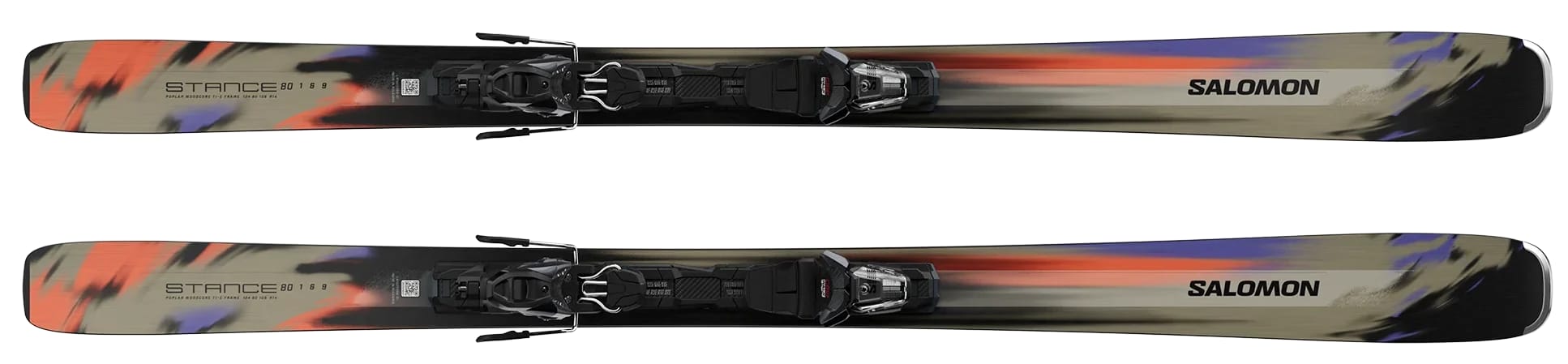 | 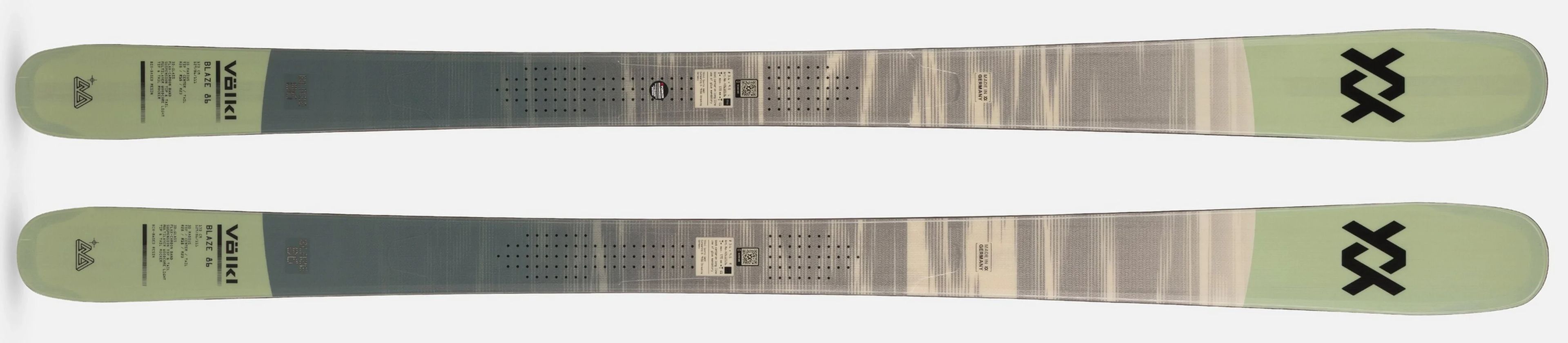 VS | |
| Waist Width | 80 mm | 86 mm |
| Turn Radius | 14 m at 169 cm (10-17 m by size) | 13 m center radius at 166 cm (3D Radius) |
| Rocker Profile | 12% tip rocker, camber, 15% tail rocker | Tip and tail rocker, camber underfoot |
| Included Binding | Salomon M11 (DIN 3.5-11, GripWalk) | Flat (no binding included) |
| Weight | 6.0 lb per ski with binding (169 cm) | 3.2 lb per ski, no binding (166 cm) |
| Length Range | 141, 151, 161, 169, 177, 185 cm | 146, 152, 159, 166, 173, 180 cm |
| Warranty | 2 Years ski, 5 Years binding (Salomon) | 2 Years (Völkl limited) |
| Sidecut | 124-80-106 mm (169 cm) | 129-86-111 mm |
| Core Material | Poplar woodcore | Multilayer Woodcore Light (FSC wood) |
| Construction | Semi sandwich sidewalls, Ti insert, Ti-C Frame | Full ABS sidewall, flax-carbon and glass layers, no titanal |
| Ability Level | Beginner to intermediate (Salomon) | Intermediate (Amazon listing) |
| Salomon Stance 80 | Völkl Blaze 86 |
|---|---|
| |
| Waist Width | |
80 mm | 86 mm |
| Turn Radius | |
14 m at 169 cm (10-17 m by size) | 13 m center radius at 166 cm (3D Radius) |
| Rocker Profile | |
12% tip rocker, camber, 15% tail rocker | Tip and tail rocker, camber underfoot |
| Included Binding | |
Salomon M11 (DIN 3.5-11, GripWalk) | Flat (no binding included) |
| Weight | |
6.0 lb per ski with binding (169 cm) | 3.2 lb per ski, no binding (166 cm) |
| Length Range | |
141, 151, 161, 169, 177, 185 cm | 146, 152, 159, 166, 173, 180 cm |
| Warranty | |
2 Years ski, 5 Years binding (Salomon) | 2 Years (Völkl limited) |
| Sidecut | |
124-80-106 mm (169 cm) | 129-86-111 mm |
| Core Material | |
Poplar woodcore | Multilayer Woodcore Light (FSC wood) |
| Construction | |
Semi sandwich sidewalls, Ti insert, Ti-C Frame | Full ABS sidewall, flax-carbon and glass layers, no titanal |
| Ability Level | |
Beginner to intermediate (Salomon) | Intermediate (Amazon listing) |
Stability
Stance 80
Blaze 86
Stability matters for beginners because it determines how calm the ski feels when speed builds on a groomer or when you run into a patch of firmer snow. The Blaze 86 earns the edge here, with buyers repeatedly describing it as more stable at speed and reliable on fast, firm slopes. Its flatter profile is credited with giving it more power and a steadier platform than many mid-80s groomers. The Stance 80 also gets praise for a sturdy build and good torsional stiffness underfoot, and buyers say it will hold up for a long time. However, several owners find it not as stiff as they expected and say it doesn't inspire much confidence when you go fast. For a learner who expects to ski faster terrain soon, the Blaze 86 is the more reassuring choice, while a beginner who mostly skis at moderate speeds will find the Stance 80 adequate.
Forgiveness
Stance 80
Blaze 86
Forgiveness describes how well a ski tolerates mistakes such as late weight shifts, skidded turns or uneven stance, which is critical in the first season. The Stance 80 wins this category, with buyers saying it works well for someone who has never skied before and that it is not demanding to ski. Its softer tip and the way the metal laminate avoids overstiffening the ski are cited as reasons it stays friendly. The Blaze 86 is described as not too stiff, which helps, but feedback on its forgiveness is limited and less specific. Because the Stance 80 has more consistent comments about being easy to live with, it is the safer bet for a complete beginner who expects to make plenty of errors. The Blaze 86 can still be forgiving, but buyers are less likely to describe it that way.
Ease Of Use
Stance 80
Blaze 86
Ease of use covers how quickly a ski lets you start, steer and stop without much effort, which shapes how fast you progress. The Blaze 86 leads here, with buyers calling it super maneuverable, easy to shorten into quick turns and easy to steer in deeper snow and trees. Its flat base is praised for easy swiveling and intuitive turn initiation, and the 166 cm length is described as nice and easy to handle. The Stance 80 also scores well, with owners saying its softer tip makes turn initiation easy and that anyone can get on it and have a good time without thinking too hard. The difference is mainly in feel: the Stance 80 is easy because it is calm and predictable, while the Blaze 86 is easy because it turns readily and responds quickly. A learner who wants to turn with little effort will appreciate the Blaze 86, but one who prefers a slower, more predictable ski will be happy with the Stance 80.
Edge Grip
Stance 80
Blaze 86
Edge grip determines how well the ski holds on firm snow and carves through a turn, which affects confidence on groomed runs and icy patches. The Stance 80 is the stronger performer, with buyers saying the metal laminate gives much better edge grip and that the ski carves short, tight radius turns with a solid hold. Owners also mention that the effective edge stays engaged for longer through a turn. The Blaze 86 gets decent grip on firmer snow and a longer effective edge when carving, but the feedback on it is thinner and more measured. The Stance 80 is the better choice for a beginner who wants to practice carving on groomers, while the Blaze 86 will still hold adequately for casual use.
Smoothness
Stance 80
Blaze 86
Smoothness describes how much vibration reaches your feet and how well the ski absorbs chatter, which matters on rough or variable snow. The Stance 80 is praised for feeling smooth from tip to tail, with buyers noting good rebound into the next turn and a damp wood core that filters out chatter. The Blaze 86 gets a more mixed reception: some buyers report a vibration-y feel, and its lighter tips can chatter on pure ice, although suspension in the tips and tails is said to reduce vibration for many riders. Because the Blaze 86's feedback is split, the Stance 80 is the clearer choice if a calm ride matters most. Skiers who spend most of their time on groomers may find the Blaze 86 acceptable, but those who ski a lot of variable or icy snow should favor the Stance 80.
Versatility
Stance 80
Blaze 86
Versatility matters for a beginner because a first ski should work across the conditions you encounter over a season, from groomers to soft snow. The Blaze 86 is the clear leader here, with buyers calling it extremely versatile and noting that it works well on and off piste, from bumps and trees to deeper snow and light touring. Its wider boot and binding range and its 3D turn radius, which lets you change turn shape, add to its appeal for skiers who want room to grow. The Stance 80 is also praised for working across groomers, mixed conditions, moguls and glades, and its early taper gives it useful soft-snow capability. Its narrower 80 mm waist and strictly directional shape limit it in off-piste float and in park or switch skiing. If you expect to explore varied terrain or try touring, the Blaze 86 is the more flexible ski, but for mostly on-piste resort skiing the Stance 80 covers most needs.
Trust & Transparency
- Data-driven rankings from real user reviews
- Affiliate partnerships don't influence our methodology
We may earn commission from links.
Conclusion & Final Verdict:
Choose the Salomon Stance 80 if you are a true beginner who wants a forgiving, easy-to-start ski with good edge grip, a smooth ride and a binding included. It is also the better value if you want the convenience of a ready-to-ski package and the longer binding warranty.
Choose the Völkl Blaze 86 if you are already comfortable on skis and want a more agile, versatile ski that is steadier at speed and handles trees, bumps, soft snow and light touring. Be prepared to buy bindings separately and accept a rougher ride on icy or variable snow.
Related Comparisons
Nordica Steadfast 80 DCvsVölkl Blaze 86
The Steadfast 80 DC is the better pick for beginners who want easy, confident turns and strong edge hold on groomers, while the Blaze 86 suits skiers who want a quick, versatile ski for trees, soft snow, and light touring. Both earn 4/5, so the choice comes down to whether you value a forgiving front-side feel or all-terrain range.
Rossignol Rallybird Soul 92vsVölkl Blaze 86
The Rallybird Soul 92 is the steadier, more damped pick with firmer edge grip and easier tail release for beginners who want to grow into carving on groomers. The Völkl Blaze 86 is the lighter, more versatile choice for skiers who want quick turns in trees, bumps, and soft snow.
Salomon Stance 80vsHead Pure Joy
The Salomon Stance 80 is the easier, more forgiving choice for true first-timers who want effortless turn starts and confident edge grip. The Head Pure Joy suits learners who expect to progress onto blues and some blacks, though it gets chattier as speed increases.
Salomon Stance 80vsLINE Pandora 92
The Stance 80 suits a true beginner who wants an easygoing, forgiving ski that is simple to start turns on and holds a solid carve on groomers. The Pandora 92 is the better pick for a developing skier who wants a nimble, versatile ski that handles soft snow and park features.
Salomon Stance 80vsVölkl Blaze 82
The Blaze 82 is the better all-round pick for most new skiers, with easier turning, more forgiveness and broader terrain range. The Stance 80 suits learners who want stronger edge grip for carving and a five-year binding warranty.
Völkl Blaze 86vsHead Pure Joy
The Völkl Blaze 86 is the more versatile and maneuverable choice, quick and steady across all-mountain terrain for skiers ready to build on the basics. The Head Pure Joy is the easier, more forgiving pick for true beginners, with an included binding and a rockered tip, though it gets chattery at higher speeds.