
Smith 4D MAG vs Giro Axis
Why You Can Trust Us
- Side-by-side analysis based on real user feedback
- Unbiased comparisons, not influenced by partnerships
- Updated as new data becomes available
We may earn from affiliate links at no extra cost to you.
| 4D MAG | Axis | |
|---|---|---|
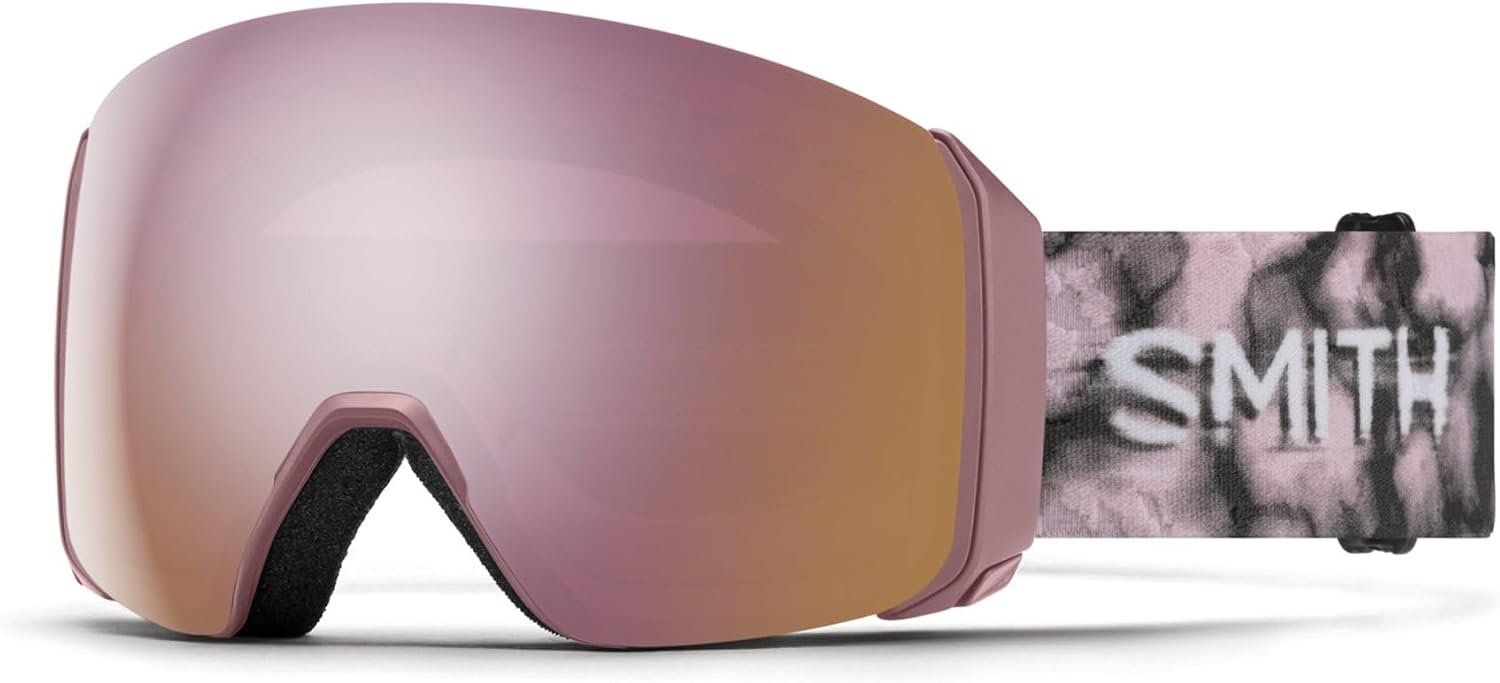 | 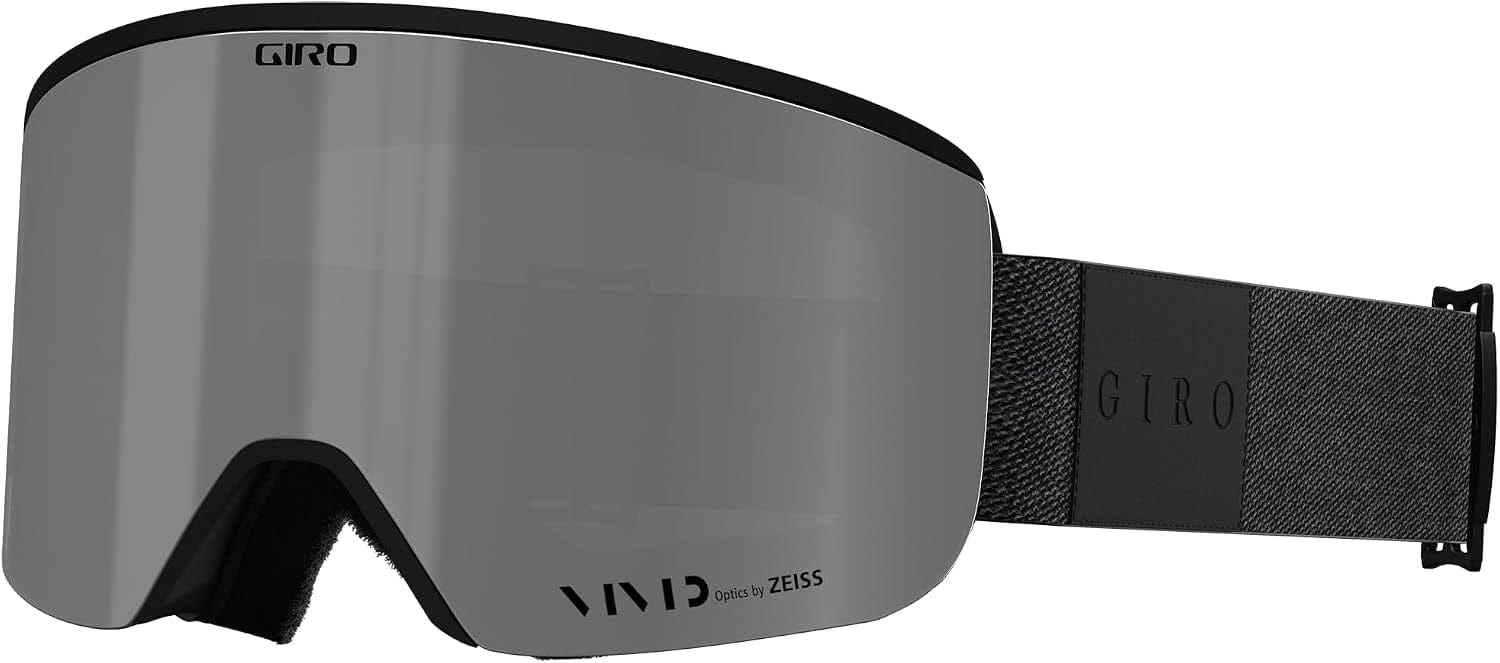 VS | |
| Lens Type | Spherical with BirdsEye Vision lower-lens curve | Cylindrical (injection-molded) |
| Lens Change System | MAG magnetic lens change system | Quick Change Lens System (magnets + 4 snap pins) |
| Included Lenses | 2: ChromaPop bright-light lens (installed) + ChromaPop low-light bonus lens; VLT varies by colorway | 2: VIVID sun/all-conditions lens + VIVID Infrared storm/low-light lens |
| Size | Medium fit; Low Bridge Fit available | Medium fit |
| OTG Compatibility | Not OTG-rated (Smith sells separate OTG models) | Not specified by maker |
| Lens Technology | ChromaPop with BirdsEye Vision | VIVID with Optics by ZEISS; Expansion View (EXV) |
| Warranty | Limited lifetime (manufacturer defects) | 1 year |
| Anti-fog Coating | Yes (anti-fog inner lens) | Yes (anti-fog lens coating) |
| Ventilation | AirEvac ventilation (integrates with Smith helmets) | EVAK Vent Technology |
| Helmet Compatibility | Designed for Smith helmet integration | Designed for Giro helmet integration |
| Foam Layers | 3 (DriWix face foam) | N/A |
| Case Included | Yes (hardcase + microfiber bag with lens sleeve) | N/A |
| Smith 4D MAG | Giro Axis |
|---|---|
| |
| Lens Type | |
Spherical with BirdsEye Vision lower-lens curve | Cylindrical (injection-molded) |
| Lens Change System | |
MAG magnetic lens change system | Quick Change Lens System (magnets + 4 snap pins) |
| Included Lenses | |
2: ChromaPop bright-light lens (installed) + ChromaPop low-light bonus lens; VLT varies by colorway | 2: VIVID sun/all-conditions lens + VIVID Infrared storm/low-light lens |
| Size | |
Medium fit; Low Bridge Fit available | Medium fit |
| OTG Compatibility | |
Not OTG-rated (Smith sells separate OTG models) | Not specified by maker |
| Lens Technology | |
ChromaPop with BirdsEye Vision | VIVID with Optics by ZEISS; Expansion View (EXV) |
| Warranty | |
Limited lifetime (manufacturer defects) | 1 year |
| Anti-fog Coating | |
Yes (anti-fog inner lens) | Yes (anti-fog lens coating) |
| Ventilation | |
AirEvac ventilation (integrates with Smith helmets) | EVAK Vent Technology |
| Helmet Compatibility | |
Designed for Smith helmet integration | Designed for Giro helmet integration |
| Foam Layers | |
3 (DriWix face foam) | N/A |
| Case Included | |
Yes (hardcase + microfiber bag with lens sleeve) | N/A |
Comfort & Fit
4D MAG
Axis
Comfort matters most on long ski days, because a goggle that pinches, slides, or leaks air will distract you long before the lenses fail. Both products earn strong praise here, but for different reasons. The 4D MAG's soft triple-layer dry-wick foam is described as comfortable over long days, seals out air, and sits without gaps on Smith helmets, while its silicone-lined strap and quick clip help it stay put. Some buyers with flatter nose bridges or smaller heads, however, find the regular size feels small, and foam quality drew a few criticisms. The Axis is commonly described as comfortable, with a nose area that does not pinch, wide wings, an integrated band, and a silicone inlay that keeps it planted. It also fits over prescription glasses, though pressure and looseness can vary by head shape. Because the 4D MAG has a slightly stronger comfort score and a Low Bridge option, it is the better bet for a secure fit on a Smith helmet, while the Axis is the safer choice for buyers who wear glasses or want a low-profile clip under a helmet.
Durability
4D MAG
Axis
Durability decides whether a goggle survives repeated crashes, cold storage, and several seasons of use. Evidence for both products is fairly thin, so this category should be read with some caution. The 4D MAG is praised for its very durable included hardcase, which also protects a spare lens, and reviewers describe the frame as well made. The Axis earns credit for injection-molded lenses and an ultra-durable, non-absorbent foam, but reviewers also report lenses being damaged beyond repair and plastic parts breaking over a few seasons. For buyers who ski hard or often, the 4D MAG looks like the more reassuring choice, while the Axis may suit lighter use if the lower price and comfort matter more.
Optical Clarity
4D MAG
Axis
Optical clarity shapes how much terrain you can read, how well you judge depth in flat light, and how much distortion you notice when you look down. The 4D MAG has a wide, toric-style view with a lower field of vision that many skiers praise, and the BirdsEye lower-lens curve helps distortion fade when looking at the terrain below your skis. Prescription inserts are available, and the ChromaPop optics are described as clear, though a few buyers still notice some lower-field distortion. The Axis has a frameless cylindrical design that delivers a big field of view, sharp detail, and good depth perception, and reviewers often highlight its visual clarity in snow. The Axis scores a little higher here, so buyers who prioritise sharp detail and depth in varied snow will likely prefer it, while those who want a broad lower view and a distinctive lens shape may still favour the 4D MAG.
Fog Control
4D MAG
Axis
Fog control is one of the biggest real-world concerns for skiers who move between cold slopes and warm lodges or work hard on steep climbs. The 4D MAG earns strong reviews, with its anti-fog inner coating and airflow system that moves air outside the goggle keeping lenses clear in humid and varied conditions, and reviewers report little to no fogging in use. The Axis uses vents, EVAK venting, and an evacuating foam that helps moisture escape while keeping water out, and the anti-fog coating is a plus for everyday skiing. However, fogging can still appear during high-intensity effort or on very foggy trails, and the foam must be fully dried overnight to avoid dampness. The 4D MAG is clearly the more dependable pick for fog, especially for buyers who ride hard or ski in changeable humidity.
Lens Changing
4D MAG
Axis
Lens changing matters because light conditions on the hill can shift quickly, and a goggle that is slow or fiddly to swap encourages skiers to stick with the wrong lens. The 4D MAG's magnetic MAG system is a clear standout, with quick button-turn swaps that work even with gloves on and lenses that stay secure once seated. A few buyers find its clip-in feel weaker than some competing systems. The Axis also uses magnetic self-locating lenses that make swaps between its sun and low-light lenses quick, and many reviewers find the lenses easy to remove. However, some report that lenses do not always snap securely and can pop off, so buyers should always check the lock before heading down. The 4D MAG is the more reliable choice for frequent lens changes, while the Axis works well for occasional swaps if you are careful about seating the lens.
Style
4D MAG
Axis
Style matters because goggles are worn in public at the top of the lift, and many skiers want gear that reflects their taste. The 4D MAG earns consistent praise for its modern, high-tech look, with the wrapped toric lens and rimless design drawing compliments. The Axis is also well liked, with multiple colour options and a frameless, drippy look, including a distinctive patch that gives it character. Both are appealing, but the 4D MAG's score is slightly higher and its look is more clearly positioned as high-tech. Buyers who want a sleek, futuristic goggle should lean toward the 4D MAG, while those who prefer a bolder colour choice and a more playful design may enjoy the Axis.
Trust & Transparency
- Data-driven rankings from real user reviews
- Affiliate partnerships don't influence our methodology
We may earn commission from links.
Conclusion & Final Verdict:
The 4D MAG is the better all-round choice for most skiers, especially those who want quick lens changes, strong fog control, a longer warranty, and a sleek look. It wins in four of six categories, and its included hardcase and lifetime warranty add real value.
The Giro Axis makes sense for buyers who want a frameless, sharp-looking goggle with a big view, a low-profile clip that fits under a helmet, and compatibility with prescription glasses. Choose it if optical clarity in snow matters most to you and you are willing to dry the foam overnight and check lens seating before each run.
Related Comparisons
Smith 4D MAGvsAnon M5
The Smith 4D MAG suits skiers who want wider lower-field views, faster glove-friendly lens swaps, and a helmet-integrated fit. The Anon M5 suits buyers who prioritize sharper, lower-distortion optics and a cleaner rimless look.
Smith 4D MAGvsDragon NFX MAG OTG
The Smith 4D MAG suits skiers who want the widest lower view, the quickest glove-friendly lens swaps, and a case included, while the Dragon NFX MAG OTG fits buyers who want OTG compatibility, a slightly more refined magnetic swap, and a tough, stylish frame.
Smith 4D MAGvsGiro Contour
The Smith 4D MAG is the better pick for fog control and quick, secure lens swaps, with a wide lower view. The Giro Contour leads on sharp optics and a forgiving, comfortable fit for long days, so choose it if image clarity and fit matter most.
Smith 4D MAGvsGlade Optics Adapt 2
The Smith 4D MAG is the better choice for skiers who want fast magnetic lens swaps, a wide lower view, and a hard case, especially on Smith helmets. The Glade Optics Adapt 2 suits buyers with wider faces or OTG needs who want a cylindrical fit and a photochromic lens that handles changing light without swaps.
Smith 4D MAGvsOakley Flight Deck
The Smith 4D MAG is the better pick for fast magnetic lens swaps, a bonus lens, and a hard case, especially with Smith helmets. The Oakley Flight Deck is the stronger choice for all-day comfort, a crisp rimless view, and goggles that fit over prescription eyewear.
Smith 4D MAGvsOakley Flow Scape
The Smith 4D MAG is the better pick if you swap lenses often, wear gloves, or ski a Smith helmet, thanks to its quick magnetic changes and secure fit. The Oakley Flow Scape suits skiers who put optics first, with a wider downhill view and stronger snow contrast.