
Smith 4D MAG vs Oakley Flight Deck
Why You Can Trust Us
- Side-by-side analysis based on real user feedback
- Unbiased comparisons, not influenced by partnerships
- Updated as new data becomes available
We may earn from affiliate links at no extra cost to you.
| 4D MAG | Flight Deck | |
|---|---|---|
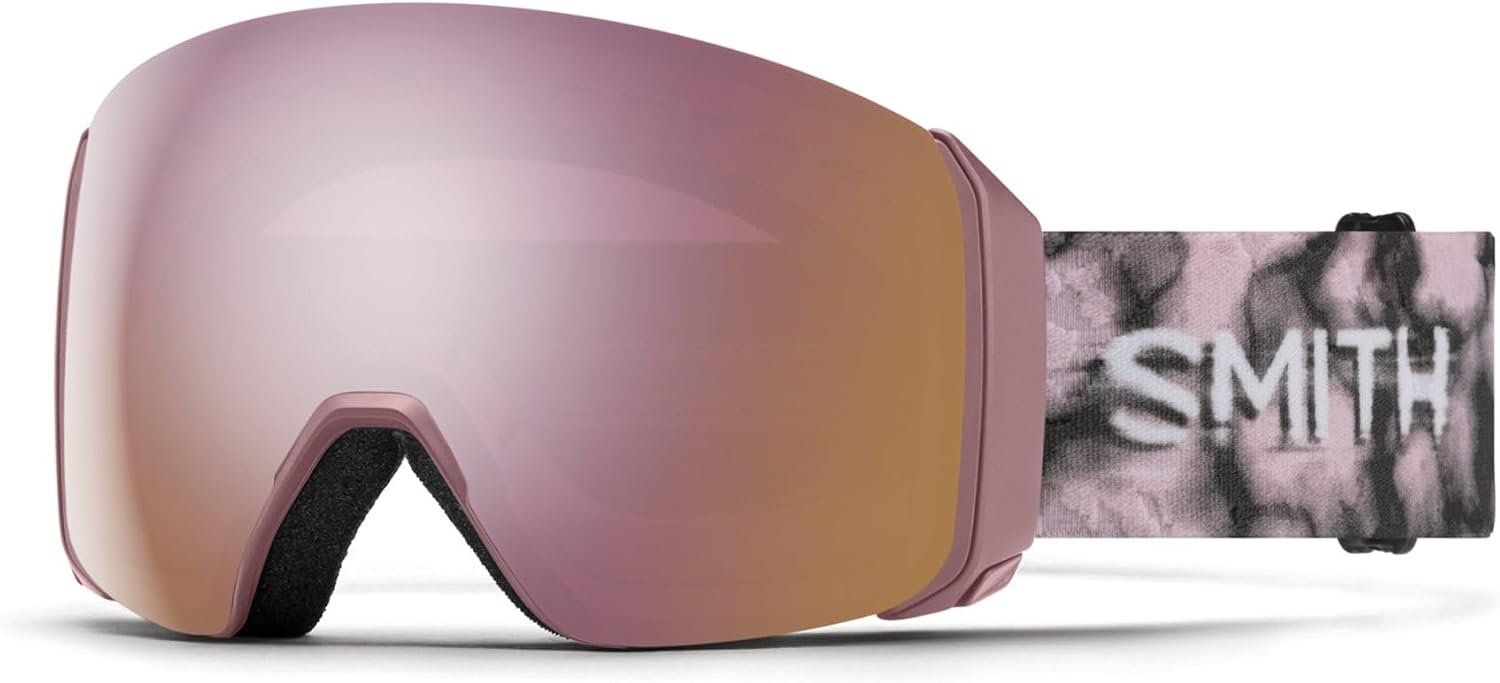 | 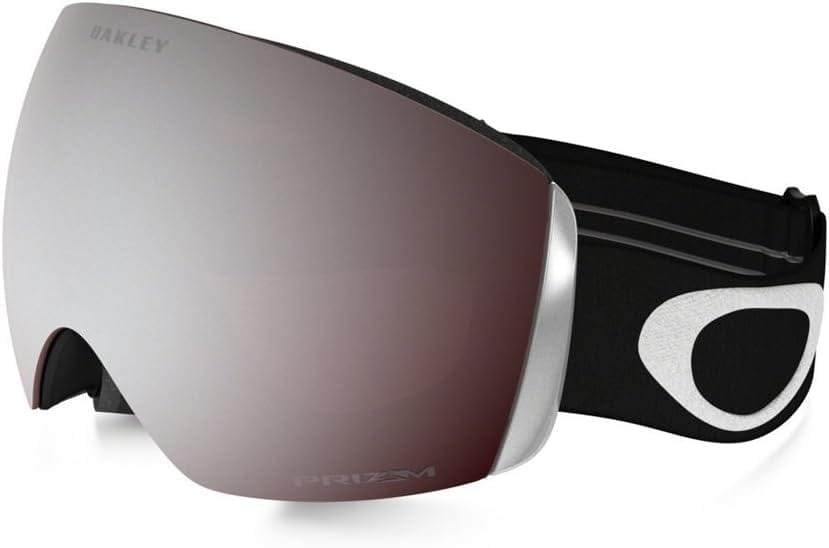 VS | |
| Lens Type | Spherical with BirdsEye Vision lower-lens curve | Spherical, dual-pane (rimless) |
| Lens Change System | MAG magnetic lens change system | Ridgelock lens change system |
| Included Lenses | 2: ChromaPop bright-light lens (installed) + ChromaPop low-light bonus lens; VLT varies by colorway | 1 Prizm lens (e.g., Prizm Snow Black Iridium 5.5% VLT); VLT varies by colorway |
| Size | Medium fit; Low Bridge Fit available | L (large fit); M version available |
| OTG Compatibility | Not OTG-rated (Smith sells separate OTG models) | Yes (frame notches fit most prescription eyewear) |
| Lens Technology | ChromaPop with BirdsEye Vision | Prizm Snow |
| Warranty | Limited lifetime (manufacturer defects) | 2 years |
| Anti-fog Coating | Yes (anti-fog inner lens) | Yes (F3 anti-fog coating) |
| Ventilation | AirEvac ventilation (integrates with Smith helmets) | N/A |
| Helmet Compatibility | Designed for Smith helmet integration | Yes (rimless frame fits most helmets) |
| Foam Layers | 3 (DriWix face foam) | 3 |
| Case Included | Yes (hardcase + microfiber bag with lens sleeve) | No hard case (microbag) |
| Smith 4D MAG | Oakley Flight Deck |
|---|---|
| |
| Lens Type | |
Spherical with BirdsEye Vision lower-lens curve | Spherical, dual-pane (rimless) |
| Lens Change System | |
MAG magnetic lens change system | Ridgelock lens change system |
| Included Lenses | |
2: ChromaPop bright-light lens (installed) + ChromaPop low-light bonus lens; VLT varies by colorway | 1 Prizm lens (e.g., Prizm Snow Black Iridium 5.5% VLT); VLT varies by colorway |
| Size | |
Medium fit; Low Bridge Fit available | L (large fit); M version available |
| OTG Compatibility | |
Not OTG-rated (Smith sells separate OTG models) | Yes (frame notches fit most prescription eyewear) |
| Lens Technology | |
ChromaPop with BirdsEye Vision | Prizm Snow |
| Warranty | |
Limited lifetime (manufacturer defects) | 2 years |
| Anti-fog Coating | |
Yes (anti-fog inner lens) | Yes (F3 anti-fog coating) |
| Ventilation | |
AirEvac ventilation (integrates with Smith helmets) | N/A |
| Helmet Compatibility | |
Designed for Smith helmet integration | Yes (rimless frame fits most helmets) |
| Foam Layers | |
3 (DriWix face foam) | 3 |
| Case Included | |
Yes (hardcase + microfiber bag with lens sleeve) | No hard case (microbag) |
Comfort & Fit
4D MAG
Flight Deck
Comfort matters most in ski goggles because a pair that pinches, slips, or pressures the nose can ruin a long day on the mountain. Buyers consistently describe the Flight Deck as comfortable across a wide range of faces, citing its 50mm adjustable strap, silicone grip lining that stops slipping on a helmet, and triple-layer face foam that molds to the face without pressure points. The 4D MAG also earns praise for its soft triple-layer dry-wick foam, which seals out air and fits Smith helmets without gaps, and its thicker strap helps spread pressure. However, several shoppers with flatter nose bridges or smaller heads find the regular 4D MAG size feels small, so the fit needs checking before buying. Overall, the Flight Deck is the more forgiving choice for a broad range of faces and helmets, while the 4D MAG is a strong comfort pick mainly if you have a standard face shape and a Smith helmet.
Durability
4D MAG
Flight Deck
Durability shows up in how goggles hold up to scratches, lens problems, and rough handling over seasons of use. The 4D MAG has the edge here, with buyers calling its included hardcase very durable and describing the frame as well made, though the amount of durability feedback is more limited than for comfort or optics. The Flight Deck draws more mixed reports, with some buyers noting scratches out of the box, lens problems in the first season, and a travel case that does not feel especially sturdy. Because the Flight Deck's durability concerns appear in several reviews, careful handling and a good case matter more with this model. For shoppers who are hard on gear, the 4D MAG is the safer bet, and the Flight Deck suits careful users who will protect their lenses.
Optical Clarity
4D MAG
Flight Deck
Optical clarity determines how sharp and comfortable the view is in changing light, from bright sun to flat, overcast days. The Flight Deck is widely praised for crisp, high-definition vision in flat light, sun, and cloudy or whiteout conditions, along with a large, wide field of view from its rimless spherical design. The 4D MAG also offers a wide, generous view, and its BirdsEye Vision lower-lens curve helps distortion fade when you look down at the terrain under your skis, which many skiers find a real strength. A few buyers still notice some lower-field distortion, and some say clarity varies a little between Flight Deck models. Both goggles deliver strong views, but the Flight Deck has the cleaner, more consistent clarity across conditions, while the 4D MAG is the better choice if looking down at the snow matters most to you.
Fog Control
4D MAG
Flight Deck
Fog control matters because a fogged lens can make a run unsafe, especially during quick temperature swings, humid storms, or hard effort. Both goggles perform very well here, and buyers report little to no fogging in real use. The 4D MAG relies on an anti-fog coating on the inside lens and an airflow system that moves air outside the goggle, and reviewers note it stays clear in humid and varied conditions while also keeping snow out. The Flight Deck uses a dual-pane lens with an anti-fog coating, vents that move air across the lens, and extra nose-bridge foam that seals gaps, and buyers describe it as one of the harder goggles to fog. Since both are dependable in tough conditions, neither has a meaningful advantage, and either will serve most skiers well.
Lens Changing
4D MAG
Flight Deck
Lens changing is important for skiers who move between bright sun, flat light, and storms during the same day. The 4D MAG is the clear leader, with its magnetic system swapping lenses with a button turn, working with gloves on, and keeping lenses secure once in place. Buyers repeatedly praise how quick and easy the swap is, though a few find the clip-in feel less positive than some rival systems. The Flight Deck uses Oakley's Ridgelock system, which is also quick and easy, but reviewers are more mixed, with some preferring the older system and feeling the lens options are nearly identical. For frequent lens swaps, the 4D MAG offers a noticeably better experience.
Style
4D MAG
Flight Deck
Style matters because goggles are worn on the mountain in full view of others, and many buyers want a pair that looks as good as it performs. The Flight Deck gets strong praise for its spherical bubble shape, rimless frame, wide straps, and blacked-out stealthy colorway, and it is a popular pick for shoppers who want a sleek look. The 4D MAG also draws compliments for its modern, high-tech appearance, with the wrapped toric lens and rimless design standing out. Both look distinctive, but the Flight Deck receives more appearance feedback and a more consistent design reputation. If you want a classic, sleek bubble look, the Flight Deck is the better match, while the 4D MAG suits buyers who prefer a more futuristic, high-tech style.
Trust & Transparency
- Data-driven rankings from real user reviews
- Affiliate partnerships don't influence our methodology
We may earn commission from links.
Conclusion & Final Verdict:
Both goggles are strong, and the best choice depends on what you prioritize.
Choose the Smith 4D MAG if you change lenses often, ski with gloves, own a Smith helmet, or want a hardcase, a second lens, and a longer warranty. It offers a wide, generous view with a helpful lower field of view.
Choose the Oakley Flight Deck if comfort across many face shapes is your top priority, you need OTG compatibility for prescription eyewear, or you want the clearest view and the most consistent style. Protect it well, since durability reports are more mixed.
Related Comparisons
Oakley Flight DeckvsOakley Line Miner
Flight Deck is the better pick for buyers who put fog control, a wide rimless view, and quick lens swaps first. Line Miner suits those who want plush comfort, sharper optics, and a classic cylindrical look, especially if they wear prescription glasses.
Smith 4D MAGvsAnon M5
The Smith 4D MAG suits skiers who want wider lower-field views, faster glove-friendly lens swaps, and a helmet-integrated fit. The Anon M5 suits buyers who prioritize sharper, lower-distortion optics and a cleaner rimless look.
Smith 4D MAGvsGiro Axis
The Smith 4D MAG is the better pick for skiers who value quick, glove-friendly lens swaps, wide lower-field views, and strong fog control. The Giro Axis suits buyers who want a frameless, comfortable goggle with a wide, clear view and a lower price point.
Smith 4D MAGvsGiro Contour
The Smith 4D MAG is the better pick for fog control and quick, secure lens swaps, with a wide lower view. The Giro Contour leads on sharp optics and a forgiving, comfortable fit for long days, so choose it if image clarity and fit matter most.
Smith 4D MAGvsGlade Optics Adapt 2
The Smith 4D MAG is the better choice for skiers who want fast magnetic lens swaps, a wide lower view, and a hard case, especially on Smith helmets. The Glade Optics Adapt 2 suits buyers with wider faces or OTG needs who want a cylindrical fit and a photochromic lens that handles changing light without swaps.
Smith 4D MAGvsOakley Flow Scape
The Smith 4D MAG is the better pick if you swap lenses often, wear gloves, or ski a Smith helmet, thanks to its quick magnetic changes and secure fit. The Oakley Flow Scape suits skiers who put optics first, with a wider downhill view and stronger snow contrast.