
Smith Nexus MIPS vs Giro Ledge MIPS
Why You Can Trust Us
- Side-by-side analysis based on real user feedback
- Unbiased comparisons, not influenced by partnerships
- Updated as new data becomes available
We may earn from affiliate links at no extra cost to you.
| Nexus MIPS | Ledge MIPS | |
|---|---|---|
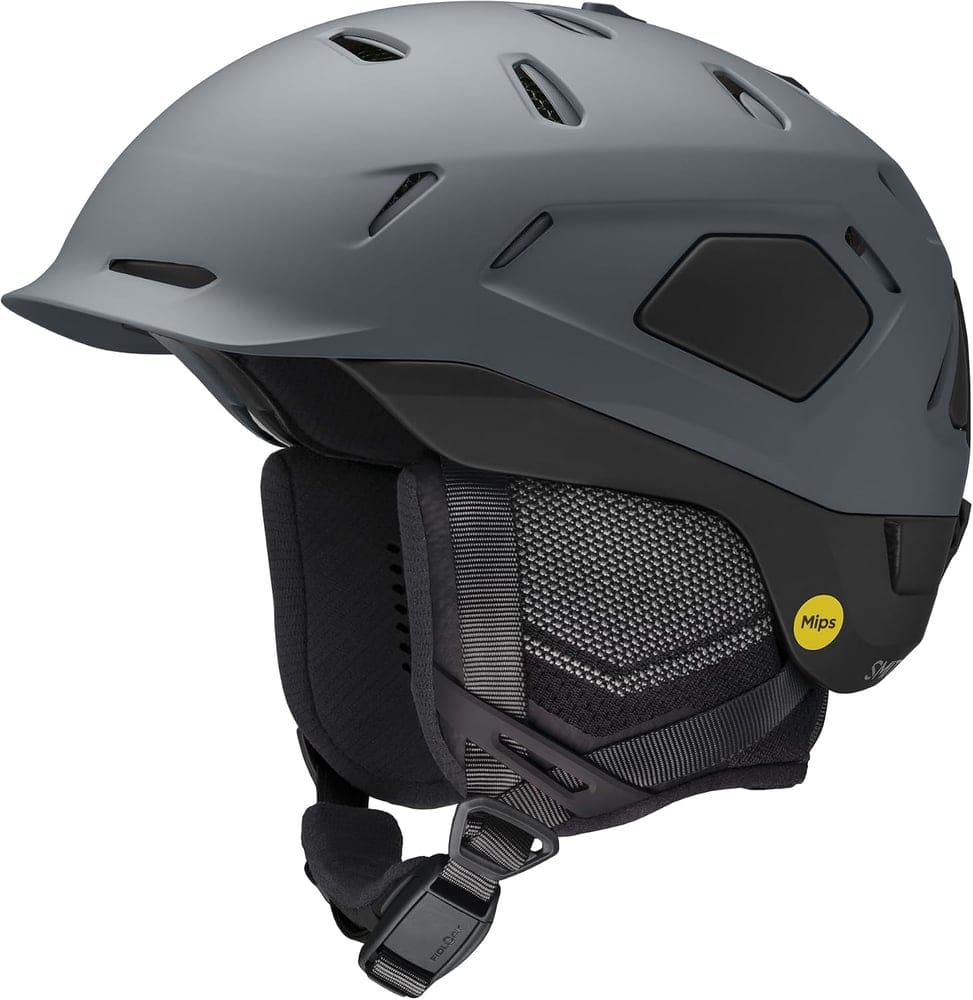 | 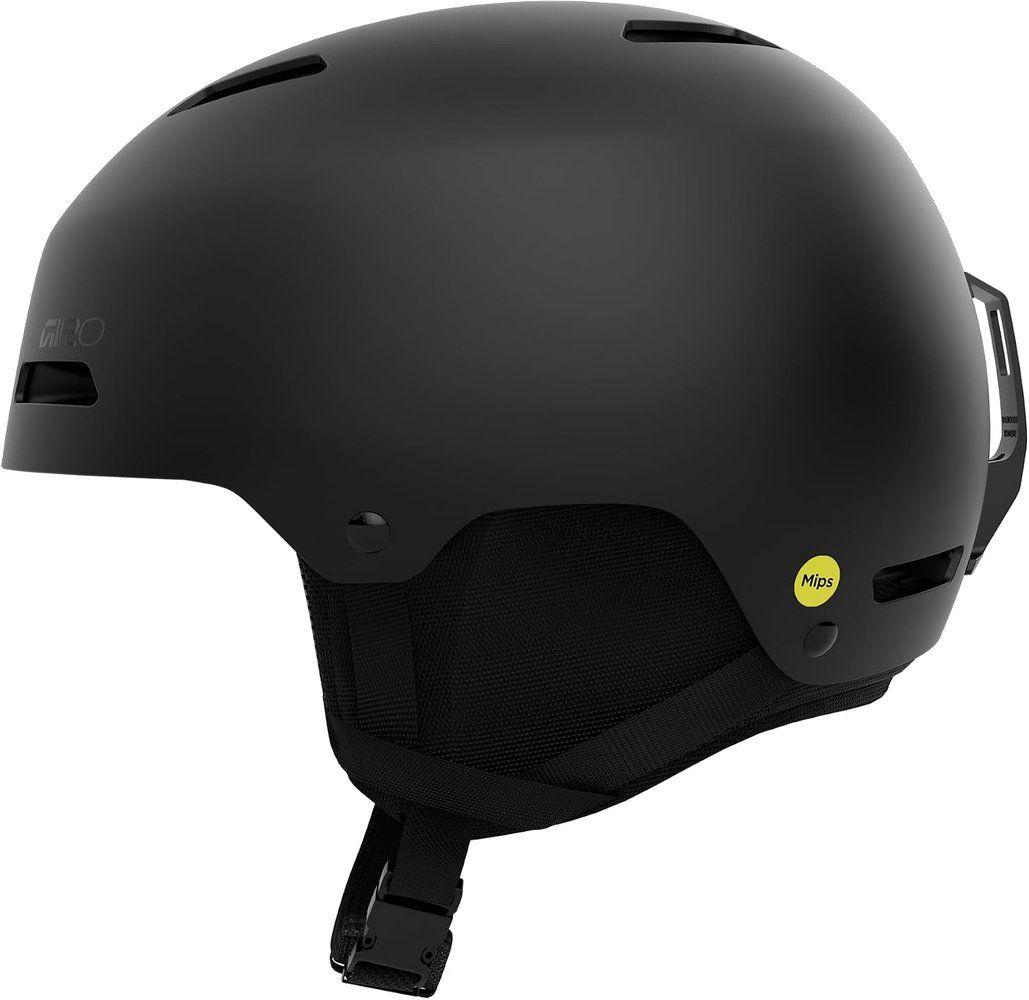 VS | |
| Certifications | ASTM F2040, CE EN 1077 Class B | CE EN 1077 |
| Rotational Impact System | MIPS | Integrated MIPS |
| Construction | Hybrid shell with complete Koroyd coverage and side exoskeleton | Hard shell bonded to EPS liner |
| Weight | 19 oz (size M) | 17.6 oz (size M) |
| Ventilation | Adjustable (dual front/rear regulators) | Fixed vents |
| Fit Adjustment System | BOA 360 Fit System dial | Auto Loc 2 self-adjusting fit (3 circumference settings, no dial) |
| Warranty | 3 Years | 1 Year limited |
| Size Range | S–XL (51–67 cm) | S–XL (52–65 cm) |
| Goggle Integration | AirEvac goggle venting | Designed to pair with Giro goggles |
| Audio Compatibility | Aleck audio compatible | Not specified |
| Removable Ear Pads | Yes | Not specified |
| Buckle Type | Fidlock magnetic buckle | Not specified |
| Smith Nexus MIPS | Giro Ledge MIPS |
|---|---|
| |
| Certifications | |
ASTM F2040, CE EN 1077 Class B | CE EN 1077 |
| Rotational Impact System | |
MIPS | Integrated MIPS |
| Construction | |
Hybrid shell with complete Koroyd coverage and side exoskeleton | Hard shell bonded to EPS liner |
| Weight | |
19 oz (size M) | 17.6 oz (size M) |
| Ventilation | |
Adjustable (dual front/rear regulators) | Fixed vents |
| Fit Adjustment System | |
BOA 360 Fit System dial | Auto Loc 2 self-adjusting fit (3 circumference settings, no dial) |
| Warranty | |
3 Years | 1 Year limited |
| Size Range | |
S–XL (51–67 cm) | S–XL (52–65 cm) |
| Goggle Integration | |
AirEvac goggle venting | Designed to pair with Giro goggles |
| Audio Compatibility | |
Aleck audio compatible | Not specified |
| Removable Ear Pads | |
Yes | Not specified |
| Buckle Type | |
Fidlock magnetic buckle | Not specified |
Protection
Nexus MIPS
Ledge MIPS
Protection matters most in skiing because impacts from falls, trees, and ice can be both direct and angled, and a helmet has to manage both. The Nexus uses complete Koroyd coverage, a MIPS low-friction layer, and a side exoskeleton to address direct impacts, angled forces, and side hits together. Buyers describe the honeycomb absorber as more effective than in other Smith helmets and note the extra neck padding and added coverage. The Ledge also earns strong marks for protection, with buyers praising its safety certifications and a MIPS layer that reduces rotational forces, plus a multi-directional impact system that gives peace of mind when a fall goes sideways. Some shoppers question how the vent cut-outs on the Nexus affect coverage in those spots, which is worth weighing if you want maximum coverage. For most buyers the Nexus is the stronger protection choice because it adds more absorption and coverage, while the Ledge is a dependable option for park and all-mountain use.
Comfort
Nexus MIPS
Ledge MIPS
Comfort determines whether you actually wear a helmet all day, especially when it sits under goggles and sometimes a full face mask. The Nexus is consistently described as very comfortable, with a fit that feels light on the head, padded ear pieces that wrap the back of the helmet, and chin strap padding that keeps the head and ears warm without a balaclava. Some riders report pinching at the temples and comfort that fades on longer days, so it is worth trying it on with your goggles and layers. The Ledge is also praised as very light and well padded, and many buyers say they barely notice it after a full day, even with a full face mask underneath. Its weak points are that the earpieces can press on the upper ear and the shape does not suit every head, which is a more serious issue for some buyers than the Nexus temple pinch. Overall the Nexus earns the higher comfort rating and a more universal fit, while the Ledge is excellent for buyers who want a feather-light feel and do not mind a fit that depends on head shape.
Durability
Nexus MIPS
Ledge MIPS
Durability matters because a ski helmet is exposed to cold, transport, and repeated knocks, and many buyers want one that lasts several seasons. The Nexus uses a hybrid shell that pairs a tougher outer layer with a lighter liner, and reviewers describe the exterior as durable and designed to hold up season after season. The Ledge uses a rugged hard shell bonded to an EPS liner that buyers say can handle everyday knocks. Feedback on the Ledge's long-term durability is very limited, so its reputation for toughness is less proven than the Nexus. The Nexus also comes with a 3-year warranty compared with 1 year for the Ledge, which supports the idea that Smith expects the helmet to last. For buyers who plan to keep a helmet for multiple seasons, the Nexus is the safer choice, while the Ledge is a solid option with less track record.
Ventilation
Nexus MIPS
Ledge MIPS
Ventilation shapes how a helmet feels on sunny laps, hikes, and hard runs, since too much heat fogs goggles and too little airflow makes the head sweat. The Nexus has dual-zone front and rear vent sliders, plus an Air Evac system, so riders can open airflow on sunny runs and close the vents when the wind bites. Buyers say it breathes well, keeps air moving, and lets them adjust vents between laps without swapping layers, and the Ionic lining helps wick sweat. The Ledge has multiple front, rear, and top vents that release heat during intense runs, and buyers say they keep the head cool. However, its vents are fixed openings with no open or close option and few directional vents, so riders in very cold conditions may find they cannot restrict airflow. For buyers who ride in changing weather or hike in their helmet, the Nexus offers clearly better control, while the Ledge suits riders who mainly want consistent cooling.
Fog Prevention
Nexus MIPS
Ledge MIPS
Fog prevention matters because goggles that fog up can ruin a run, especially in cold, active skiing. The Nexus uses Air Evac to channel airflow toward the goggles, and some buyers report their goggles staying clear even on hikes. The Ledge is designed to pair well with goggles, and its Stack Vent pulls moisture away to reduce fog during cold, active skiing. Feedback on both helmets is limited, so the evidence for either is less strong than for fit or protection. The Nexus has a small edge because its goggle-focused venting is a specific feature buyers mention, but you should confirm clarity with your own goggles in your typical conditions. Buyers who rely on fog control should test both helmets with their goggles before committing.
Ease Of Use
Nexus MIPS
Ledge MIPS
Ease of use matters because you adjust a helmet with gloves on, often on a chairlift or between runs. The Nexus has a one-hand Fidlock magnetic buckle and a BOA 360 dial that buyers say work easily with gloves or mittens, and the earpiece zipper opens for audio systems. The Ledge has a simple back clip and an Auto Loc 2 self-adjusting fit that buyers find quick to put on, but its standard clip is hard to fasten with gloves and the fit can be set only once. Some buyers miss the click-tight control of a ratchet system and report a learning curve with the fixed straps. The Ledge does allow vertical tuning on the chairlift without removing gloves for some riders, but the overall experience is less flexible than the Nexus. For buyers who want to tweak fit between laps, the Nexus is clearly easier to use, while the Ledge suits those who set the fit once and leave it.
Trust & Transparency
- Data-driven rankings from real user reviews
- Affiliate partnerships don't influence our methodology
We may earn commission from links.
Conclusion & Final Verdict:
Choose the Smith Nexus MIPS if you want the strongest protection, adjustable ventilation, a dial that works with gloves, and a 3-year warranty, especially if you ride in changing weather or hike in your helmet. The main trade-offs are a slightly heavier build and a fit that some riders find pinches at the temples.
Choose the Giro Ledge MIPS if you want a lighter, simpler hard-shell helmet that feels barely there under goggles and a full face mask, and you are happy to set the fit once and live with fixed vents. Try it on first, since the earpieces and head shape can be a problem for some buyers.
Related Comparisons
Smith Nexus MIPSvsOakley MOD1 PRO
Smith Nexus MIPS is the stronger all-round pick for buyers who want full Koroyd protection, adjustable airflow, and glove-friendly fit controls. Oakley MOD1 PRO suits those who put a tough hard shell and a simple BOA fit ahead of ventilation and extra protection features.
Smith Nexus MIPSvsOakley MOD5
The Smith Nexus MIPS is the stronger all-round choice, with fuller Koroyd protection, a lighter and more comfortable fit, and dual-zone venting that suits riders who want both coverage and airflow control. The Oakley MOD5 is a workable MIPS helmet for buyers who prioritize its glove-friendly buckle and BOA dial, but its tighter fit and weaker overall reviews make it harder to recommend.
Smith Nexus MIPSvsOutdoorMaster ELK MIPS
Smith Nexus MIPS is the stronger ski helmet for riders who want full Koroyd coverage, adjustable venting, and a refined fit system, and it earns the higher rating. OutdoorMaster ELK MIPS suits buyers on a tighter budget who want certified MIPS protection and comfortable padding, and who accept less proven long-term durability.
Smith Nexus MIPSvsPOC Fornix MIPS
Smith Nexus MIPS is the stronger choice for skiers who prioritize airflow control, full Koroyd coverage, and a comfortable fit, while POC Fornix MIPS suits those who want a lighter helmet with aramid bridge protection and simpler top-vent cooling.
Smith Nexus MIPSvsPOC Obex MIPS
Smith Nexus MIPS is the stronger choice for buyers who want full Koroyd protection, glove-friendly venting and fit controls, and a longer warranty. POC Obex MIPS suits shoppers who want a soft, light helmet with simpler venting and can accept more doubt about long-term durability.
Smith Vantage 2 MIPSvsSmith Method MIPS
The Vantage 2 MIPS leads on airflow and one-hand adjustment with 40 adjustable vents and a Boa dial, while the Method MIPS is the lighter, more comfortable choice for skiers who want the least helmet on their head. Pick the Vantage for hot days and mitten-friendly fit, and the Method for all-day comfort.