
Smith Vantage 2 MIPS vs Smith Method MIPS
Why You Can Trust Us
- Side-by-side analysis based on real user feedback
- Unbiased comparisons, not influenced by partnerships
- Updated as new data becomes available
We may earn from affiliate links at no extra cost to you.
| Vantage 2 MIPS | Method MIPS | |
|---|---|---|
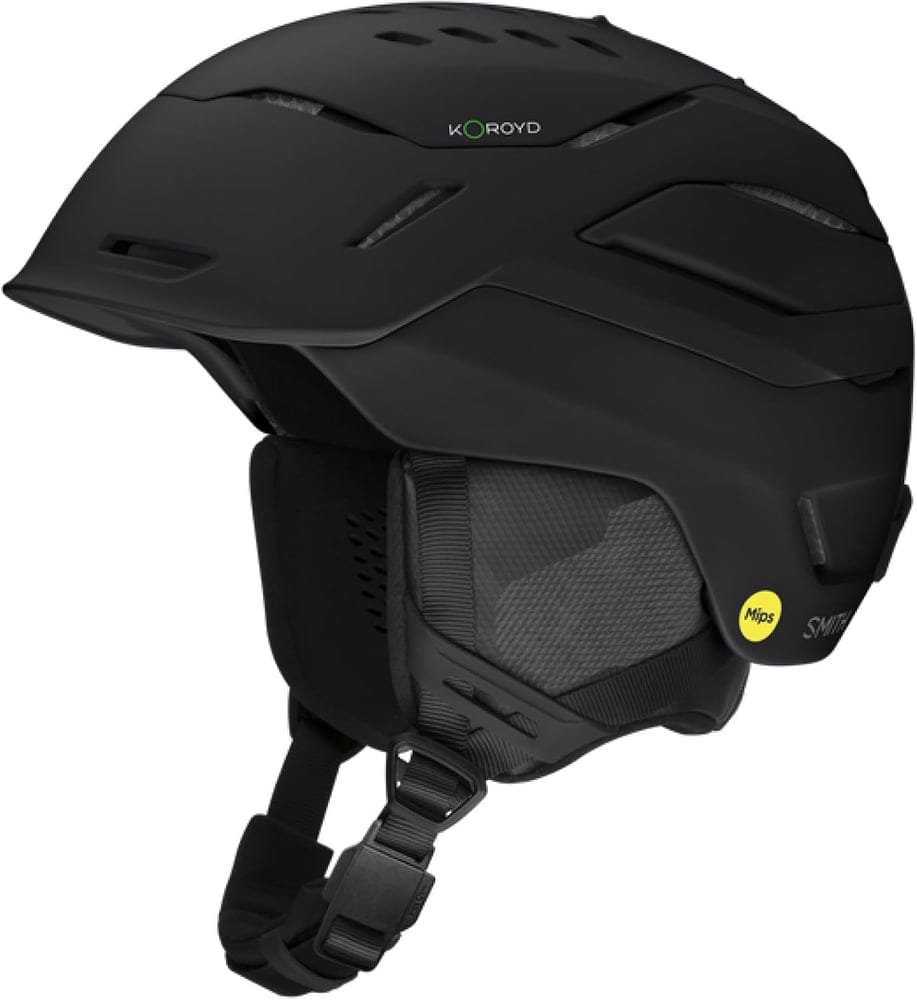 | 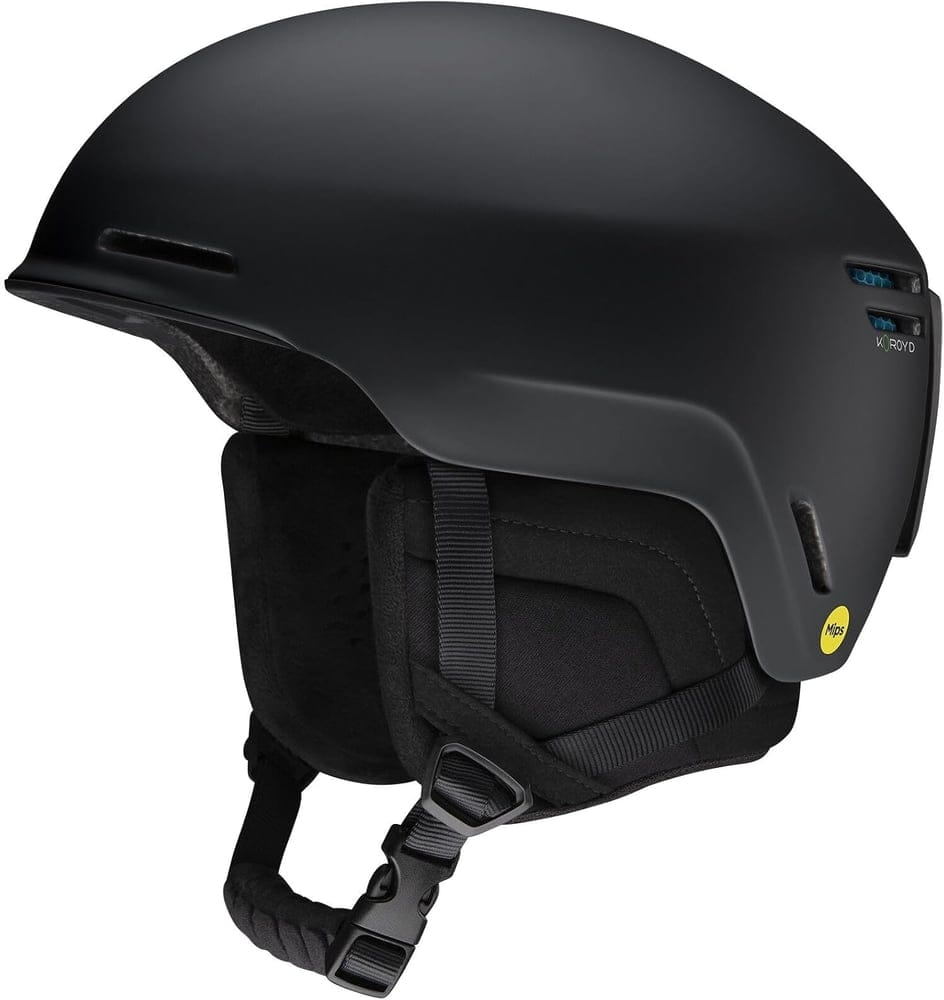 VS | |
| Certifications | ASTM F2040, CE EN 1077 | ASTM F2040, CE EN 1077 Class B |
| Rotational Impact System | MIPS | MIPS |
| Construction | Three-piece hybrid shell with full Koroyd coverage | In-mold shell with zonal Koroyd |
| Weight | 18 oz (size M) | 14.1 oz (size M) |
| Ventilation | 40 vents, adjustable (dual top/side regulators) | 8 fixed vents |
| Fit Adjustment System | BOA 360 Fit System dial | Self-adjusting Lifestyle Fit System (no dial) |
| Warranty | 3 Years | 3 Years |
| Size Range | S–XL (51–67 cm) | S–XL (51–67 cm) |
| Goggle Integration | AirEvac goggle venting | AirEvac goggle venting; removable goggle strap lock |
| Audio Compatibility | Aleck audio compatible | Aleck audio compatible |
| Removable Ear Pads | Not specified | Yes (Snapfit SL2) |
| Buckle Type | Fidlock magnetic buckle | Not specified |
| Smith Vantage 2 MIPS | Smith Method MIPS |
|---|---|
| |
| Certifications | |
ASTM F2040, CE EN 1077 | ASTM F2040, CE EN 1077 Class B |
| Rotational Impact System | |
MIPS | MIPS |
| Construction | |
Three-piece hybrid shell with full Koroyd coverage | In-mold shell with zonal Koroyd |
| Weight | |
18 oz (size M) | 14.1 oz (size M) |
| Ventilation | |
40 vents, adjustable (dual top/side regulators) | 8 fixed vents |
| Fit Adjustment System | |
BOA 360 Fit System dial | Self-adjusting Lifestyle Fit System (no dial) |
| Warranty | |
3 Years | 3 Years |
| Size Range | |
S–XL (51–67 cm) | S–XL (51–67 cm) |
| Goggle Integration | |
AirEvac goggle venting | AirEvac goggle venting; removable goggle strap lock |
| Audio Compatibility | |
Aleck audio compatible | Aleck audio compatible |
| Removable Ear Pads | |
Not specified | Yes (Snapfit SL2) |
| Buckle Type | |
Fidlock magnetic buckle | Not specified |
Protection
Vantage 2 MIPS
Method MIPS
Protection matters most in a ski helmet because impacts are unpredictable, and buyers want confidence that both the shell and the rotational safety system are doing real work. Both helmets use MIPS to reduce rotational forces in angled impacts, so the difference comes down to how the energy-absorbing layers are built. The Method MIPS scores 4.4 out of 5, with buyers praising its zonal Koroyd coverage for energy absorption and recommending the MIPS version as worth choosing for added head safety. The Vantage 2 MIPS scores 4.1, with reviewers highlighting full-coverage energy absorption and a Koroyd layer that adds another protective barrier. For a buyer, the Method has the edge in protection feedback, but the gap is modest and both helmets earn credible marks. Product2 wins this category, though product1 remains a solid choice if full coverage matters more to you than zonal layering.
Comfort
Vantage 2 MIPS
Method MIPS
Comfort decides whether you keep a helmet on through a long day, and it is also where the Method MIPS pulls clearly ahead. The Method MIPS scores 4.7 out of 5, and buyers repeatedly describe it as very lightweight, barely noticeable on the head and free of pressure points despite minimal padding. Its removable ear pads, padded chin guard and self-adjusting fit system are frequently cited as reasons it stays comfortable through full days on the slopes. The Vantage 2 MIPS scores 3.9, with reviewers describing a seamless, lightweight fit that feels good through long days on the mountain, though the feedback on comfort is thinner. A buyer who prioritizes a nearly unnoticeable fit will likely prefer the Method, while product1 suits those who accept a slightly heavier feel in exchange for more airflow and coverage. Product2 is the stronger comfort pick.
Durability
Vantage 2 MIPS
Method MIPS
Durability matters because a helmet that survives several seasons is better value and more reliable after drops and transport. The Method MIPS scores 3.6 out of 5, with shoppers pointing to a lightweight in-mold shell with EPS and a thin carry case that helps prevent scratches during travel. Feedback on long-term use across multiple seasons is limited, so that score should be treated as measured rather than proven. The Vantage 2 MIPS scores 3.0, but buyer feedback offers too little detail to say whether it holds up better or worse over time. Neither helmet has strong evidence for multi-season toughness, though product2 has more specific positive signals about its shell and carry case. Product2 wins this category on the evidence available, but buyers who need a proven multi-season helmet should look for longer-term reviews before deciding.
Ventilation
Vantage 2 MIPS
Method MIPS
Ventilation shapes how hot and sweaty you get on active runs, and it is where the Vantage 2 MIPS has its clearest advantage. The Vantage 2 MIPS scores 4.4 out of 5, with buyers praising its dual vent regulators, top and side vents and a high vent count of 40 that help control heat and sweat. Reviewers say the vents prevent sweatiness and solve temperature problems, which makes it a strong fit for skiers who run hot or ride hard. The Method MIPS scores 3.4, with reviewers finding its eight fixed exhaust vents effective for steady airflow but noting they cannot be closed in snow. Adjustable venting is only offered as a premium alternative, and the passive wedge-in option gives less control than a regulator. A buyer who needs airflow control on warm days or in variable conditions should choose the Vantage 2 MIPS, while product2 is better suited to cold, dry conditions where constant venting is less of a concern. Product1 wins this category.
Fog Prevention
Vantage 2 MIPS
Method MIPS
Fog prevention determines whether you can see clearly through goggles when conditions turn cold and humid, and both helmets address it with AirEvac venting. The Vantage 2 MIPS scores 3.7 out of 5, with buyers saying the air evacuation system, vents that pull air through goggles and a helmet-goggle fit that channels airflow all help keep lenses clear. The Method MIPS scores 3.6, with buyers reporting little to no fogging despite its fixed vents, thanks to the AirEvac system. Both sets of feedback are encouraging but limited, and results can depend on the goggle you pair with each helmet and the weather you ski in. Because the scores are nearly identical and the evidence is thin on both sides, neither helmet has a clear advantage. Buyers should treat this category as a tie and test their own goggle pairing before relying on either helmet in fog-prone conditions.
Ease Of Use
Vantage 2 MIPS
Method MIPS
Ease of use affects how quickly you can get the helmet on, adjust it and take it off, especially when your hands are gloved or in mittens. The Vantage 2 MIPS scores 4.1 out of 5, with buyers praising its Boa 360 dial that adjusts quickly and its Fidlock magnetic buckle that can be operated with one hand. Reviewers also mention a one-hand magnetic removal strap, which makes it easy to put on and take off even with mittens. The Method MIPS scores 3.7, with buyers finding it simple to take on and off, and noting that the strap slides easily under goggles. However, some users report the removable ear pads can be displaced or lost, and the self-adjusting fit system only moves about three notches, which limits fine-tuning. Product1 is the stronger choice for buyers who want fast, glove-friendly adjustments and precise fit control, and it wins this category.
Trust & Transparency
- Data-driven rankings from real user reviews
- Affiliate partnerships don't influence our methodology
We may earn commission from links.
Conclusion & Final Verdict:
Choose the Vantage 2 MIPS if airflow control, quick one-hand adjustment and mitten-friendly operation matter most, especially on warm days or for skiers who run hot and sweat heavily. Choose the Method MIPS if you want the lightest, most comfortable fit for long days, a helmet that nearly disappears on your head, and you are comfortable with fixed vents that cannot be closed in snow. Both helmets offer MIPS protection and AirEvac goggle venting, so the decision comes down to whether ventilation control or featherweight comfort is more important for your skiing.
Related Comparisons
Giro Ledge MIPSvsSmith Method MIPS
The Smith Method MIPS is lighter, more comfortable, and backed by a three-year warranty, making it the stronger choice for long days on the slopes. The Giro Ledge MIPS suits riders who want more vents for heat release and a simpler back clip, and who don't mind a less adjustable fit.
Smith Nexus MIPSvsSmith Method MIPS
Nexus MIPS is the better choice for riders who want complete Koroyd and side exoskeleton protection, adjustable venting, and a glove-friendly fit system. Method MIPS suits buyers who put a featherweight, simple-to-wear helmet first and ski mostly in steady conditions.
Smith Summit MIPSvsSmith Method MIPS
The Summit MIPS suits alpine and touring skiers who want more venting, a dial-in BOA fit and an extra climbing certification. The lighter Method MIPS at 14.1 oz is the better pick for buyers who put low weight and all-day comfort first and can accept fewer, fixed vents.
Smith Vantage 2 MIPSvsPOC Obex MIPS
The Smith Vantage 2 MIPS leads on ventilation, goggle fog control and quick glove-friendly adjustment, so it suits riders who run hot or ski hard. The POC Obex MIPS is the softer, more comfortable option for buyers who want plush padding and a light feel, though its durability and airflow trail the Smith.
Smith Vantage 2 MIPSvsSmith Nexus MIPS
The Nexus MIPS is the stronger all-round pick, with fuller Koroyd coverage, a side exoskeleton, better comfort and dual-zone vents. The Vantage 2 MIPS suits buyers who want a lighter helmet with strong airflow and spend less.
Smith Summit MIPSvsSmith Nexus MIPS
The Smith Nexus MIPS is the better pick for riders who want full Koroyd coverage, adjustable venting, glove-friendly Fidlock buckling and a removable ear pad, at the cost of about 3 oz more weight. The Smith Summit MIPS is the lighter, fixed-vent option for backcountry touring and climbing that values low weight and climbing-standard certification.