
Smith Nexus MIPS vs Smith Method MIPS
Why You Can Trust Us
- Side-by-side analysis based on real user feedback
- Unbiased comparisons, not influenced by partnerships
- Updated as new data becomes available
We may earn from affiliate links at no extra cost to you.
| Nexus MIPS | Method MIPS | |
|---|---|---|
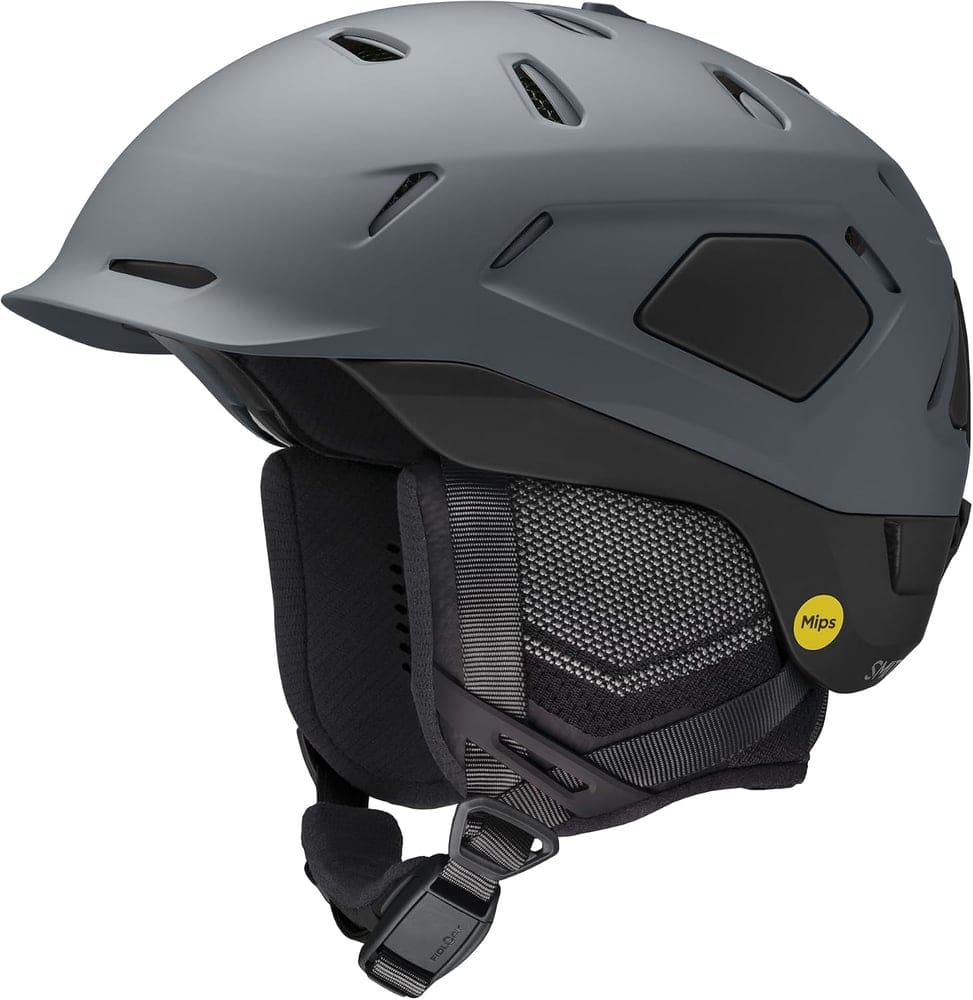 | 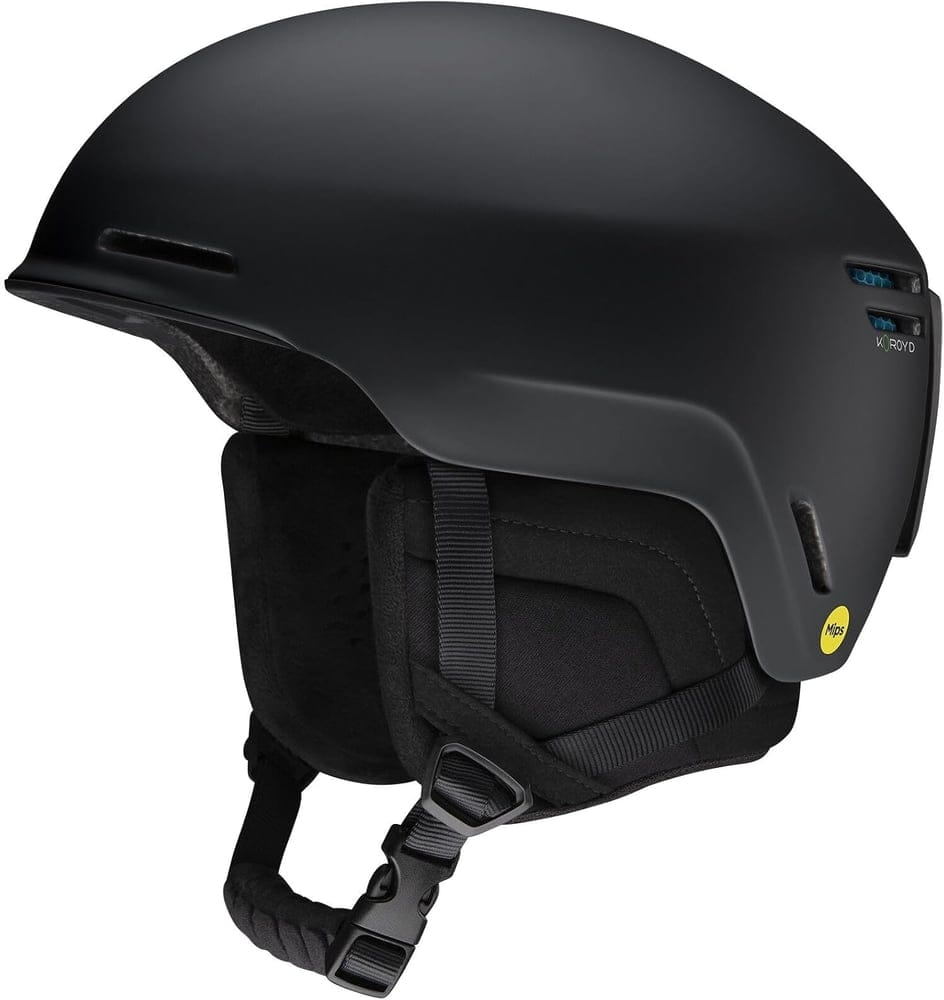 VS | |
| Certifications | ASTM F2040, CE EN 1077 Class B | ASTM F2040, CE EN 1077 Class B |
| Rotational Impact System | MIPS | MIPS |
| Construction | Hybrid shell with complete Koroyd coverage and side exoskeleton | In-mold shell with zonal Koroyd |
| Weight | 19 oz (size M) | 14.1 oz (size M) |
| Ventilation | Adjustable (dual front/rear regulators) | 8 fixed vents |
| Fit Adjustment System | BOA 360 Fit System dial | Self-adjusting Lifestyle Fit System (no dial) |
| Warranty | 3 Years | 3 Years |
| Size Range | S–XL (51–67 cm) | S–XL (51–67 cm) |
| Goggle Integration | AirEvac goggle venting | AirEvac goggle venting; removable goggle strap lock |
| Audio Compatibility | Aleck audio compatible | Aleck audio compatible |
| Removable Ear Pads | Yes | Yes (Snapfit SL2) |
| Buckle Type | Fidlock magnetic buckle | Not specified |
| Smith Nexus MIPS | Smith Method MIPS |
|---|---|
| |
| Certifications | |
ASTM F2040, CE EN 1077 Class B | ASTM F2040, CE EN 1077 Class B |
| Rotational Impact System | |
MIPS | MIPS |
| Construction | |
Hybrid shell with complete Koroyd coverage and side exoskeleton | In-mold shell with zonal Koroyd |
| Weight | |
19 oz (size M) | 14.1 oz (size M) |
| Ventilation | |
Adjustable (dual front/rear regulators) | 8 fixed vents |
| Fit Adjustment System | |
BOA 360 Fit System dial | Self-adjusting Lifestyle Fit System (no dial) |
| Warranty | |
3 Years | 3 Years |
| Size Range | |
S–XL (51–67 cm) | S–XL (51–67 cm) |
| Goggle Integration | |
AirEvac goggle venting | AirEvac goggle venting; removable goggle strap lock |
| Audio Compatibility | |
Aleck audio compatible | Aleck audio compatible |
| Removable Ear Pads | |
Yes | Yes (Snapfit SL2) |
| Buckle Type | |
Fidlock magnetic buckle | Not specified |
Protection
Nexus MIPS
Method MIPS
Protection matters most in a ski helmet because it is the feature that affects what happens in a crash, so buyers should look closely at how each design handles direct and angled impacts. The Nexus MIPS scores 4.6 out of 5 and pairs complete Koroyd coverage with a MIPS low-friction layer, plus a side exoskeleton that reinforces the side impact zones. Buyers mention extra neck padding, more coverage, and more efficient impact absorption than other Smith helmets, although some shoppers question whether the vent cut-outs reduce protection in those spots. The Method MIPS scores 4.4 out of 5 with zonal Koroyd coverage and MIPS rotational force reduction, and reviewers strongly recommend the MIPS version for skiers who want added head safety. For buyers who prioritize maximum coverage, the Nexus MIPS is the stronger choice, while the Method MIPS still offers a solid protective package with less comprehensive coverage.
Comfort
Nexus MIPS
Method MIPS
Comfort decides whether a helmet stays on your mind during a full day of skiing, so it is a central factor for both models. Both helmets score 4.7 out of 5, and both draw very consistent praise from buyers. The Nexus MIPS is described as light on the head, with padded ear pieces and chin strap padding that keep the head and ears warm without needing a balaclava, and several testers call it the most comfortable helmet they have tried. Some riders notice pinching at the temples and comfort that fades on longer days, so checking the fit with goggles and layers matters. The Method MIPS is praised for being barely noticeable on the head, with reviewers pointing to its very light weight, lack of pressure points, and a self-adjusting fit that stays comfortable through long days, helped by removable ear pads and a padded chin guard. Choose the Nexus MIPS if warmth is your priority and the Method MIPS if you want the lightest possible feel, since overall comfort is effectively a draw.
Durability
Nexus MIPS
Method MIPS
Durability matters because a helmet that lasts several seasons saves money and keeps delivering consistent protection over time. The Nexus MIPS scores 4.1 out of 5, and reviewers describe its hybrid shell as a tougher exterior bonded to a lighter interior that is designed to hold up season after season on the slopes. The Method MIPS scores 3.6 out of 5, and buyers mostly praise its lightweight in-mold shell and the thin carry case that helps prevent scratches during transport. Long-term feedback across multiple seasons is limited for the Method MIPS, so its rating is more measured. Because the Nexus MIPS has more substantial evidence pointing to a tougher exterior, it is the safer pick for buyers who want a helmet that lasts across several seasons.
Ventilation
Nexus MIPS
Method MIPS
Ventilation shapes how warm and comfortable you stay on a day that swings from sunny laps to cold chairlifts, so adjustability is a major factor. The Nexus MIPS scores 4.8 out of 5 with dual-zone front and rear vent sliders, Dual Action shutter controls, and the Air Evac system, letting riders open airflow on sunny runs and close it when wind bites. Reviewers say it breathes well, keeps air moving through the Koroyd layer, and that the Ionic lining helps wick sweat on active days. The Method MIPS scores 3.4 out of 5 with eight fixed vents that reviewers find effective for steady airflow on active runs, but those vents cannot be closed in snow, and adjustable venting is offered only as a premium alternative. For buyers who ride in changing conditions, the Nexus MIPS is clearly better, while the Method MIPS suits riders who mostly ski in consistently mild weather.
Fog Prevention
Nexus MIPS
Method MIPS
Fog prevention matters because clear goggles affect visibility and safety, especially in flat light or during cold, active skiing. The Nexus MIPS scores 3.9 out of 5, and its Air Evac system channels airflow toward the goggles to help limit fogging, with some buyers reporting clear goggles even while hiking with the helmet. The Method MIPS scores 3.6 out of 5, and buyers report little to no fogging despite its fixed venting, which they credit to the same Air Evac ventilation system. Both helmets rely on the same basic approach, but the Nexus MIPS has a slightly stronger rating and more reviews behind it. Feedback on both is limited compared with fit or protection, so pairing either helmet with your own goggles is a sensible way to confirm clarity in your conditions. The Nexus MIPS has a modest edge here.
Ease Of Use
Nexus MIPS
Method MIPS
Ease of use affects how often you adjust gear and how quickly you can get your helmet on and off, especially with gloves or mittens. The Nexus MIPS scores 4.6 out of 5, with a one-hand Fidlock magnetic buckle and a BOA 360 dial that buyers say works well even with gloves or mittens. Riders also appreciate being able to tweak the fit between laps without swapping layers, the earpiece zipper for audio systems, and easy strap adjustment. The Method MIPS scores 3.7 out of 5; buyers find it simple to take on and off, the ear pieces are easy to remove, and the strap slides easily under goggles. However, its self-adjusting fit only moves about three notches, which limits fine-tuning, and the removable ear pads can be easily displaced or lost. Buyers who want precise, glove-friendly adjustments should choose the Nexus MIPS.
Trust & Transparency
- Data-driven rankings from real user reviews
- Affiliate partnerships don't influence our methodology
We may earn commission from links.
Conclusion & Final Verdict:
Choose the Nexus MIPS if you want the most complete protection, adjustable airflow for changing conditions, and a glove-friendly fit with a BOA dial and Fidlock buckle. It is the stronger all-round helmet and the better long-term pick, though you should check the fit at the temples with your goggles.
Choose the Method MIPS if you want a very light helmet that is almost unnoticeable on the head and you ski mostly in steady conditions where fixed vents are enough. It is comfortable and still MIPS-equipped, but it gives up adjustable ventilation and fine-tuning.
Related Comparisons
Smith Method MIPSvsPOC Fornix MIPS
The Smith Method MIPS is the better choice for skiers who prioritize a barely-there, lightweight fit and a longer 3-year warranty. The POC Fornix MIPS suits warm-running skiers who want adjustable top vents and a secure 360-degree dial fit.
Smith Method MIPSvsPOC Obex MIPS
Smith Method MIPS suits skiers who put lightweight comfort, protection, and a longer warranty first. POC Obex MIPS is the better pick for buyers who want adjustable venting and a dial fit system.
Smith Nexus MIPSvsOutdoorMaster ELK MIPS
Smith Nexus MIPS is the stronger ski helmet for riders who want full Koroyd coverage, adjustable venting, and a refined fit system, and it earns the higher rating. OutdoorMaster ELK MIPS suits buyers on a tighter budget who want certified MIPS protection and comfortable padding, and who accept less proven long-term durability.
Smith Nexus MIPSvsPOC Fornix MIPS
Smith Nexus MIPS is the stronger choice for skiers who prioritize airflow control, full Koroyd coverage, and a comfortable fit, while POC Fornix MIPS suits those who want a lighter helmet with aramid bridge protection and simpler top-vent cooling.
Smith Nexus MIPSvsPOC Obex MIPS
Smith Nexus MIPS is the stronger choice for buyers who want full Koroyd protection, glove-friendly venting and fit controls, and a longer warranty. POC Obex MIPS suits shoppers who want a soft, light helmet with simpler venting and can accept more doubt about long-term durability.
Smith Summit MIPSvsSmith Method MIPS
The Summit MIPS suits alpine and touring skiers who want more venting, a dial-in BOA fit and an extra climbing certification. The lighter Method MIPS at 14.1 oz is the better pick for buyers who put low weight and all-day comfort first and can accept fewer, fixed vents.