
Smith Summit MIPS vs Smith Method MIPS
Why You Can Trust Us
- Side-by-side analysis based on real user feedback
- Unbiased comparisons, not influenced by partnerships
- Updated as new data becomes available
We may earn from affiliate links at no extra cost to you.
| Summit MIPS | Method MIPS | |
|---|---|---|
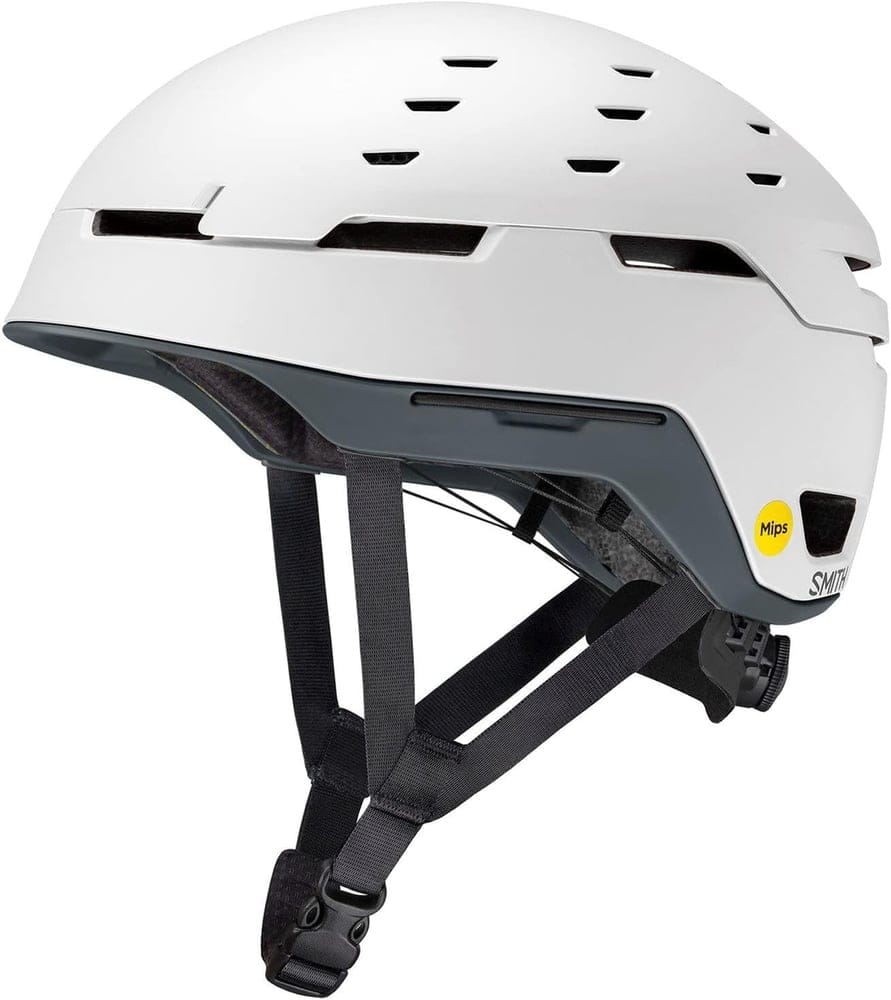 | 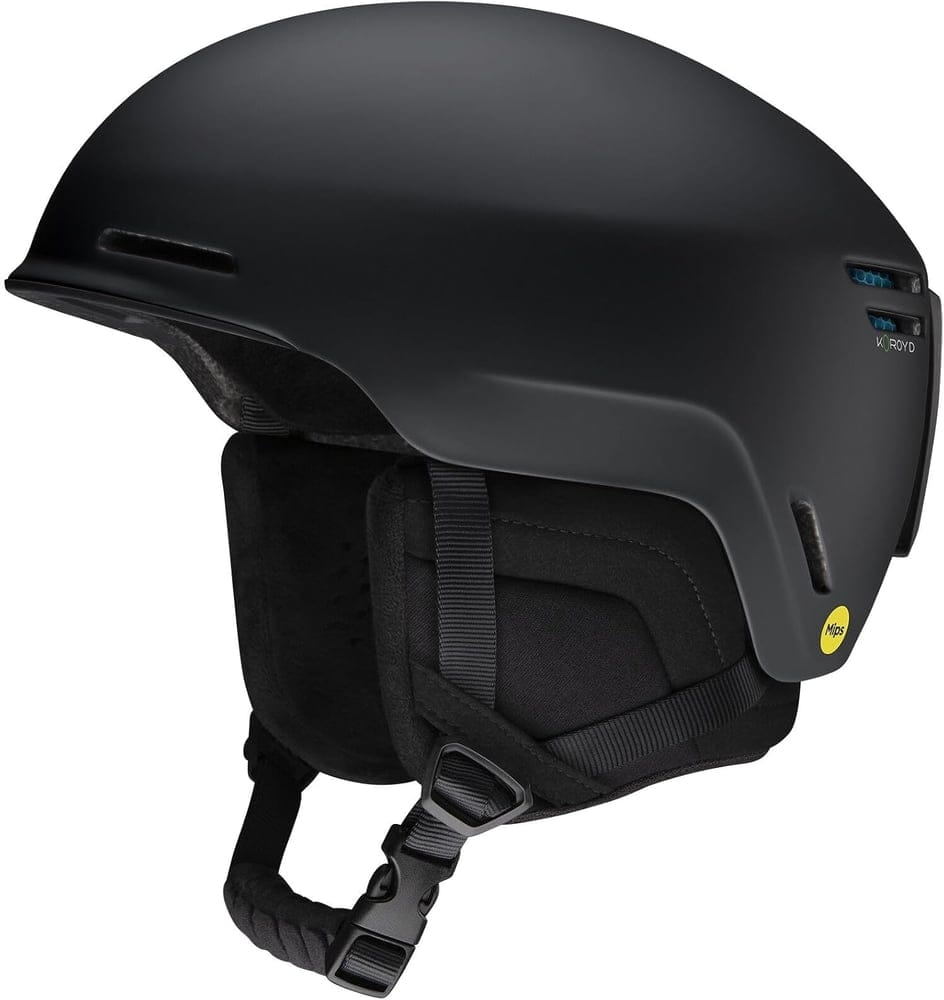 VS | |
| Certifications | ASTM F2040, CE EN 1077 Class B, EN 12492 | ASTM F2040, CE EN 1077 Class B |
| Rotational Impact System | MIPS | MIPS |
| Construction | Hybrid shell (hard exterior + in-mold) with zonal Koroyd | In-mold shell with zonal Koroyd |
| Weight | 16 oz (size M) | 14.1 oz (size M) |
| Ventilation | 33 fixed vents | 8 fixed vents |
| Fit Adjustment System | BOA 360 Fit System dial | Self-adjusting Lifestyle Fit System (no dial) |
| Warranty | 3 Years | 3 Years |
| Size Range | S–XL (51–67 cm) | S–XL (51–67 cm) |
| Goggle Integration | AirEvac goggle venting; integrated headlamp strap routing | AirEvac goggle venting; removable goggle strap lock |
| Audio Compatibility | Not specified | Aleck audio compatible |
| Removable Ear Pads | Not specified (knit liner included) | Yes (Snapfit SL2) |
| Buckle Type | Not specified | Not specified |
| Smith Summit MIPS | Smith Method MIPS |
|---|---|
| |
| Certifications | |
ASTM F2040, CE EN 1077 Class B, EN 12492 | ASTM F2040, CE EN 1077 Class B |
| Rotational Impact System | |
MIPS | MIPS |
| Construction | |
Hybrid shell (hard exterior + in-mold) with zonal Koroyd | In-mold shell with zonal Koroyd |
| Weight | |
16 oz (size M) | 14.1 oz (size M) |
| Ventilation | |
33 fixed vents | 8 fixed vents |
| Fit Adjustment System | |
BOA 360 Fit System dial | Self-adjusting Lifestyle Fit System (no dial) |
| Warranty | |
3 Years | 3 Years |
| Size Range | |
S–XL (51–67 cm) | S–XL (51–67 cm) |
| Goggle Integration | |
AirEvac goggle venting; integrated headlamp strap routing | AirEvac goggle venting; removable goggle strap lock |
| Audio Compatibility | |
Not specified | Aleck audio compatible |
| Removable Ear Pads | |
Not specified (knit liner included) | Yes (Snapfit SL2) |
| Buckle Type | |
Not specified | Not specified |
Protection
Summit MIPS
Method MIPS
Protection is the reason most skiers buy a helmet, and both models earn the same 4.4 out of 5 for it. Buyers of the Summit MIPS repeatedly say they feel safe on the mountain and point to its zonal coverage, energy-absorbing impact protection and triple certification as reasons for confidence. The Method MIPS draws similar praise for its zonal Koroyd energy absorption, its MIPS system for angled impacts and its ventilated impact design, and reviewers say the MIPS version is worth choosing. Neither helmet has a clear safety edge from buyer feedback, so both can be trusted for backcountry and resort skiing. The practical verdict is a tie, and the choice should rest on fit, weight and ventilation instead.
Comfort
Summit MIPS
Method MIPS
Comfort matters a great deal in a ski helmet because a helmet that feels unnoticeable is one you will actually wear all day. The Method MIPS scores 4.7 out of 5, with buyers describing it as one of the most comfortable helmets tested, very lightweight and nearly forgotten on the head, with no pressure points. The Summit MIPS scores 4.6 out of 5, with buyers calling it ridiculously light, really comfortable and almost like not wearing a helmet, and they single out the BOA system for a secure, perfect fit. The Method also gains praise for its removable ear pads, padded chin guard and self-adjusting fit, while the Summit's BOA dial gives more precise control. Both are excellent for comfort, and the scores are effectively even, so the verdict is a tie that favors the Method for pure lightness and the Summit for a dialed-in fit.
Durability
Summit MIPS
Method MIPS
Durability is hard to judge for a helmet that has only been reviewed for a short time, so both models score 3.6 out of 5 on limited feedback. Buyers of the Summit MIPS mention its durable exterior and hybrid shell construction, which is designed to reinforce the helmet where it takes the most wear. Buyers of the Method MIPS praise its lightweight, durable in-mold shell and the thin carry case that helps prevent scratches during transport. Neither product has enough multi-season feedback to show a clear long-term advantage. Buyers planning to use a helmet for many seasons should treat both scores as provisional, and the result is a tie.
Ventilation
Summit MIPS
Method MIPS
Ventilation has a meaningful impact on comfort during climbs and active runs, because a helmet that traps heat can fog goggles and cause sweat to build up. The Summit MIPS earns 4.3 out of 5, with buyers saying its 33 fixed vents and AirEvac system keep the head cool on sweaty climbs and help prevent overheating, and some note that its ionic-plus liner helps control sweat. The Method MIPS earns 3.4 out of 5, with eight fixed exhaust vents praised for steady airflow during active runs, but reviewers also point out that these vents cannot be closed in snow and that adjustable venting is only offered as a premium alternative. For buyers who run hot or climb a lot, the Summit's larger vent count is a clear advantage. Buyers who ski mainly in cold conditions may find the Method's airflow sufficient, but the Summit is the stronger choice for ventilation.
Fog Prevention
Summit MIPS
Method MIPS
Fog prevention affects whether goggles stay clear, which is important when visibility is key in flat light or during fast descents. Both helmets rely on AirEvac venting to keep goggle lenses clear, and both earn a score of 3.6 out of 5. Buyers of the Summit MIPS describe fog-free visibility, while buyers of the Method MIPS report little to no fogging despite its fixed vents. Both feedback sets are positive but limited in volume, so neither result is fully proven. The practical verdict is a tie, and buyers who ski in humid or cold conditions should test their goggles with either helmet before committing.
Ease Of Use
Summit MIPS
Method MIPS
Ease of use covers how simple the helmet is to fit, adjust, pack and wear with goggles and accessories. The Summit MIPS earns 4.4 out of 5, with buyers praising its BOA fit system for being easy to dial in and staying put, its low-profile integrated headlamp strap, its external bungee loop and its ability to fold into itself for easy packing. It also works with a cap underneath. The Method MIPS earns 3.7 out of 5, with buyers finding it simple to take on and off, easy to slide the strap under goggles and easy to remove the ear pieces. However, some users say the removable ear pads can be easily displaced or lost, and the self-adjusting fit only moves about three notches, which limits fine-tuning. The Summit is the clear winner for ease of use, especially for buyers who want precise, repeatable adjustments.
Trust & Transparency
- Data-driven rankings from real user reviews
- Affiliate partnerships don't influence our methodology
We may earn commission from links.
Conclusion & Final Verdict:
Choose the Summit MIPS if you climb a lot, run warm, or want a precise BOA fit and the extra EN 12492 climbing certification. Its 33 vents and dial-in fit make it the stronger all-round choice for alpine and touring skiers.
Choose the Method MIPS if weight and all-day comfort are your top priorities. At 14.1 oz it is noticeably lighter, and its self-adjusting fit disappears on the head, but you will accept fewer fixed vents and less fine-tuning. Protection, durability and fog prevention are effectively even, so the decision comes down to ventilation and fit preferences.
Related Comparisons
Smith Method MIPSvsPOC Obex MIPS
Smith Method MIPS suits skiers who put lightweight comfort, protection, and a longer warranty first. POC Obex MIPS is the better pick for buyers who want adjustable venting and a dial fit system.
Smith Nexus MIPSvsSmith Method MIPS
Nexus MIPS is the better choice for riders who want complete Koroyd and side exoskeleton protection, adjustable venting, and a glove-friendly fit system. Method MIPS suits buyers who put a featherweight, simple-to-wear helmet first and ski mostly in steady conditions.
Smith Summit MIPSvsPOC Obex MIPS
Smith Summit MIPS is the stronger all-round choice for backcountry touring, with a lighter build, micro-adjustable BOA fit and a 3-year warranty. POC Obex MIPS suits buyers who put soft padding, removable ear pads and adjustable vents first.
Smith Summit MIPSvsSmith Nexus MIPS
The Smith Nexus MIPS is the better pick for riders who want full Koroyd coverage, adjustable venting, glove-friendly Fidlock buckling and a removable ear pad, at the cost of about 3 oz more weight. The Smith Summit MIPS is the lighter, fixed-vent option for backcountry touring and climbing that values low weight and climbing-standard certification.
Smith Summit MIPSvsSmith Vantage 2 MIPS
The Smith Summit MIPS is the lighter, more comfortable choice with broader certifications and a higher overall rating, while the Vantage 2 MIPS suits riders who run hot and want adjustable venting and a one-hand magnetic buckle.
Smith Vantage 2 MIPSvsSmith Method MIPS
The Vantage 2 MIPS leads on airflow and one-hand adjustment with 40 adjustable vents and a Boa dial, while the Method MIPS is the lighter, more comfortable choice for skiers who want the least helmet on their head. Pick the Vantage for hot days and mitten-friendly fit, and the Method for all-day comfort.