
Smith Summit MIPS vs Smith Vantage 2 MIPS
Why You Can Trust Us
- Side-by-side analysis based on real user feedback
- Unbiased comparisons, not influenced by partnerships
- Updated as new data becomes available
We may earn from affiliate links at no extra cost to you.
| Summit MIPS | Vantage 2 MIPS | |
|---|---|---|
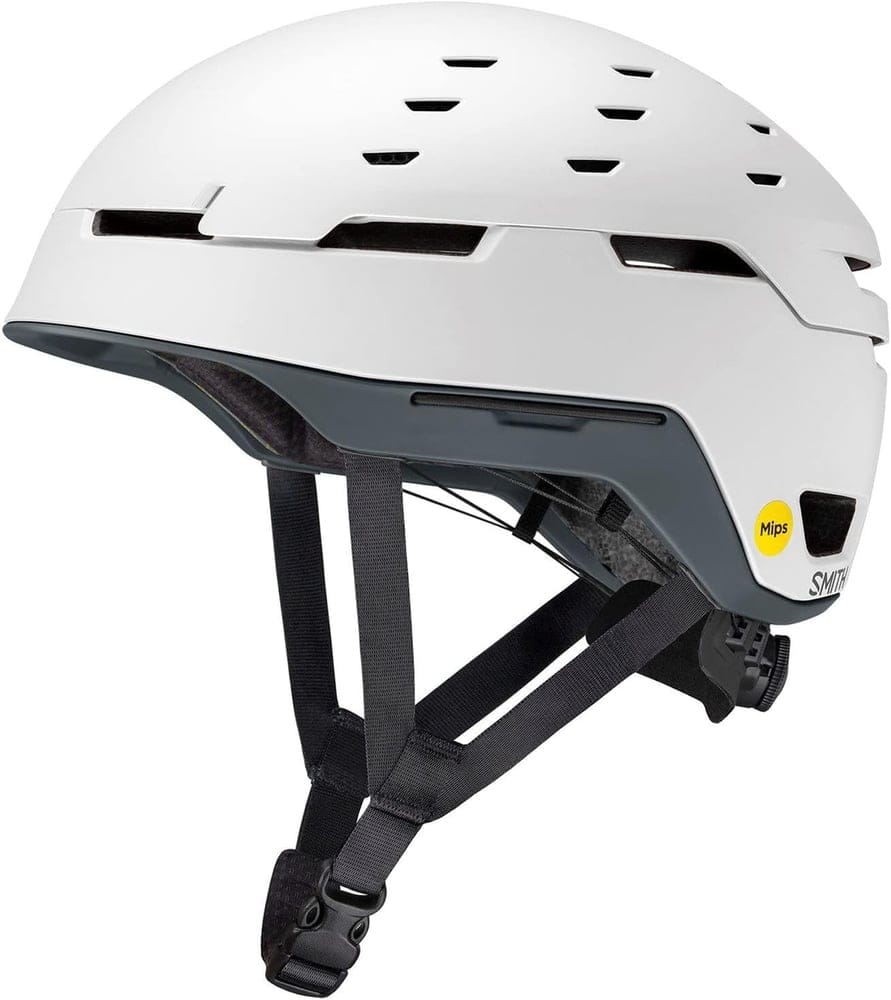 | 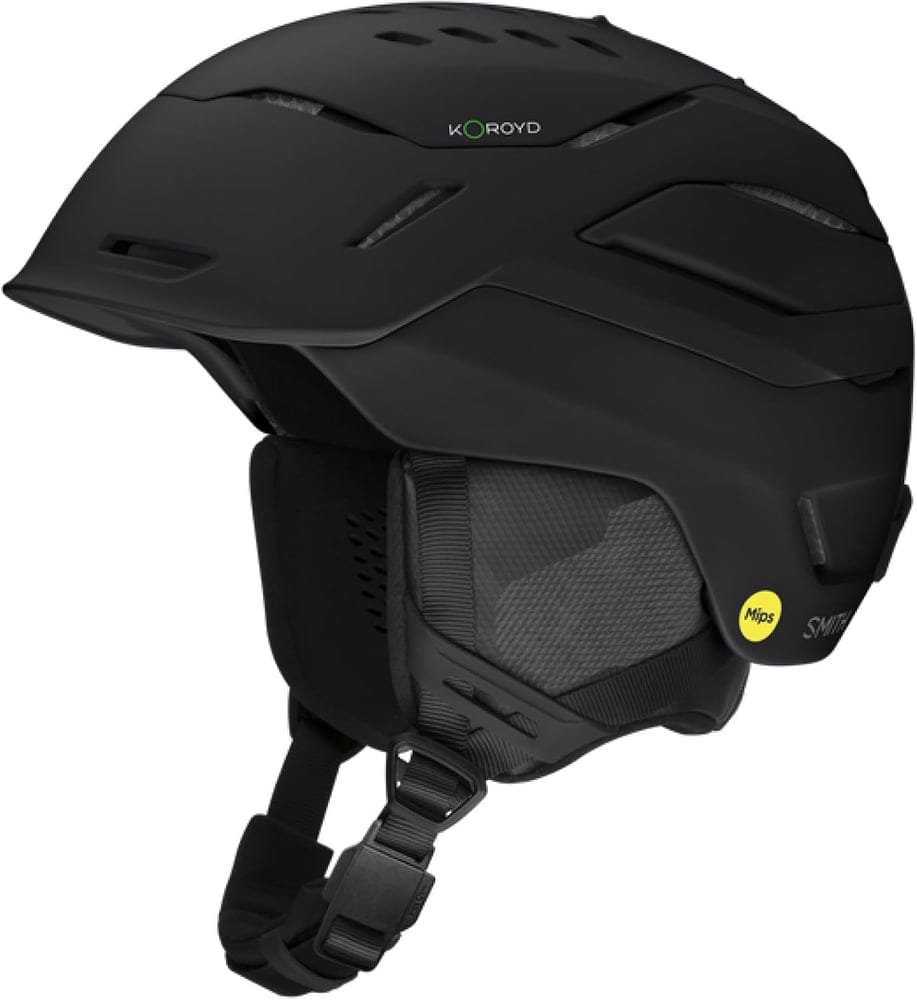 VS | |
| Certifications | ASTM F2040, CE EN 1077 Class B, EN 12492 | ASTM F2040, CE EN 1077 |
| Rotational Impact System | MIPS | MIPS |
| Construction | Hybrid shell (hard exterior + in-mold) with zonal Koroyd | Three-piece hybrid shell with full Koroyd coverage |
| Weight | 16 oz (size M) | 18 oz (size M) |
| Ventilation | 33 fixed vents | 40 vents, adjustable (dual top/side regulators) |
| Fit Adjustment System | BOA 360 Fit System dial | BOA 360 Fit System dial |
| Warranty | 3 Years | 3 Years |
| Size Range | S–XL (51–67 cm) | S–XL (51–67 cm) |
| Goggle Integration | AirEvac goggle venting; integrated headlamp strap routing | AirEvac goggle venting |
| Audio Compatibility | Not specified | Aleck audio compatible |
| Removable Ear Pads | Not specified (knit liner included) | Not specified |
| Buckle Type | Not specified | Fidlock magnetic buckle |
| Smith Summit MIPS | Smith Vantage 2 MIPS |
|---|---|
| |
| Certifications | |
ASTM F2040, CE EN 1077 Class B, EN 12492 | ASTM F2040, CE EN 1077 |
| Rotational Impact System | |
MIPS | MIPS |
| Construction | |
Hybrid shell (hard exterior + in-mold) with zonal Koroyd | Three-piece hybrid shell with full Koroyd coverage |
| Weight | |
16 oz (size M) | 18 oz (size M) |
| Ventilation | |
33 fixed vents | 40 vents, adjustable (dual top/side regulators) |
| Fit Adjustment System | |
BOA 360 Fit System dial | BOA 360 Fit System dial |
| Warranty | |
3 Years | 3 Years |
| Size Range | |
S–XL (51–67 cm) | S–XL (51–67 cm) |
| Goggle Integration | |
AirEvac goggle venting; integrated headlamp strap routing | AirEvac goggle venting |
| Audio Compatibility | |
Not specified | Aleck audio compatible |
| Removable Ear Pads | |
Not specified (knit liner included) | Not specified |
| Buckle Type | |
Not specified | Fidlock magnetic buckle |
Protection
Summit MIPS
Vantage 2 MIPS
Protection is the reason anyone buys a ski helmet, even though it is the feature most riders hope never to use, so it deserves close attention. Summit MIPS buyers consistently say they feel safe on the mountain, pointing to zonal Koroyd coverage, energy absorbing impact protection, and MIPS reducing rotational forces. The Summit also carries the broader certification list, covering ASTM F2040, CE EN 1077 Class B, and the EN 12492 climbing standard, which adds reassurance for backcountry touring and mixed terrain. The Vantage 2 MIPS also earns strong marks, with reviewers highlighting full coverage energy absorption, MIPS for angled impacts, and full Koroyd coverage as an added layer. Its protection rating is a bit lower, largely because its certification listing is narrower and feedback is less extensive. For most buyers the Summit MIPS is the stronger protection pick, while the Vantage 2 MIPS remains a solid choice for those who specifically want full-coverage Koroyd.
Comfort
Summit MIPS
Vantage 2 MIPS
Comfort decides whether a helmet stays on for a full day of runs or ends up in a pocket by lunch, which makes it especially important for touring and long days. The Summit MIPS earns some of the most enthusiastic feedback in this comparison, with buyers calling it very light, really comfortable, and almost like not wearing it at all. Its BOA system tightens to a precise fit, and micro adjustability helps riders keep that fit stable once it is set. The Vantage 2 MIPS is also praised as seamless and lightweight, and reviewers say it stays comfortable through long days on the mountain. Its weight is noticeably higher on the spec sheet, and its comfort feedback is more limited, so the gap in ratings reflects both a lighter feel and more consistent praise for the Summit. Buyers who prioritize the lightest possible head feel should lean toward the Summit MIPS.
Durability
Summit MIPS
Vantage 2 MIPS
Durability matters because a helmet takes knocks from falls, lift-line bumps, and repeated packing and unpacking over several seasons. Buyers of the Summit MIPS describe a durable exterior and a hybrid shell that holds up where it counts, though the number of comments is small. The Vantage 2 MIPS has no durability feedback in the available reviews, so its rating reflects a lack of detail rather than a known weakness. That means the Summit has a modest edge on paper, but neither helmet has enough long-term evidence to call durability a standout strength. Buyers who care most about proven longevity should look for more reports before deciding, while everyone else can treat both helmets as reasonable for typical resort use.
Ventilation
Summit MIPS
Vantage 2 MIPS
Ventilation shapes whether a helmet stays comfortable on climbs and fast runs, and it also affects how much sweat ends up in your goggles. The Summit MIPS offers 33 fixed vents plus Air Evac ventilation, and buyers say their heads stay cool on sweaty climbs and that the venting helps prevent overheating. The Vantage 2 MIPS is widely praised for airflow, with 40 vents, dual regulators, and separate top and side vents that buyers say help control heat and sweat during active runs. The key difference is control: the Summit's vents are fixed, so cooling is steady, while the Vantage 2 lets you open or close airflow as conditions change. Riders who run hot or switch between cold and warm conditions will likely prefer the Vantage 2, while those who want reliable airflow without adjusting anything can be happy with the Summit.
Fog Prevention
Summit MIPS
Vantage 2 MIPS
Fog prevention matters because a helmet cannot help if goggles fog up on a cold lift ride or during a hard effort. Summit MIPS buyers mention fog-free visibility, which is encouraging, although the number of comments is small. The Vantage 2 MIPS gets more specific praise for its Air Evac system, vents that pull air through the goggle area, and a helmet-goggle fit that channels airflow to reduce fogging. Reviewers still describe the Vantage 2 results as encouraging but limited, and they note that performance can depend on goggle pairing and conditions. Both helmets appear to handle fog reasonably well, with the Vantage 2 offering a clearer explanation of how its airflow design works. Buyers should test pairing with their own goggles before relying on either helmet in harsh cold.
Ease Of Use
Summit MIPS
Vantage 2 MIPS
Ease of use affects how often you actually wear a helmet, from the morning gear-up to packing it away after a long day. The Summit MIPS is praised for folding into itself and packing easily, and buyers highlight its external bungee loop, low-profile integrated headlamp strap, and room to fit a cap underneath. Its BOA fit system is easy to dial in and stays put once adjusted. The Vantage 2 MIPS is especially strong for glove use, with a BOA 360 dial and Fidlock magnetic buckles that can be operated with one hand, even in mittens. The Summit has the higher rating overall because it covers more everyday conveniences, but the Vantage 2 is the better choice for riders who frequently fumble with buckles in cold weather.
Trust & Transparency
- Data-driven rankings from real user reviews
- Affiliate partnerships don't influence our methodology
We may earn commission from links.
Conclusion & Final Verdict:
Choose the Smith Summit MIPS if you want the lighter, more comfortable helmet with the broader certification list, the higher overall rating, and the handy headlamp routing. It is the stronger all-round pick for backcountry touring and riders who value a secure, low-profile fit.
Choose the Smith Vantage 2 MIPS if you run hot, want adjustable top and side venting, or regularly work with gloves and mittens and need one-hand magnetic buckles. Both helmets offer MIPS, strong ventilation, and a three-year warranty, so your choice should come down to whether comfort and weight or airflow control and quick closures matter more to you.
Related Comparisons
Smith Summit MIPSvsSmith Method MIPS
The Summit MIPS suits alpine and touring skiers who want more venting, a dial-in BOA fit and an extra climbing certification. The lighter Method MIPS at 14.1 oz is the better pick for buyers who put low weight and all-day comfort first and can accept fewer, fixed vents.
Smith Summit MIPSvsSmith Nexus MIPS
The Smith Nexus MIPS is the better pick for riders who want full Koroyd coverage, adjustable venting, glove-friendly Fidlock buckling and a removable ear pad, at the cost of about 3 oz more weight. The Smith Summit MIPS is the lighter, fixed-vent option for backcountry touring and climbing that values low weight and climbing-standard certification.
Smith Vantage 2 MIPSvsGiro Ledge MIPS
Choose the Smith Vantage 2 MIPS if airflow control and quick, glove-friendly adjustment matter most. Choose the Giro Ledge MIPS if you want a lighter, more comfortable helmet that works well under goggles and full face masks.
Smith Vantage 2 MIPSvsGiro Tor Spherical
The Smith Vantage 2 MIPS leads on ventilation, warranty, and weight, while the Giro Tor Spherical is stronger for protection, comfort, and one-handed ease of use. Choose the Vantage 2 if you run hot on active days, or the Tor Spherical if you want the most protective and comfortable all-round fit.
Smith Vantage 2 MIPSvsOakley MOD1 PRO
Smith Vantage 2 MIPS pulls ahead on airflow, fog-friendly venting, and quick glove-friendly adjustment, while Oakley MOD1 PRO wins on a snug, adjustable fit and a tougher Dura-Matter shell. Choose the Vantage if you run hot and want a light helmet, and the MOD1 PRO if you want a durable hard shell with a precise fit.
Smith Vantage 2 MIPSvsOakley MOD5
The Smith Vantage 2 MIPS is the better pick for buyers who run hot and want the most airflow, fog control and lightweight comfort, while the Oakley MOD5 suits those who prioritize a quick glove-friendly buckle and goggle-compatible strap system, though its fit can run tight.