
Smith Method MIPS vs POC Fornix MIPS
Why You Can Trust Us
- Side-by-side analysis based on real user feedback
- Unbiased comparisons, not influenced by partnerships
- Updated as new data becomes available
We may earn from affiliate links at no extra cost to you.
| Method MIPS | Fornix MIPS | |
|---|---|---|
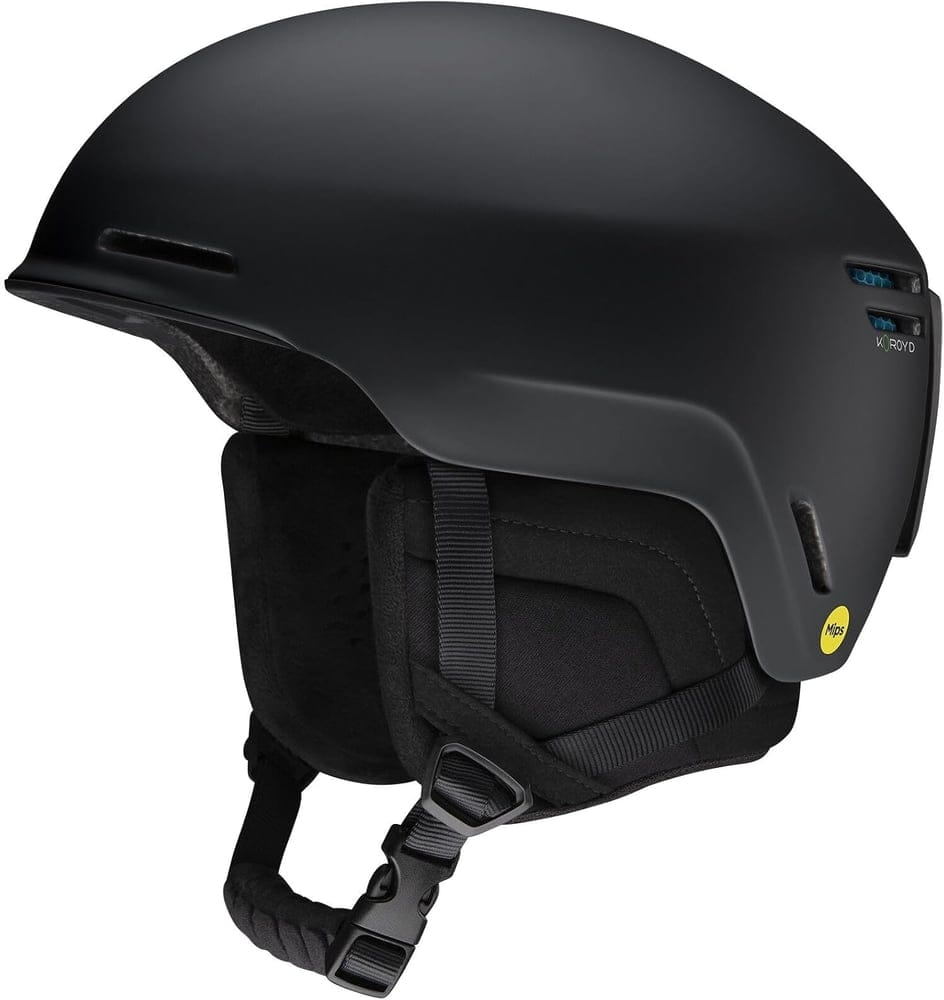 | 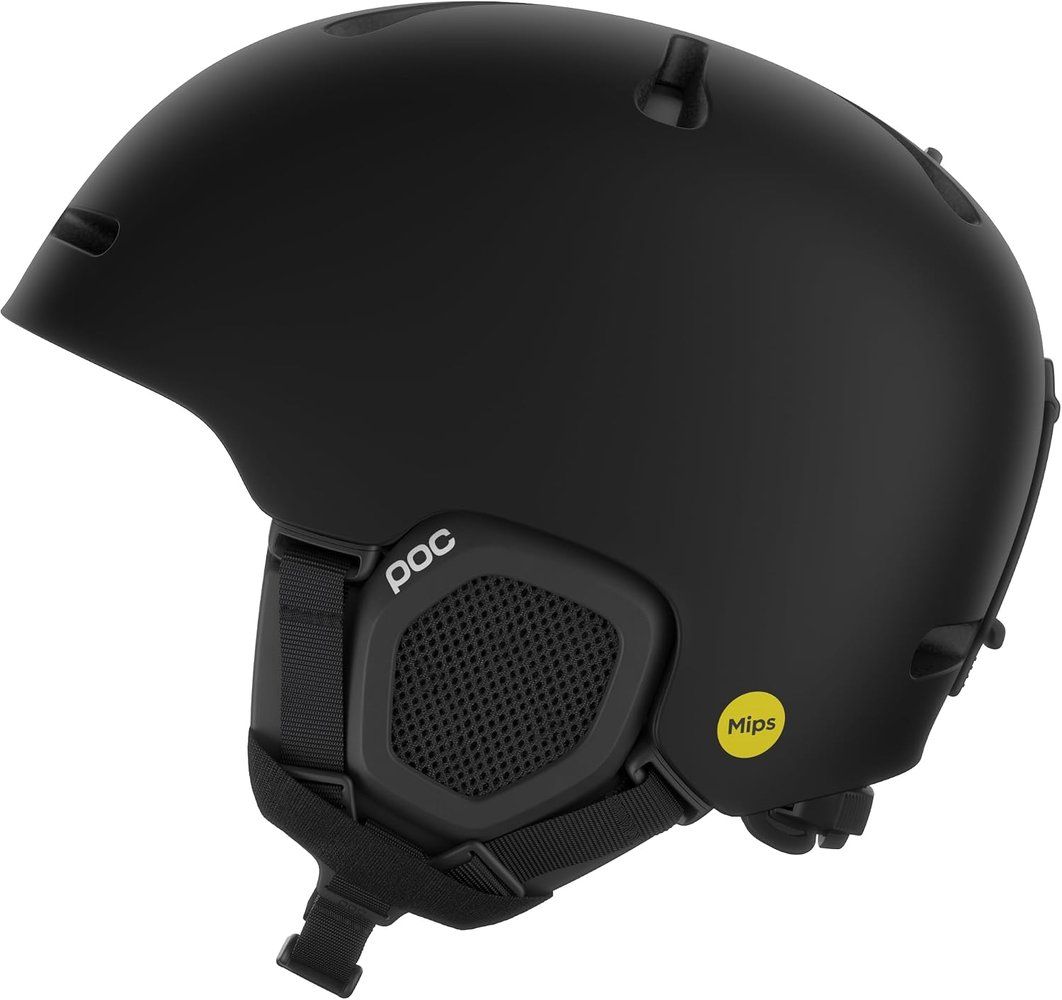 VS | |
| Certifications | ASTM F2040, CE EN 1077 Class B | ASTM F2040, CE EN 1077 Class B |
| Rotational Impact System | MIPS | MIPS |
| Construction | In-mold shell with zonal Koroyd | PC shell, EPS liner, aramid bridges |
| Weight | 14.1 oz (size M) | 17.6 oz (size M-L) |
| Ventilation | 8 fixed vents | Adjustable vents; goggle chimneys |
| Fit Adjustment System | Self-adjusting Lifestyle Fit System (no dial) | 360° dial fit system |
| Warranty | 3 Years | 1 Year |
| Size Range | S–XL (51–67 cm) | XS-S to XL-XXL (51–62 cm) |
| Goggle Integration | AirEvac goggle venting; removable goggle strap lock | Fixed rear goggle clip; goggle chimneys |
| Audio Compatibility | Aleck audio compatible | Not specified |
| Removable Ear Pads | Yes (Snapfit SL2) | Yes |
| Buckle Type | Not specified | Not specified |
| Smith Method MIPS | POC Fornix MIPS |
|---|---|
| |
| Certifications | |
ASTM F2040, CE EN 1077 Class B | ASTM F2040, CE EN 1077 Class B |
| Rotational Impact System | |
MIPS | MIPS |
| Construction | |
In-mold shell with zonal Koroyd | PC shell, EPS liner, aramid bridges |
| Weight | |
14.1 oz (size M) | 17.6 oz (size M-L) |
| Ventilation | |
8 fixed vents | Adjustable vents; goggle chimneys |
| Fit Adjustment System | |
Self-adjusting Lifestyle Fit System (no dial) | 360° dial fit system |
| Warranty | |
3 Years | 1 Year |
| Size Range | |
S–XL (51–67 cm) | XS-S to XL-XXL (51–62 cm) |
| Goggle Integration | |
AirEvac goggle venting; removable goggle strap lock | Fixed rear goggle clip; goggle chimneys |
| Audio Compatibility | |
Aleck audio compatible | Not specified |
| Removable Ear Pads | |
Yes (Snapfit SL2) | Yes |
| Buckle Type | |
Not specified | Not specified |
Protection
Method MIPS
Fornix MIPS
Protection is the reason a ski helmet exists, so it matters more than any single feature, and both helmets include MIPS to help reduce rotational forces from angled impacts. The Method MIPS earns the higher protection score, with buyers praising its zonal Koroyd coverage for energy absorption and its ventilated impact design, and many reviewers call the MIPS version worth choosing for added head safety. The Fornix MIPS is also well regarded, with reviewers noting its aramid bridges add shell strength and penetration resistance, and buyers describe its protection as reliable for all-mountain, freeride, and piste skiing. The gap is modest and based on fewer reviews for the POC, so for most skiers both offer solid head protection, with the Smith holding a slight edge on the evidence available.
Comfort
Method MIPS
Fornix MIPS
Comfort determines whether you actually keep a helmet on for a full day, and this is where the Method MIPS stands out most clearly. Buyers repeatedly describe it as one of the lightest and most comfortable helmets they have worn, with many saying it feels like they are wearing nothing at all, and they credit the removable ear pads, padded chin guard, and self-adjusting fit for avoiding pressure points. The Fornix MIPS is also praised for comfort, with reviewers highlighting cushioning at the ear cups and chin, a fit that stays comfortable around the head, and a build that stays light at around 420 g. Its rear cinch adjustment gives a more customized feel, however, so the Smith wins on overall comfort while the POC appeals to those who want to tune the fit more precisely.
Durability
Method MIPS
Fornix MIPS
Durability affects how many seasons a helmet will last and whether it survives rough handling in a car or lodge. The Method MIPS receives praise for its lightweight, durable in-mold shell and a thin carry case that buyers say prevents scratches during transport. Long-term feedback on it is limited, so its score should be read as more tentative. The Fornix MIPS has a strong reputation for solid construction and a goggle strap that stays locked in place, and its aramid bridges add shell strength, but some owners report the EPS liner cracking and the shiny finish scratching over time, and reviewers note that its lightweight design involves some durability trade-offs. Overall the Smith earns the higher durability score, but buyers of either helmet should inspect the liner and shell regularly.
Ventilation
Method MIPS
Fornix MIPS
Ventilation matters most for skiers who run warm or work hard on the uphill, because overheating leads to sweat and fogged goggles. The Method MIPS uses eight fixed exhaust vents that reviewers find effective for keeping airflow steady on active runs, but the main drawback is that these vents cannot be closed in snow, and adjustable venting is only offered as a premium alternative. The Fornix MIPS relies on adjustable top vents that open and close with a quick dial, letting wearers release hot air on demand, which is especially useful for those who get hot quickly. Some reviewers feel its goggle vent adds only slight airflow, so the top vents are the main cooling tool to rely on. The POC gives more control over ventilation and wins this category, particularly for variable conditions.
Fog Prevention
Method MIPS
Fornix MIPS
Fog prevention decides whether your goggles stay clear when you are working hard or when temperatures swing, and both helmets have a dedicated approach. The Method MIPS uses AirEvac venting that buyers say keeps goggle lenses clear despite its fixed vents, with little to no fogging reported in use. The Fornix MIPS uses forehead goggle vents and goggle chimneys to direct airflow across the lens, and buyers report clear goggles during hard skiing. Both systems are encouraging, but each is supported by a fairly limited set of reviews, so the performance of either will also depend on the goggles you pair with them. Neither helmet has a clear advantage here, so this category is a tie.
Ease Of Use
Method MIPS
Fornix MIPS
Ease of use covers how quickly you can put the helmet on, adjust it, and pair it with goggles, and each helmet offers a different experience. The Method MIPS is simple to take on and off, with buyers finding the ear pads easy to remove and the strap easy to slide under goggles, and its self-adjusting fit requires no fiddling. Its drawbacks are that the removable ear pads can be easily displaced or lost, and the fit system only adjusts about three notches, which limits fine-tuning. The Fornix MIPS offers a 360-degree dial that buyers find customizable and set-once, and its removable ear pads can be pulled out for a beanie or buff, though some users need time to learn the fit system and find the rear wheel stiff to turn. The Smith is easier to use straight out of the box, so it takes this category.
Trust & Transparency
- Data-driven rankings from real user reviews
- Affiliate partnerships don't influence our methodology
We may earn commission from links.
Conclusion & Final Verdict:
Choose the Smith Method MIPS if you want the lightest, most comfortable helmet for long days, a longer 3-year warranty, and a simple fit that needs no adjusting. It wins on comfort, durability, ease of use, and protection, though its fixed vents cannot be closed in snow.
Choose the POC Fornix MIPS if you run warm, want to open and close top vents on demand, or prefer a 360-degree dial for a precise custom fit. Its aramid bridges add solid protection, but expect a stiffer fit learning curve and to inspect the liner and shell regularly.
Related Comparisons
Oakley MOD5vsPOC Fornix MIPS
The Oakley MOD5 is the better choice for skiers who want easy gloved buckling, micro-adjustable BOA fit and strong venting. The POC Fornix MIPS suits buyers who put comfort first, with a lighter build, cushioned fit and aramid reinforcement.
OutdoorMaster ELK MIPSvsPOC Fornix MIPS
The OutdoorMaster ELK MIPS is the better budget pick for buyers who put protection, ventilation control, and a longer warranty first. The POC Fornix MIPS suits lightweight, comfort-focused skiers who want adjustable top vents and better goggle fog control.
POC Obex MIPSvsPOC Fornix MIPS
The Obex MIPS suits comfort-focused skiers who want soft padding, tunable sliding vents, and audio headset compatibility, though its shell durability draws concern. The Fornix MIPS is the better pick for buyers who prioritize aramid-reinforced protection, stronger fog control, and a secure set-once fit, and who don't mind a stiff adjustment wheel.
Smith Method MIPSvsOakley MOD1 PRO
The Smith Method MIPS is the lighter, more comfortable choice for skiers who mostly want a helmet they forget they are wearing, with a fixed-vent design that can't be closed in snow. The Oakley MOD1 PRO suits buyers who want a tougher hard shell and a precise BOA fit dial, and who accept some wind noise and a fiddlier chin strap.
Smith Method MIPSvsOakley MOD5
The Method MIPS is the lighter, more comfortable choice at about 14 oz, with a fit most riders forget about on long days. The MOD5 suits riders who want a glove-friendly magnetic buckle and a BOA dial for finer fit, though its tighter sizing and heavier build may not suit every head.
Smith Method MIPSvsOutdoorMaster ELK MIPS
The Smith Method MIPS suits skiers who want the lightest, most barely-there fit, with longer warranty and wider size range. The OutdoorMaster ELK MIPS is the better pick for adjustable airflow, plush cold-weather padding, and a rear dial for fine-tuning at a budget price.