
Smith Method MIPS vs OutdoorMaster ELK MIPS
Why You Can Trust Us
- Side-by-side analysis based on real user feedback
- Unbiased comparisons, not influenced by partnerships
- Updated as new data becomes available
We may earn from affiliate links at no extra cost to you.
| Method MIPS | ELK MIPS | |
|---|---|---|
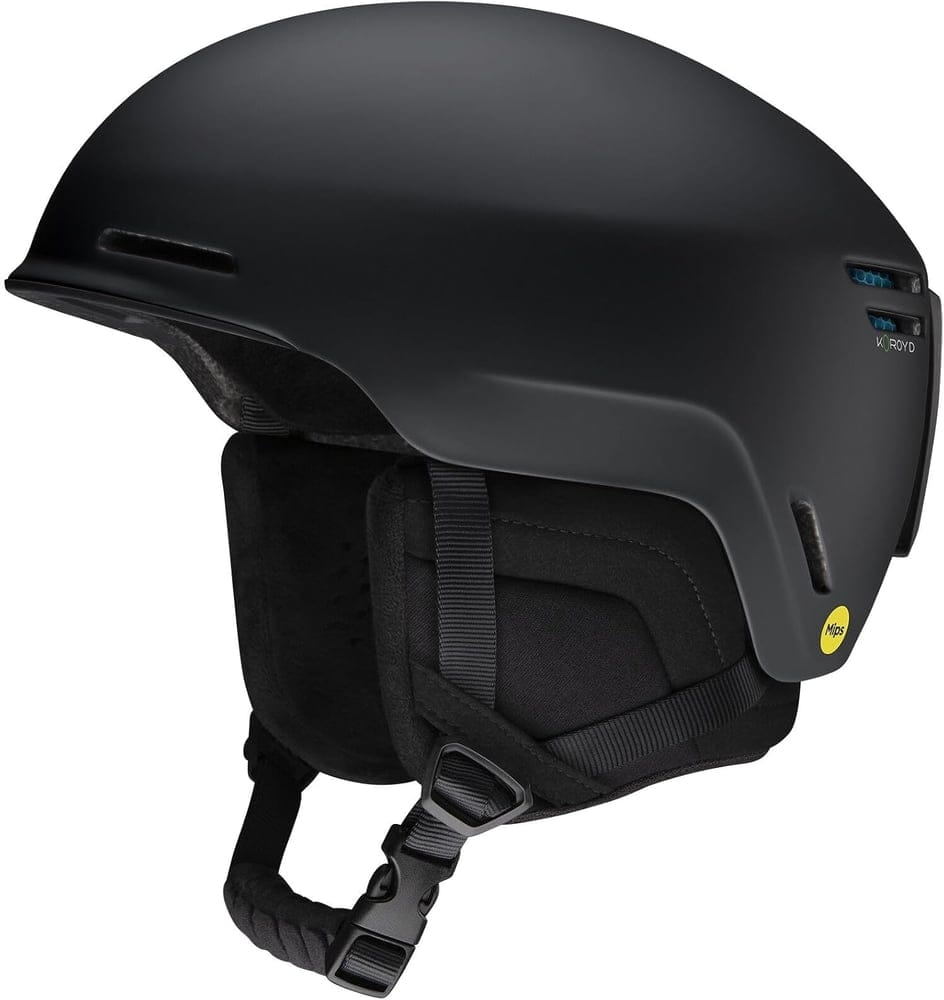 | 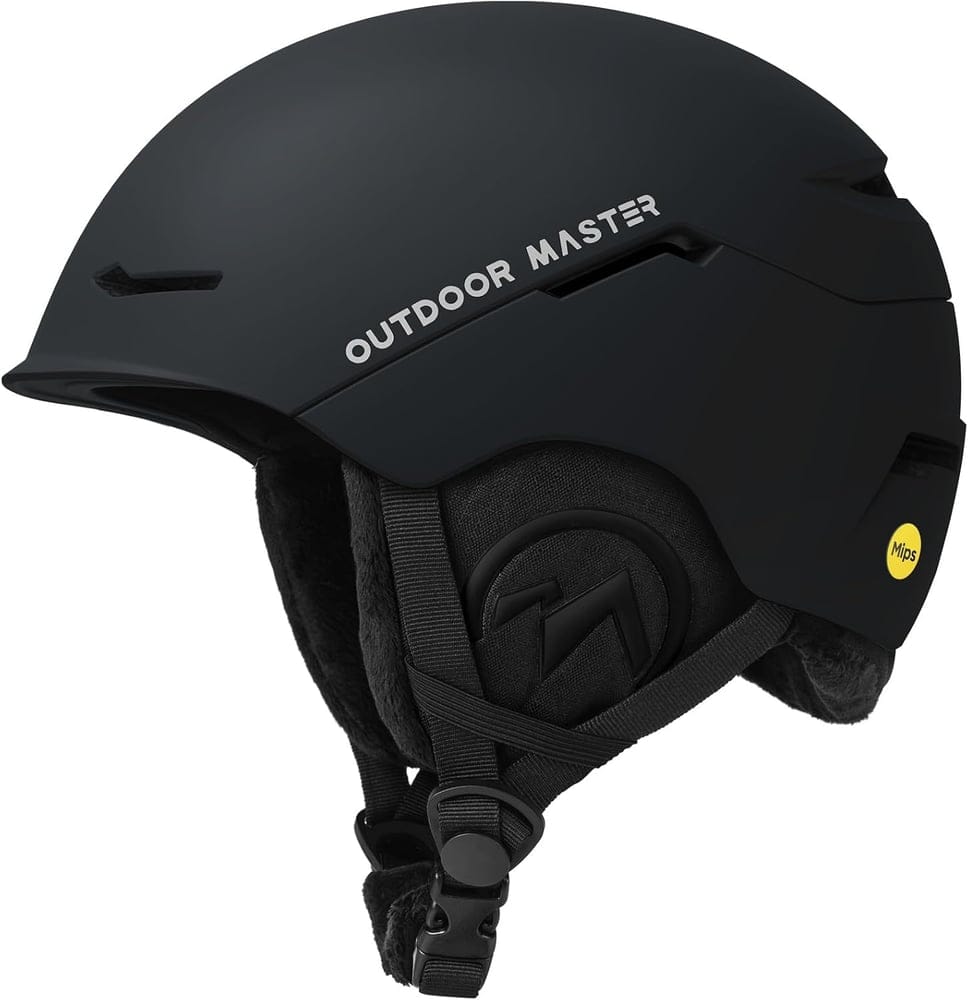 VS | |
| Certifications | ASTM F2040, CE EN 1077 Class B | ASTM F2040, CE EN 1077 Class B |
| Rotational Impact System | MIPS | MIPS |
| Construction | In-mold shell with zonal Koroyd | In-mold PC shell with EPS liner |
| Weight | 14.1 oz (size M) | 16.9 oz (listed) |
| Ventilation | 8 fixed vents | 8 vents |
| Fit Adjustment System | Self-adjusting Lifestyle Fit System (no dial) | Rear size-adjustment dial |
| Warranty | 3 Years | 2 Years |
| Size Range | S–XL (51–67 cm) | S–L (51–61 cm) |
| Goggle Integration | AirEvac goggle venting; removable goggle strap lock | Rear goggle strap retainer |
| Audio Compatibility | Aleck audio compatible | Not specified |
| Removable Ear Pads | Yes (Snapfit SL2) | Yes |
| Buckle Type | Not specified | Not specified |
| Smith Method MIPS | OutdoorMaster ELK MIPS |
|---|---|
| |
| Certifications | |
ASTM F2040, CE EN 1077 Class B | ASTM F2040, CE EN 1077 Class B |
| Rotational Impact System | |
MIPS | MIPS |
| Construction | |
In-mold shell with zonal Koroyd | In-mold PC shell with EPS liner |
| Weight | |
14.1 oz (size M) | 16.9 oz (listed) |
| Ventilation | |
8 fixed vents | 8 vents |
| Fit Adjustment System | |
Self-adjusting Lifestyle Fit System (no dial) | Rear size-adjustment dial |
| Warranty | |
3 Years | 2 Years |
| Size Range | |
S–XL (51–67 cm) | S–L (51–61 cm) |
| Goggle Integration | |
AirEvac goggle venting; removable goggle strap lock | Rear goggle strap retainer |
| Audio Compatibility | |
Aleck audio compatible | Not specified |
| Removable Ear Pads | |
Yes (Snapfit SL2) | Yes |
| Buckle Type | |
Not specified | Not specified |
Protection
Method MIPS
ELK MIPS
Protection is the reason to wear a ski helmet at all, since falls and collisions on snow can produce angled impacts that carry rotational force. Both helmets use MIPS to address that, so the difference here comes from buyer sentiment rather than a missing safety feature. The OutdoorMaster ELK MIPS scores 4.7 out of 5 from 27 mentions, with buyers pointing to its MIPS liner and overall sense of safety, and one customer describes wearing it through a real crash. The Smith Method MIPS scores 4.4 out of 5 from 10 mentions, with reviewers praising its zonal Koroyd coverage for energy absorption and recommending the MIPS version as worth the choice. A small number of complaints keep the ELK from being flawless, but protection is its most-praised area. Buyers who put impact confidence first will find the ELK the stronger pick, while the Method still offers credible protection in a lighter build.
Comfort
Method MIPS
ELK MIPS
Comfort decides whether you keep a helmet on through a full day of runs, so it carries heavy weight in this comparison. The Smith Method MIPS scores 4.7 out of 5 from 16 mentions, with buyers describing it as one of the most comfortable helmets tested, very lightweight, and nearly unnoticeable on the head, with no pressure points and a padded chin guard. Its removable ear pads and self-adjusting fit system are praised for a form-fitting feel, and the medium size almost always fits. The OutdoorMaster ELK MIPS scores 4.3 out of 5 from 113 mentions, with 95 positive, praising its soft liner, plush ear padding, and adjustable ear covers that keep ears warm across temperatures. Some ELK reviewers reported fit or comfort complaints, so trying it on before buying is worth it. The Method wins on the sense of wearing nothing at all, while the ELK wins on cozy padding for cold days, and its far larger sample gives that score more weight.
Durability
Method MIPS
ELK MIPS
Durability matters because a helmet is a multi-season purchase that must survive drops, transport, and years of storage. The Smith Method MIPS scores 3.6 out of 5 from only 2 mentions, citing its lightweight, durable in-mold shell with EPS liner and a thin carry case that helps prevent scratches in transit. The OutdoorMaster ELK MIPS scores 3.4 out of 5 from a single mention, where a buyer reported it held up through a full season in varied conditions. Neither helmet has much long-term feedback, so the small edge for the Method is more a signal of promise than proof. Buyers planning several seasons should weigh the warranty as well, since the Method offers 3 years against the ELK's 2 years. The practical verdict is a slight edge to the Method, but treat both as unproven over the long haul.
Ventilation
Method MIPS
ELK MIPS
Ventilation matters because skiers overheat on climbs and hard runs, and helmet vents decide whether you stay cool or get cold on the lift. The OutdoorMaster ELK MIPS scores 3.9 out of 5 from 5 mentions, all positive, with eight vents and side vents releasing warm air while blocking cold wind. Breathable mesh and removable ear pads help on warmer days, so the ELK adapts across a wider temperature range. The Smith Method MIPS scores 3.4 out of 5 from 6 mentions, with reviewers praising its eight fixed exhaust vents for steady airflow during active runs. Its main drawback is that the vents cannot be closed in snow, and adjustable venting is offered only as a premium alternative. Buyers who ski in changing or cold conditions will get more flexibility from the ELK, while the Method suits skiers who mostly ride in milder weather and want consistent airflow.
Fog Prevention
Method MIPS
ELK MIPS
Fog prevention matters because foggy goggles can quickly turn a clear run into a risky one, especially in humid or cold conditions. The Smith Method MIPS scores 3.6 out of 5 from 2 mentions, with buyers reporting little to no fogging despite its fixed vents, which they credit to its AirEvac ventilation system for clearer goggle lenses. The OutdoorMaster ELK MIPS scores 3.3 out of 5 from a single mention, with a buyer crediting its front vents for keeping goggles from fogging. Both scores rest on very thin feedback, so neither should be treated as proven. The Method's AirEvac approach is a more specific design feature, which gives it a modest edge. Buyers who rely heavily on goggles should test either helmet with their own lenses in cold, humid conditions before committing.
Ease Of Use
Method MIPS
ELK MIPS
Ease of use matters for quick gear changes, on-hill adjustments, and getting the helmet on and off with goggles in place. The OutdoorMaster ELK MIPS scores 3.9 out of 5 from 5 positive mentions, with its adjustable back buckle and rear dial making it simple to get a snug fit, and the dial can be tightened on the fly even with a camera mounted. The Smith Method MIPS scores 3.7 out of 5 from 8 mentions, with 6 positive and 2 negative, where buyers find the ear pieces easy to remove and the strap easy to slide under goggles. Its limitations are that the removable ear pads can be easily displaced or lost, and the self-adjusting fit system only moves about three notches, which limits fine-tuning. Buyers who want precise, on-the-go adjustment will find the ELK easier to live with, while the Method suits those who prefer a set-and-forget fit.
Trust & Transparency
- Data-driven rankings from real user reviews
- Affiliate partnerships don't influence our methodology
We may earn commission from links.
Conclusion & Final Verdict:
Choose the Smith Method MIPS if you want the lightest, most comfortable helmet with a wider size range, 3-year warranty, and fixed vents that work well for steady airflow in milder conditions. It is a strong pick for buyers who mainly want a helmet they forget they are wearing.
Choose the OutdoorMaster ELK MIPS if you value stronger protection sentiment, adjustable venting across warm and cold days, a rear dial for precise fit adjustment, and plush padding for cold-weather comfort. It is a practical budget choice for skiers who change conditions often and want to fine-tune their fit on the hill.
For most buyers, the Method is the better all-day comfort pick, while the ELK is the better choice for adjustability and protection confidence. Try either on with your goggles before buying.
Related Comparisons
OutdoorMaster ELK MIPSvsOakley MOD5
The OutdoorMaster ELK MIPS is the better pick for all-day comfort, warmth in cold weather and budget-minded buyers. The Oakley MOD5 suits skiers who put glove-friendly fit adjustment and a snug, fine-tuned feel first.
OutdoorMaster ELK MIPSvsPOC Fornix MIPS
The OutdoorMaster ELK MIPS is the better budget pick for buyers who put protection, ventilation control, and a longer warranty first. The POC Fornix MIPS suits lightweight, comfort-focused skiers who want adjustable top vents and better goggle fog control.
OutdoorMaster ELK MIPSvsPOC Obex MIPS
The OutdoorMaster ELK MIPS is the stronger pick for buyers who put protection, all-day comfort, and a longer 2-year warranty first. The POC Obex MIPS suits those who want a lighter, softer-fitting helmet with more vent control and a wider size range.
Smith Method MIPSvsOakley MOD1 PRO
The Smith Method MIPS is the lighter, more comfortable choice for skiers who mostly want a helmet they forget they are wearing, with a fixed-vent design that can't be closed in snow. The Oakley MOD1 PRO suits buyers who want a tougher hard shell and a precise BOA fit dial, and who accept some wind noise and a fiddlier chin strap.
Smith Method MIPSvsOakley MOD5
The Method MIPS is the lighter, more comfortable choice at about 14 oz, with a fit most riders forget about on long days. The MOD5 suits riders who want a glove-friendly magnetic buckle and a BOA dial for finer fit, though its tighter sizing and heavier build may not suit every head.
Smith Method MIPSvsPOC Fornix MIPS
The Smith Method MIPS is the better choice for skiers who prioritize a barely-there, lightweight fit and a longer 3-year warranty. The POC Fornix MIPS suits warm-running skiers who want adjustable top vents and a secure 360-degree dial fit.