
Smith Method MIPS vs Oakley MOD5
Why You Can Trust Us
- Side-by-side analysis based on real user feedback
- Unbiased comparisons, not influenced by partnerships
- Updated as new data becomes available
We may earn from affiliate links at no extra cost to you.
| Method MIPS | MOD5 | |
|---|---|---|
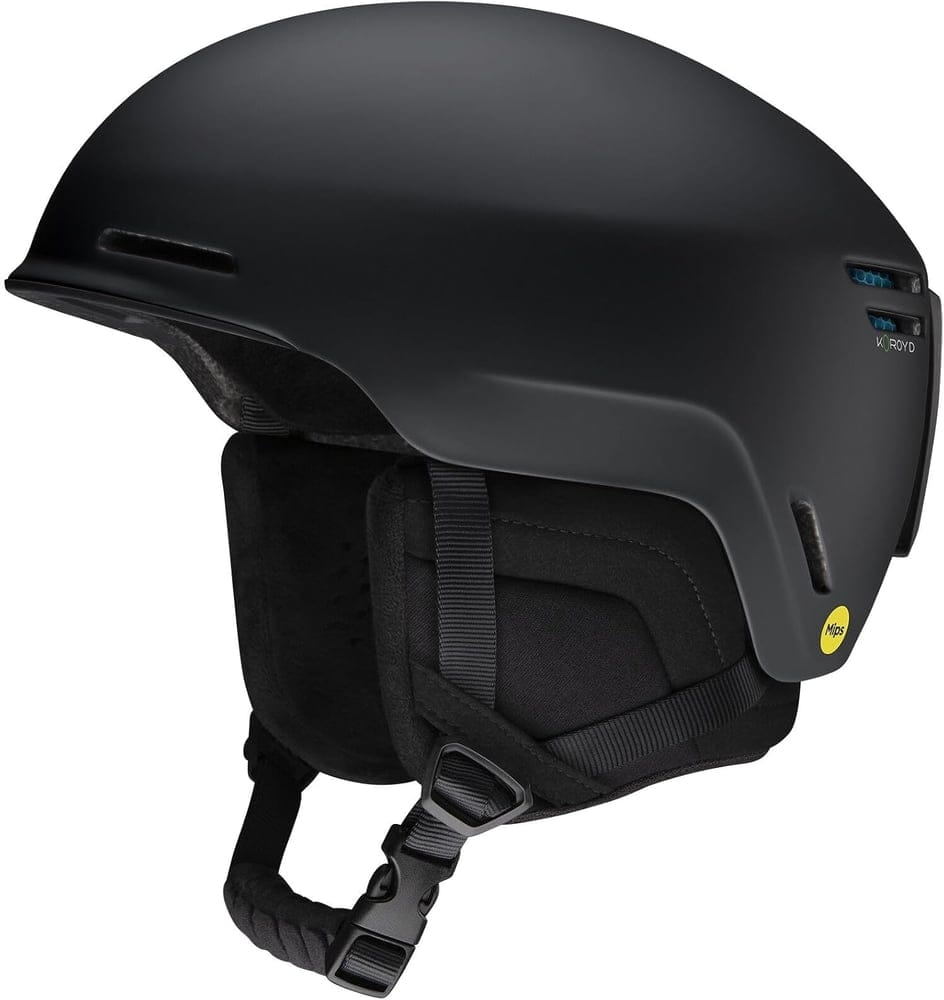 | 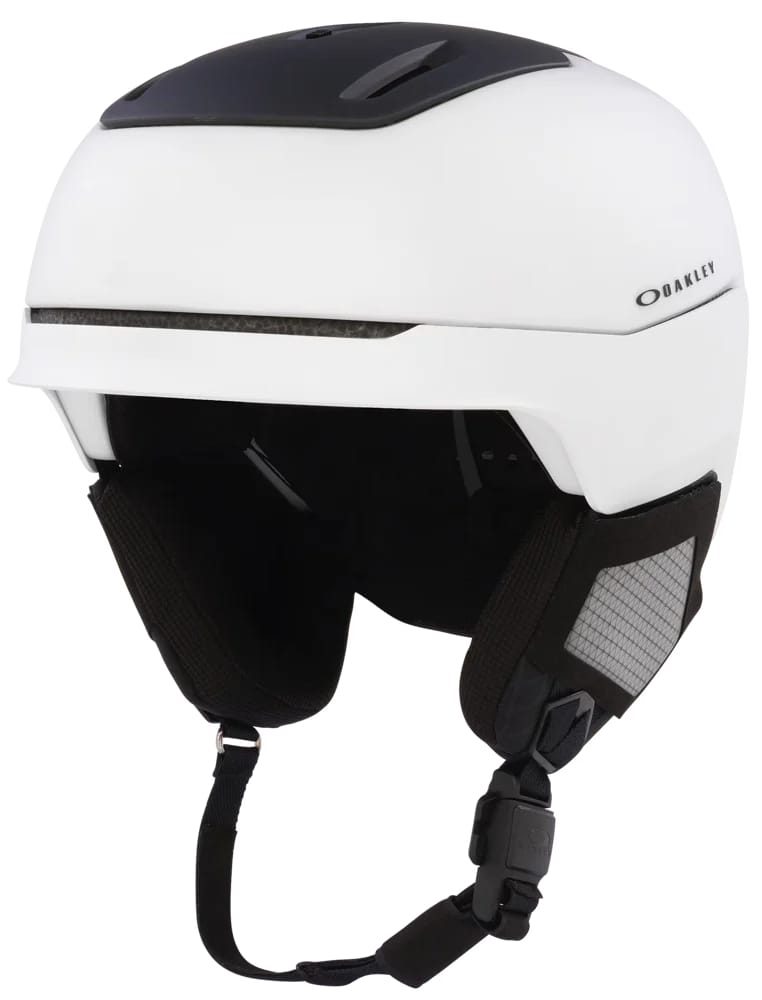 VS | |
| Certifications | ASTM F2040, CE EN 1077 Class B | ASTM F2040, CE EN 1077 |
| Rotational Impact System | MIPS | MIPS |
| Construction | In-mold shell with zonal Koroyd | Hybrid in-mold (retailer-listed) |
| Weight | 14.1 oz (size M) | 22.5 oz (size M, measured) |
| Ventilation | 8 fixed vents | Adjustable multi-zone vents |
| Fit Adjustment System | Self-adjusting Lifestyle Fit System (no dial) | BOA 360 Fit System dial |
| Warranty | 3 Years | Defect warranty (term not stated); 3 Years crash replacement offer |
| Size Range | S–XL (51–67 cm) | S–L (51–63 cm) |
| Goggle Integration | AirEvac goggle venting; removable goggle strap lock | Vent zones help reduce goggle fog |
| Audio Compatibility | Aleck audio compatible | Yes (retailer-listed) |
| Removable Ear Pads | Yes (Snapfit SL2) | Not specified (removable Polartec liner) |
| Buckle Type | Not specified | Fidlock magnetic buckle |
| Smith Method MIPS | Oakley MOD5 |
|---|---|
| |
| Certifications | |
ASTM F2040, CE EN 1077 Class B | ASTM F2040, CE EN 1077 |
| Rotational Impact System | |
MIPS | MIPS |
| Construction | |
In-mold shell with zonal Koroyd | Hybrid in-mold (retailer-listed) |
| Weight | |
14.1 oz (size M) | 22.5 oz (size M, measured) |
| Ventilation | |
8 fixed vents | Adjustable multi-zone vents |
| Fit Adjustment System | |
Self-adjusting Lifestyle Fit System (no dial) | BOA 360 Fit System dial |
| Warranty | |
3 Years | Defect warranty (term not stated); 3 Years crash replacement offer |
| Size Range | |
S–XL (51–67 cm) | S–L (51–63 cm) |
| Goggle Integration | |
AirEvac goggle venting; removable goggle strap lock | Vent zones help reduce goggle fog |
| Audio Compatibility | |
Aleck audio compatible | Yes (retailer-listed) |
| Removable Ear Pads | |
Yes (Snapfit SL2) | Not specified (removable Polartec liner) |
| Buckle Type | |
Not specified | Fidlock magnetic buckle |
Protection
Method MIPS
MOD5
Protection matters most in a ski helmet because angled falls and glancing impacts often transfer rotational force to the head, and both helmets address this with MIPS. The Method MIPS earns the stronger protection score from buyers, who praise its zonal Koroyd coverage for energy absorption and describe the MIPS system as an important safeguard against rotational forces. Several reviewers also recommend choosing the MIPS version, which signals that the protective design is a major part of its appeal. The MOD5 is backed by ASTM F2040 and CE EN 1077 certifications and buyers credit its MIPS rotational-impact technology in angled falls, but its protection rating is lower because some buyers report snow entering through the gap between helmet and goggles, which can cause snow burn. For a buyer who wants the strongest protection story with clear energy-absorption design, the Method MIPS is the better pick.
Comfort
Method MIPS
MOD5
Comfort decides whether a helmet gets worn all day, and it is where the two helmets differ most. Buyers of the Method MIPS consistently describe it as very lightweight, with a fit many find nearly unnoticeable, and they note that the padded chin guard, removable ear pads, and self-adjusting fit system avoid pressure points on long runs. The MOD5 gets solid praise for its padding and cupped ear pads, which avoid pressure on the ears, and some riders like the warmth of the ear covers. However, a notable share of buyers find the MOD5 tight at the temples, sides, and ear cups, and sizing varies enough that medium or narrow heads may need to try it on before buying. For most riders who want a helmet that feels almost like wearing nothing, the Method MIPS is the clear comfort choice.
Durability
Method MIPS
MOD5
Durability matters because a helmet that holds up across several seasons is a better investment, and it also affects how well it handles crashes and daily knocks. The Method MIPS receives credit for a lightweight, durable in-mold shell with EPS and a thin carry case that helps prevent scratches during transport. Feedback on long-term durability across multiple seasons is limited, so this advantage is real but not fully proven. The MOD5 has a lower durability score because buyer feedback did not give enough detail to call it a standout strength or a clear weakness, which leaves it with an unproven record rather than a known problem. If you want a helmet with at least some positive durability signals, the Method MIPS has the edge, though neither helmet has a deep track record to lean on.
Ventilation
Method MIPS
MOD5
Ventilation shapes how warm you feel on active runs and how much moisture builds up inside the shell, so it matters for hard climbing days and fast descents alike. The Method MIPS offers eight fixed exhaust vents that reviewers find effective for steady airflow, but those vents cannot be closed in snow, and adjustable venting is only available in a premium alternative. The MOD5 stands out here with adjustable vents that open and close, a large front scoop that moves air well, and goggle-to-helmet venting that many buyers mention as a benefit. Some buyers note that certain MOD5 vents cannot be closed and that the helmet is less suited for touring or cold, low-airflow conditions. For riders who want control over airflow across changing weather, the MOD5 is the better choice, while the Method MIPS suits those who mainly ride in warmer, active conditions.
Fog Prevention
Method MIPS
MOD5
Fog prevention affects visibility, and goggle fog can be one of the most frustrating problems on a cold, active day. The Method MIPS earns a moderate score because buyers report little to no fogging despite its fixed vents, which they credit to the AirEvac venting system that helps keep goggle lenses clear. The feedback on this feature is encouraging but limited, so it is a solid advantage rather than a fully proven one. The MOD5 received a lower fog score because buyers did not provide enough detail to show a clear strength or weakness, so its goggle performance is not well documented. Its vent zones and goggle-to-helmet venting may help, but the evidence is thinner. If fog control is a priority, the Method MIPS currently offers the stronger, if still modest, track record.
Ease Of Use
Method MIPS
MOD5
Ease of use covers how quickly you can put the helmet on, adjust it, and work it with gloves and goggles, which affects daily convenience more than many buyers expect. The MOD5 is the clear standout, with a magnetic Fidlock-style buckle that works well with big gloves and a BOA dial that allows quick, micro-adjustable fit. Buyers also like the goggle-friendly strap system, the changeable brim, and the back clip that allows hanging storage. Some buyers mention that the buckle can lock unintentionally and that the back clip is awkward to tuck under. The Method MIPS is simple to take on and off, and buyers find the ear pieces easy to remove and the strap easy to slide under goggles. However, its fit system adjusts only about three notches, which limits fine-tuning, and the removable ear pads can be easily displaced or lost. For riders who value quick, precise adjustment with gloves on, the MOD5 is the better choice.
Trust & Transparency
- Data-driven rankings from real user reviews
- Affiliate partnerships don't influence our methodology
We may earn commission from links.
Conclusion & Final Verdict:
Choose the Smith Method MIPS if you want the lighter, more comfortable helmet with stronger protection marks, a nearly unnoticeable fit, and a wider size range. It suits skiers who spend long days on the slopes and prioritize comfort above fine adjustment.
Choose the Oakley MOD5 if you want easy glove-friendly buckling, a BOA dial for precise fit, and adjustable vents for changing conditions. Try it on before buying, since the fit can feel tight at the temples and sides and sizing differs from other helmets.
Related Comparisons
Giro Tor SphericalvsSmith Method MIPS
The Giro Tor Spherical suits buyers who want easy glove-friendly fit adjustment and a more versatile vent, while the Smith Method MIPS is the better choice for skiers who prioritize a very light, nearly unnoticeable helmet. Protection is evenly matched, so comfort and fit style should drive the decision.
Oakley MOD5vsPOC Fornix MIPS
The Oakley MOD5 is the better choice for skiers who want easy gloved buckling, micro-adjustable BOA fit and strong venting. The POC Fornix MIPS suits buyers who put comfort first, with a lighter build, cushioned fit and aramid reinforcement.
Oakley MOD5vsPOC Obex MIPS
The MOD5 suits buyers who want protection with easy gloved adjustment, thanks to its magnetic buckle and BOA dial, though its fit can feel tight. The Obex MIPS is the better pick for a lighter, softer, more comfortable fit, with a weaker reputation for long-term durability.
OutdoorMaster ELK MIPSvsOakley MOD5
The OutdoorMaster ELK MIPS is the better pick for all-day comfort, warmth in cold weather and budget-minded buyers. The Oakley MOD5 suits skiers who put glove-friendly fit adjustment and a snug, fine-tuned feel first.
Smith Method MIPSvsOakley MOD1 PRO
The Smith Method MIPS is the lighter, more comfortable choice for skiers who mostly want a helmet they forget they are wearing, with a fixed-vent design that can't be closed in snow. The Oakley MOD1 PRO suits buyers who want a tougher hard shell and a precise BOA fit dial, and who accept some wind noise and a fiddlier chin strap.
Smith Method MIPSvsOutdoorMaster ELK MIPS
The Smith Method MIPS suits skiers who want the lightest, most barely-there fit, with longer warranty and wider size range. The OutdoorMaster ELK MIPS is the better pick for adjustable airflow, plush cold-weather padding, and a rear dial for fine-tuning at a budget price.