
Giro Tor Spherical vs Smith Method MIPS
Why You Can Trust Us
- Side-by-side analysis based on real user feedback
- Unbiased comparisons, not influenced by partnerships
- Updated as new data becomes available
We may earn from affiliate links at no extra cost to you.
| Tor Spherical | Method MIPS | |
|---|---|---|
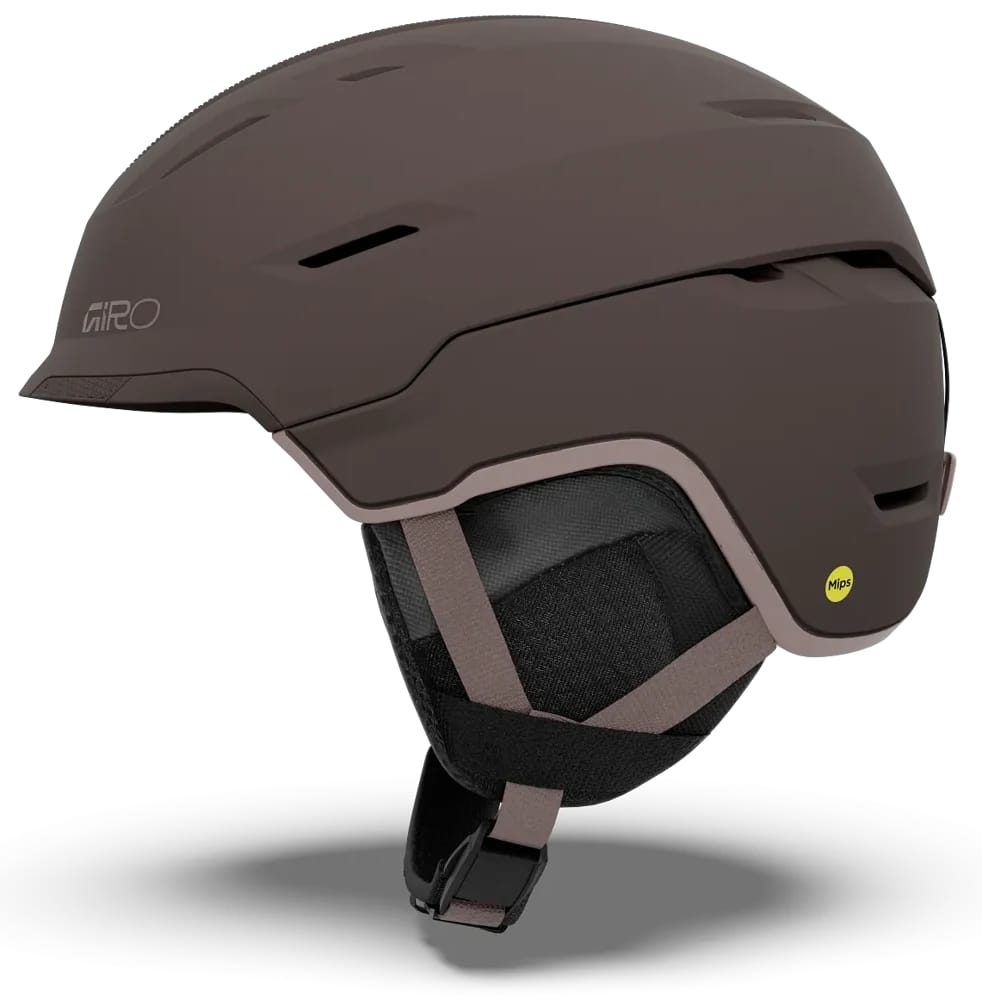 | 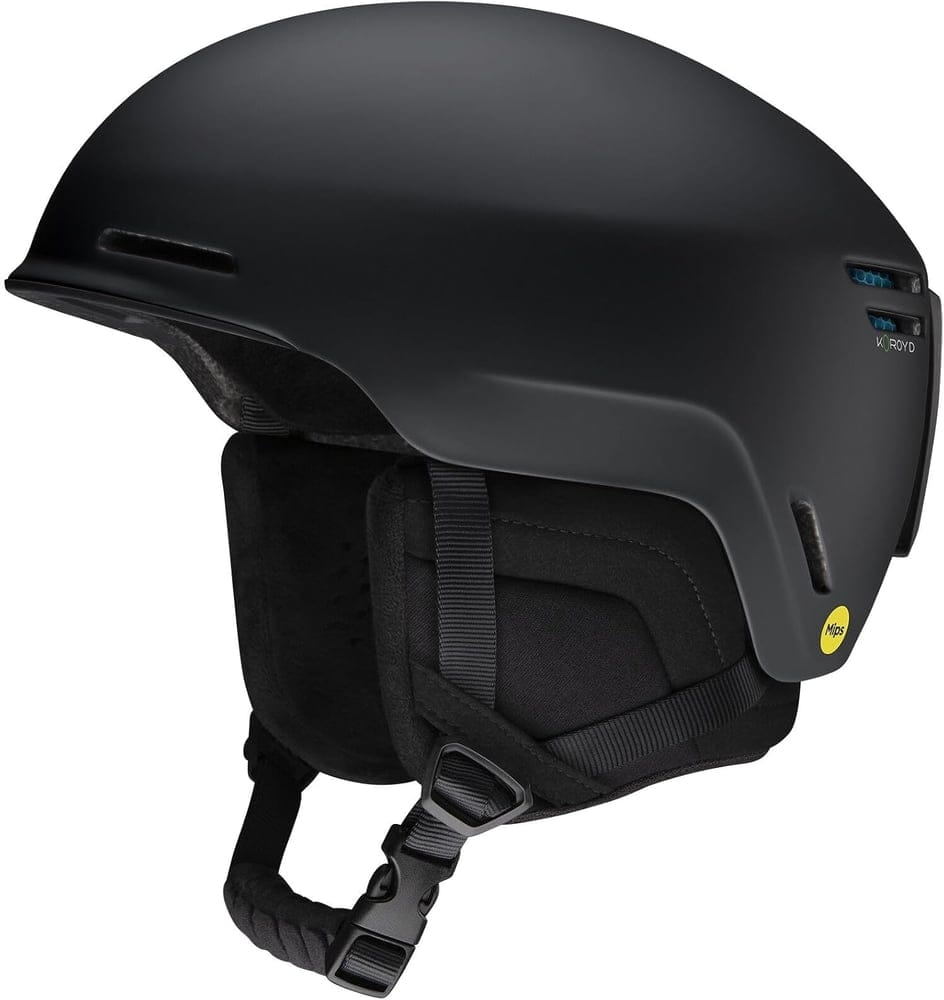 VS | |
| Certifications | CE EN 1077 | ASTM F2040, CE EN 1077 Class B |
| Rotational Impact System | MIPS Spherical | MIPS |
| Construction | Hybrid: ventilated hard-shell upper, in-mold lower shell, EPS/EPP liner | In-mold shell with zonal Koroyd |
| Weight | 19.5 oz (size M) | 14.1 oz (size M) |
| Ventilation | Adjustable (Thermostat Control), Wind Tunnel venting | 8 fixed vents |
| Fit Adjustment System | In Form 2 dial (up to 6 cm adjustment) with Vertical Tuning | Self-adjusting Lifestyle Fit System (no dial) |
| Warranty | 1 Year limited | 3 Years |
| Size Range | S–L (52–62.5 cm) | S–XL (51–67 cm) |
| Goggle Integration | Vertical Tuning for goggle fit (no gaper gap) | AirEvac goggle venting; removable goggle strap lock |
| Audio Compatibility | Not specified | Aleck audio compatible |
| Removable Ear Pads | Not specified | Yes (Snapfit SL2) |
| Buckle Type | Fidlock magnetic buckle | Not specified |
| Giro Tor Spherical | Smith Method MIPS |
|---|---|
| |
| Certifications | |
CE EN 1077 | ASTM F2040, CE EN 1077 Class B |
| Rotational Impact System | |
MIPS Spherical | MIPS |
| Construction | |
Hybrid: ventilated hard-shell upper, in-mold lower shell, EPS/EPP liner | In-mold shell with zonal Koroyd |
| Weight | |
19.5 oz (size M) | 14.1 oz (size M) |
| Ventilation | |
Adjustable (Thermostat Control), Wind Tunnel venting | 8 fixed vents |
| Fit Adjustment System | |
In Form 2 dial (up to 6 cm adjustment) with Vertical Tuning | Self-adjusting Lifestyle Fit System (no dial) |
| Warranty | |
1 Year limited | 3 Years |
| Size Range | |
S–L (52–62.5 cm) | S–XL (51–67 cm) |
| Goggle Integration | |
Vertical Tuning for goggle fit (no gaper gap) | AirEvac goggle venting; removable goggle strap lock |
| Audio Compatibility | |
Not specified | Aleck audio compatible |
| Removable Ear Pads | |
Not specified | Yes (Snapfit SL2) |
| Buckle Type | |
Fidlock magnetic buckle | Not specified |
Protection
Tor Spherical
Method MIPS
Protection is the reason you buy a ski helmet in the first place, and rotational impact design is the feature most buyers care about for angled crashes. The Tor Spherical's ball-and-socket MIPS Spherical liner earns praise from buyers who say the rotation adds protection in many types of falls, and reviewers describe the hard top as a good shield against falling ice and everyday knocks. The Method MIPS is rated just as highly, with buyers pointing to zonal Koroyd coverage that absorbs energy and the MIPS system that reduces rotational forces from angled impacts. Several reviewers say the MIPS version is worth choosing for anyone who wants extra head safety. Both helmets score 4.4/5, so neither has a clear protection edge, and the choice here depends more on whether you prefer the spherical liner or the Koroyd zones.
Comfort
Tor Spherical
Method MIPS
Comfort determines whether you actually keep a helmet on through a long day, and this is where the Method MIPS stands out. Buyers repeatedly describe it as very lightweight, barely noticeable on the head, and free of pressure points, with a padded chin guard and self-adjusting fit system helping it stay comfortable. The Tor Spherical also earns good feedback, with reviewers saying the fit feels great, the weight is solid, and the low-profile shape reduces bulk, especially with the ear flaps removed under a hat. Its 4.4/5 comfort score trails the Method MIPS's 4.7/5, and the gap comes from the Method MIPS's consistently lighter, almost unnoticeable feel. If the lightest possible helmet matters most to you, the Method MIPS is the better pick.
Durability
Tor Spherical
Method MIPS
Durability matters because a helmet that holds up across several seasons and daily handling protects your investment. Buyers of the Tor Spherical praise the hybrid shell top as very tough and say the hard top absorbs everyday wear and tear, with only a small number of complaints. The Method MIPS is described as having a lightweight, durable in-mold shell and a thin carry case that helps prevent scratches during transport. However, feedback on long-term durability across multiple seasons is limited for the Method MIPS. Both helmets score 3.6/5, so neither is clearly more durable, but the Tor Spherical's hybrid construction has somewhat more buyer confidence behind it.
Ventilation
Tor Spherical
Method MIPS
Ventilation affects how warm you get on uphill laps and active runs, and it also affects how well the helmet works with goggles in changing snow. The Tor Spherical uses an adjustable top thermostat vent that buyers say opens for cooling and lets you control airflow as conditions change. The Method MIPS relies on eight fixed exhaust vents that reviewers find effective for steady airflow during hard skiing. Its main drawback is that these vents cannot be closed in snow, and adjustable venting is only offered as a premium option. The Tor Spherical scores 3.6/5 against 3.4/5 for the Method MIPS, and its adjustable thermostat gives it the edge for skiers who ride in mixed conditions.
Fog Prevention
Tor Spherical
Method MIPS
Fog prevention decides whether your goggles stay clear when you stop, breathe hard, or ride in flat light. The Method MIPS has a small but encouraging set of buyer reports saying there is little to no fogging despite its fixed vents, which buyers credit to the AirEvac system that helps keep goggle lenses clear. The Tor Spherical's front vent is said to help keep goggles from fogging, but buyers only describe it as helpful rather than a guaranteed fix, and feedback is thin. The Method MIPS scores 3.6/5 compared with 3.3/5 for the Tor Spherical. Because both sets of feedback are limited, the Method MIPS is the better choice for goggle users who want a more reassuring fog story, but neither helmet is fully proven.
Ease Of Use
Tor Spherical
Method MIPS
Ease of use shows up every time you gear up, adjust fit on the lift, or pull off a helmet with gloves on. The Tor Spherical scores strongly here at 4.6/5, with buyers saying the Fidlock magnetic buckle clips itself, fastens and releases one-handed with gloves on, and is easier than a traditional buckle. Reviewers also praise the In Form 2 dial, the removable ear flaps that come out and reattach cleanly, and the grippy brim that lets you push goggles up easily. The Method MIPS scores 3.7/5, with buyers saying it is simple to take on and off and that the ear pieces and strap are easy to handle. Some reviewers note that the removable ear pads can be displaced or lost, and that the fit system only adjusts about three notches, which limits fine-tuning. The Tor Spherical is the clear choice if quick, glove-friendly adjustments matter to you.
Trust & Transparency
- Data-driven rankings from real user reviews
- Affiliate partnerships don't influence our methodology
We may earn commission from links.
Conclusion & Final Verdict:
Choose the Giro Tor Spherical if you want quick glove-friendly adjustments, a versatile adjustable vent, and a spherical MIPS liner that buyers trust for angled impacts. It is the better pick for skiers who value fine-tuned fit over minimal weight.
Choose the Smith Method MIPS if you want the lightest, most comfortable helmet possible, a wider size range, a 3-year warranty, and a reassuring fog-prevention story. It is the better pick for long days where you barely want to notice your helmet.
Both helmets earn 4.1/5 overall with identical protection scores, so comfort and ease of adjustment should drive your decision.
Related Comparisons
Smith Method MIPSvsOakley MOD1 PRO
The Smith Method MIPS is the lighter, more comfortable choice for skiers who mostly want a helmet they forget they are wearing, with a fixed-vent design that can't be closed in snow. The Oakley MOD1 PRO suits buyers who want a tougher hard shell and a precise BOA fit dial, and who accept some wind noise and a fiddlier chin strap.
Smith Method MIPSvsOakley MOD5
The Method MIPS is the lighter, more comfortable choice at about 14 oz, with a fit most riders forget about on long days. The MOD5 suits riders who want a glove-friendly magnetic buckle and a BOA dial for finer fit, though its tighter sizing and heavier build may not suit every head.
Smith Method MIPSvsOutdoorMaster ELK MIPS
The Smith Method MIPS suits skiers who want the lightest, most barely-there fit, with longer warranty and wider size range. The OutdoorMaster ELK MIPS is the better pick for adjustable airflow, plush cold-weather padding, and a rear dial for fine-tuning at a budget price.
Smith Method MIPSvsPOC Fornix MIPS
The Smith Method MIPS is the better choice for skiers who prioritize a barely-there, lightweight fit and a longer 3-year warranty. The POC Fornix MIPS suits warm-running skiers who want adjustable top vents and a secure 360-degree dial fit.
Smith Method MIPSvsPOC Obex MIPS
Smith Method MIPS suits skiers who put lightweight comfort, protection, and a longer warranty first. POC Obex MIPS is the better pick for buyers who want adjustable venting and a dial fit system.
Smith Nexus MIPSvsGiro Tor Spherical
Smith Nexus MIPS is the stronger all-round pick, with full Koroyd coverage, the most adjustable ventilation, and a longer warranty, so it suits riders who want maximum protection and airflow control. Giro Tor Spherical is a good fit for buyers who want its ball-and-socket rotation liner and a simpler, lower-profile helmet.