
Tecnica Mach1 MV 130 TD2 GW vs Nordica Pro Machine 3 130 S
Why You Can Trust Us
- Side-by-side analysis based on real user feedback
- Unbiased comparisons, not influenced by partnerships
- Updated as new data becomes available
We may earn from affiliate links at no extra cost to you.
| Mach1 MV 130 TD2 GW | Pro Machine 3 130 S | |
|---|---|---|
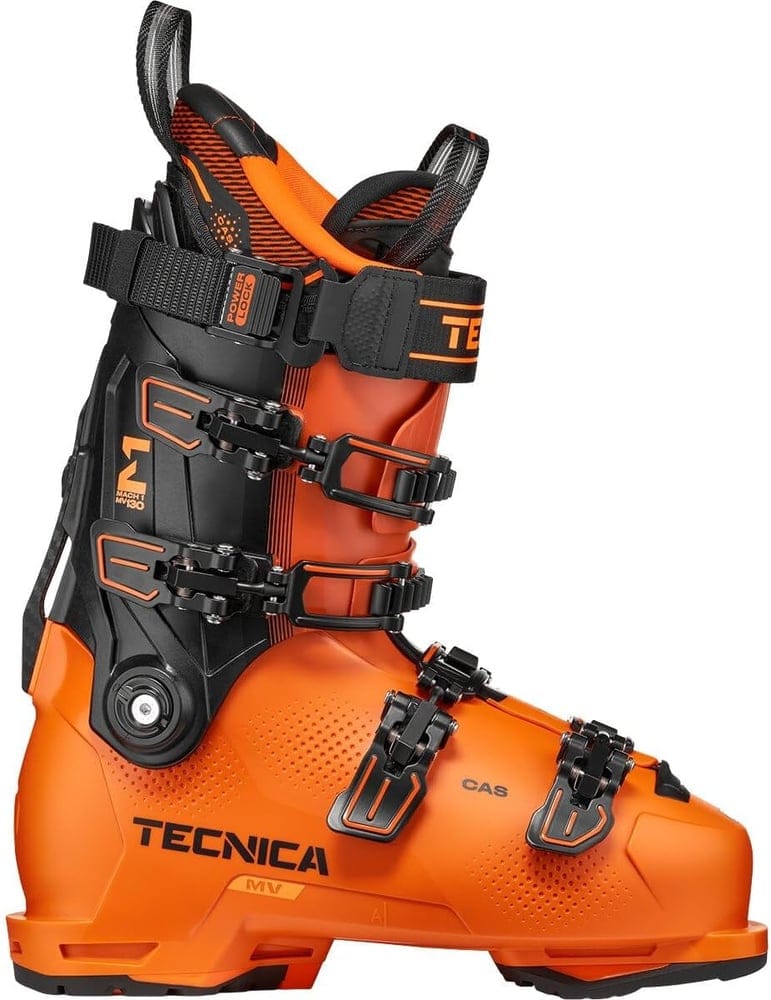 | 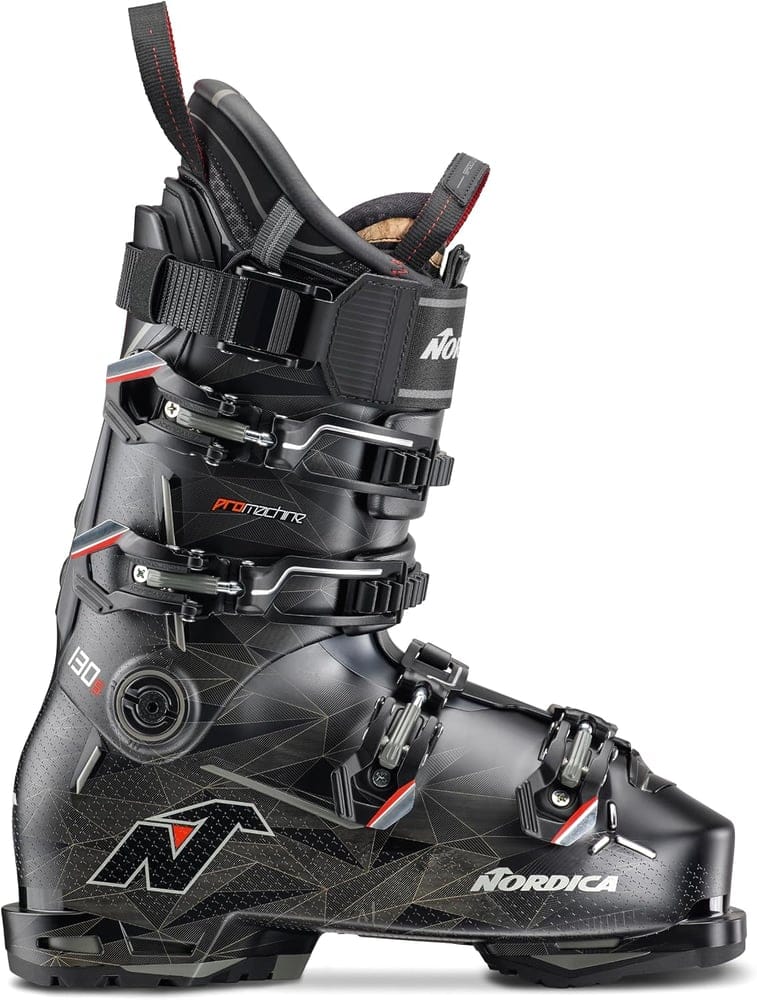 VS | |
| Flex Rating | 130 | 130 |
| Last Width | 100 mm | 98 mm |
| Closure System | 4 micro-adjustable aluminum buckles + Power Lock strap | 4 Micro ALU Light buckles (2 servo lock) + 50 mm strap |
| Walk Mode | No | No |
| Sole Norm | GripWalk (ISO 23223) | GripWalk Extra-Grip (ISO 23223) |
| Weight | 4.20 lb (single boot, MP 26.5) | 4.17 lb (single boot, MP 26.5) |
| Warranty | Limited manufacturer warranty (term not published) | Limited manufacturer warranty (term not published) |
| Liner Type | Ecodesign High Performance Full C.A.S., adjustable tongue | 3D Cork Fit Speed Lace |
| Shell Material | PU shell / Grilamid-carbon co-injected cuff | Bimat PU shell / Bimat PU cuff |
| Forward Lean | 13.3° (+2° or +3.5° with spoiler) | Not specified |
| Ramp Angle | Not specified | Not specified |
| Size Range | 24.5–30.5 (Mondopoint) | 22.5–30.5 (Mondopoint) |
| Tecnica Mach1 MV 130 TD2 GW | Nordica Pro Machine 3 130 S |
|---|---|
| |
| Flex Rating | |
130 | 130 |
| Last Width | |
100 mm | 98 mm |
| Closure System | |
4 micro-adjustable aluminum buckles + Power Lock strap | 4 Micro ALU Light buckles (2 servo lock) + 50 mm strap |
| Walk Mode | |
No | No |
| Sole Norm | |
GripWalk (ISO 23223) | GripWalk Extra-Grip (ISO 23223) |
| Weight | |
4.20 lb (single boot, MP 26.5) | 4.17 lb (single boot, MP 26.5) |
| Warranty | |
Limited manufacturer warranty (term not published) | Limited manufacturer warranty (term not published) |
| Liner Type | |
Ecodesign High Performance Full C.A.S., adjustable tongue | 3D Cork Fit Speed Lace |
| Shell Material | |
PU shell / Grilamid-carbon co-injected cuff | Bimat PU shell / Bimat PU cuff |
| Forward Lean | |
13.3° (+2° or +3.5° with spoiler) | Not specified |
| Ramp Angle | |
Not specified | Not specified |
| Size Range | |
24.5–30.5 (Mondopoint) | 22.5–30.5 (Mondopoint) |
Comfort
Mach1 MV 130 TD2 GW
Pro Machine 3 130 S
Comfort matters a lot in a performance boot because a painful shell or liner can cut a day short long before the skis wear out. Buyers of the Mach1 MV 130 TD2 GW report that the liner feels very comfortable, the custom tongue eases pressure on the instep, and the quick instep feature helps relieve pressure and support circulation. The softer shell also makes getting in and out easier, and the back-hole closure is simple to use. The Pro Machine 3 is described as relatively comfortable, with buyers noting that it does not force the instep down and that the cork liner adds some warmth. However, the same reviewers mention pinching at the Achilles and tightness around the forefoot from the snug liner. Overall, the Mach1 is the more comfortable choice for most buyers, while the Pro Machine 3 can feel good once it has been fitted and worn in.
Fit
Mach1 MV 130 TD2 GW
Pro Machine 3 130 S
Fit decides whether a boot performs well at all, so it is the most important practical factor when comparing these two models. The Mach1 MV 130 TD2 GW earns praise for a nice medium fit at its 100 mm last, an opened toe box, and a fine-tunable rear spoiler that lets you adjust the shell to your foot. Its three volume options, at 100, 98, and 103 mm, give more people a way to find a suitable match, though choosing the right volume is important because a mismatch can cause problems. The Pro Machine 3 at 98 mm is praised for a close, snug feel that feels good out of the box and fits really nicely on low-volume feet. Some buyers note that the boot runs tight in the forefoot and that it fits fewer people than a roomier shell would. For a skier with a medium or wider foot, the Mach1 is the safer bet, while a narrow or low-volume foot may prefer the Pro Machine 3.
Performance
Mach1 MV 130 TD2 GW
Pro Machine 3 130 S
Performance covers how well a boot turns energy into control on snow, and it is what most aggressive skiers care about most after fit. The Pro Machine 3 benefits from its tri-force chassis, which buyers say creates an effective connection to the ski, and its neutral stance keeps forward lean balanced without being overly aggressive. Reviewers also note the cork adds to performance and that the boot has been working well on snow so far. The Mach1 is described as a polished, high-performance boot that stays usable from slopes to freeride, and its carbon T Drive keeps its efficiency across temperatures. Cant screws allow a more aggressive setup for those who want it. On balance, the Pro Machine 3 earns the stronger performance reputation, while the Mach1 offers a versatile setup that works across a wider range of terrain.
Heel Hold
Mach1 MV 130 TD2 GW
Pro Machine 3 130 S
Heel hold affects control, precision, and how much energy you can put into each turn without the foot sliding around. The Pro Machine 3 has more supporting evidence here, with buyers pointing to a solid heel and ankle hold in the shell and a 3D cork liner designed to help the heel stay in place. The custom cork also supports the ankle. The Mach1 is described as feeling still secured, but the feedback on that point is limited. Skiers who prioritize a locked-in heel will likely feel more confident in the Pro Machine 3, while the Mach1 can still hold the foot well enough for most recreational and intermediate skiers.
Power Response
Mach1 MV 130 TD2 GW
Pro Machine 3 130 S
Power response describes how quickly a boot passes your leg movements to the ski, and it defines how lively a boot feels on the way out of a turn. The Pro Machine 3 receives strong feedback here, with buyers describing a lot of energy, a rebound that kicks into the next turn, and a blend of power at the top and energy at the bottom. Its firm direct power transfer board and servo lock buckles add leverage, and reviewers note strong power transmission with reduced bulk. The Mach1 is also praised, with the T-drive plate adding rebound, kickback, and leverage, and the aft pressure giving quick feedback to the ski edge. Its flex is described as more progressive, with better edge-to-edge transition. Buyers who want a direct, energetic boot will likely favor the Pro Machine 3, while those who prefer a more progressive build will find the Mach1 easier to live with.
Lateral Stiffness
Mach1 MV 130 TD2 GW
Pro Machine 3 130 S
Lateral stiffness determines how precisely a boot holds your ankle and shin during edge-to-edge movement, which is important for carving and steep terrain. The Pro Machine 3 is clearly described as stiff and quick from the upper cuff, with buyers calling strong lateral energy the biggest takeaway. The Mach1 has no specific feedback on lateral stiffness, so its rating is based on limited information rather than a clear strength or weakness. Buyers who want the most precise lateral response should lean toward the Pro Machine 3, while those who have no strong preference here can rely on the Mach1's other strengths.
Trust & Transparency
- Data-driven rankings from real user reviews
- Affiliate partnerships don't influence our methodology
We may earn commission from links.
Conclusion & Final Verdict:
Choose the Tecnica Mach1 MV 130 TD2 GW if you want the most comfortable and adjustable fit, especially if your foot is medium or wider and you want to tune the volume and spoiler. It is also the better pick for skiers who want a versatile boot that handles groomed runs and freeride terrain.
Choose the Nordica Pro Machine 3 130 S if you have a narrower or low-volume foot, want a snug feel, and prefer a direct, energetic response with stronger heel and lateral hold. It is also the better choice for buyers with smaller feet who need sizes below 24.5 Mondopoint.
Related Comparisons
Tecnica Mach Sport HV 65 WvsNordica Pro Machine 3 130 S
Choose the Tecnica Mach Sport HV 65 W if lower-leg fit is your main concern, since its adjustable cuff and movable cleat let you tune the fit, and it suits wide feet. Pick the Nordica Pro Machine 3 130 S if you want a stiffer, more powerful boot with a close, low-volume fit and livelier energy transfer.
Tecnica Mach1 MV 130 TD2 GWvsHead Kaliber Pro 130 LV GW BOA2
The Tecnica Mach1 MV 130 TD2 GW is the better pick for skiers who want a customizable fit across three volume options and a more forgiving, easier-to-enter boot. The Head Kaliber Pro 130 LV GW BOA2 suits advanced skiers who prioritize direct, precise power transmission and a secure dual-BOA wrap, especially with a low-volume foot.
Tecnica Mach1 MV 130 TD2 GWvsK2 Cortex 130 Zonal BOA
The Mach1 MV 130 TD2 GW is the better choice for most skiers who want adjustable fit, comfort, and a wider size range, while the Cortex 130 Zonal BOA suits narrow-footed skiers who want a tighter, more direct connection to the ski.
Tecnica Mach1 MV 130 TD2 GWvsLange Shadow 130 MV
The Mach1 MV 130 TD2 GW suits skiers who want fine-tuned fit adjustments and a responsive, progressive feel from groomers to freeride. The Shadow 130 MV is the easier pick for comfort-first skiers with average-width feet who prioritize plush out-of-box fit and a lower, more accessible power band.
Tecnica Mach1 MV 130 TD2 GWvsNordica Speedmachine 3 130 BOA DD
The Tecnica Mach1 MV 130 TD2 GW leads on fit, comfort, and power transfer thanks to three volume lasts and an easier entry, while the Nordica Speedmachine 3 130 BOA DD offers a precise, shin-hugging feel but is harder to get into. Choose the Tecnica for a customizable, comfortable fit and the Nordica if you prefer BOA closure and can manage a tighter entry.
Tecnica Mach1 MV 130 TD2 GWvsSalomon S/Pro Alpha C BOA 130
The Tecnica Mach1 MV 130 TD2 GW suits skiers who need a adjustable fit across three volume options, while the Salomon S/Pro Alpha C BOA 130 is the stronger choice for locked-in heel hold, quick power transfer, and aggressive carving.