
Hiking Shoes vs Hiking Boots: Which Should You Wear?
Decide whether hiking shoes or hiking boots fit your trail, weather, load, and foot support needs.
Draft status: Step 9 completed on 2026-07-04. This is article prose only, not the final structured blog object. Internal guide slugs still need verification before object build.
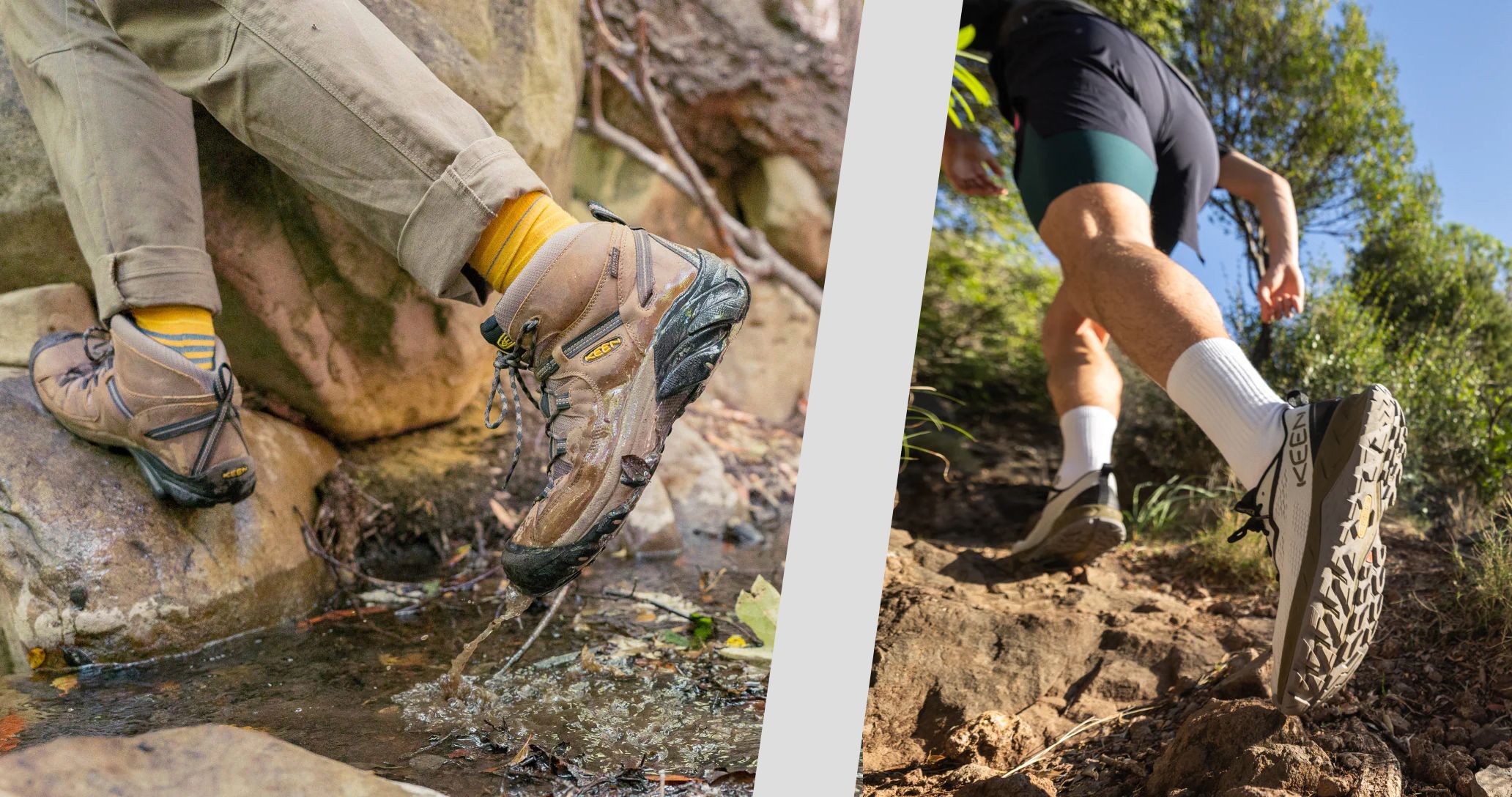
Hiking shoes are usually better for lighter loads, maintained trails, warm weather, and hikers who want quicker movement and faster drying. Hiking boots make more sense for heavier packs, rough terrain, cold or wet conditions, and people who prefer more ankle coverage and structure. Fit matters more than the label.
The real choice is not "shoes are modern" or "boots are safer." The right footwear depends on terrain, pack weight, weather, foot shape, ankle history, pace, and how much support you personally like underfoot.
The REI hiking footwear guide separates hiking shoes, trail-running shoes, day hiking boots, and backpacking boots by weight, structure, terrain, and load. The NPS Hike Smart guidance also frames footwear as part of matching gear to route difficulty, terrain, and conditions.
Hiking Shoes vs Hiking Boots: Quick Comparison
| Factor | Hiking shoes | Hiking boots | Why it matters |
|---|---|---|---|
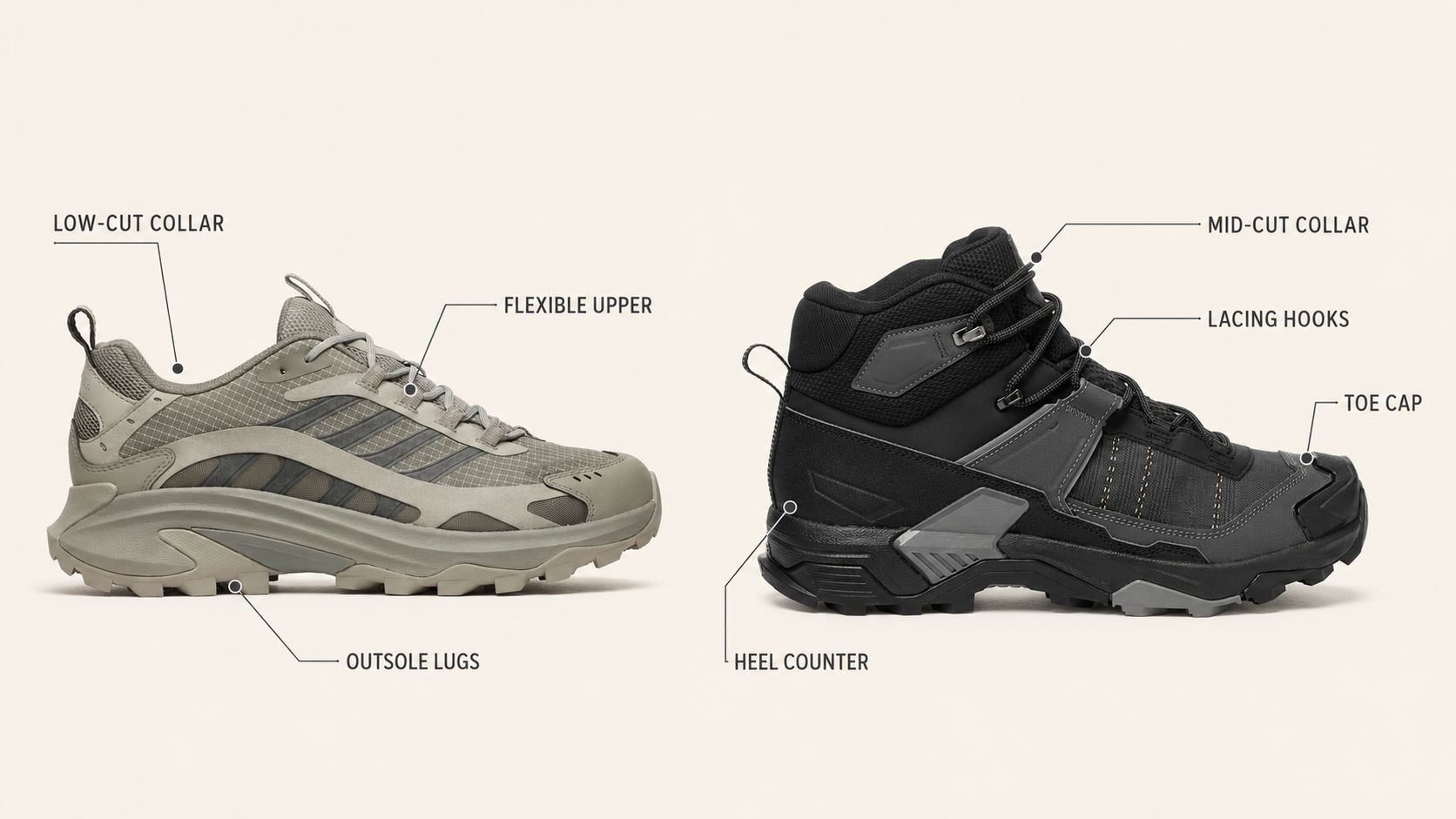
| Weight | Usually lighter | Usually heavier | Lighter footwear can reduce fatigue on easier trails. |
| Ankle coverage | Low cut | Mid or high cut | Boots add coverage and structure, but not a guarantee against ankle problems. |
| Support feel | Flexible to moderately supportive | More structured | Heavier loads and rough ground often feel better with more structure. |
| Weather protection | Breathable; waterproof versions exist | Often more waterproof and protective | Wet/cold trips can favor boots, while hot trips can favor shoes. |
| Drying time | Usually faster | Usually slower | Breathability matters on warm or wet-but-not-cold routes. |
| Break-in | Often shorter | Often longer | Stiffer boots may need more time before a long trip. |
| Best use | Day hikes, fast hikes, moderate terrain | Backpacking loads, rocky/muddy terrain, colder conditions | Match footwear to the hike, not to tradition. |
If you are unsure, start by asking what problem the footwear needs to solve. Speed, breathability, and comfort? Shoes may be better. Load support, protection, and cold/wet confidence? Boots may be better.
When Hiking Shoes Are the Better Choice
Hiking shoes are a strong default for day hikes, maintained trails, warm weather, and lighter packs. They usually feel more agile than boots and can be easier to wear for people who dislike stiff footwear. Compare men's hiking shoes or women's hiking shoes once you know the low-cut category fits the trip.
Choose hiking shoes when:
- You are carrying a daypack or light overnight load.
- The trail is maintained, moderate, or mostly dry.
- Your feet run hot and you value breathability.
- You want faster drying after shallow water, sweat, or light rain.
- You prefer a more flexible stride.
Hiking shoes can also work for backpacking if your pack is light and the route is not especially rugged. Many experienced hikers use low-cut shoes or trail runners for long-distance trips. That does not mean every beginner should copy that choice on a rough first backpacking trip.
When Hiking Boots Are the Better Choice
Hiking boots still make sense when the trip asks more from your footwear. Rough terrain, heavier packs, mud, cold, snow, talus, and long descents can all make a sturdier boot feel more secure. Compare men's hiking boots or women's hiking boots once you know you want that extra structure.
Choose hiking boots when:
- You are carrying a heavier backpacking load.
- The trail is rocky, muddy, rooty, or uneven.
- You want more ankle coverage from brush, rocks, or debris.
- You expect cold or wet conditions.
- You prefer a stiffer platform underfoot.
Boots often trade weight and breathability for structure and protection. That tradeoff is worthwhile for some hikers and unnecessary for others.
What About Trail Running Shoes?
Trail running shoes sit near hiking shoes but are usually lighter, softer, and more flexible. They can be excellent for fast hiking, warm weather, maintained trails, and hikers with dialed-in foot strength and pack weight.
They are not the same as hiking shoes. Trail runners often have less underfoot protection and may wear out faster under backpacking loads. They also do not solve fit problems. A poorly fitting trail runner is still a bad hiking shoe.
| Hike type | Better starting point | Caveat |
|---|---|---|
| Short maintained day hike | Hiking shoe or trail runner | Choose based on comfort and traction. |
| Hot-weather day hike | Breathable hiking shoe | Waterproof footwear can feel clammy. |
| Fast light hike | Trail runner or light hiking shoe | Less structure may feel rough under load. |
| Weekend backpacking with moderate load | Hiking shoe or light boot | Pack weight and terrain decide. |
| Rocky backpacking route | Hiking boot or sturdy hiking shoe | Look for underfoot protection. |
| Cold/wet shoulder-season trip | Hiking boot | Waterproofing and drying time both matter. |
Fit Matters More Than the Shoe Label
The best category choice will still fail if the fit is wrong. Footwear should have enough toe room for descents and swelling, a heel that does not lift excessively, and a width that does not pinch the forefoot.
Check fit with the socks you will actually wear. Walk downhill if possible. Your toes should not slam the front. Your heel should not slide enough to create blisters. The upper should hold your foot without crushing it.
| Fit check | What to look for | Warning sign |
|---|---|---|
| Toe room | Space for swelling and downhill movement | Toes hit the front on descents |
| Heel hold | Secure heel with minimal lift | Rubbing or hot spots behind the heel |
| Width | Forefoot can spread slightly | Numbness, pinching, or side pressure |
| Sock match | Hiking socks fill volume comfortably | Fit changes too much with real socks |
| Loaded comfort | Feels stable with expected pack weight | Foot slides or platform feels too soft |
Waterproof or Breathable?
Waterproof hiking boots and shoes can be useful in cold rain, wet grass, mud, and shallow snow. They can also hold sweat and take longer to dry once water gets inside.
Non-waterproof hiking shoes usually breathe and dry faster. They can be more comfortable in warm weather or on trips where feet will get wet repeatedly anyway.
The question is not "waterproof or not?" It is "Will my feet be cold and wet, or warm and sweaty?" Cold wet trips favor waterproofing. Hot or constantly wet trips often favor breathable footwear that dries quickly.
FAQ
Are hiking shoes or boots better for beginners?
Beginners should choose based on trail difficulty, load, weather, and fit. Hiking shoes are often easier for maintained day hikes. Boots can be more confidence-inspiring for rocky trails, heavier packs, cold weather, or hikers who want more structure.
Do hiking boots really protect your ankles?
Hiking boots add ankle coverage and structure, but they do not guarantee injury prevention. Think of boots as offering support feel, protection, and stability under load. Fit, strength, fatigue, terrain, trekking poles, and careful foot placement still matter.
Are hiking shoes good for backpacking?
Yes, hiking shoes can work for backpacking when your pack is light, the terrain is moderate, and the shoes fit well. For heavier loads, rough trails, or cold/wet conditions, boots or sturdier hiking shoes may be a better starting point.
Should hiking boots be waterproof?
Waterproof hiking boots are useful in cold, wet, muddy, or snowy conditions. They are less ideal in hot weather because they can breathe poorly and dry slowly. Choose waterproofing by climate and route, not by default.
Are trail running shoes good for hiking?
Trail running shoes can be good for fast, light hiking on maintained or moderate trails. They are usually lighter and more flexible than hiking shoes or boots, but they may offer less protection and durability under heavy backpacking loads.
Do hiking shoes dry faster than boots?
Usually, yes. Low-cut hiking shoes and trail runners often dry faster than heavier boots, especially if they are not waterproof. Drying time depends on materials, weather, socks, and how wet the footwear gets.
Should I size up hiking shoes or boots?
You may need extra room for swelling, socks, and downhill movement, but do not blindly size up. The right fit gives toe space without heel slip, forefoot pinching, or instability.
Related Guides
Best Hiking Shoes For Men
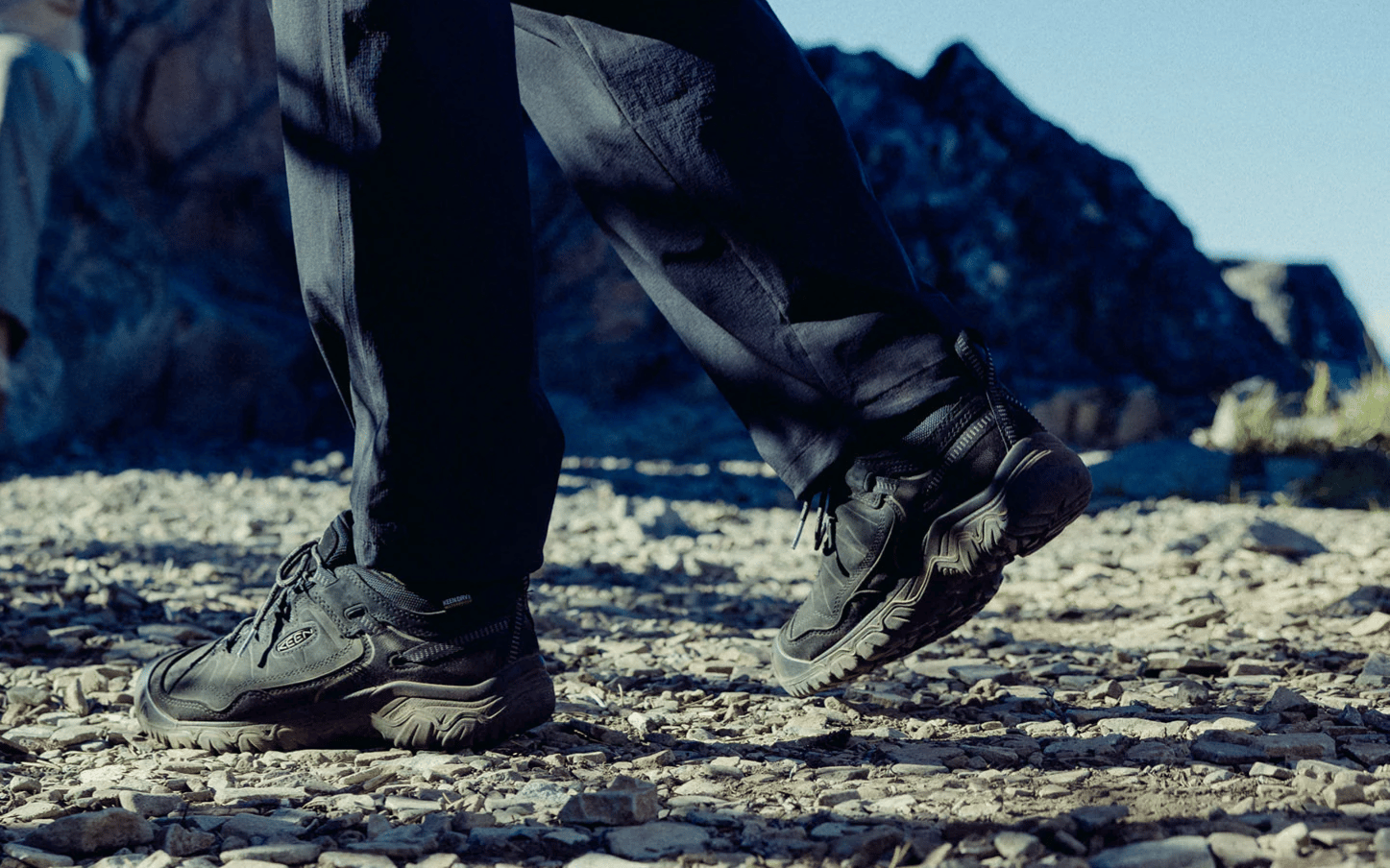
Finding the best hiking shoes for men involves balancing comfort, durability, and traction. Here are the top options to keep your feet happy on the trail.
Best Hiking Shoes For Women
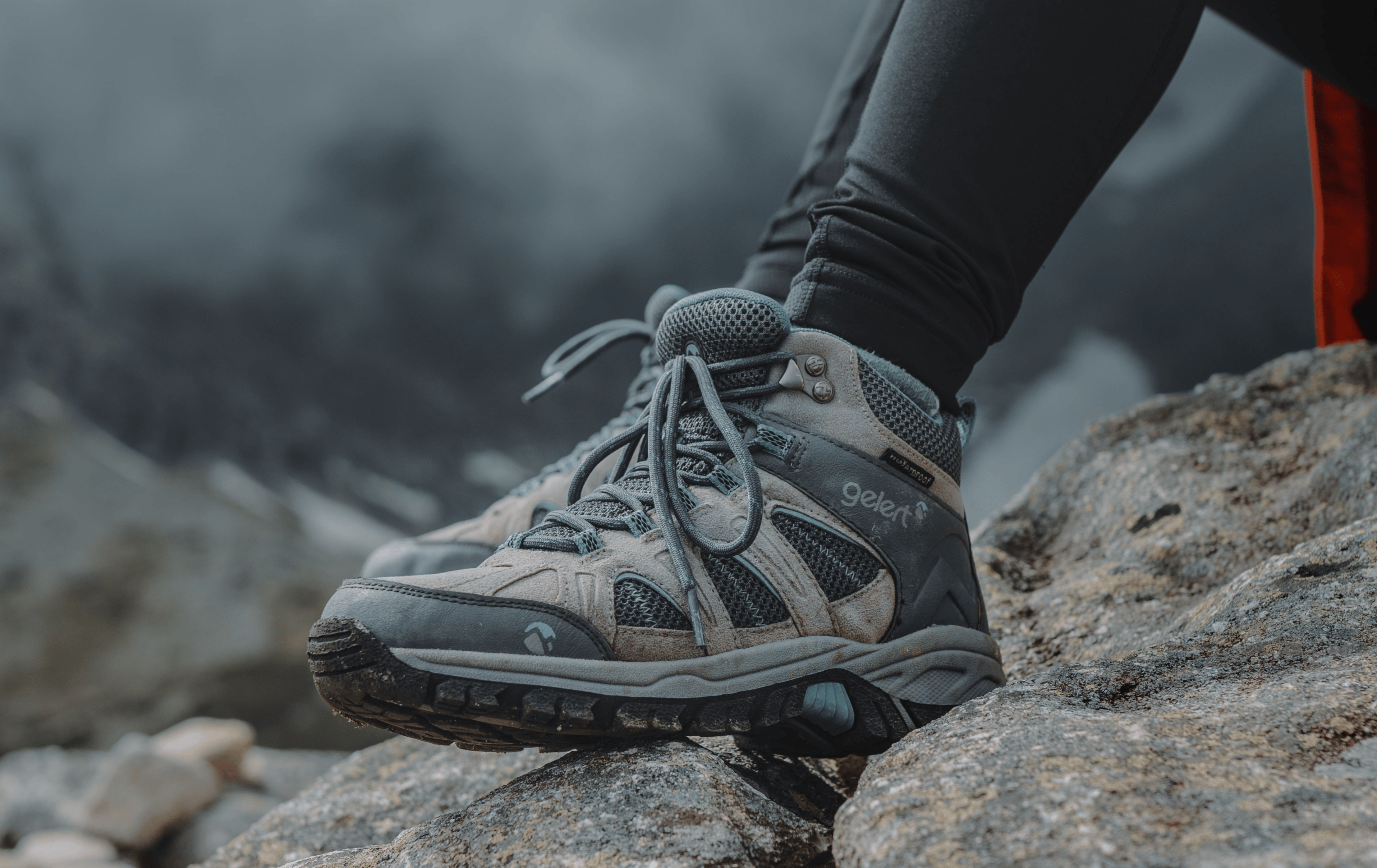
Finding the best hiking shoes for women involves balancing comfort, durability, and traction. This guide compares top options to help you choose the right pair for your next adventure.
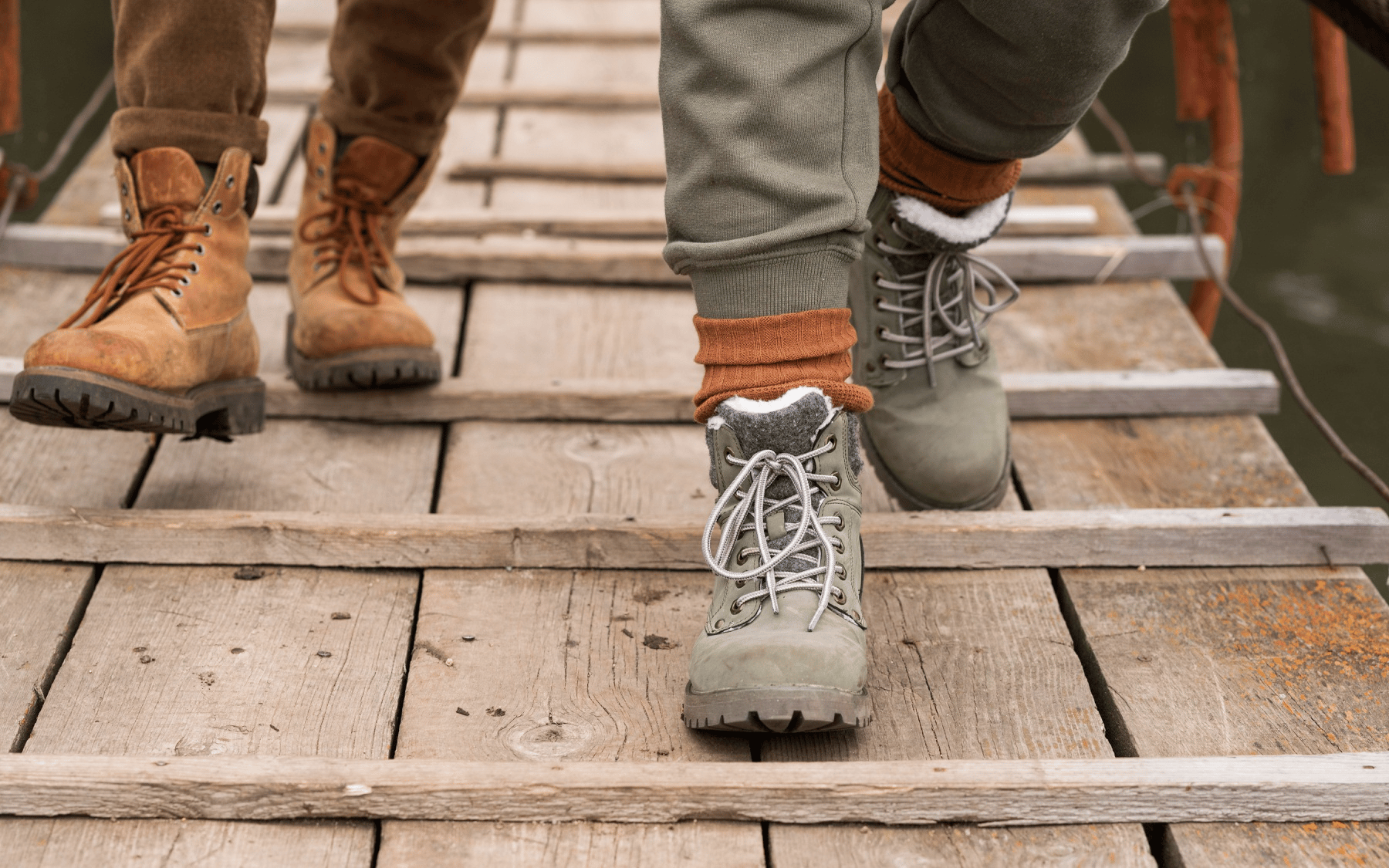
Best Hiking Boots For Men
Finding the best hiking boots for men involves balancing comfort, durability, and protection. Here are the top options to keep your feet happy on the trail.
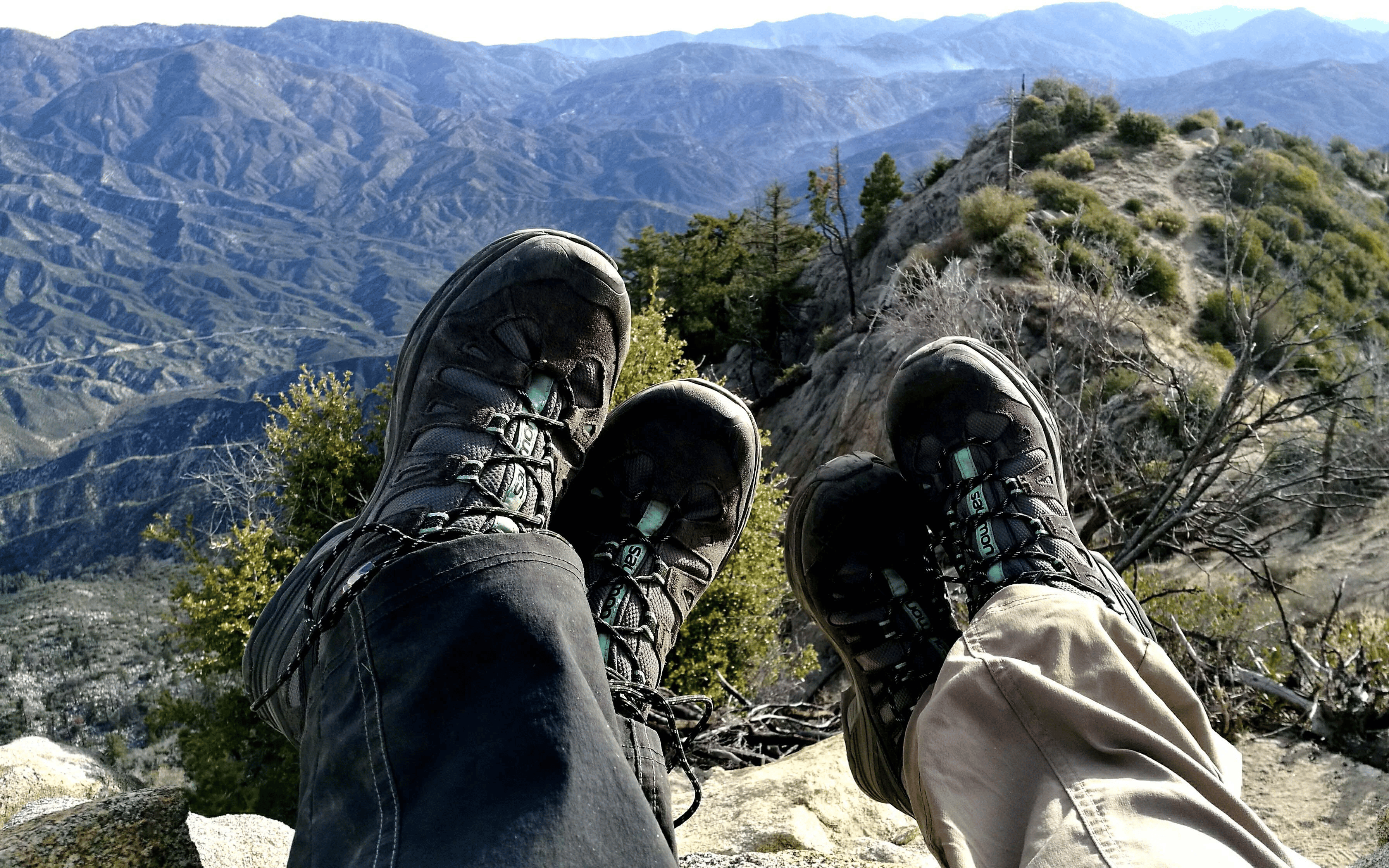
Best Hiking Boots For Women
Finding the best hiking boots for women means balancing comfort, durability, and fit. Here are the top options to keep your feet happy on the trail.
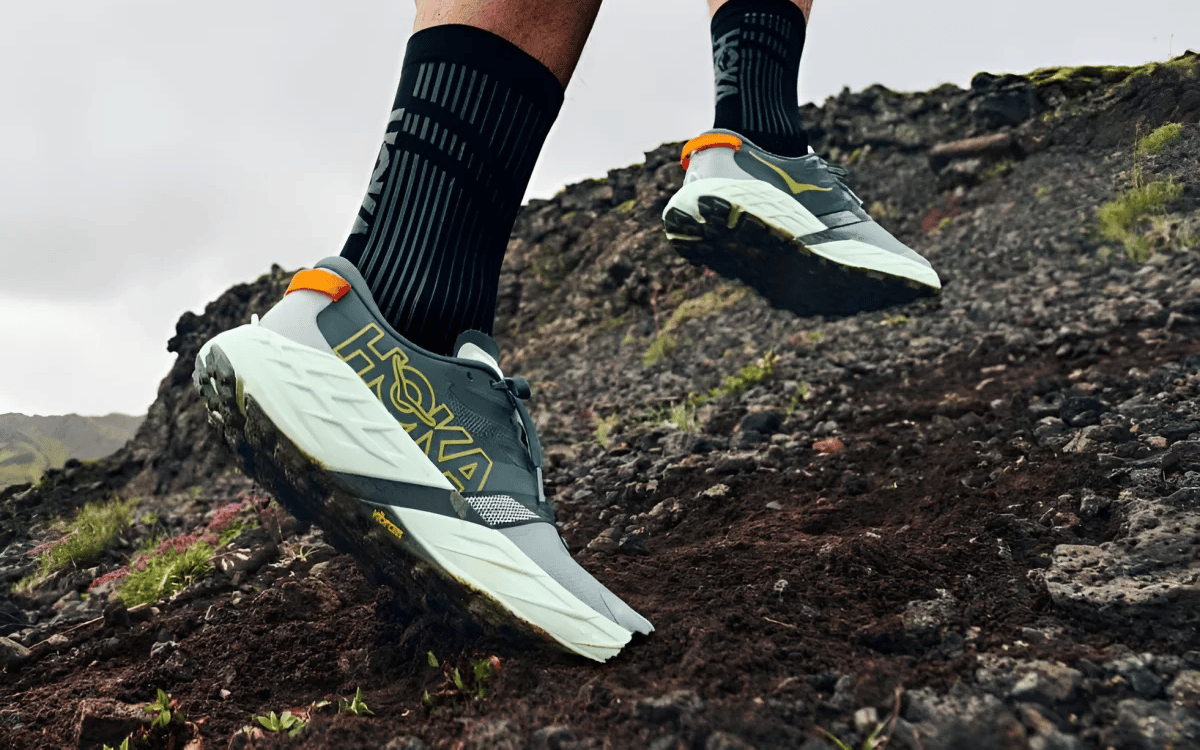
Best Trail Running Shoes
This guide compares the best trail running shoes, focusing on comfort, durability, and traction to help you find the perfect fit for rugged terrain.