
3-Day Backpacking Packing List for Beginners
Pack for a three-day backpacking trip with a beginner checklist that separates core gear from food, water, weather, and route-specific needs.
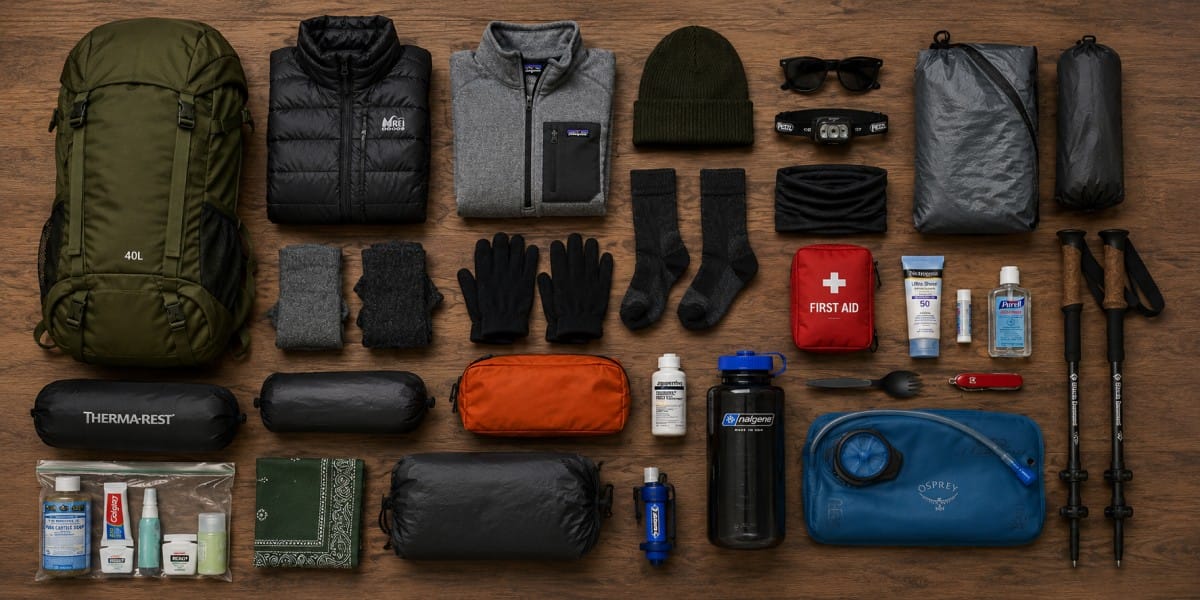
Draft status: Step 9 completed on 2026-07-21. This is article prose only, not the final structured blog object. Food-storage, fire, permit, water, and product-specific details require a current route check.
For a three-day backpacking trip, pack one complete shelter, sleep, carry, water-treatment, cooking, navigation, lighting, first-aid, repair, hygiene, and weather-protection system. Then calculate food, fuel, and water from the itinerary, expected conditions, and reliable refill points. Add route-specific items such as required food storage, traction, or extra insulation.
This guide assumes three days and two nights. Most durable gear does not triple with each day. The changing parts are food, fuel, water carry, batteries, clothing strategy, waste, and the margin required by weather and remoteness.
Check the Route Before Packing
The NPS Hike Smart guidance recommends checking the route, terrain, weather, alerts, and trip-appropriate supplies before departure. For a three-day trip, confirm:
- Expected overnight lows, rain, heat, wind, and sun exposure.
- Reliable water locations and the longest dry section.
- Food-storage, fire, stove, permit, and waste rules.
- Daily mileage, elevation gain, trail condition, and bailout points.
- The trip plan shared with a trusted contact.
Local rules override a generic packing list.
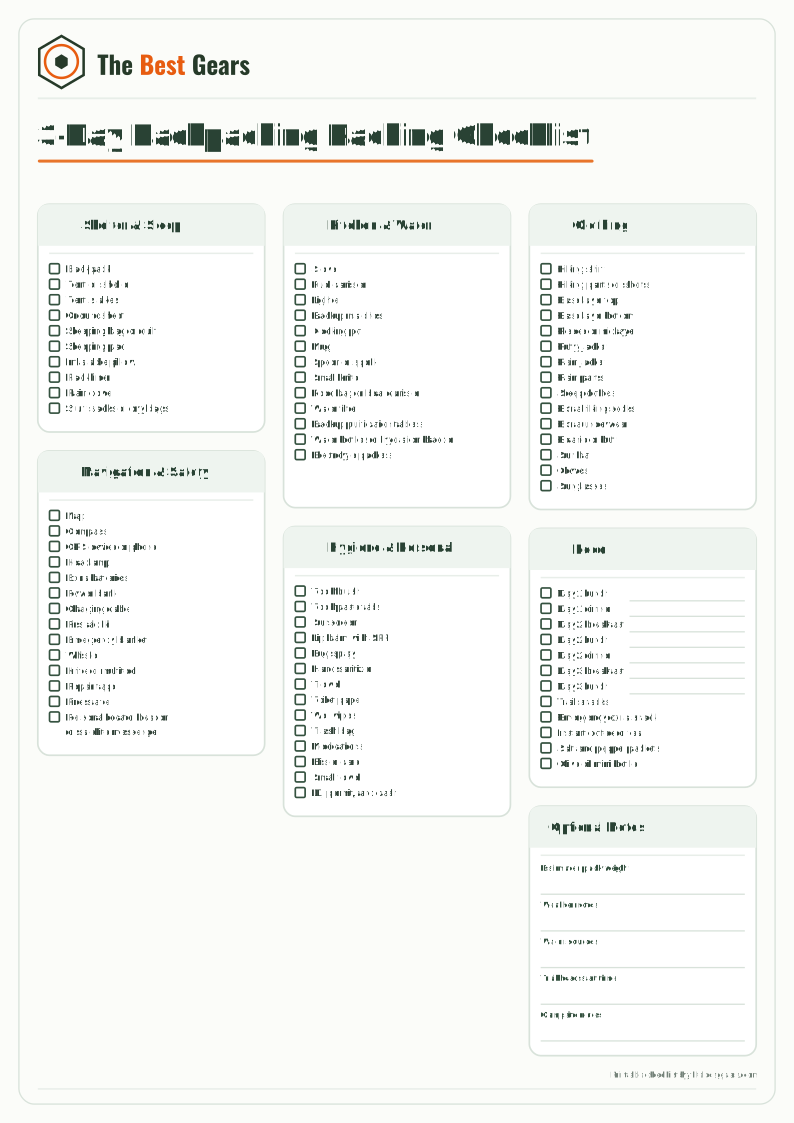
3-Day Backpacking Packing List
| System | Pack | Quantity logic | Shared? | Check |
|---|---|---|---|---|
| Backpack | Fitted pack and liner/dry protection | Capacity follows actual gear, food, and required storage | No | ☐ |
| Shelter | Tent/tarp, poles, stakes, guylines, footprint if used | One complete weather-appropriate system | Often | ☐ |
| Sleep | Bag or quilt, pad, pillow if used, dry sleep layer | Match expected lows and sleeper | Usually no | ☐ |
| Clothing | Hiking outfit, insulation, rain/sun protection, socks | Use a layering system, not one outfit per day | No | ☐ |
| Water | Bottles/reservoir, treatment, backup if appropriate | Capacity follows the longest reliable dry section | Sometimes | ☐ |
| Kitchen | Stove/fuel if used, lighter, pot, utensil, meals | Calculate from menu and group | Often | ☐ |
| Food storage | Required container or hanging/storage system | Follow the specific land manager | Often | ☐ |
| Navigation | Map/offline route, compass or backup as appropriate | Plan for battery and signal limits | No | ☐ |
| Safety | Headlamp, first aid, repair, fire, emergency shelter | Customize for route and people | Some | ☐ |
| Hygiene/waste | Toilet kit, hand cleaning, dental care, pack-out supplies | Follow local rules | Some | ☐ |
| Personal | Medication, identification, permits, phone/communication | Keep critical personal items with the user | No | ☐ |
The REI backpacking checklist provides a broader menu. Use it to audit systems rather than to add every possible item.
How Much Food and Fuel Do You Need?
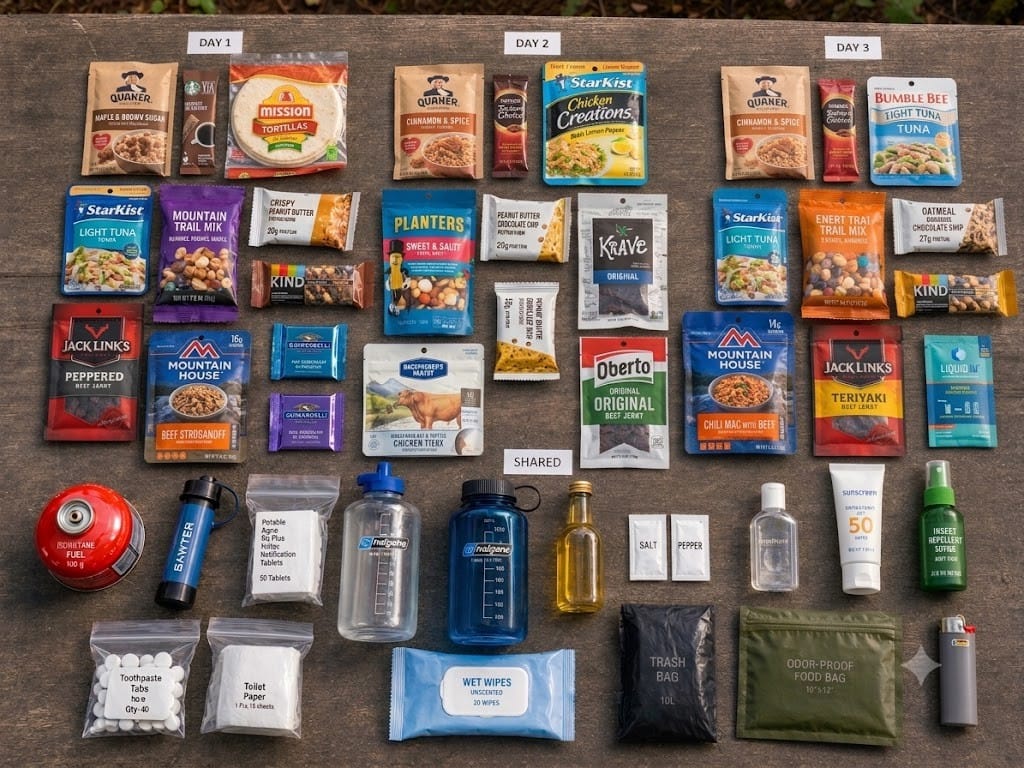
Plan the actual menu before estimating weight or fuel. Count breakfasts, lunches, dinners, snacks, drinks, and an appropriate delay margin. Note which meals require boiling, simmering, or no stove.
| Consumable | Calculate from | Add margin for | Common mistake |
|---|---|---|---|
| Food | Personal intake, mileage, elevation, temperature, meal schedule | Delay or appetite uncertainty appropriate to route | Packing random heavy food without a menu |
| Stove fuel | Number of boils, water volume, stove, pot, wind, temperature, group size | Cold/windy conditions and an extra boil if justified | Using a universal canister-duration claim |
| Water | Source spacing, heat, pace, terrain, source reliability | Dry-source uncertainty or emergency reserve | Filling every container at every source |
| Batteries | Navigation, communication, camera, lighting use | Cold and navigation dependence | Carrying an oversized bank without a usage plan |
If using a fuel stove, check current land-manager restrictions and the stove manufacturer's instructions. A three-day label does not determine fuel consumption by itself.
Compare backpacking food after the menu is defined, and verify whether the route requires an approved bear canister before finalizing food volume.
How Much Water Should You Carry?
Separate treatment capacity from carrying capacity. A filter or chemical treatment makes suitable source water usable; it does not move water across a dry section.
Mark every reliable source, estimate time between them, and account for heat, exposure, pace, elevation, and current reports. Increase capacity where uncertainty or consequences are higher. Avoid presenting one liter value as correct for every hiker and route.
What Clothes Should You Pack?
Three days does not require three complete hiking outfits. A typical system uses one hiking outfit, spare or rotated socks as needed, a dry sleep layer where useful, insulation for expected lows, and rain/sun protection matched to conditions.
Add clothing for function, not calendar days:
- Warmth while stopped and sleeping.
- Rain and wind protection.
- Sun and insect exposure.
- Dry items protected for camp or sleep.
- Route-specific traction, gloves, or headwear.
Cotton, wool, synthetic, down, and waterproof materials each have different moisture and drying behavior; avoid turning this checklist into one universal fabric prescription.
Final Beginner Pack Check
- Inventory the complete shelter, sleep, water, navigation, light, first-aid, repair, and weather systems.
- Confirm local rules, permits, and emergency contacts.
- Load the actual food, water, fuel, and required storage.
- Walk with the starting load and adjust pack fit.
- Practice shelter setup and water treatment.
- Remove accidental duplicates, not deliberate safety margin.
FAQ
What should I pack for a three-day backpacking trip?
Pack one complete set of durable systems—carry, shelter, sleep, clothing, water treatment, kitchen, navigation, light, first aid, repair, hygiene, and emergency protection—plus itinerary-calculated food, fuel, water, and route-specific items.
What size backpack do I need for three days?
Trip length alone does not determine capacity. The actual volume of shelter, sleep gear, clothing, food, water, and required food storage does. Finalize the list, then test-pack it in a correctly fitted backpack.
How much food should I bring?
Calculate food from the actual meal schedule, personal needs, route effort, weather, and a suitable contingency margin. Avoid a universal calorie or weight target in a general checklist.
How much water should I carry?
Carry enough to reach the next reliable source with a route-appropriate margin. Heat, terrain, pace, source reliability, and individual needs can change the answer substantially.
Do I need three changes of clothes?
Usually not. Pack a coordinated hiking, insulation, rain/sun, and sleep/dry-layer system rather than one full outfit per day.
How much stove fuel do I need for two nights?
Count planned boils and water volume, then adjust for stove, pot, wind, temperature, group size, and a justified margin. Test the system and follow current manufacturer and land-manager guidance.
What do beginners commonly forget?
Commonly missed items include required permits or food storage, a complete shelter pitch, water treatment, a headlamp, repair items, dry sleep protection, medication, and a shared trip plan.
Related Guides
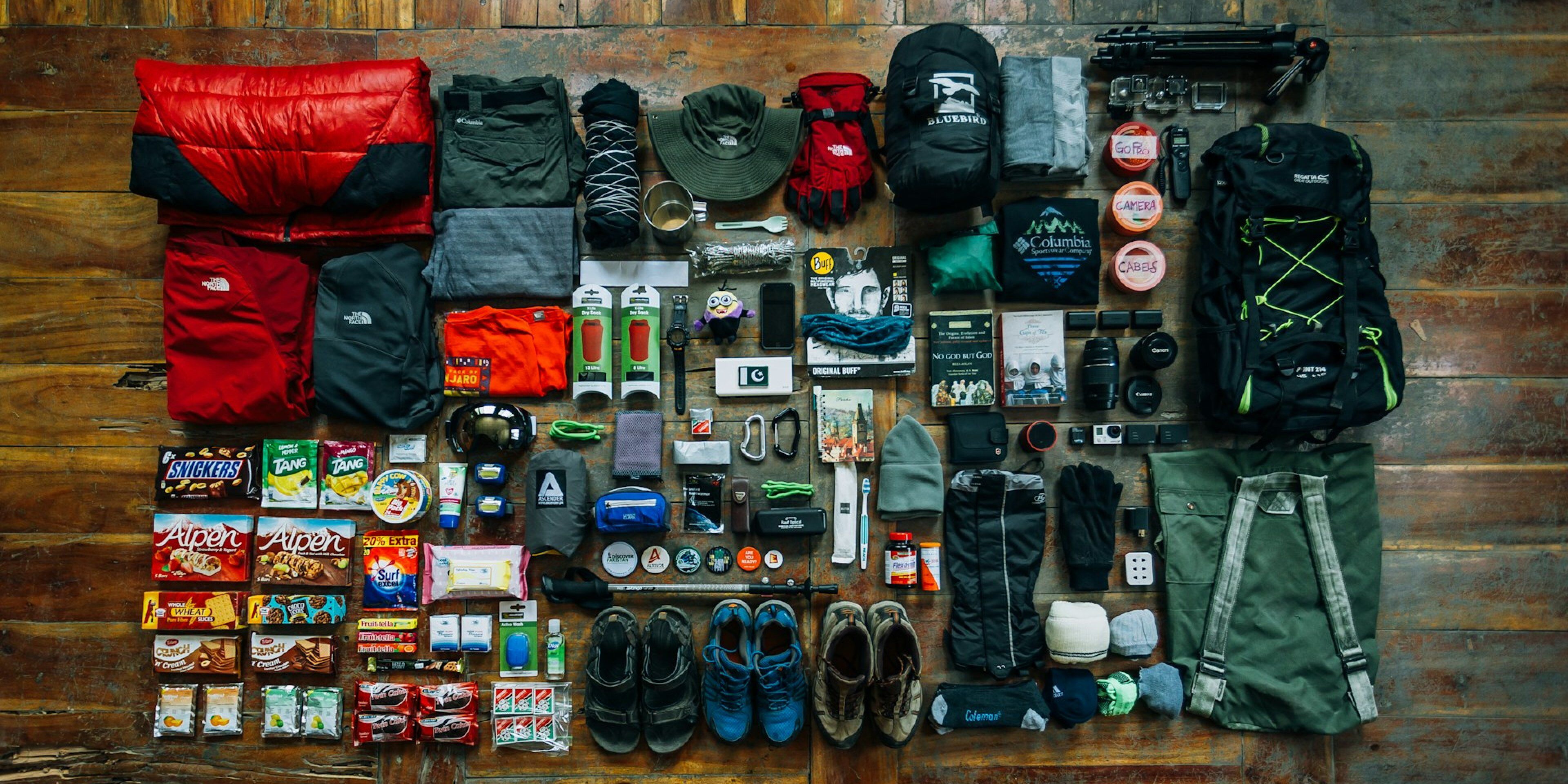
Ultralight Backpacking Checklist: What to Pack and What to Skip
Build a lighter backpacking kit with a practical checklist for essential gear, optional items, and weight-saving cuts that do not compromise safety.
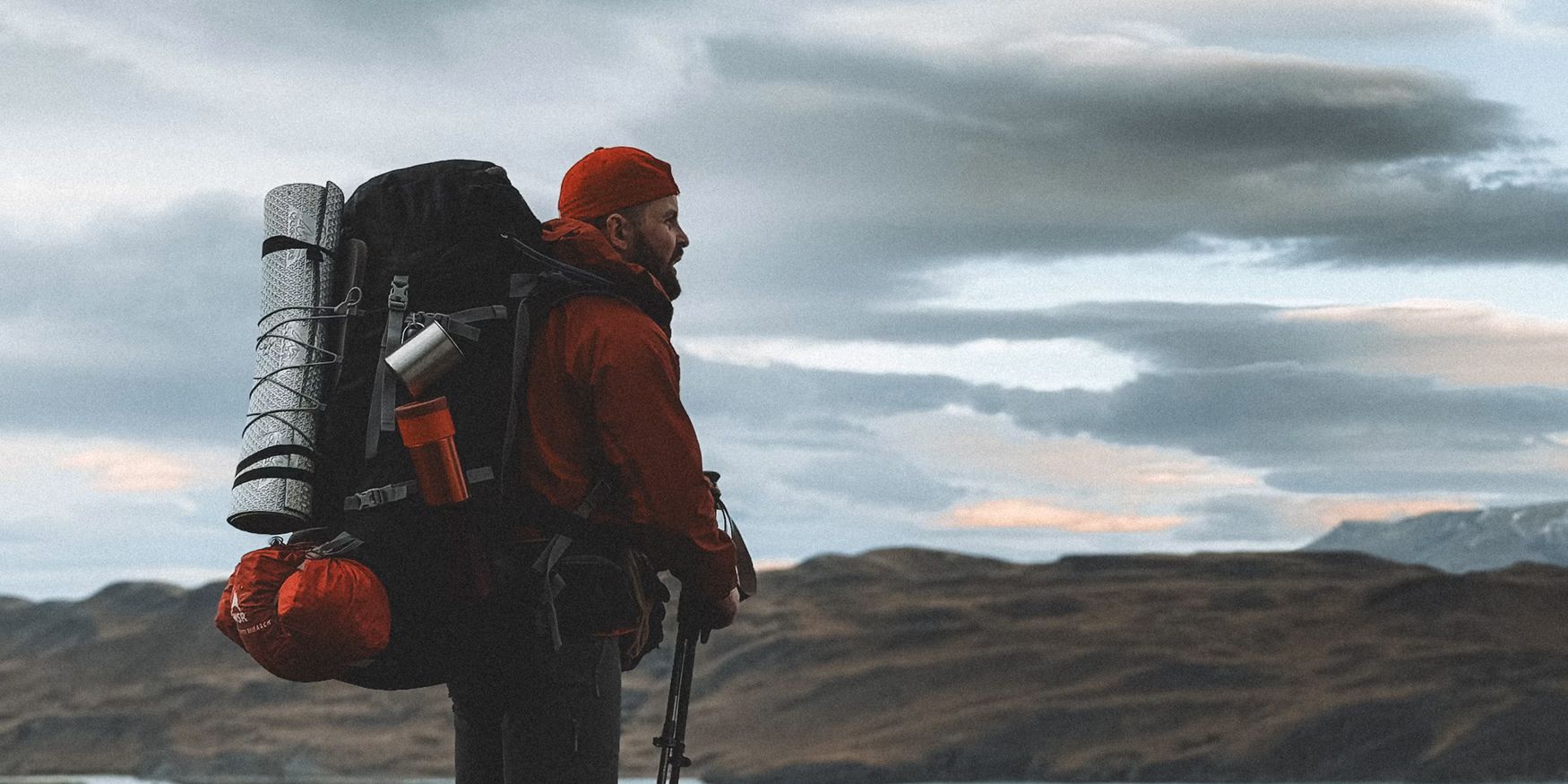
What Size Backpack Do You Need for Backpacking?
Choose a backpacking pack size by trip length, gear bulk, season, food carry, and fit instead of guessing from liters alone.
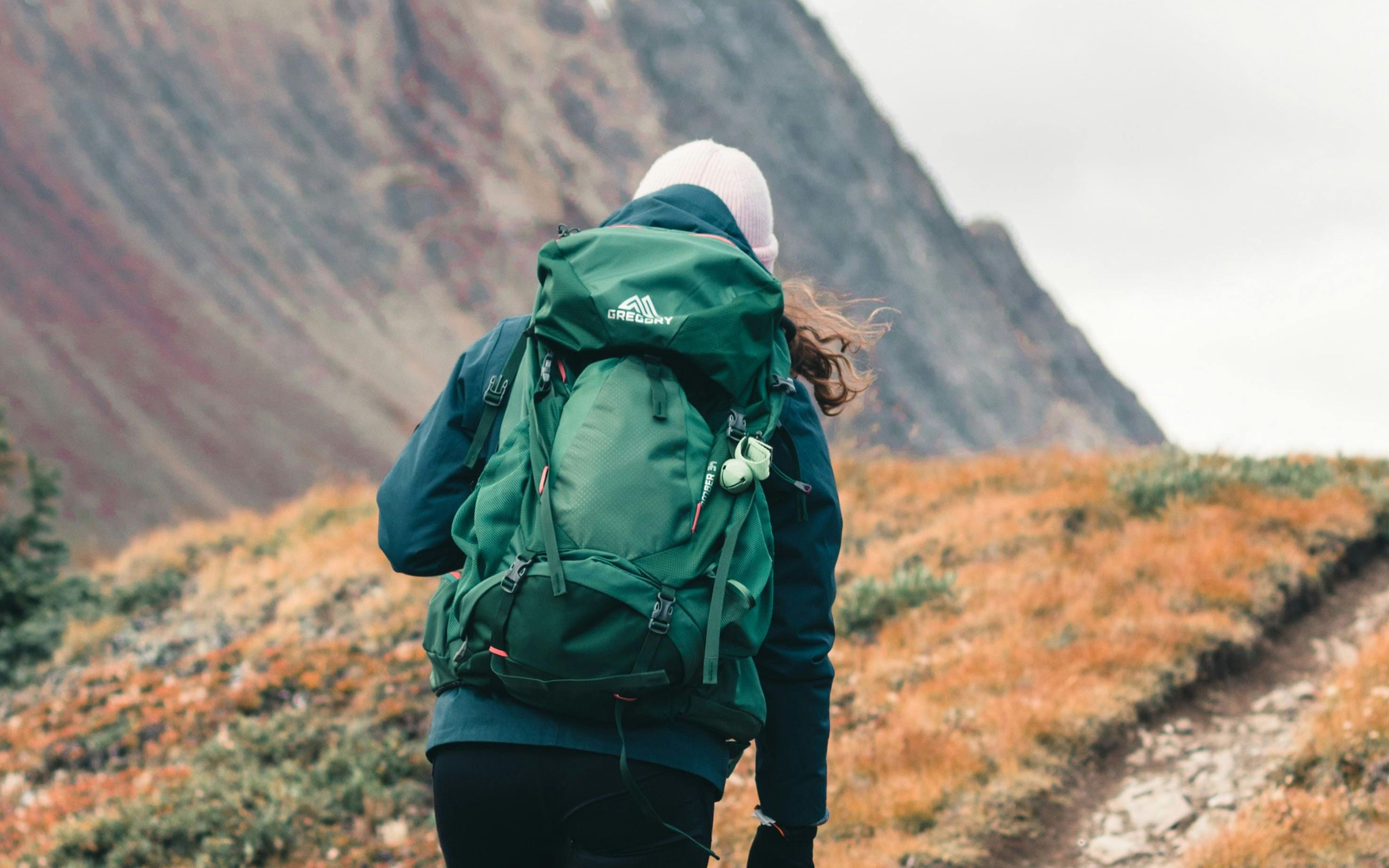
Best Backpacking Backpacks
Compare backpacking backpacks for overnight and multiday trips by capacity, fit, suspension, hipbelt comfort, ventilation, pockets, weight, and durability.
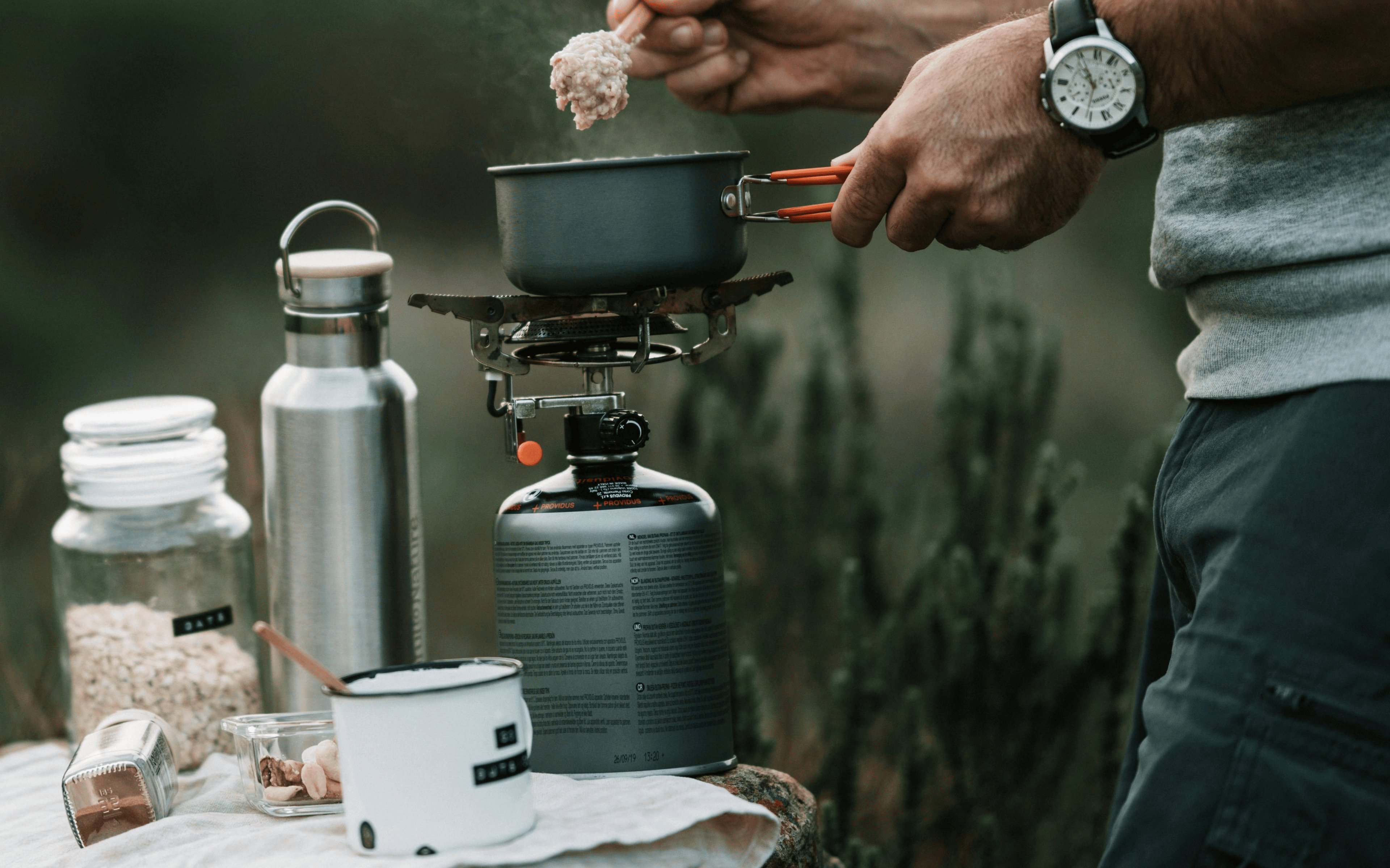
Best Backpacking Stoves
Compare backpacking stoves for solo canister cooking, fast-boil systems, wind performance, winter use, ultralight carry, and multi-fuel travel.
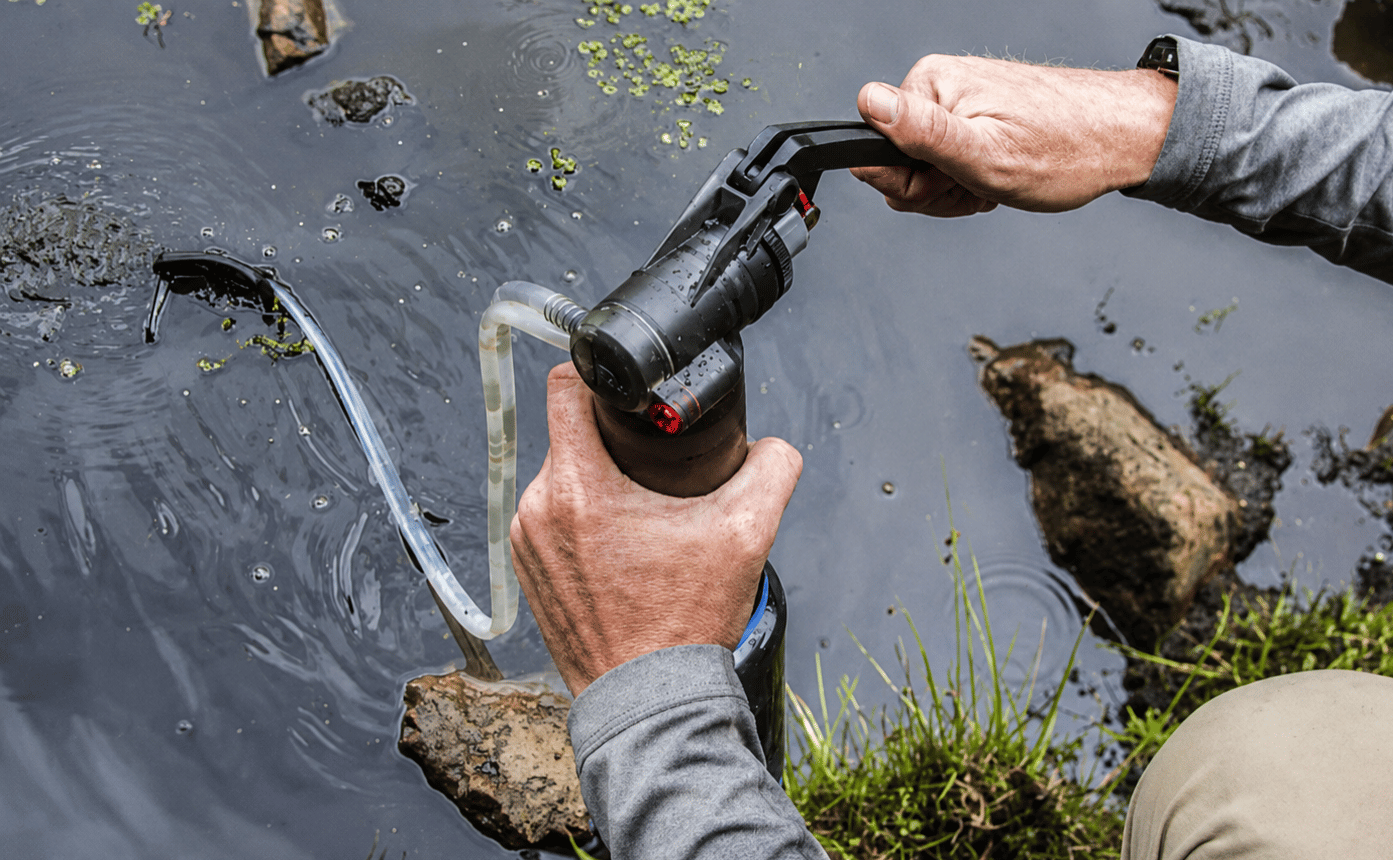
Best Backpacking Water Filters
Compare backpacking water filters and purifiers for solo trips, squeeze bottles, straw backups, gravity systems, pump filters, flow rate, weight, and lifespan.
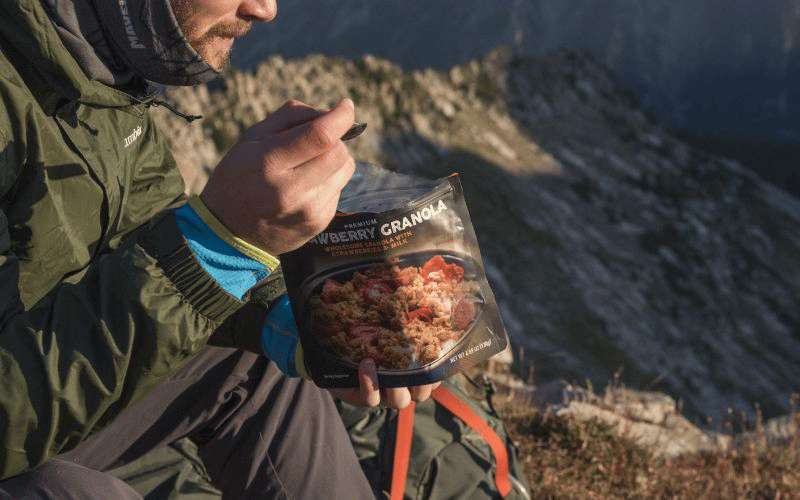
Best Backpacking Food
This guide compares top backpacking food options, highlighting taste, convenience, and nutrition to help you choose the best meals for your outdoor adventures.