
What Size Backpack Do You Need for Backpacking?
Choose a backpacking pack size by trip length, gear bulk, season, food carry, and fit instead of guessing from liters alone.
Draft status: Step 9 completed on 2026-07-04. This is article prose only, not the final structured blog object. Internal guide slugs still need verification before object build.
Most backpackers use about 30 to 50 liters for overnight or weekend trips, 50 to 80 liters for typical 3- to 5-night trips, and 70 liters or more for extended routes, winter gear, or bulky group loads. The right backpack size depends on gear volume, food, water, season, required storage, and fit.
Backpack size is measured in liters, but liters only tell you capacity. They do not tell you whether the pack fits your torso, carries weight comfortably on your hips, or matches the bulk of your actual gear. A 50L pack can be perfect for one 3-day kit and frustratingly small for another.
The REI backpack sizing guide gives useful starting ranges by trip length, while the REI backpacking checklist makes the bigger point: what you carry depends on distance, remoteness, weather, and self-sufficiency. Use the liter ranges below as a starting point, then check your real gear.
Backpack Size by Trip Length
Trip length is the quickest way to estimate backpack capacity, but it is not the only variable. Newer compact gear, warm weather, and disciplined packing can make a smaller pack work. Bulky older gear, cold weather, a bear canister, or group gear can push you up a size.
| Trip type | Typical backpack size | Best fit | Caveat |
|---|---|---|---|
| Overnight | 30-45L | Minimal or compact 1-night kits | Bulky sleeping bags or tents may need more room. |
| Weekend, 1-3 nights | 30-50L | Efficient packers with compact 3-season gear | Beginners often need the upper end of the range. |
| Multiday, 3-5 nights | 50-80L | Typical backpacking trips with more food and layers | The same duration can vary widely by season and food storage. |
| Extended, 5+ nights | 70L+ | Long trips, winter routes, family/group loads | Bigger packs can encourage overpacking if gear is not planned first. |
If you are buying your first backpacking pack, 50-65L is often the safer middle for general 3-season use. It leaves room for common beginner gear without jumping straight to a huge expedition pack.
What Changes the Backpack Size You Need?
Gear bulk
Two kits can weigh the same and take up very different amounts of space. A synthetic sleeping bag, foam pad, budget tent, and bulky fleece can fill a pack faster than a down quilt, compact air pad, and streamlined shelter.
Season and insulation
Cold-weather trips need warmer sleep systems, extra clothing, and often a more protective shelter. REI notes that extended and winter trips often call for larger packs because extra insulation and 4-season gear take space.
Food and water carries
Food volume grows with trip length. Water volume changes by route. A desert section, dry ridge, or unreliable water source can make the same pack feel much smaller, even though water itself is consumable weight.
Bear canister or required storage
Some routes require approved food storage. A bear canister can be bulky, rigid, and awkward to pack, so check whether it fits horizontally or vertically before choosing a pack.
Group or family gear
If you carry shared shelter pieces, a larger cook kit, kid gear, dog gear, or extra safety items for a group, you may need more liters than the trip length alone suggests.
| Factor | Adds volume when | How to plan |
|---|---|---|
| Bulky sleep system | Synthetic bag, thick pad, cold-weather bag | Pack the sleep system first during a test load. |
| Shelter | Freestanding poles, large tent, footprint | Check pole storage and tent-body volume. |
| Food | Trips longer than 2-3 nights | Estimate food volume, not only calories. |
| Water | Long dry carries | Confirm bottle, reservoir, and side-pocket fit. |
| Required storage | Bear canister or hard-sided container | Test canister orientation before buying. |
| Extra layers | Cold, wet, or high-elevation routes | Leave space for dry insulation and rain gear. |
40L vs 50L vs 60L Backpacks
The 40L, 50L, and 60L question is really a gear-volume question.
| Size | Good for | Too small when | Too large when |
|---|---|---|---|
| 40L | Overnight trips, compact kits, warm weather, experienced packers | You carry bulky beginner gear, cold layers, or a canister | You want margin for varied trips and are still learning your kit |
| 50L | Most efficient weekend kits and many 3-season trips | You need winter insulation, group gear, or long food carries | You only do short, warm overnights with compact gear |
| 60L | Beginner 3-season kits, 3-5 night routes, bulkier gear | You need winter or expedition volume beyond that | You tend to fill empty space with "just in case" items |
A 60L pack is not automatically overkill. It becomes overkill when the extra space causes you to carry things you did not plan to use. A 40L pack is not automatically ultralight. It becomes useful when the rest of your gear actually fits.
Backpack Volume Is Not Backpack Fit
Capacity and fit are different decisions.
Backpack volume is the amount of gear the pack can hold. Backpack fit is how the pack matches your body. REI emphasizes torso length as the key fit measurement, not your overall height. Hipbelt fit, shoulder-strap shape, load lifters, and how the pack transfers weight to your hips all matter.
A correctly sized pack can still fit badly if the torso length or hipbelt is wrong. A comfortable pack can still be the wrong capacity if your gear does not fit inside. Choose both.
Before buying, check:
- Torso length range for the pack size.
- Hipbelt fit under expected load.
- Shoulder straps with no harsh gaps or pinching.
- Load-lifter angle and comfort.
- Pack comfort with realistic weight, not an empty pack.
How to Choose Your Size Before Buying
Lay out your gear first
Do not start with "I want a 50L pack." Start with the gear you actually plan to carry: shelter, sleep system, clothing, stove, water treatment, food storage, and safety kit.
Estimate food and water volume
A pack that fits your base gear at home may feel tight once food and water enter the system. Estimate the first day of food and the largest water carry you expect.
Check bulky required items
Bear canisters, foam pads, tent poles, winter layers, and larger sleeping bags can make or break pack choice. Test the awkward items first.
Leave a little margin, not a closet
A small amount of extra room is useful for food, weather layers, and imperfect packing. Too much extra room invites overpacking and can make the load harder to stabilize.
Try a full test pack
If you can, load the pack with your real gear and walk around. A pack that feels fine empty can feel very different with 25-35 lb inside.
After capacity is clear, compare women’s backpacking backpacks for fit-specific options or ultralight backpacks when the complete kit is already compact and light.
FAQ
What size backpack do I need for a 3-day backpacking trip?
Most 3-day backpacking trips fit somewhere around 50-65L, but efficient packers with compact gear may use less and beginners with bulky gear may need more. Season, food volume, water carries, and required storage matter as much as the number of nights.
Is a 40L backpack enough for backpacking?
Yes, a 40L backpack can be enough for warm overnight trips, compact weekend kits, and experienced packers. It is often tight for beginners, cold-weather gear, bear canisters, or bulkier budget equipment.
Is a 60L backpack too big for backpacking?
Not necessarily. A 60L pack can be practical for 3-season multiday trips, bulkier beginner gear, and longer food carries. It is too big if you consistently fill the extra space with items you do not need.
How many liters do beginners need for backpacking?
Many beginners are best served by a pack around 50-65L for general 3-season backpacking. That range gives useful margin while still encouraging reasonably disciplined packing.
Does backpack size include food and water?
Backpack capacity is the total space available, so your food and water containers must physically fit. When people discuss base weight, food and water are consumables, but they still affect pack volume and comfort.
What is the difference between backpack size and backpack fit?
Backpack size usually means capacity in liters. Backpack fit means how the pack matches your torso, hips, shoulders, and load-carrying needs. You need both the right capacity and the right fit.
Should I buy a bigger backpack just in case?
Buy enough margin for real trip needs, not vague fear. A slightly larger pack can help beginners and cold-weather hikers, but too much unused space can encourage overpacking. Lay out your gear before deciding.
Related Guides
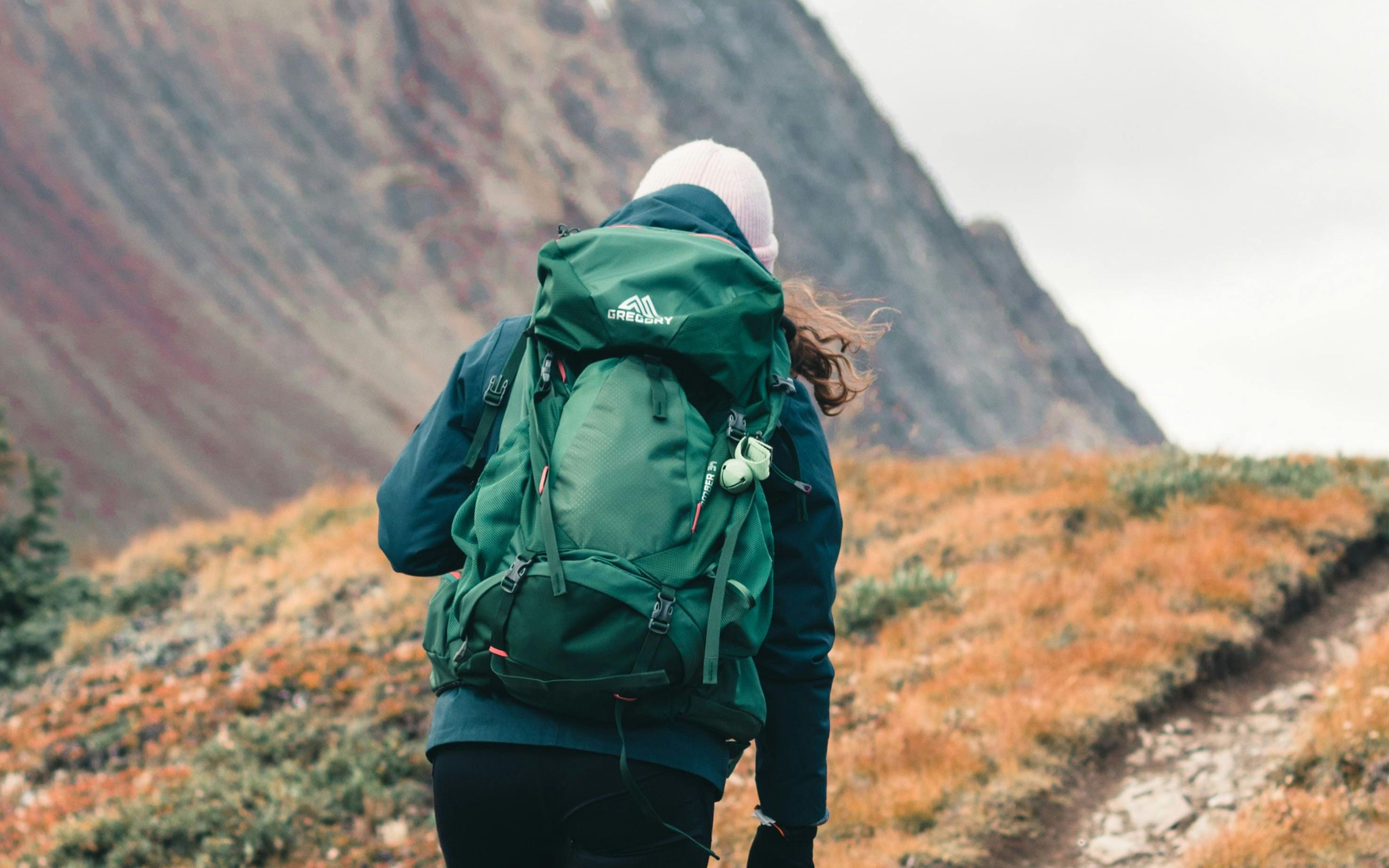
Best Backpacking Backpacks
This guide compares the best backpacking backpacks, highlighting key features, pros, and cons to help you choose the right one for your adventures.
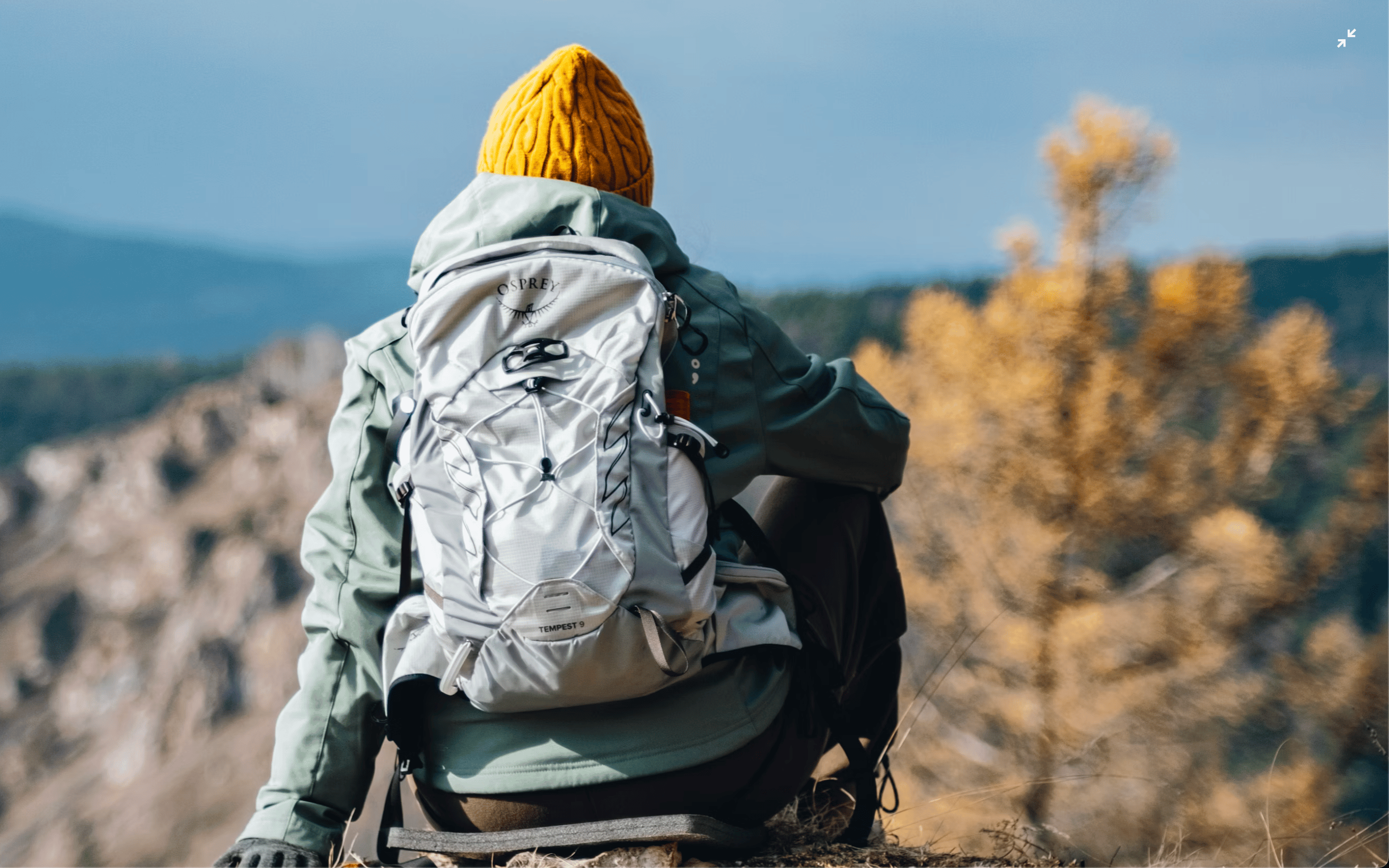
Best Daypacks For Hiking
Finding the right daypack for hiking can make or break your outdoor experience. We've compared the top options to help you choose the best one for your needs.
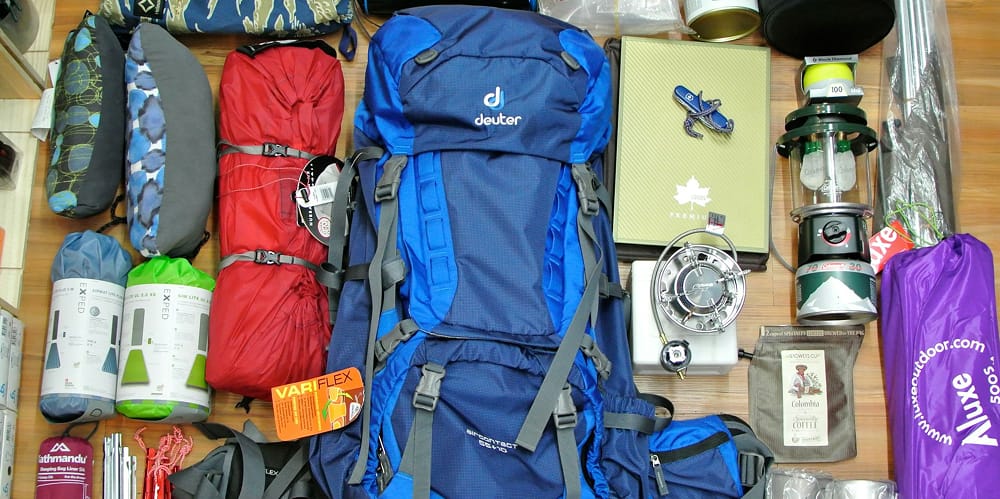
Base Weight for Backpacking: How Light Should Your Pack Be?
Understand backpacking base weight, how to calculate it, and how light your pack should be before food, water, and fuel.
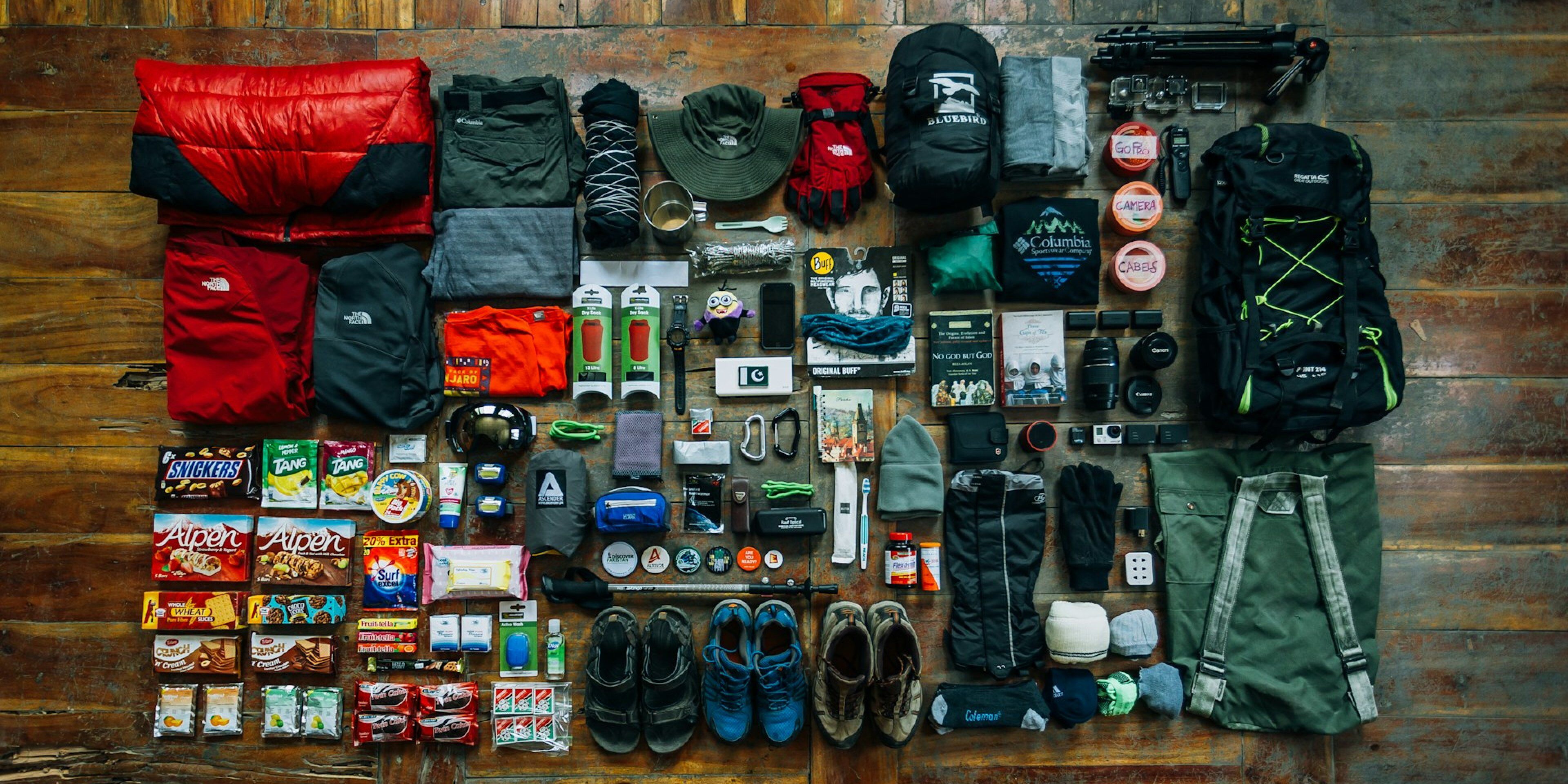
Ultralight Backpacking Checklist: What to Pack and What to Skip
Build a lighter backpacking kit with a practical checklist for essential gear, optional items, and weight-saving cuts that do not compromise safety.
Best Hydration Packs For Hiking
Finding the best hydration pack for hiking depends on your needs for comfort, durability, and accessibility. We've compared top options to help you choose the right one.
Best Trekking Poles For Hiking And Backpacking
This guide compares the best trekking poles for hiking and backpacking, focusing on comfort, durability, and versatility to help you find the perfect support for your outdoor adventures.