
Base Weight for Backpacking: How Light Should Your Pack Be?
Understand backpacking base weight, how to calculate it, and how light your pack should be before food, water, and fuel.
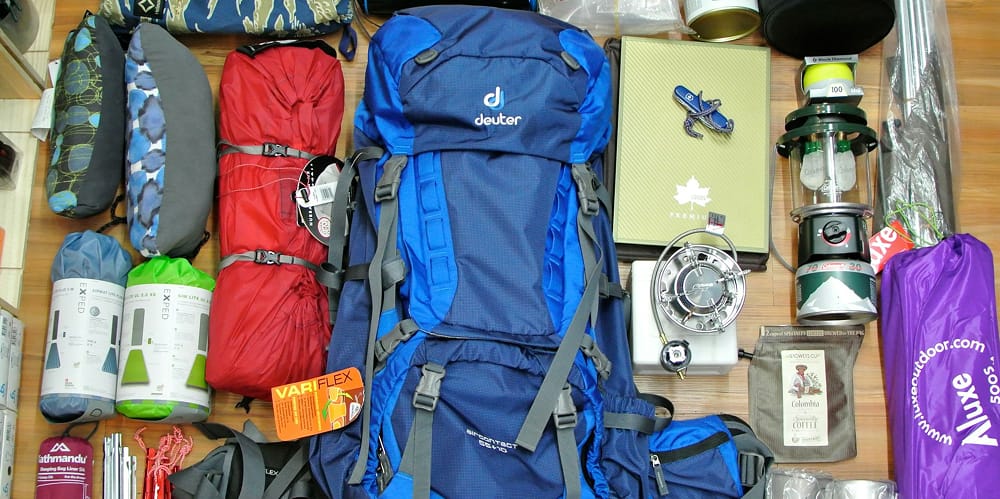
Base weight is the weight of your backpacking gear before food, water, and fuel. Many hikers call a kit ultralight when base weight is under 10 pounds, lightweight under about 20 pounds, and traditional above that. The useful target depends on season, weather, safety needs, and how much comfort you want.
That definition matters because base weight separates fixed gear decisions from consumables. Your tent, pack, sleeping bag, pad, clothing, stove, filter, and safety kit are base weight. Dinner, fuel, and the water in your bottles are not. The number is useful, but it is a tool, not a scoreboard.
REI defines base weight as pack plus carried gear minus food, water, and fuel in its ultralight backpacking basics. WIRED's ultralight explainer uses common shorthand ranges such as 10 lb or less for ultralight and 15 lb or less for lightweight. Treat those as planning language, not a rule that overrides weather, route, or safety.
What Is Base Weight in Backpacking?
Base weight is everything carried in or on your pack before consumables. It helps you compare the gear choices you can control before trip length, food volume, fuel use, and water carries change the total.
| Item type | Counts as base weight? | Notes |
|---|---|---|
| Backpack | Yes | The pack itself is part of base weight. |
| Tent, tarp, or shelter | Yes | Include stakes, poles, guylines, and stuff sacks if you carry them. |
| Sleeping bag or quilt | Yes | Choose for expected lows, not just weight. |
| Sleeping pad | Yes | Warmth and comfort both matter. |
| Clothing carried in pack | Yes | Packed rain, insulation, and sleep layers count. |
| Worn clothing | Usually tracked separately | Shoes, worn shirt, worn pants, and trekking poles in hand are often listed as worn weight. |
| Stove and empty pot | Yes | Fuel is separate; the stove and pot are base weight. |
| Water filter | Yes | Water itself is consumable. |
| Food | No | Food is a consumable and changes by trip length. |
| Water | No | Water is consumable. One liter weighs about 2.2 lb. |
| Fuel | No | Fuel is a consumable. |
| Bear canister | Yes | If required or carried, the container is base weight; the food inside is not. |
Base weight vs total pack weight
Total pack weight is what your pack actually weighs when you start hiking. It includes base weight plus food, water, and fuel. This is why a tidy 10 lb base weight can still feel heavy on a dry route with a long water carry or at the start of a weeklong trip.
If the question is "how heavy will my pack feel on day one?", look at total pack weight. If the question is "which gear choices can I improve before adding food and water?", look at base weight.
What Is a Good Base Weight?
There is no single good base weight for every backpacker. A warm overnight trip near reliable water can support a very light kit. A wet shoulder-season route, a bear-canister trip, or a beginner's first remote itinerary may justify more weight.
Your body size does not change the definition of base weight, but it can change how the full pack feels. A 50 kg hiker and a 100 kg hiker may carry some of the same fixed safety gear, shelter pieces, and kitchen items, yet the same total pack weight can feel very different on their bodies. Use base weight to audit gear choices, then use total pack weight as the comfort and fit check.
| Style | Typical base-weight range | Best fit | Caveat |
|---|---|---|---|
| Super ultralight | Under 5 lb | Specialized, highly experienced hikers on suitable routes | Small margins; not a beginner target. |
| Ultralight | Under 10 lb, or roughly 10-12 lb in some practical guides | Long-mileage hikers who have dialed in gear and skills | Common shorthand, not a safety rule. |
| Lightweight | About 10-20 lb | Most hikers trying to reduce weight without extreme tradeoffs | A very practical target for many weekend backpackers. |
| Traditional | 20 lb+ | Cold weather, heavy-duty gear, group gear, older kits, or comfort-focused setups | Not automatically wrong if the weight has a reason. |
The most useful question is not "Am I under 10 lb?" It is "Does each item in this base weight earn its place for this route?"
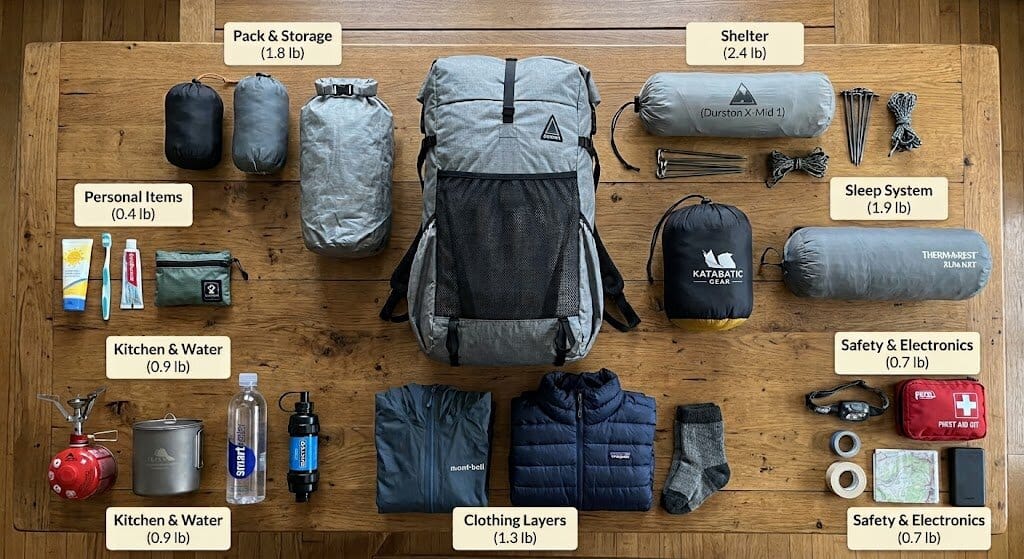
How to Calculate Your Base Weight
- Empty your pack and lay out every item you plan to carry.
- Weigh each item on a kitchen scale, luggage scale, or digital gear scale.
- Group the list by shelter, sleep, clothing, kitchen, water, safety, electronics, and personal items.
- Mark food, water, and fuel as consumables.
- Mark worn clothing and carried-in-hand trekking poles separately.
- Add only the non-consumable carried gear to get base weight.
- Add estimated food, water, and fuel separately to check whether the full pack weight feels realistic for your body, fitness, and route.
Do this once before you buy upgrades. Many hikers discover that the easiest savings are duplicates, packaging, extra clothes, and small accessories rather than the most expensive pieces of gear.
Where Base Weight Usually Comes From
The largest fixed-weight categories are usually the shelter, backpack, and sleep system. Some hikers call these the Big Three: pack, shelter, and sleep setup. REI often uses a Big Four framing by separating sleeping bag and sleeping pad.
| Category | Why it gets heavy | First place to cut | Upgrade later? |
|---|---|---|---|
| Backpack | Too much capacity, heavy frame, old materials | Dial in gear volume before choosing pack size | Yes, but after the rest of the kit is stable. |
| Shelter | Freestanding poles, extra fabric, footprint, large capacity | Carry only required components and match tent to conditions | Yes, if lighter shelter still fits route and skill. |
| Sleep system | Over-warm bag, heavy pad, bulky extras | Match temperature rating and pad warmth to expected lows | Yes, but warmth comes first. |
| Clothing | Duplicate outfits, extra pants, too many backup layers | Keep one hiking system and one sleep/safety system | Sometimes; often cutting duplicates is enough. |
| Kitchen and water | Extra cookware, too much capacity, backup containers | Simplify the cook kit and plan water by route | Usually low-cost cuts first. |
| Electronics | Large power bank, duplicate cables, extra devices | Size battery to navigation and trip length | Upgrade only if it solves a real need. |
| Safety and repair | Kits that are either too empty or too bloated | Customize, repackage, and remove duplicates | Do not remove the whole system. |
How to Lower Base Weight Without Making Your Kit Worse
Cut duplicates before buying upgrades
If you carry two shirts, two pots, three stuff sacks for one dry system, and a full-size toiletry kit, buying a lighter tent will not fix the real pattern. Remove duplicate jobs first; use a pack-weight audit before buying upgrades.
Match shelter to conditions
A lighter shelter is useful only if it works for expected weather, bugs, terrain, and your setup skill. Do not chase a low shelter weight if it leaves you under-protected or unsure in wind and rain.
Choose a sleep system for expected lows
Cutting warmth can be one of the most expensive mistakes in a light kit. A quilt or sleeping bag should match expected overnight lows, and the sleeping pad should provide enough insulation for the ground conditions.
Watch small items
Small items are where base weight gets sneaky: extra bags, cables, stakes, toiletries, repair items, camp gadgets, and spare containers. Keep the useful pieces, but stop carrying every possible backup.
Keep the safety margin
REI and the National Park Service both frame the Ten Essentials as systems that help when conditions change or something goes wrong. Lighter versions are fine. Removing the systems entirely is not the same thing.
For a system-level definition, see what counts as the Big Three in backpacking gear; hikers ready to reduce pack weight can then compare ultralight backpacks after their gear volume is stable.
When a Heavier Base Weight Makes Sense
A heavier base weight can be the correct answer when the extra weight solves a real trip problem.
Cold or wet weather often requires more insulation and more reliable rain protection. Desert routes can require extra water capacity, even though water itself is not base weight. Bear-canister areas add the weight and bulk of required storage. Beginners may also benefit from a little more margin while they learn what they actually use.
Trips with kids, dogs, group gear, photography equipment, medical needs, or comfort-focused goals can also justify more weight. The goal is not to make every backpacker look like a thru-hiker. The goal is to understand what you carry and why.
Body size belongs in this conversation as a comfort check, not as the base-weight formula. Smaller hikers may need to be stricter about total carried weight, while larger or stronger hikers may tolerate more. Still, a smaller backpacker cannot simply remove navigation, insulation, water treatment, or required food storage to make a percentage target work.
FAQ
What is base weight in backpacking?
Base weight is the weight of your pack and carried gear before food, water, and fuel. It includes items such as your backpack, shelter, sleeping bag or quilt, sleeping pad, clothing carried in the pack, stove, water filter, first aid, repair kit, and electronics.
What is a good base weight for backpacking?
A good base weight is the lightest kit that still fits your route, weather, skill, and comfort needs. Many hikers use under 10 lb as ultralight shorthand and 10-20 lb as lightweight territory, but those ranges are not rules.
What is considered ultralight base weight?
Under 10 lb is the most common ultralight base-weight shorthand. Some practical guides use a slightly wider target around 10-12 lb. Either way, ultralight should mean a lighter complete system, not a kit missing safety basics.
Does food count toward base weight?
No. Food is a consumable, so it is not included in base weight. It does count toward total pack weight, which is what your pack actually weighs when you start hiking.
Does water count toward base weight?
No. Water is also a consumable. It can still change the feel of your pack dramatically because one liter weighs about 2.2 lb.
Is worn clothing part of base weight?
Most hikers track worn clothing separately from base weight. A rain jacket carried in your pack counts as base weight. The shirt and pants you are wearing are usually listed as worn weight.
How do I lower my backpacking base weight?
Weigh every item, remove duplicates, simplify clothing and cookware, repackage small consumables, and then evaluate the Big Three or Big Four: pack, shelter, sleeping bag or quilt, and sleeping pad. Avoid cutting essential safety systems.
Is a 20 pound base weight too heavy?
Not always. A 20 lb base weight may be heavy for a mild weekend trip but reasonable for cold weather, required bear storage, group gear, beginner comfort, or specialized equipment. Judge the reason for the weight, not just the number.
Should beginners try to get under 10 pounds?
Beginners should usually focus on understanding their gear before chasing a sub-10-lb kit. A slightly heavier setup that is safe, warm, and easy to use is better than an ultralight number built by removing systems you still need.
Should base weight depend on body weight?
Base weight ranges are usually not scaled directly to body weight, but your comfortable total pack weight is personal. A smaller hiker may need to be more careful with carried weight, while a larger or stronger hiker may tolerate more. Use body weight as a comfort and fit check, not as the definition of base weight.
Related Guides
Best Backpacking Backpacks
This guide compares the best backpacking backpacks, highlighting key features, pros, and cons to help you choose the right one for your adventures.
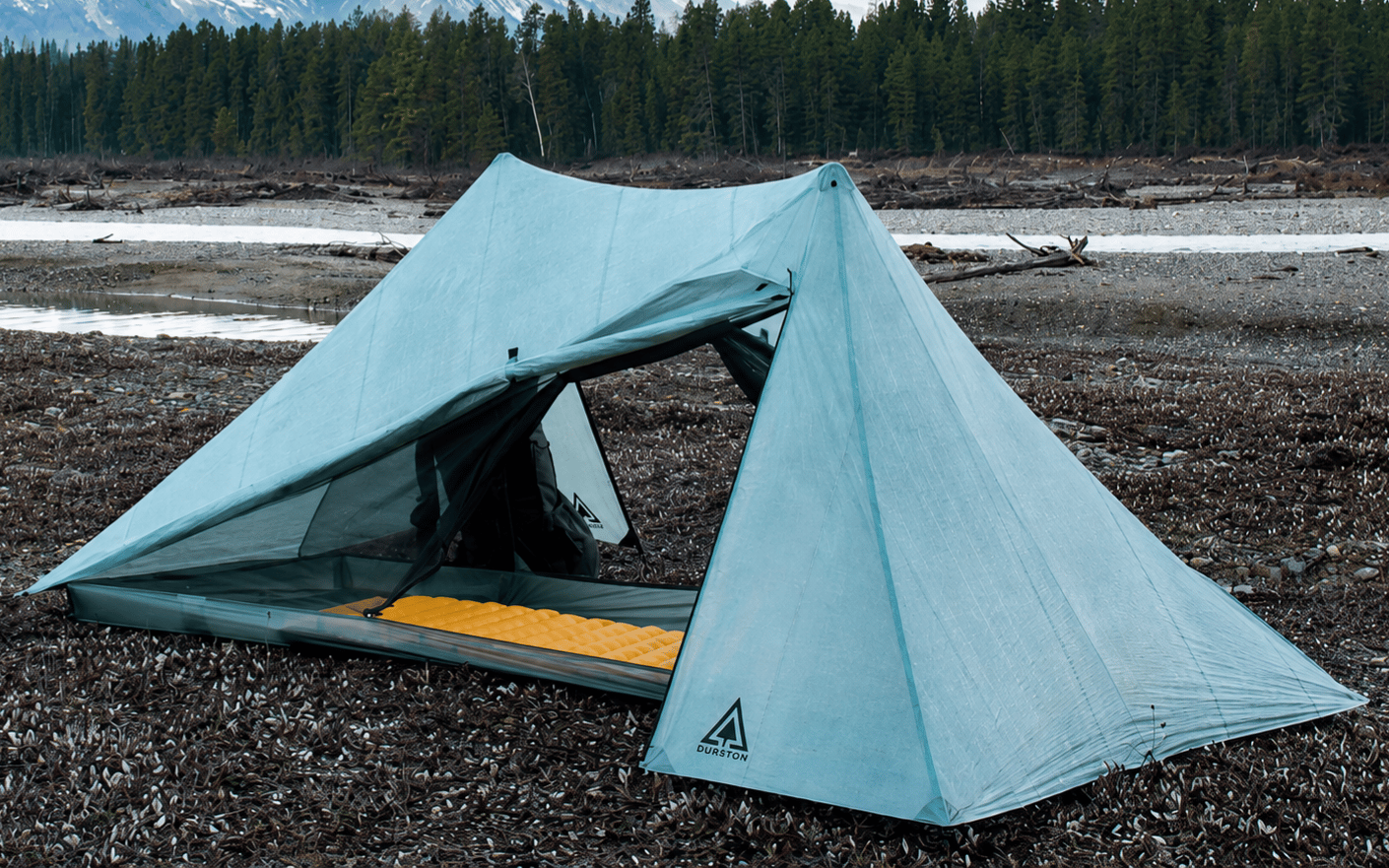
Best Ultralight Backpacking Tents
This guide compares the best ultralight backpacking tents, helping you choose a durable, weather-resistant shelter that balances weight and comfort for long-distance hikes.
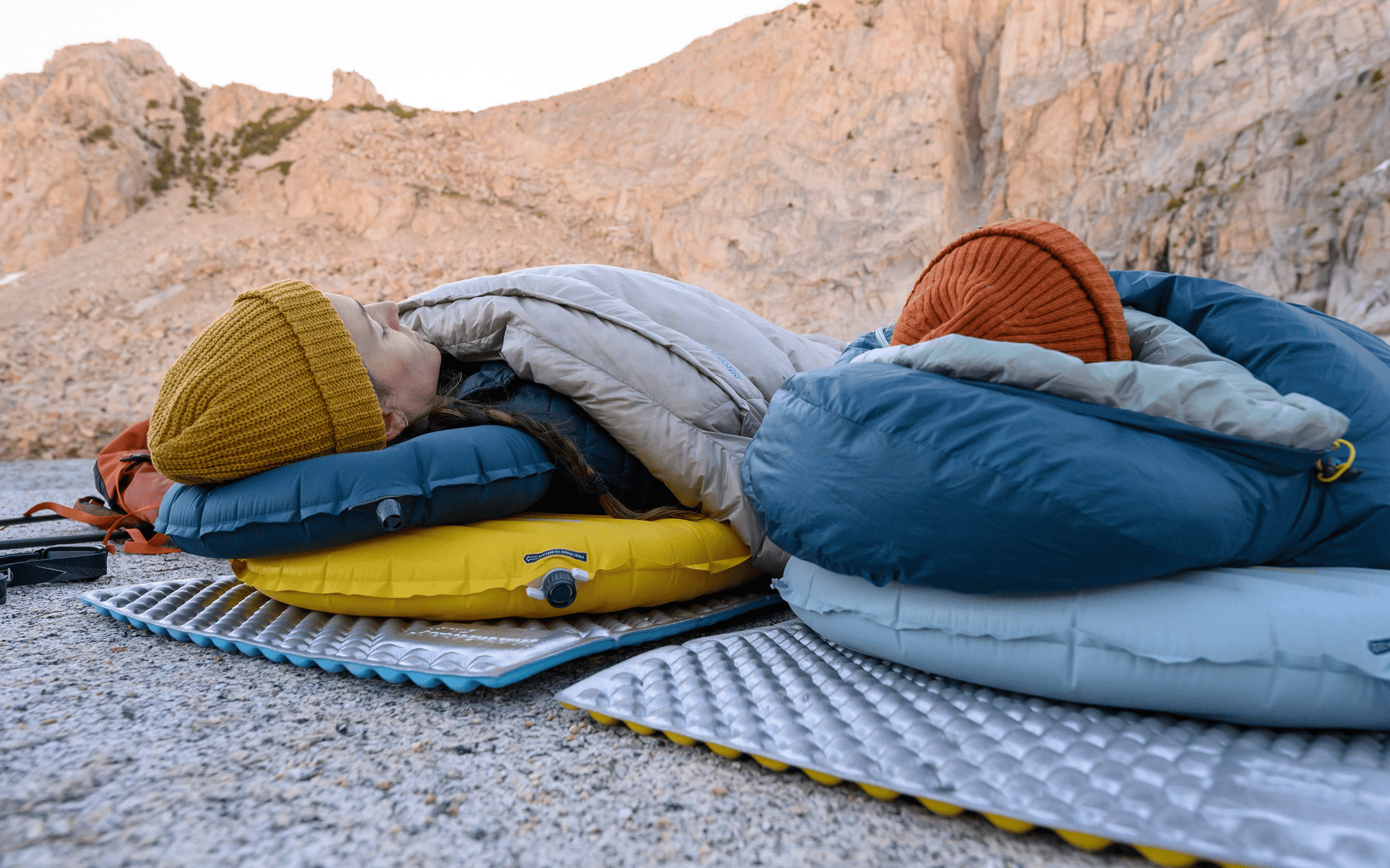
Best Sleeping Pads For Backpacking
Finding the best sleeping pad for backpacking can be tricky. This guide compares top options to help you choose the right one for your needs.
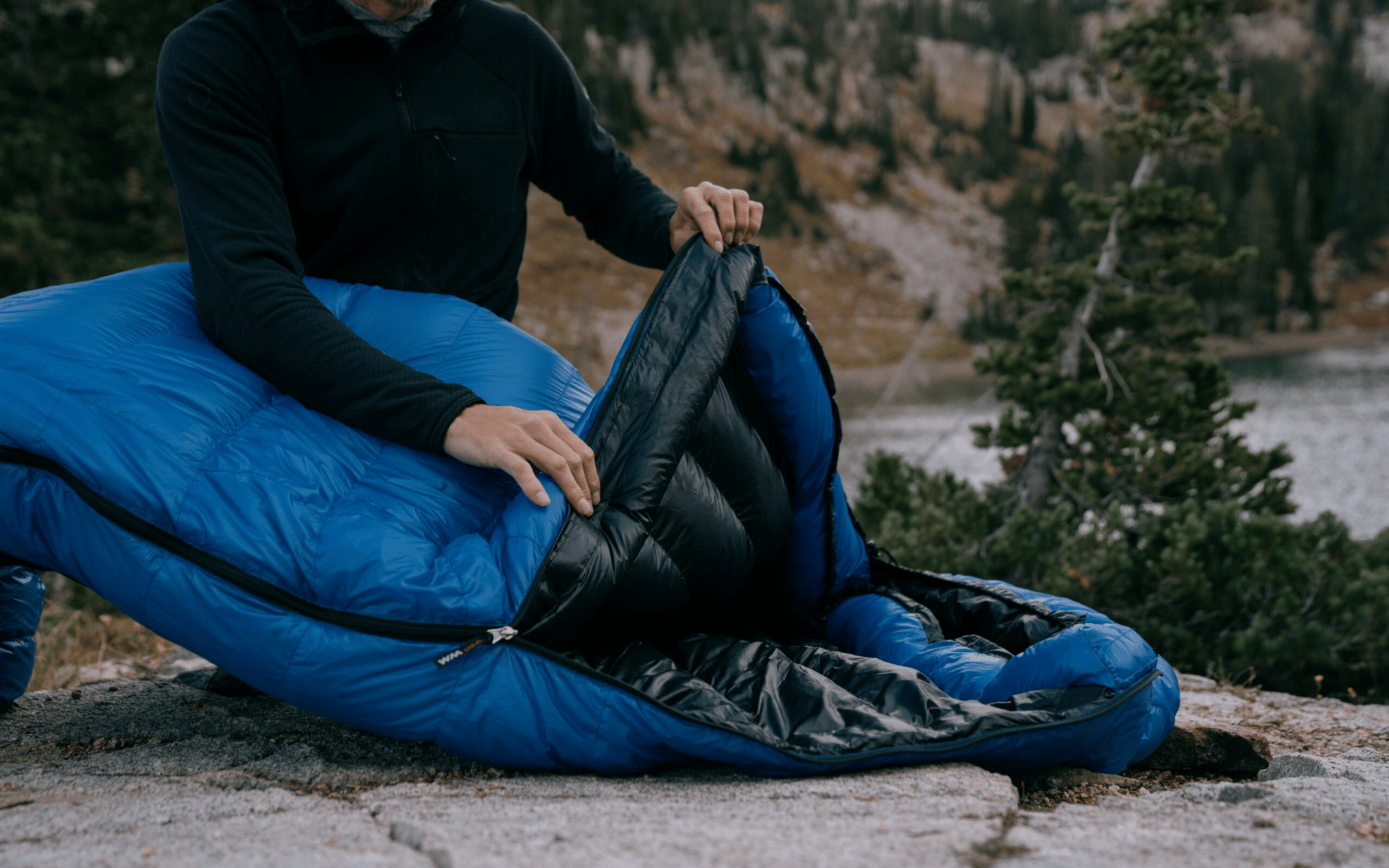
Best Backpacking Sleeping Bags
Finding the best backpacking sleeping bag depends on your priorities: warmth, weight, or versatility. We compare top options to help you choose the right one for your adventures.
What Is the Big Three in Backpacking Gear?
Understand the backpacking Big Three—shelter, sleep system, and backpack—plus the Big Four variation, complete-weight comparisons, and upgrade order.
Best Ultralight Backpacks
Compare 12 ultralight backpacks by weight, capacity, comfort, fit, access, ventilation, and water resistance for thru-hikes and long trails.