
What Is the Big Three in Backpacking Gear?
Understand the backpacking Big Three—shelter, sleep system, and backpack—plus the Big Four variation, complete-weight comparisons, and upgrade order.
Draft status: Step 9 completed on 2026-07-21. This is article prose only, not the final structured blog object. Big Three and Big Four are presented as named conventions, not official classifications.
The Big Three in backpacking gear are the shelter, sleep system, and backpack—the systems that usually account for much of a kit's fixed weight and packed volume. Some backpackers use “Big Four” by counting the sleeping pad separately. Neither grouping is official; define the convention before comparing totals or deciding what to upgrade.
The phrase is useful because these systems interact. A smaller shelter and sleep system may allow a lower-volume backpack, while a warmer or more spacious setup may require more capacity and support.
What Is Included in the Big Three?
| System | Usually includes | Main decisions |
|---|---|---|
| Shelter | Tent/tarp body, rainfly, poles or trekking poles, stakes, guylines, footprint if carried | Capacity, weather protection, pitch, site, complete carried weight |
| Sleep system | Sleeping bag or quilt and, depending on convention, sleeping pad | Warmth, fit, pad compatibility, moisture, packed volume |
| Backpack | Pack body, frame, hip belt, removable components actually carried | Fit, capacity, load support, organization, durability |
The REI ultralight gear essentials guide uses shelter, sleep system, and backpack as the Big Three. Other education sources split the sleeping bag and pad, creating a Big Four. Both can be clear when the components are named.
Big Three vs Big Four
| Convention | Grouping | Advantage | Caution |
|---|---|---|---|
| Big Three | Shelter; sleep system; backpack | Treats bag/quilt and pad as one compatible sleep system | Totals are unclear if a source silently excludes the pad |
| Big Four | Shelter; sleeping bag/quilt; sleeping pad; backpack | Makes pad warmth, weight, and comfort visible | Can encourage isolated item comparison instead of system thinking |
Before comparing two gear lists, check whether trekking poles, stakes, stuff sacks, footprints, pack lids, or the sleeping pad are included. Otherwise the lighter total may be an accounting difference rather than a real trailhead saving.
Why Do These Systems Matter So Much?
The Big Three control more than weight:
- Shelter and sleep gear often determine packed volume.
- Packed volume influences backpack capacity.
- Total starting load influences the support a pack needs.
- Shelter dimensions affect pad fit and wall contact.
- Pad warmth and sleep insulation work together.
- Poles, stakes, guylines, and site skill determine whether the shelter performs as intended.
This is why replacing the backpack first can backfire. The REI backpack guide ties capacity to actual trip load and emphasizes torso fit rather than choosing only by liters.
How to Evaluate Your Big Three
Use a system scorecard instead of ranking by weight alone.
| Check | Shelter | Sleep | Backpack |
|---|---|---|---|
| Trip fit | Weather, bugs, occupants, site | Overnight low, moisture, sleeper | Starting load, trip length, required storage |
| Personal fit | Length, width, usable head/foot room | Bag/quilt dimensions and pad comfort | Torso, belt, shoulder harness |
| Complete weight | All carried pitch components | Bag/quilt, pad, dry storage | All removable parts actually carried |
| Volume | Packed shelter | Insulation and pad bulk | Usable capacity and external carry |
| Skill/care | Pitch, tension, repair | Venting, pad attachment, moisture | Packing, adjustment, load transfer |
| Failure consequence | Exposure and wet gear | Cold or poor sleep | Pain, instability, damaged gear |
Which Big Three Item Should You Upgrade First?
Upgrade the system with the clearest verified problem—not automatically the heaviest item.
- Define the trip and expected conditions.
- Weigh every complete system.
- Measure packed volume and test compatibility.
- Record fit, warmth, setup, and comfort problems on a short trip.
- Compare lower-cost fixes, borrowing, repair, and used options.
- Replace one system and re-test the complete load.
A lighter shelter may create the largest numerical saving, but it is not an upgrade if it is too short, hard to pitch on expected sites, or missing required protection. A sleep-system upgrade may matter more if cold or discomfort is the limiting problem.
If the pack remains the clearest problem after the other systems stabilize, compare ultralight backpacks by total load, volume, fit, and support.
Common Big Three Mistakes
- Comparing advertised minimum weight with another product's packaged weight.
- Excluding stakes, poles, pad, or other required components from one total.
- Buying a low-volume backpack before measuring the finished kit.
- Selecting quilt and pad independently without checking attachment, width, warmth, and drafts.
- Treating capacity labels as standardized comfort dimensions.
- Replacing functional gear for small savings while larger free reductions remain elsewhere.
FAQ
What are the Big Three in backpacking?
Shelter, sleep system, and backpack. Name whether the sleep system includes the pad when comparing totals.
What is the Big Four?
The Big Four usually separates shelter, sleeping bag or quilt, sleeping pad, and backpack. It is an alternative planning convention.
Is there a target weight for the Big Three?
There is no universal target. Appropriate weight depends on occupants, weather, warmth, fit, load support, required storage, skill, and budget.
Does tent weight include stakes and poles?
It depends on the source and weight definition. Compare the complete configuration you will carry, including required poles, stakes, guylines, and optional components actually used.
Which Big Three item should I buy first?
Usually decide shelter and sleep needs before finalizing the backpack. Upgrade whichever system solves the clearest tested problem.
Are clothing and cooking gear part of the Big Three?
No, but they still affect total weight and volume. Big Three analysis should not distract from duplicates or oversized items elsewhere.
Related Guides
How Much Should a Backpacking Tent Weigh?
Understand backpacking tent weight ranges, packed weight vs trail weight, and when a heavier shelter is worth carrying.
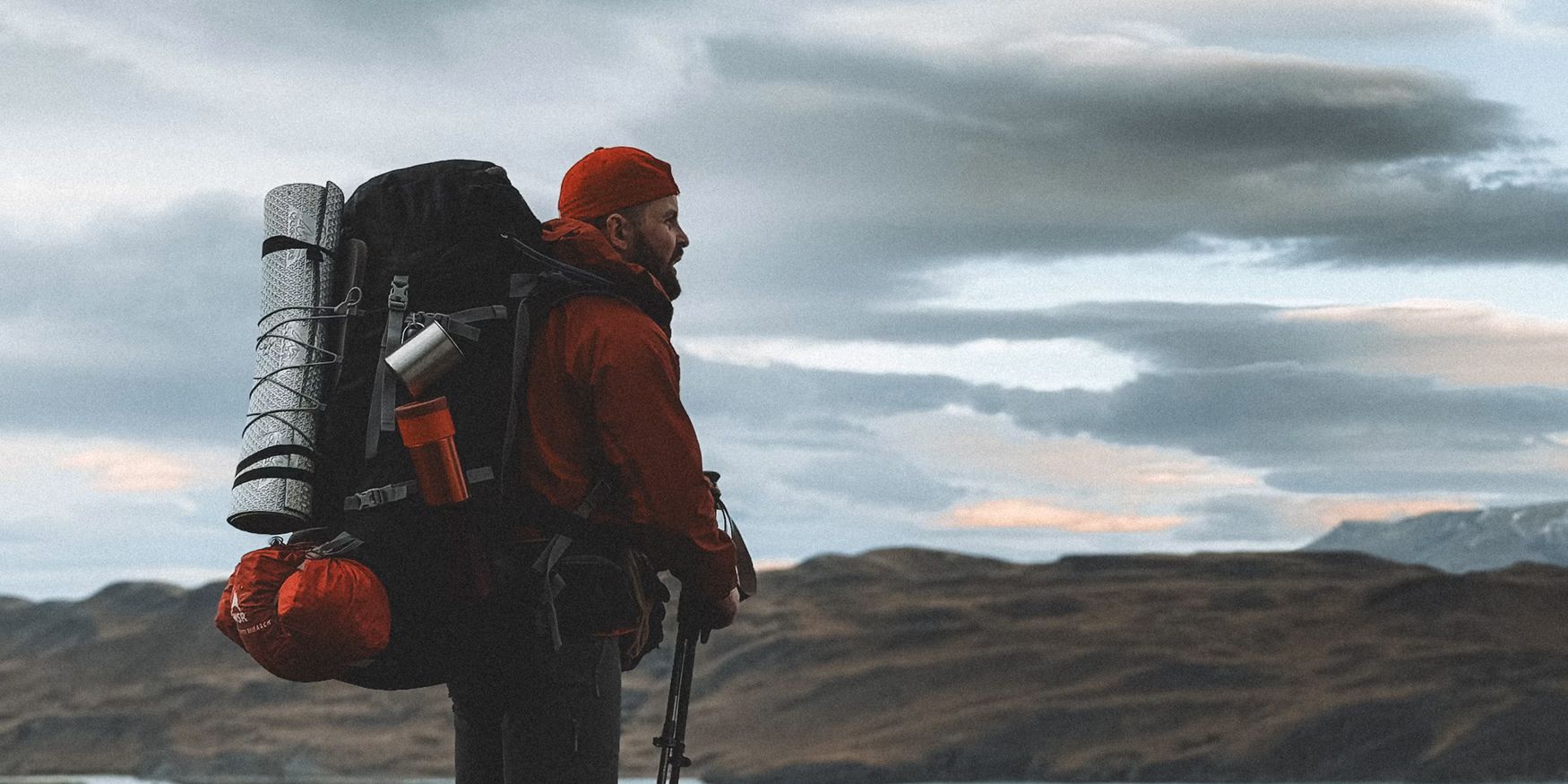
What Size Backpack Do You Need for Backpacking?
Choose a backpacking pack size by trip length, gear bulk, season, food carry, and fit instead of guessing from liters alone.
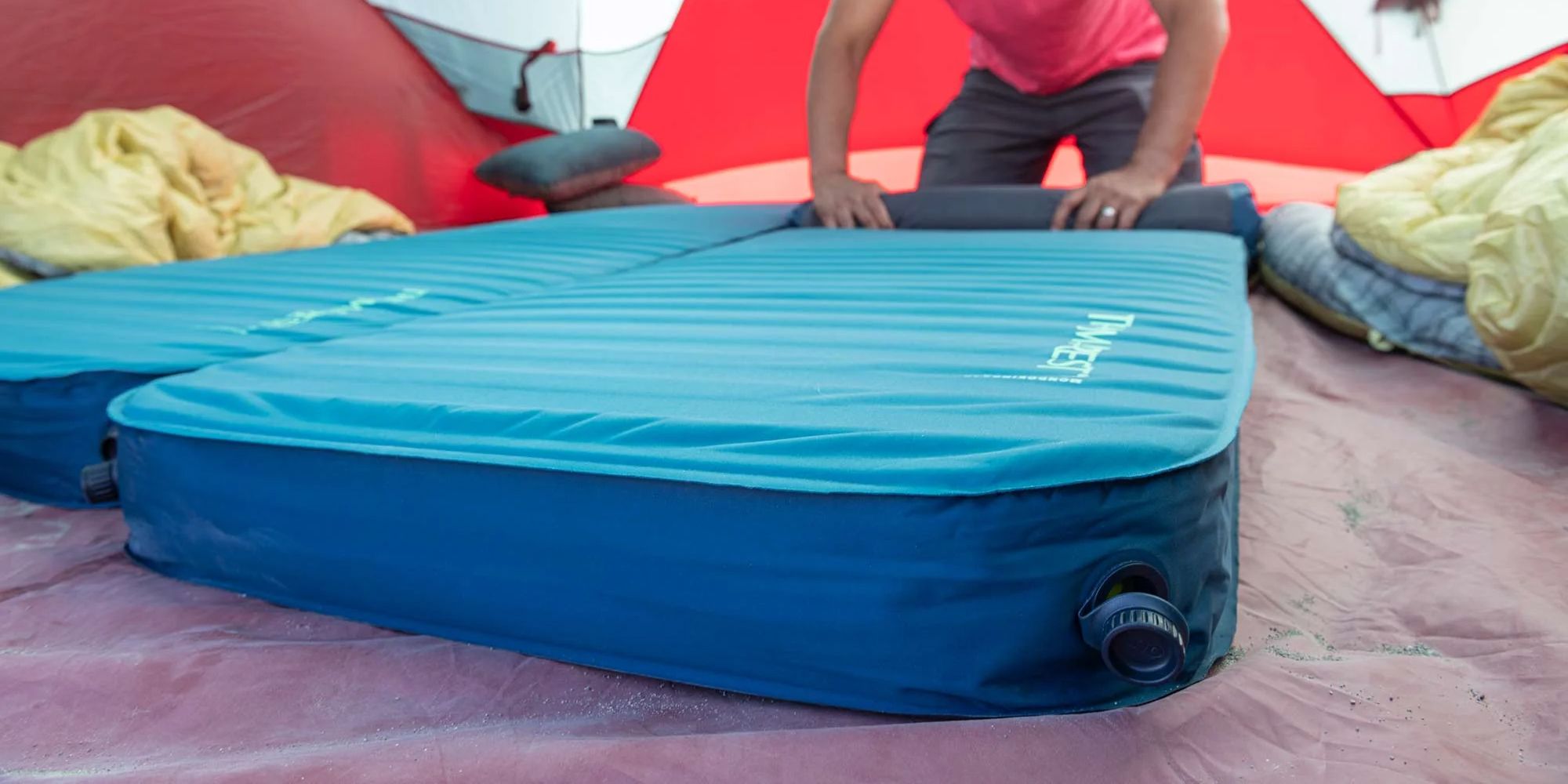
Sleeping Pad R-Value Explained for Backpackers
Understand sleeping pad R-value, common warmth ranges, and how to choose enough insulation for backpacking without overpacking.
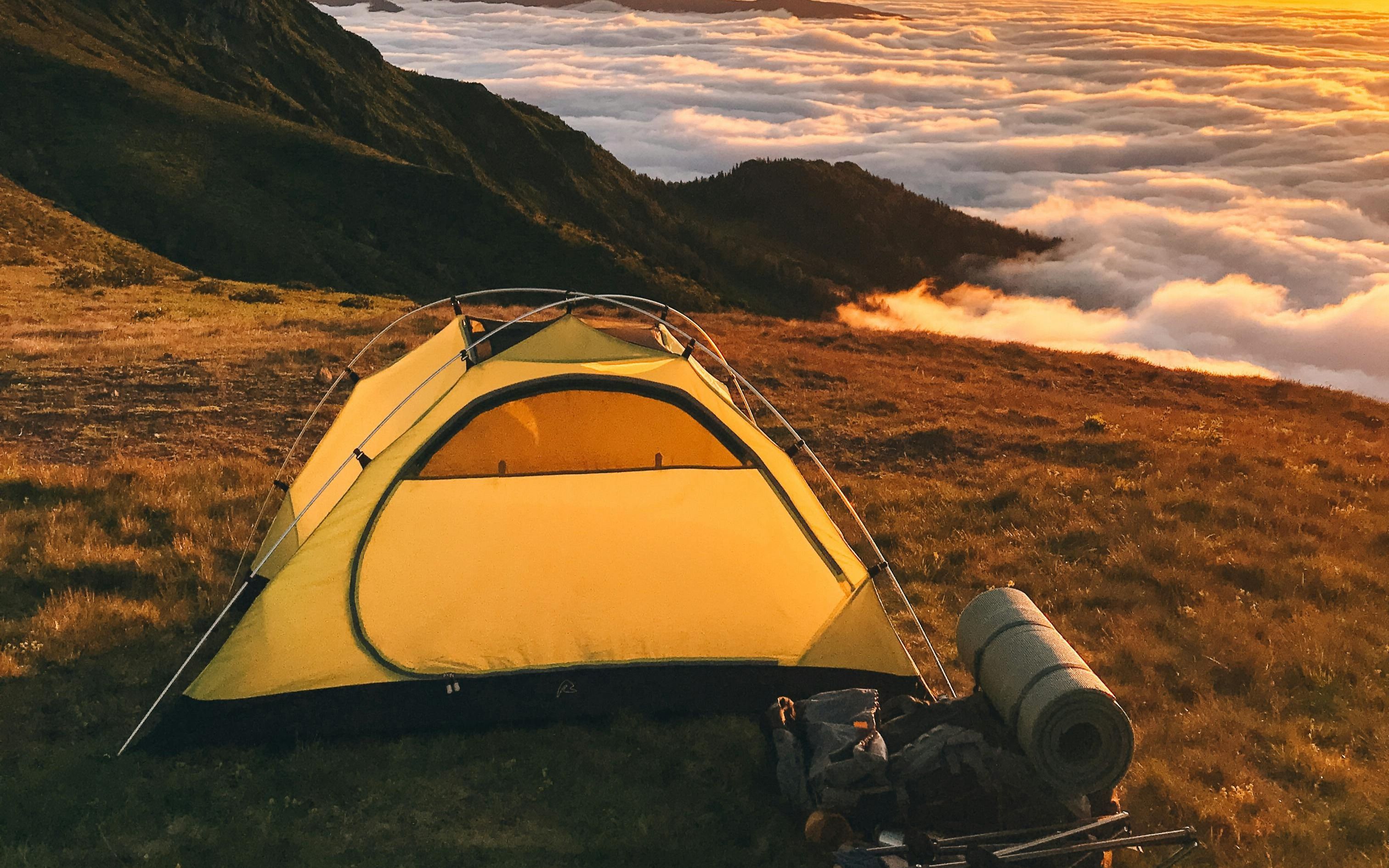
Best Backpacking Tents Of 2026
Compare backpacking tents for solo and two-person trips by weight, livable space, packed dimensions, setup style, pole system, ventilation, and weather protection.
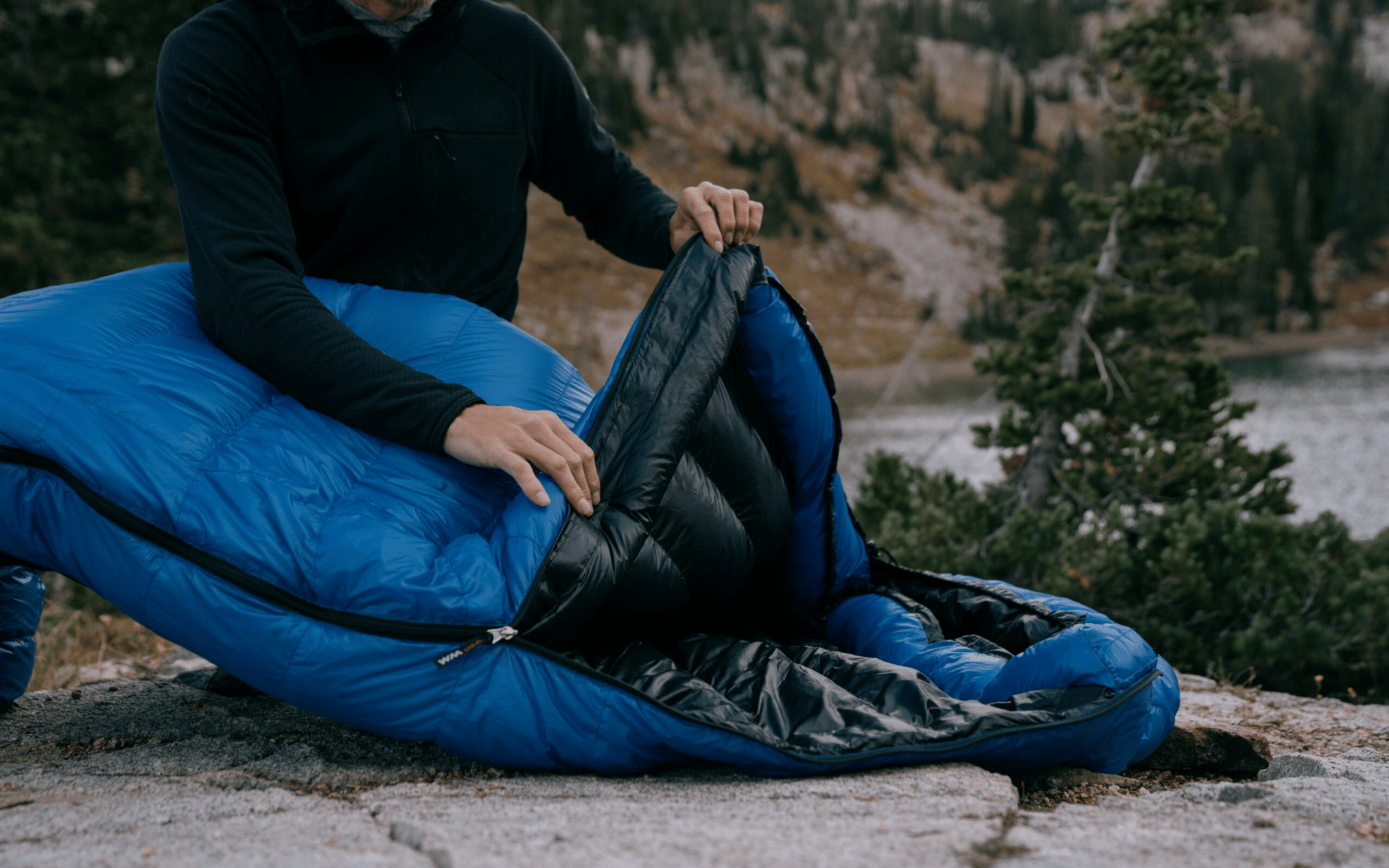
Best Backpacking Sleeping Bags
Compare backpacking sleeping bags by temperature rating, weight, packed size, fill, fit, and side-sleeper comfort so you can match a bag to expected trail lows.
Ultralight Backpacking for Beginners: A Practical Starter Guide
Build a lighter beginner backpacking kit with a safe, step-by-step approach that starts with trip needs and your current gear.