
How Much Should a Backpacking Tent Weigh?
Understand backpacking tent weight ranges, packed weight vs trail weight, and when a heavier shelter is worth carrying.
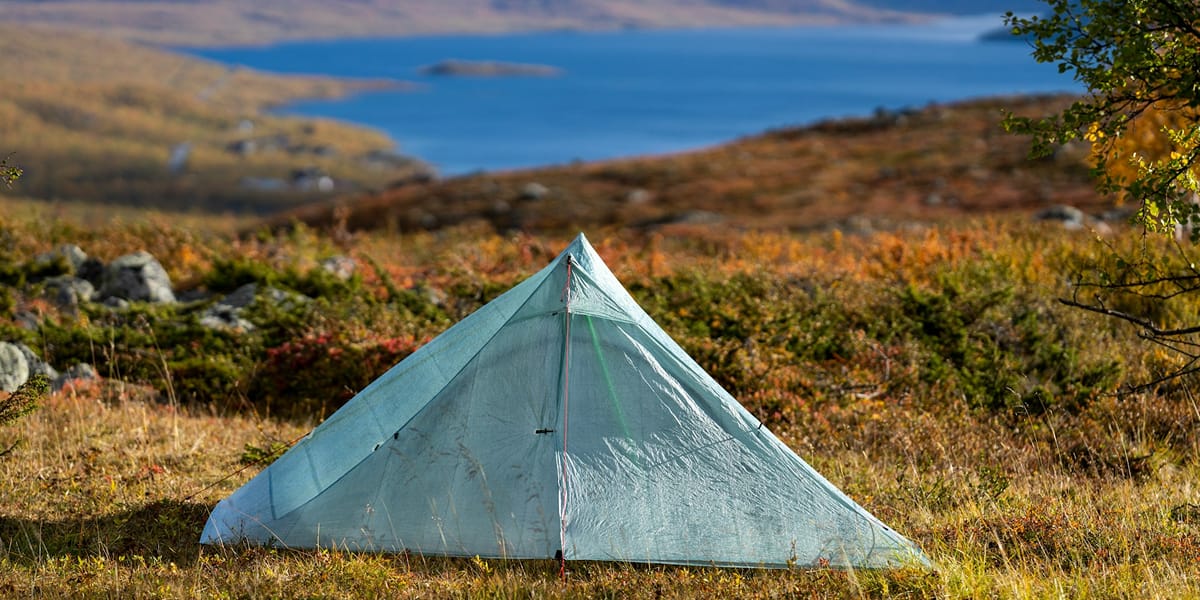
A backpacking tent should usually weigh about 2 to 4 pounds for one or two people, with ultralight shelters often under 2 pounds and more protective freestanding tents often closer to 3 to 5 pounds. The right tent weight depends on capacity, weather protection, durability, ease of setup, and your total pack weight.
That range is a planning shortcut, not a rule. Tent weight for backpacking changes with capacity, pole structure, fabric, season rating, vestibules, stakes, stuff sacks, and whether you split the shelter with another person.
The best question is not "What is the lightest tent I can find?" It is "What shelter weight gives me enough protection, space, and setup confidence for the trips I actually take?"
Good Backpacking Tent Weight Ranges
Use these ranges to interpret the market before you compare individual specs. Always check the manufacturer's current listed weight and what that number includes.
| Tent type | Typical weight range | Best fit | Tradeoff |
|---|---|---|---|
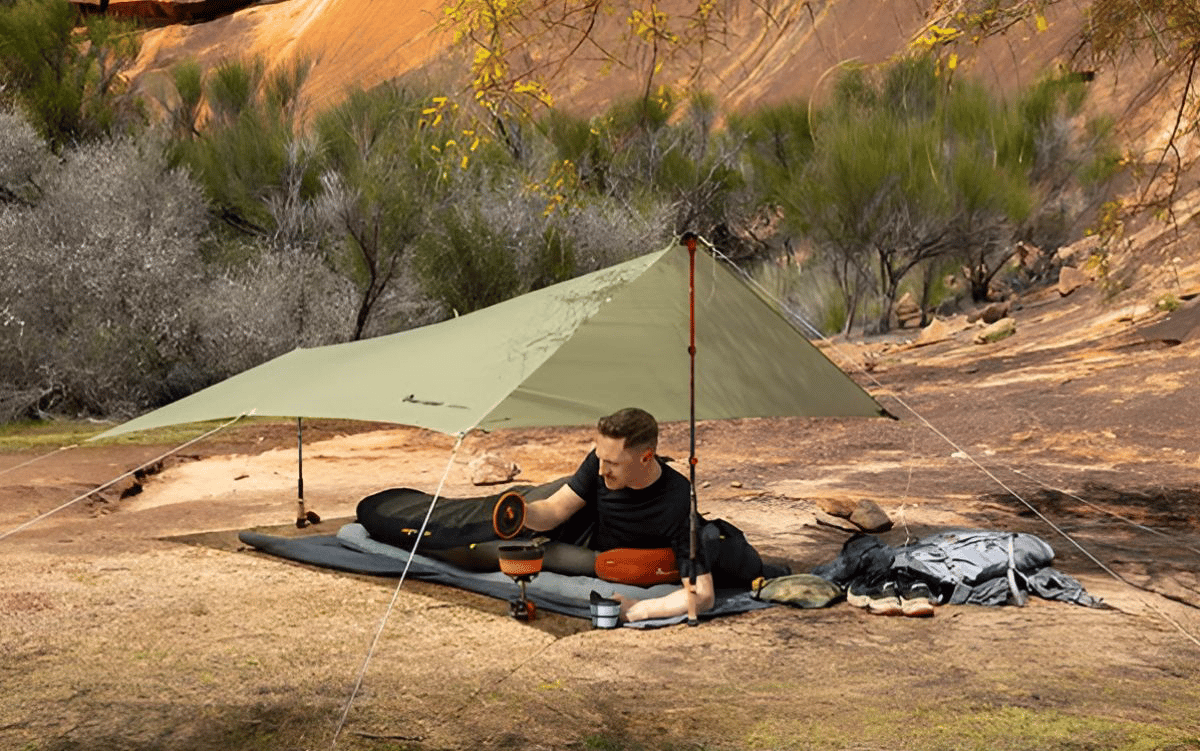
| Minimal tarp or specialty ultralight shelter | Under 1.5 lb | Experienced hikers, mild conditions, low bug pressure, careful site selection | Less structure, less enclosed protection, more skill required. |
| Ultralight solo or trekking-pole shelter | About 1.5-2.5 lb | Long-mileage backpackers trying to cut base weight | May require trekking poles, careful pitching, or less interior space. |
| Lightweight 1P tent | About 2-3 lb | Solo backpackers who want more bug/weather protection | Heavier than tarp-style systems but often simpler. |
| Lightweight 2P tent | About 2.5-4 lb | Two hikers splitting weight, or solo hikers wanting more room | Can be tight for two; livability varies by floor shape and peak height. |
| Freestanding 2P backpacking tent | About 3-5 lb | Beginners, rocky campsites, easier setup, more livability | More poles and structure usually add weight. |
| Four-season or harsh-weather tent | Often 5 lb+ | Snow, strong wind, winter, exposed alpine conditions | Too much tent for many 3-season trips. |
REI's backpacking tent guide frames tent weight as a major part of overall load, but also notes the tradeoff: going lighter can reduce space, features, and durability. That is the whole decision in one sentence.
Packed Weight vs Trail Weight vs Minimum Weight
Tent weight gets confusing because brands and retailers may show more than one number. Community discussions and tent explainer videos repeatedly come back to this same problem: shoppers compare weights without checking what is included.
| Term | What it usually includes | Why it matters |
|---|---|---|
| Minimum trail weight | Tent body, rainfly, and poles | Useful for comparing core shelter structure, but it often leaves out stakes, sacks, and extras. |
| Packaged weight | Everything sold with the tent: body, fly, poles, stakes, stuff sacks, pole sack, instructions, and included accessories | Often closer to what arrives in the box. |
| Trail weight | Sometimes used like minimum weight, but usage varies by brand or retailer | Do not assume it means your exact carried setup. |
| Actual carried weight | The exact shelter parts you put in your pack | The number that matters most for your base weight. |
| Footprint weight | Usually separate unless the footprint is included | Add it if you carry one. Many footprints are sold separately. |
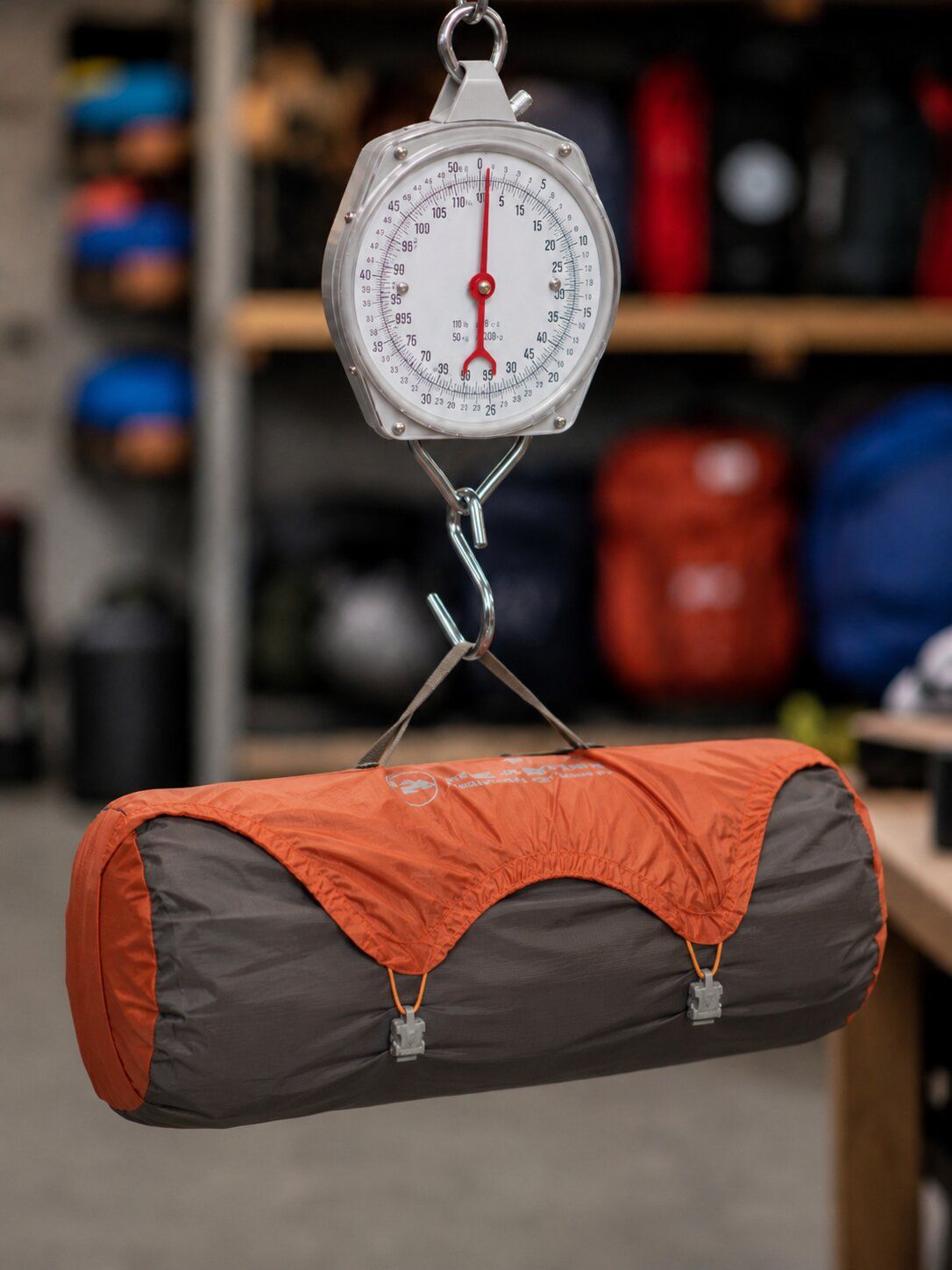
For a real pack list, build your own actual carried weight. Put the tent body, fly, poles, stakes, guylines, stuff sack, repair sleeve, and footprint on the scale if you plan to carry them. That number is more useful than the most flattering spec label.
What Makes a Backpacking Tent Heavier?
Capacity and floor area
A 2-person tent usually weighs more than a 1-person tent, but weight per person can be better when two hikers split the shelter. Solo hikers often choose 2P tents for more room, especially if they want space for gear, a dog, or bad-weather time inside.
Pole structure
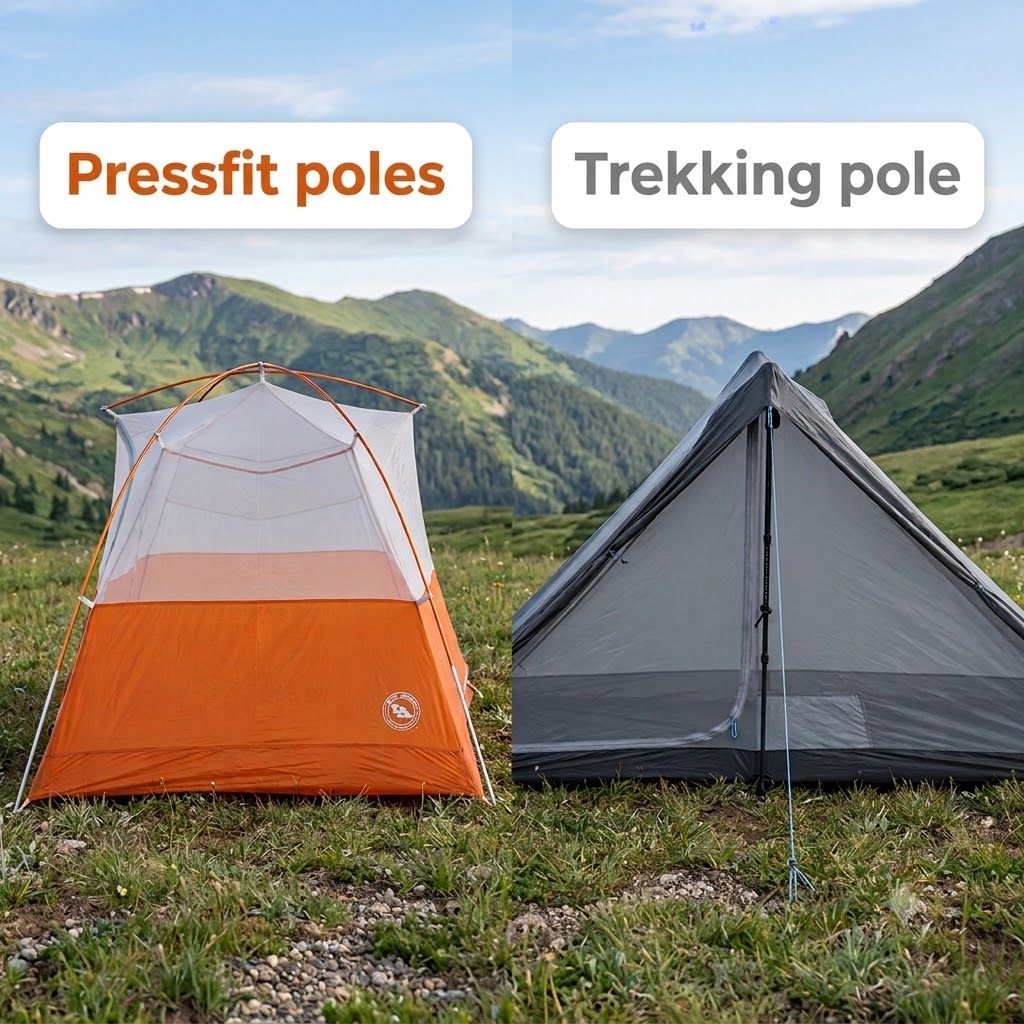
Freestanding tents are often easier to pitch and move around because they have a more complete pole structure. Non-freestanding or trekking-pole shelters can be lighter because they use trekking poles or simpler structure, but they require better site selection and pitch technique.
Fabric denier and coatings
Lower-denier fabrics can help save weight, while higher-denier fabrics are often used for more rugged floors or fly materials. Denier is not a perfect cross-fabric comparison, but it is one clue in the durability conversation.
Vestibules and doors
Two doors, two vestibules, more headroom, and larger floor plans make a tent easier to live in. They also add fabric, zippers, seams, and sometimes pole complexity.
Weather protection
Stronger poles, more coverage, better venting, extra guyout points, and four-season design all add weight. That can be worth it in exposed weather and unnecessary on a mild summer route.
Included accessories
Stakes, stuff sacks, repair pieces, and footprints can change the number you actually carry. This is why packed weight, minimum weight, and actual carried weight should be separated.
When a Lighter Tent Is Worth It
A lighter tent is most valuable when you hike long days, carry a low base weight, camp in appropriate conditions, and know how to pitch the shelter well. It can also be worth it when the tent is shared and the weight-per-person number is low.
Some modern trekking-pole shelters show how far the category has moved. Durston lists the X-Mid 2 at 31.3 oz / 890 g for the complete tent and 34.3 oz / 975 g for a typical setup with sack and six stakes. That is a useful current-market example, not a universal target for every backpacker.
Choose lighter when the lower weight does not cost you the protection, space, or ease of setup you need for the trip.
When a Heavier Tent Is Worth Carrying
A heavier tent can be the better choice when it buys you real advantages: easier setup, more interior room, more weather confidence, better durability, or a calmer first backpacking experience.
WIRED's 2025 Nemo Dagger Osmo review reports a 2-person tent weight of 3 lb 15 oz and frames it as livable rather than ultralight. That is the useful lesson: near-4-lb 2P tents are not automatically wrong. They are wrong only if they do not match your goals.
Choose heavier when:
- You are new to backpacking and want simpler setup.
- You expect rain, wind, exposed campsites, or long evenings inside.
- You are tall or sharing a tent with another person.
- You need more vestibule space for wet gear.
- You value long-term durability more than the lowest possible base weight.
- You backpack with a dog or bulky gear.
If weather performance matters more than the lowest number on a scale, use the rain-and-wind tent selection checklist before comparing shelters.
How Tent Weight Fits Into Your Whole Pack
Tent weight is part of base weight, not total pack weight. Your base weight is your pack plus carried gear before food, water, and fuel. If your base weight goal is 12 lb, a 4 lb tent is a third of that number. If two people split the tent body and poles, the shelter weight per person may be much more reasonable.
For solo hikers, think in total shelter weight. For pairs, think in both total tent weight and split weight. A 3 lb 8 oz 2P tent can be heavy for one strict ultralight hiker and perfectly reasonable for two backpackers splitting the load.
Volume matters too. Some ultralight fabrics are bulky even when the weight is low, and some freestanding tents have pole segments that affect how they fit in a pack. Weight is important, but packed size decides whether the shelter rides comfortably.
Solo and shared carry calculations also change with capacity; compare a 1-person vs 2-person backpacking tent before treating weight per person as the deciding number.
Lighter vs Heavier Tent Tradeoffs
| Choose lighter when | Choose heavier when | Watch out for |
|---|---|---|
| You hike high-mileage days | You expect rough weather | Do not compare weights without checking included parts. |
| You already have a low base weight | You want easier setup | Some ultralight tents are tight for two people. |
| Campsites are mild and protected | You need more room or vestibule space | Footprints and extra stakes may change actual carried weight. |
| You are comfortable with trekking-pole or non-freestanding setup | You camp on rock, platforms, or hard-to-stake ground | Freestanding does not always mean light. |
| You can repair and manage delicate fabrics | You want longer-term durability | Lower denier can mean more care is required. |
FAQ
What is a good weight for a backpacking tent?
A good backpacking tent weight is usually about 2 to 4 lb for many 1P and 2P three-season setups. Ultralight shelters can be under 2 lb, while more livable freestanding 2P tents often sit closer to 3 to 5 lb.
How much should a 2-person backpacking tent weigh?
A lightweight 2-person backpacking tent often weighs about 2.5 to 4 lb, with strict ultralight shelters below that and roomier freestanding tents sometimes above it. For two hikers, also calculate weight per person if the tent will be split.
Is a 4 pound tent too heavy for backpacking?
A 4 lb tent is heavy for a strict ultralight solo setup but can be reasonable for a livable 2-person tent, a beginner-friendly freestanding shelter, or trips where weather confidence and interior space matter more than the lowest possible weight.
What is considered an ultralight tent?
There is no universal standard. Many backpackers think of ultralight shelters as under about 2 lb, but brands use the label loosely. Check the actual weight, capacity, included components, setup style, and weather protection instead of trusting the word ultralight by itself.
What is the difference between packed weight and trail weight?
Packed weight usually includes everything sold with the tent. Minimum trail weight usually includes the tent body, rainfly, and poles. Trail weight can be used inconsistently, so the safest approach is to weigh the exact components you will carry.
Should I count stakes and a footprint in tent weight?
Yes, if you carry them. Stakes, guylines, stuff sacks, and footprints all affect actual carried weight. A footprint should be counted when it is part of your real setup, even if it is sold separately.
Are trekking pole tents lighter than freestanding tents?
Often, yes. Trekking-pole and non-freestanding shelters can save weight by using poles you already carry or by reducing pole structure. The tradeoff is that setup can be more site-dependent and skill-dependent.
Is a lighter tent less durable?
Not always, but lighter tents often use lighter fabrics, smaller zippers, or more minimal structures. Durability depends on fabric, design, coatings, campsite choice, and care. For rough use, a slightly heavier tent may last longer.
How much should my tent weigh as part of base weight?
For many backpackers, shelter is one of the largest base-weight categories. A tent around 20-30% of base weight may be normal, but there is no fixed rule. Judge it against your whole kit, trip conditions, and whether the shelter weight is shared.
Related Guides
Best Backpacking Tents Of 2026
This guide compares the best backpacking tents of 2026, highlighting top choices for durability, comfort, and weather resistance to help you find the perfect shelter for your adventures.
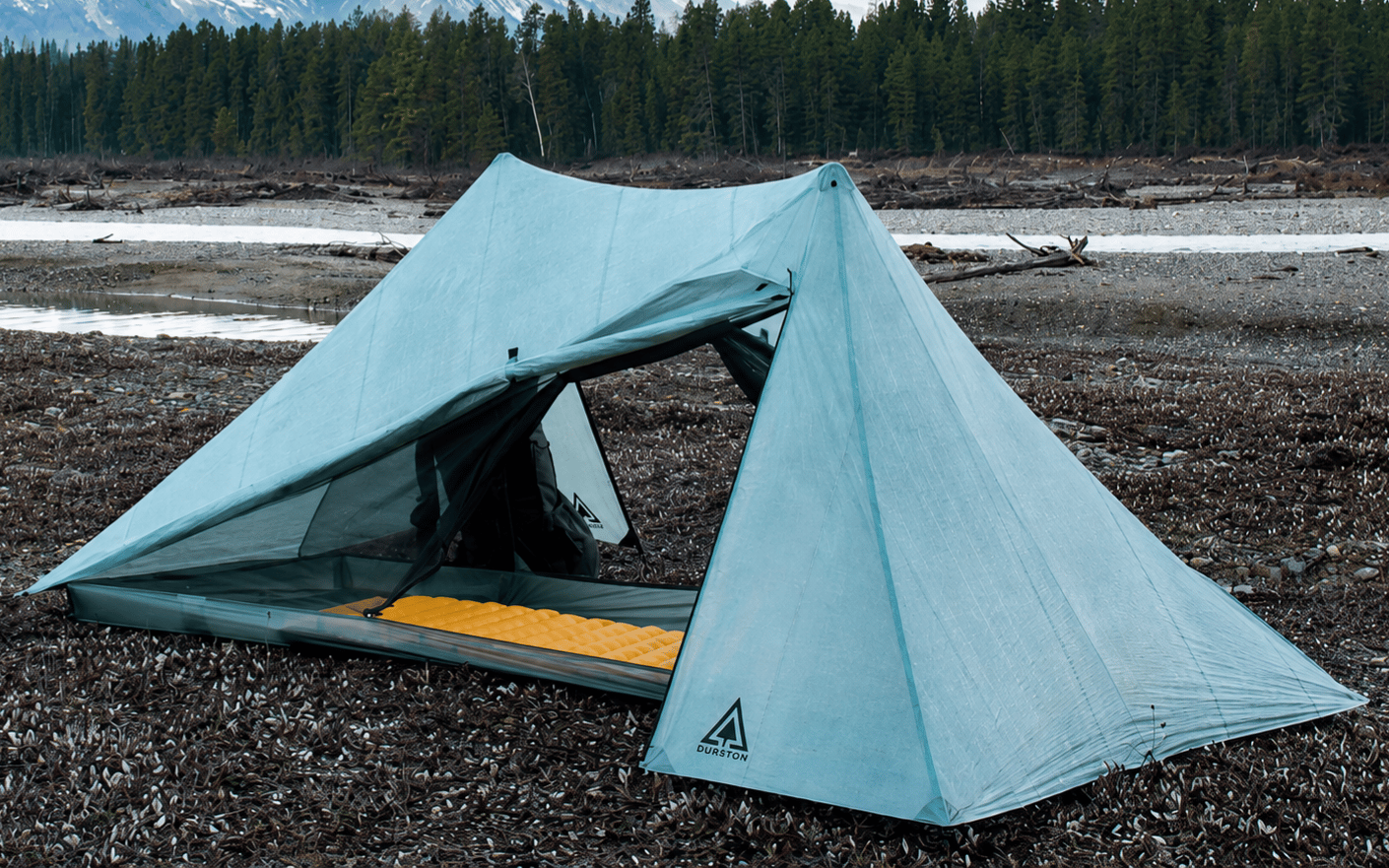
Best Ultralight Backpacking Tents
This guide compares the best ultralight backpacking tents, helping you choose a durable, weather-resistant shelter that balances weight and comfort for long-distance hikes.
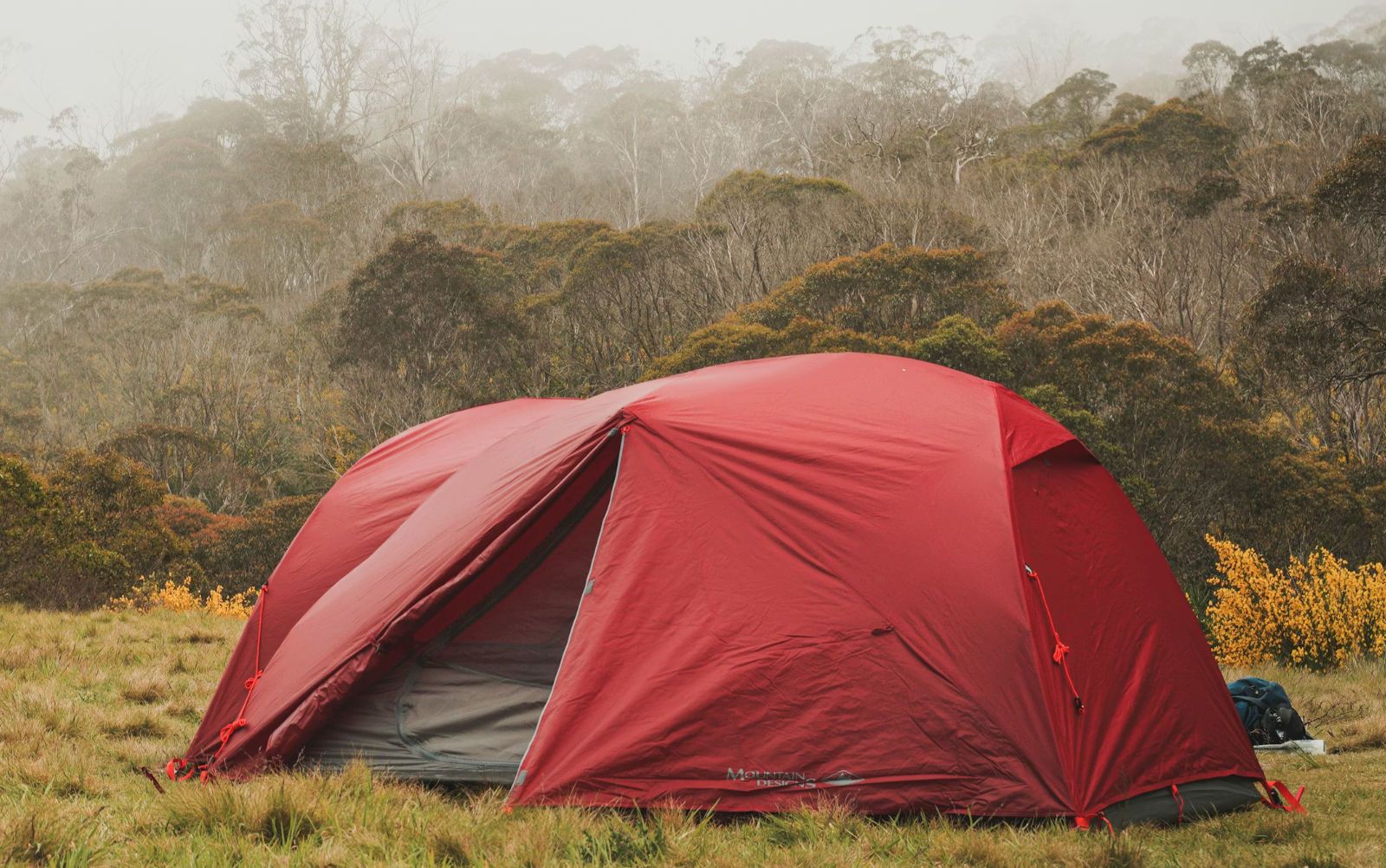
Best 2 Person Backpacking Tents
This guide compares top camping tents to help you find the best balance of comfort, durability, and ease of use for your outdoor adventures.
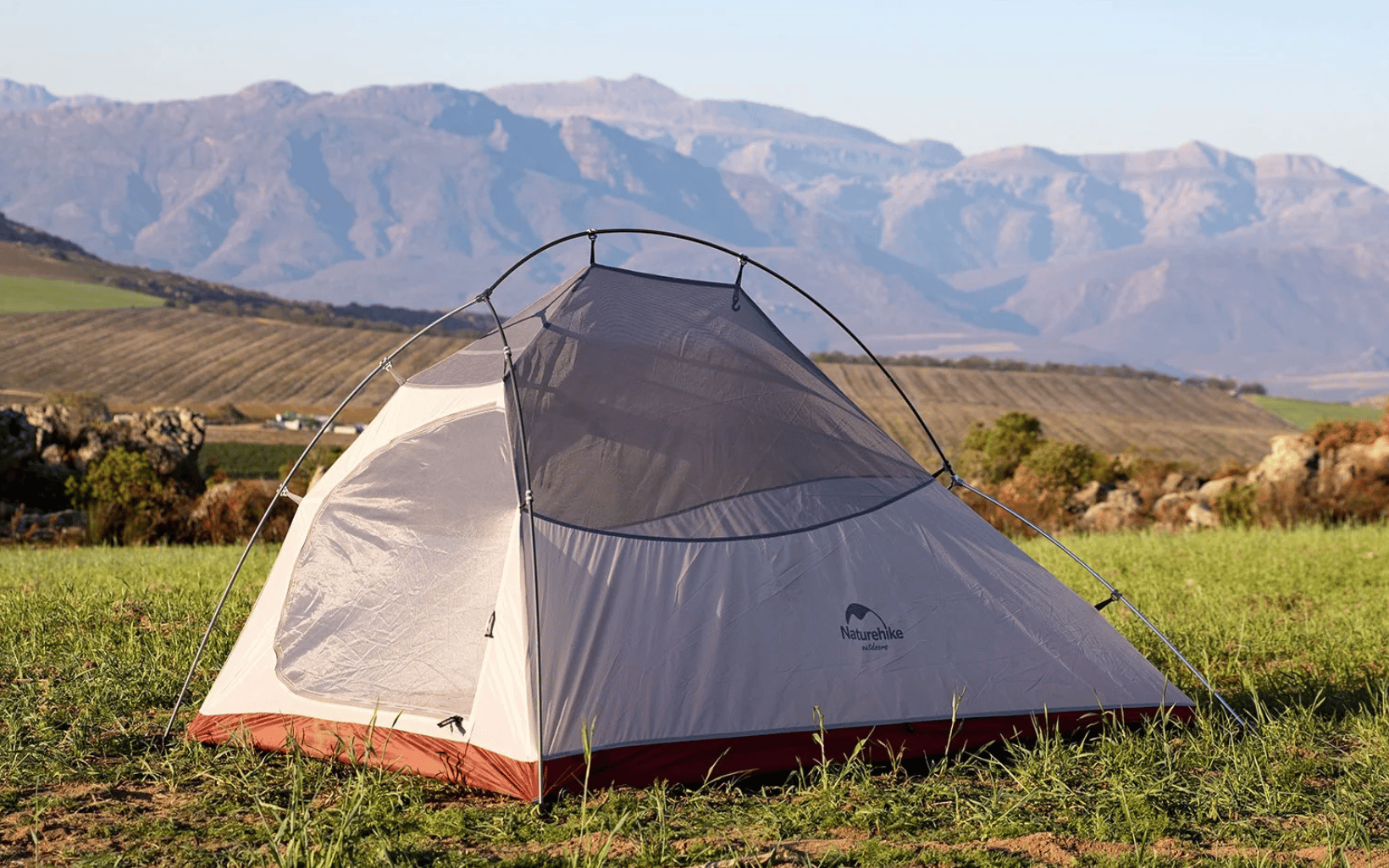
Best Budget Backpacking Tents
This guide compares the best budget backpacking tents, highlighting key features and tradeoffs to help you find the perfect shelter for your outdoor adventures.
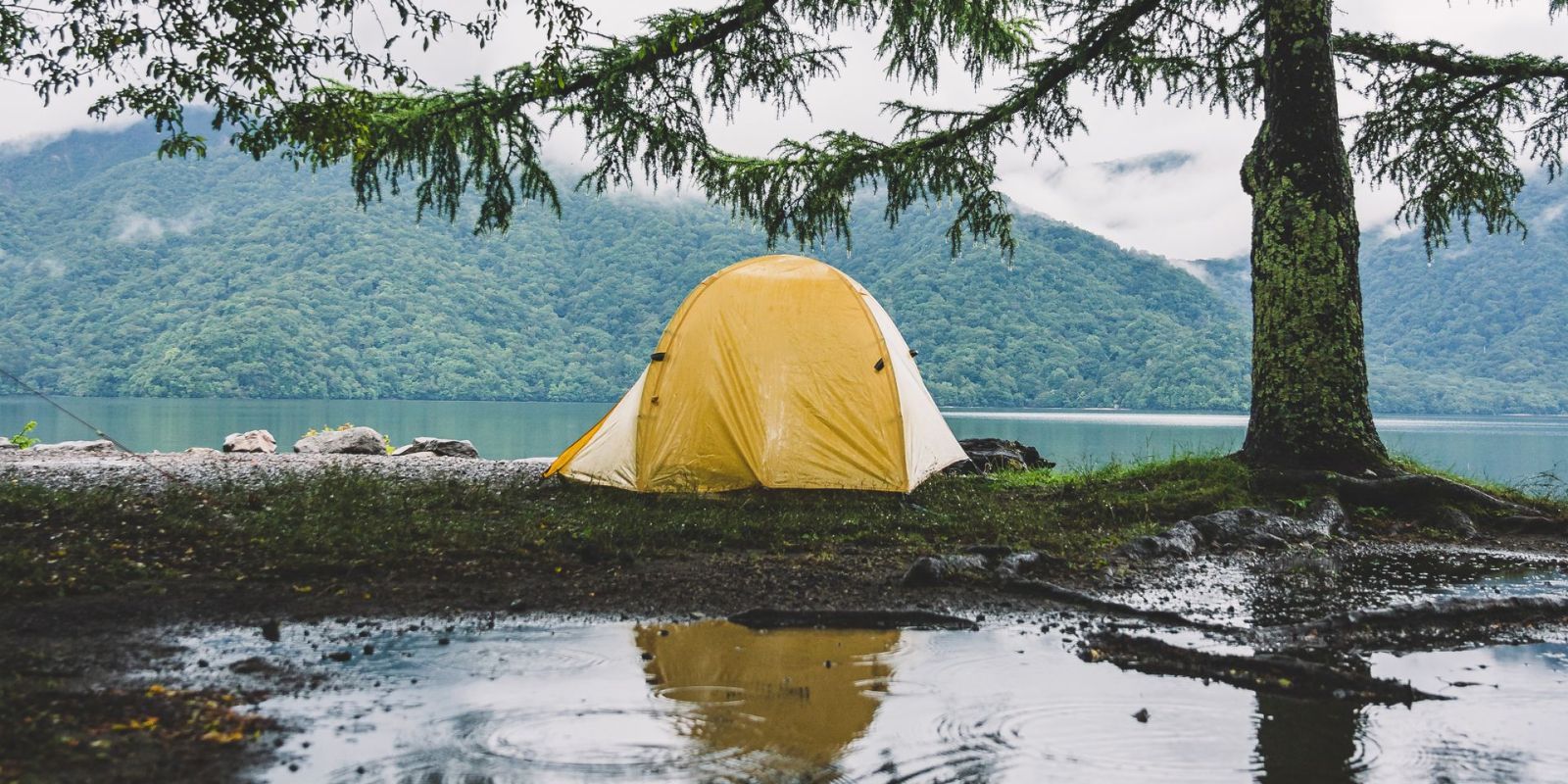
How to Choose a Backpacking Tent for Rain and Wind
Evaluate backpacking tents for rain and wind by fly and floor coverage, structure, seams, ventilation, guylines, stakes, site, and pitch quality.
Best Backpacking Tarps
This guide compares the best backpacking tarps, highlighting top options for durability, weather resistance, and lightweight design to help you choose the right shelter for your adventures.