
1-Person vs 2-Person Backpacking Tent: Which Is Better?
Choose between a 1-person and 2-person backpacking tent by carried weight, usable room, pad fit, gear storage, and campsite footprint.
Draft status: Step 9 completed on 2026-07-21. This is article prose only, not the final structured blog object. Representative manufacturer specifications remain outside the draft so current values can be checked during object construction.
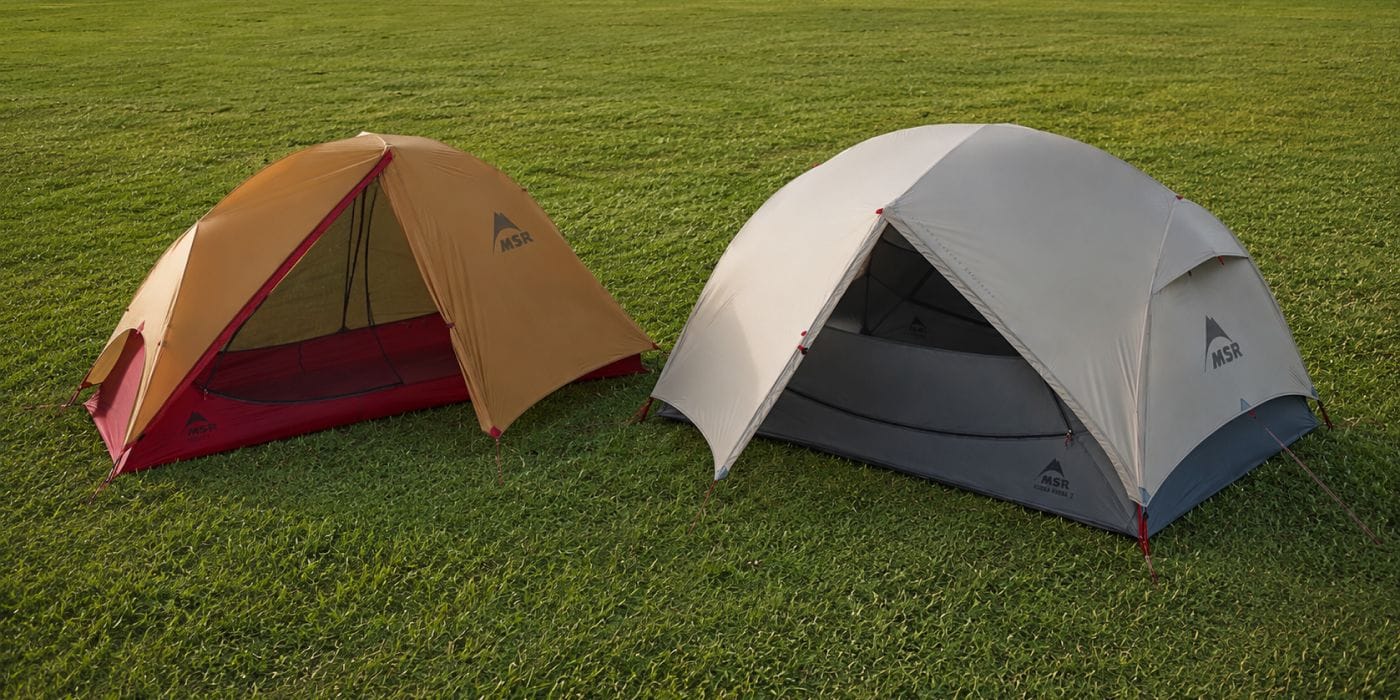
Choose a 1-person backpacking tent when lower carried weight, smaller packed size, and a compact campsite footprint matter most. Choose a 2-person tent for solo use when interior room, gear storage, wide-pad fit, or wall clearance justify the extra weight and footprint. For two sleepers, verify actual floor dimensions, taper, doors, and vestibules instead of trusting the capacity label alone.
Tent capacity is not a standardized comfort rating. The REI backpacking tent guide notes that there is no industry standard defining per-person dimensions. A roomy 1P and a tapered 2P can solve very different problems.
1-Person vs 2-Person Tent: Quick Comparison
| Factor | 1-person tent | 2-person tent | Verify before buying |
|---|---|---|---|
| Carried weight | Often lower within the same design family | Often higher | Minimum, packaged, and complete carried weight |
| Packed size | Often smaller | Often larger | Poles, stakes, footprint, and actual packed dimensions |
| Campsite footprint | Easier to place on small sites | Needs more flat ground | Floor plus vestibules and guylines |
| Solo room | Efficient but can be tight | More room for changing and gear | Pad width, taper, wall slope, peak location |
| Two-person use | Not intended | Capacity varies widely | Two pads, shoulder room, doors, vestibules |
| Weather handling | Model and pitch specific | Model and pitch specific | Structure, site, orientation, ventilation, guyout points |
| Price | Model specific | Often higher in the same line | Current price and included components |
When Does a 1-Person Tent Make Sense?
A 1P tent is often the cleaner choice for a solo hiker who values walking efficiency and camps on small or uneven sites. A smaller footprint can fit between rocks, roots, or established tent pads where a wider shelter cannot.
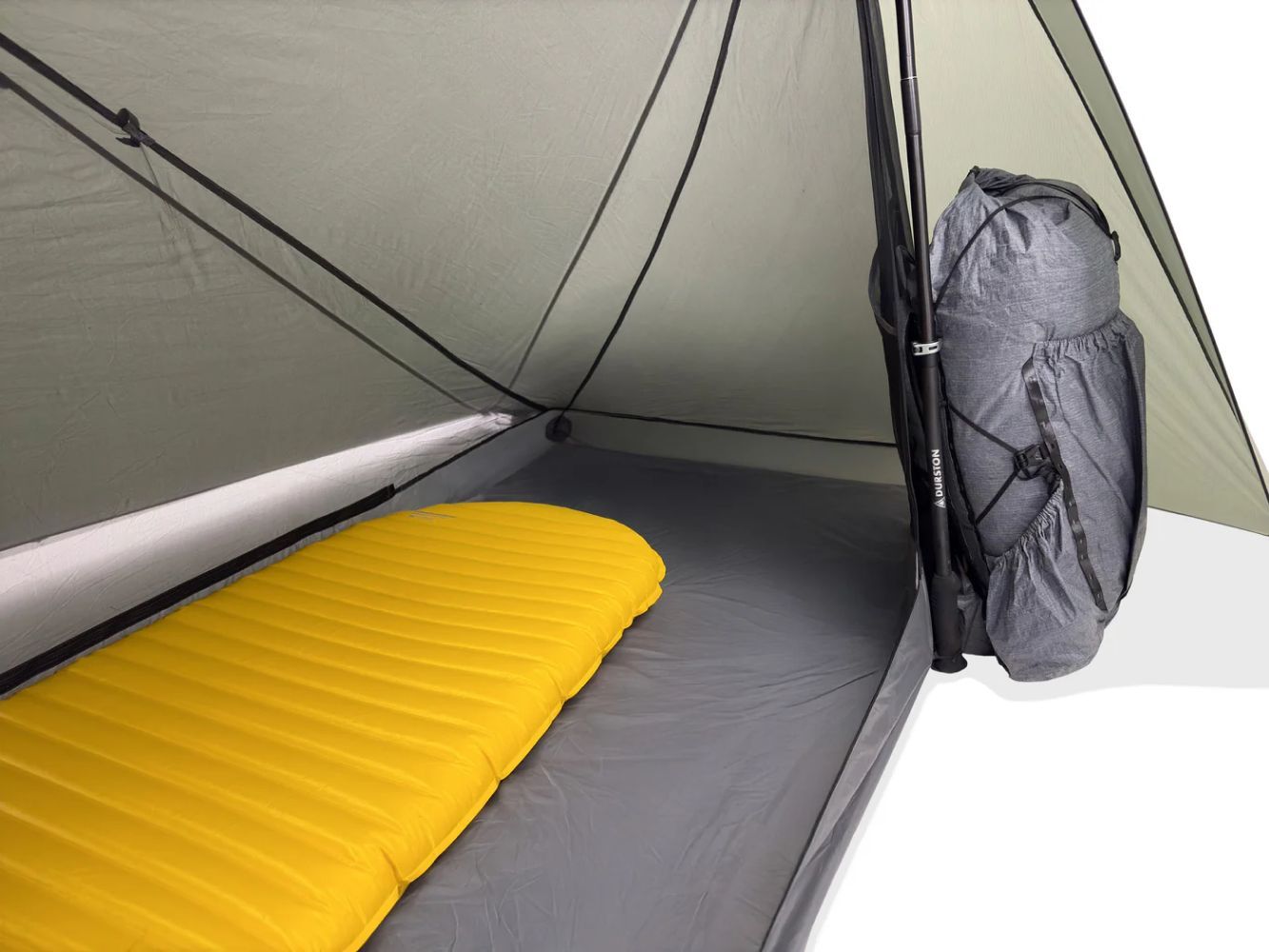
The tradeoff is livability. Check whether the sleeping pad fits without forcing the walls, whether head and foot clearance remain usable when lying down, and whether the vestibule can hold shoes and the pack without blocking entry or ventilation.
A 1P shelter is not automatically less storm-capable or more prone to condensation. Those outcomes depend on structure, fabric, pitch, ventilation, occupancy, and site. The smaller interior can make wall contact more likely, which is a comfort and moisture-management concern rather than proof of a leak.
When Does a 2-Person Tent Make Sense for One Person?
Solo hikers often choose a 2P for:
- A wide sleeping pad or large body dimensions.
- Room to change clothing during poor weather.
- Keeping more gear inside without touching the walls.
- Longer trips with more time in camp.
- Trips with a dog or occasional partner.
- A preference for two doors or larger vestibules.
The cost is more carried weight, packed volume, and campsite area. These differences are model-specific. Compare a 1P and 2P within the same family when possible, then compare the complete configurations you would actually carry.
Is a 2-Person Tent Really Comfortable for Two People?
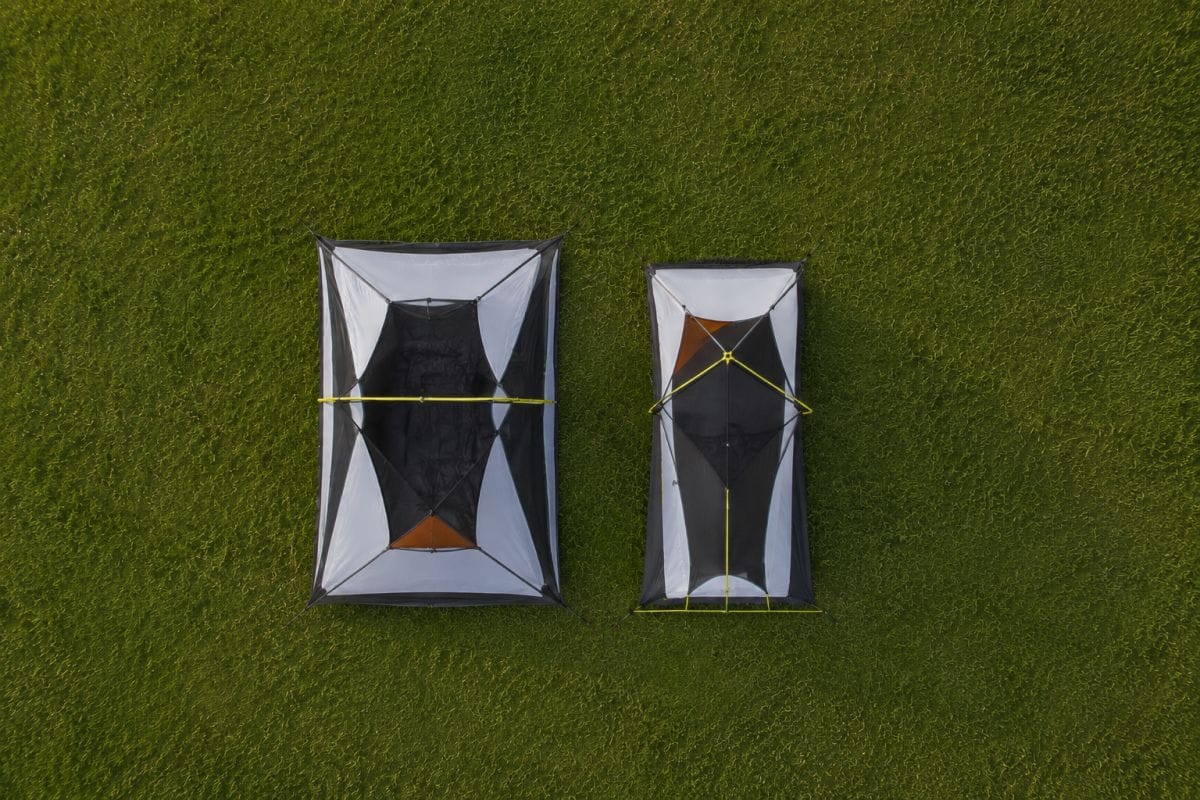
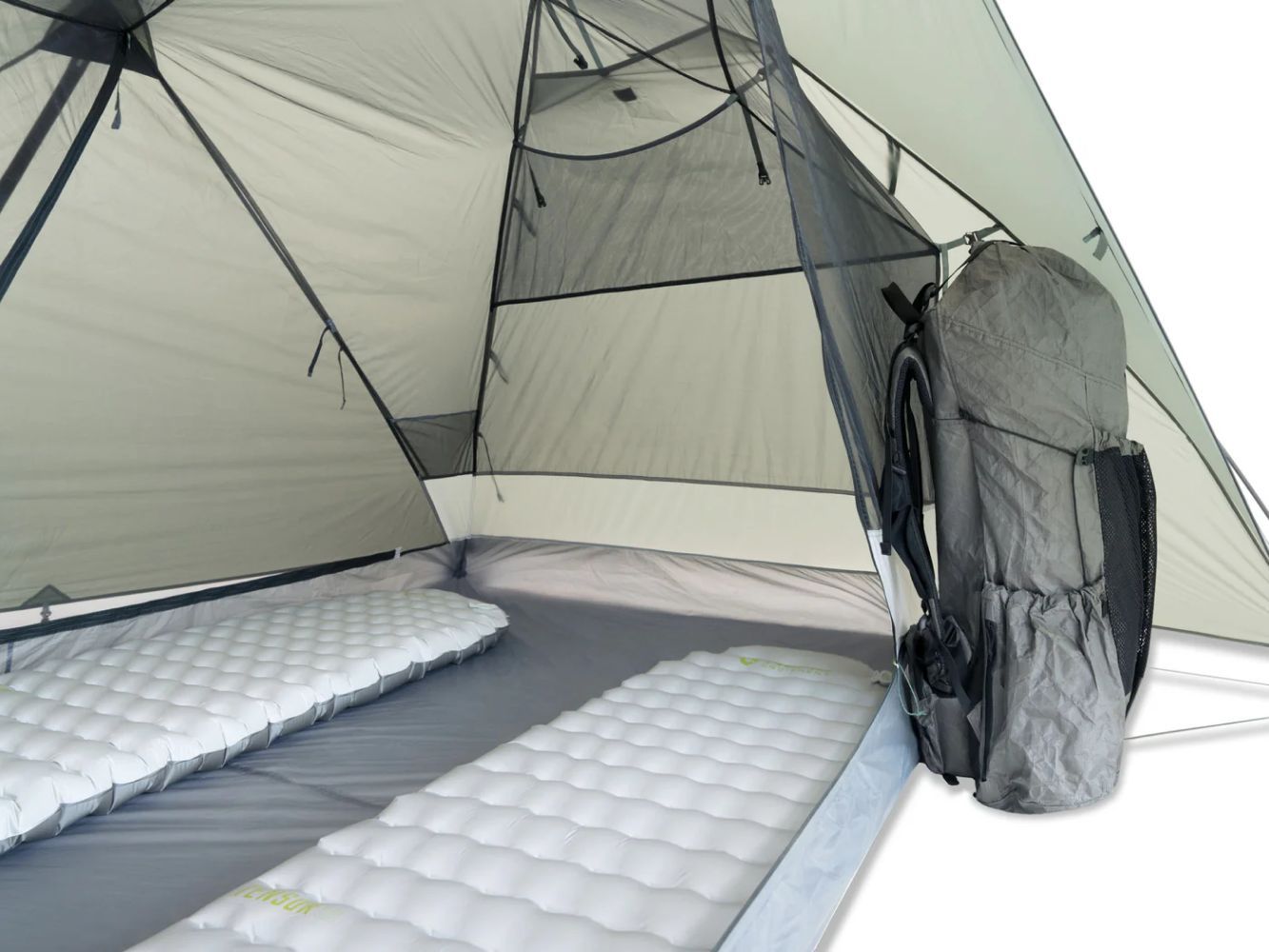
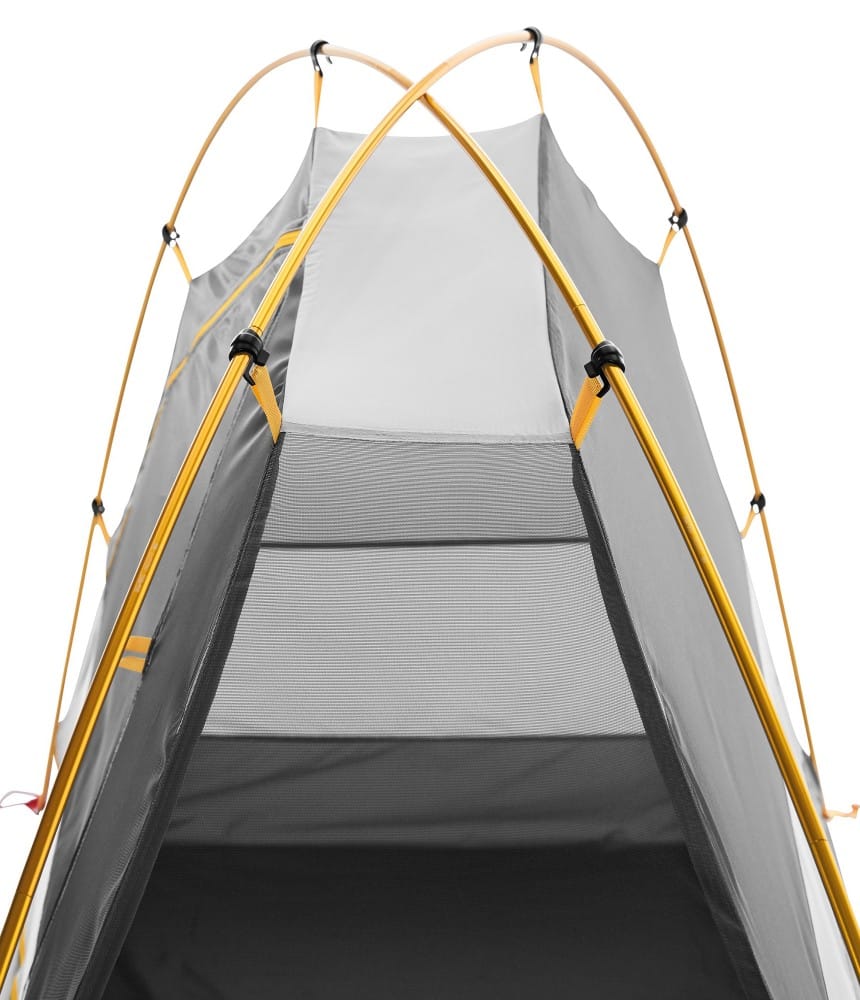
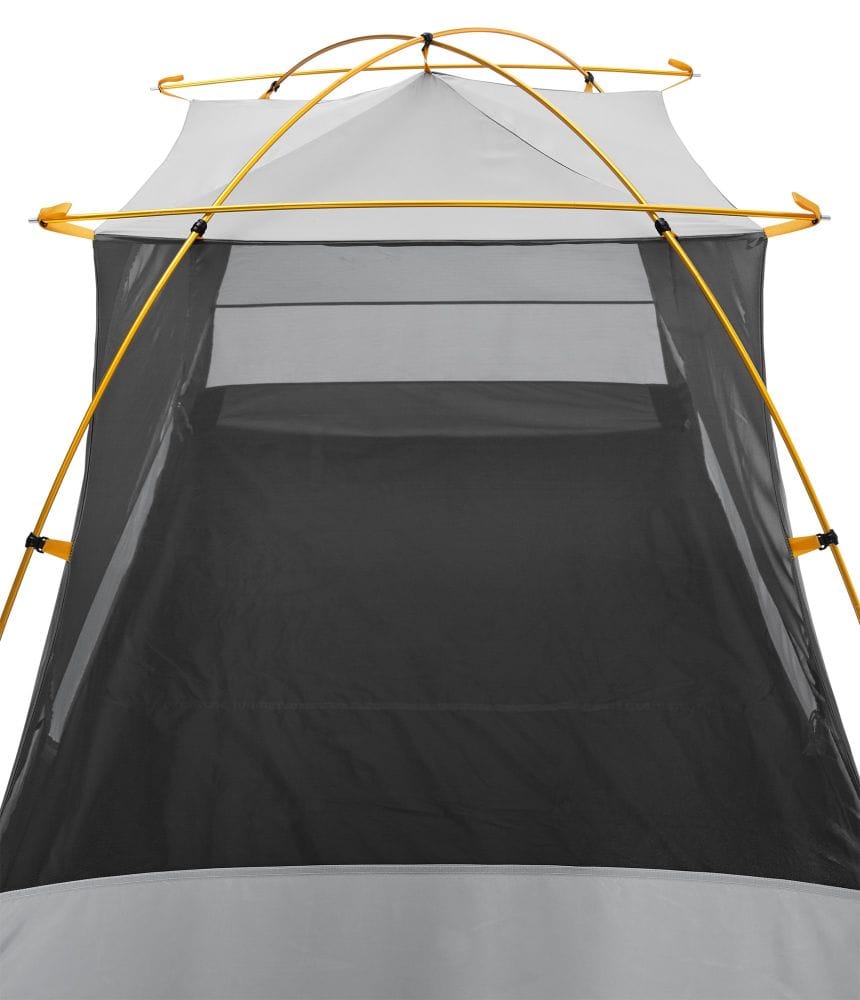
Sometimes, but the label alone does not answer. Lay out the actual pads using their listed widths and shapes. Check floor taper at both ends, not only maximum width. Then consider shoulder space, wall slope, door access, and where wet shoes and packs will go.
A 2P with two doors and two vestibules can reduce climbing over a partner and make gear organization easier. A tapered one-door design may save weight but feel more restrictive. If two people regularly share, divide the complete tent components deliberately and make sure no required poles or stakes are left behind.
Tent Specifications That Matter More Than Capacity
| Specification | Why it matters | Common mistake |
|---|---|---|
| Floor length | Determines head/foot clearance | Comparing only user height with the longest floor number |
| Floor width and taper | Determines pad fit | Using maximum width as if it applies everywhere |
| Peak height/location | Affects sitting and entry | Assuming one peak-height number describes all usable volume |
| Wall shape | Changes shoulder, head, and foot clearance | Ignoring sloped walls |
| Doors/vestibules | Controls entry and wet-gear storage | Counting vestibule area without checking shape and access |
| Complete carried weight | Reflects real components | Comparing minimum weight with packaged weight |
| Pitch footprint | Controls campsite fit | Looking only at interior floor dimensions |
| Ventilation | Influences moisture management | Treating mesh percentage as the whole answer |
Weather and Campsite Tradeoffs
Capacity should not be used as a shortcut for weather performance. A larger tent presents a larger footprint, but pole geometry, fabric tension, guylines, orientation, and site protection matter more than the 1P or 2P label.
Practice the full pitch before departure. Check that the fly is taut and separated from the inner where the design requires it, and use the manufacturer-specified weather configuration. If the site or forecast exceeds the shelter or users experience, choose a different plan rather than relying on nominal capacity.
Capacity does not replace weather design; use the rain-and-wind tent checklist and the condensation prevention guide for those separate decisions.
Which Size Should You Choose?
Choose 1P if you sleep comfortably in the verified dimensions, store gear effectively, and value low weight and a compact footprint. Choose 2P for solo use if additional space solves a real fit, gear, wall-contact, pet, or poor-weather-livability problem worth the added load.
For two people, evaluate actual bodies, pads, gear, doors, and vestibules. A “2P” label means intended capacity, not guaranteed comfort.
FAQ
Is a 2-person tent worth the extra weight for solo backpacking?
It can be when the extra room improves pad fit, wall clearance, gear storage, changing, or time in camp. Compare the actual added weight and footprint with the benefit.
Can two wide sleeping pads fit in a 2-person tent?
Only if the floor width and taper fit both pads at their actual dimensions. Check the narrow end and wall shape, not only maximum floor width.
Is a 1-person tent warmer?
Capacity alone does not establish warmth. Ventilation, fabric, wind, ground insulation, moisture, and sleep system matter. A smaller volume can feel different, but avoid a blanket warmth claim.
Is a 2-person tent better in rain or wind?
Not automatically. Structure, fly coverage, seams, pitch, guylines, stakes, orientation, site, and user skill determine weather performance.
Where should a backpack go in a 1-person tent?
Use the vestibule or interior only as the design and conditions allow, keeping exits and ventilation clear. Protect critical dry gear even if the pack remains outside the sleeping area.
How much heavier is a 2-person tent?
There is no universal difference. Compare current 1P and 2P specifications using the same weight definition and all components you will carry.
Related Guides
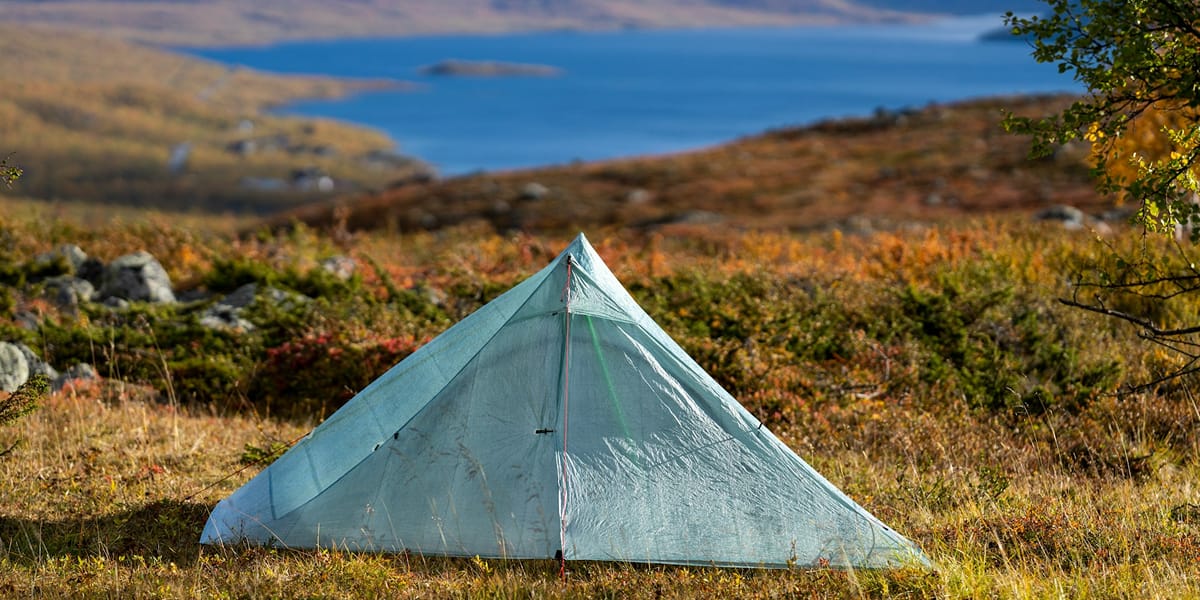
How Much Should a Backpacking Tent Weigh?
Understand backpacking tent weight ranges, packed weight vs trail weight, and when a heavier shelter is worth carrying.
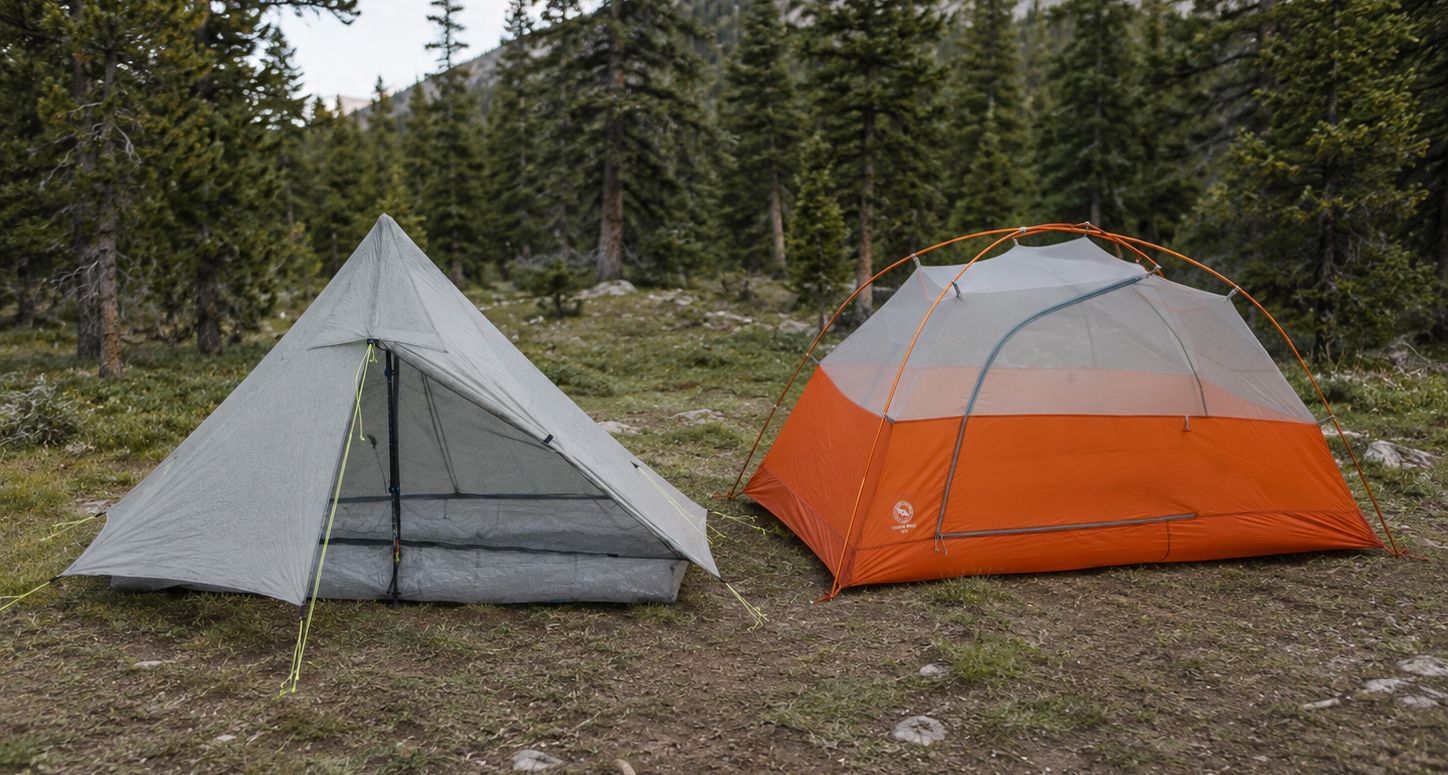
Freestanding vs Trekking Pole Tents: Which Should You Choose?
Decide between freestanding and trekking pole backpacking tents by setup style, campsite surfaces, weather, weight, and comfort.
Best 2 Person Backpacking Tents
Compare 2-person backpacking tents by weight, livable space, floor area, peak height, packed size, doors, vestibules, ventilation, and weather protection.
Best Backpacking Tents Of 2026
Compare backpacking tents for solo and two-person trips by weight, livable space, packed dimensions, setup style, pole system, ventilation, and weather protection.
How to Choose a Backpacking Tent for Rain and Wind
Evaluate backpacking tents for rain and wind by fly and floor coverage, structure, seams, ventilation, guylines, stakes, site, and pitch quality.
How to Prevent Condensation in a Backpacking Tent
Learn why tent condensation forms, how to distinguish it from a leak, and which ventilation, campsite, pitch, and drying choices reduce moisture.