
How to Prevent Condensation in a Backpacking Tent
Learn why tent condensation forms, how to distinguish it from a leak, and which ventilation, campsite, pitch, and drying choices reduce moisture.
Draft status: Step 9 completed on 2026-07-21. This is article prose only, not the final structured blog object. The draft preserves uncertainty when distinguishing condensation from leaks and follows CPSC combustion guidance.
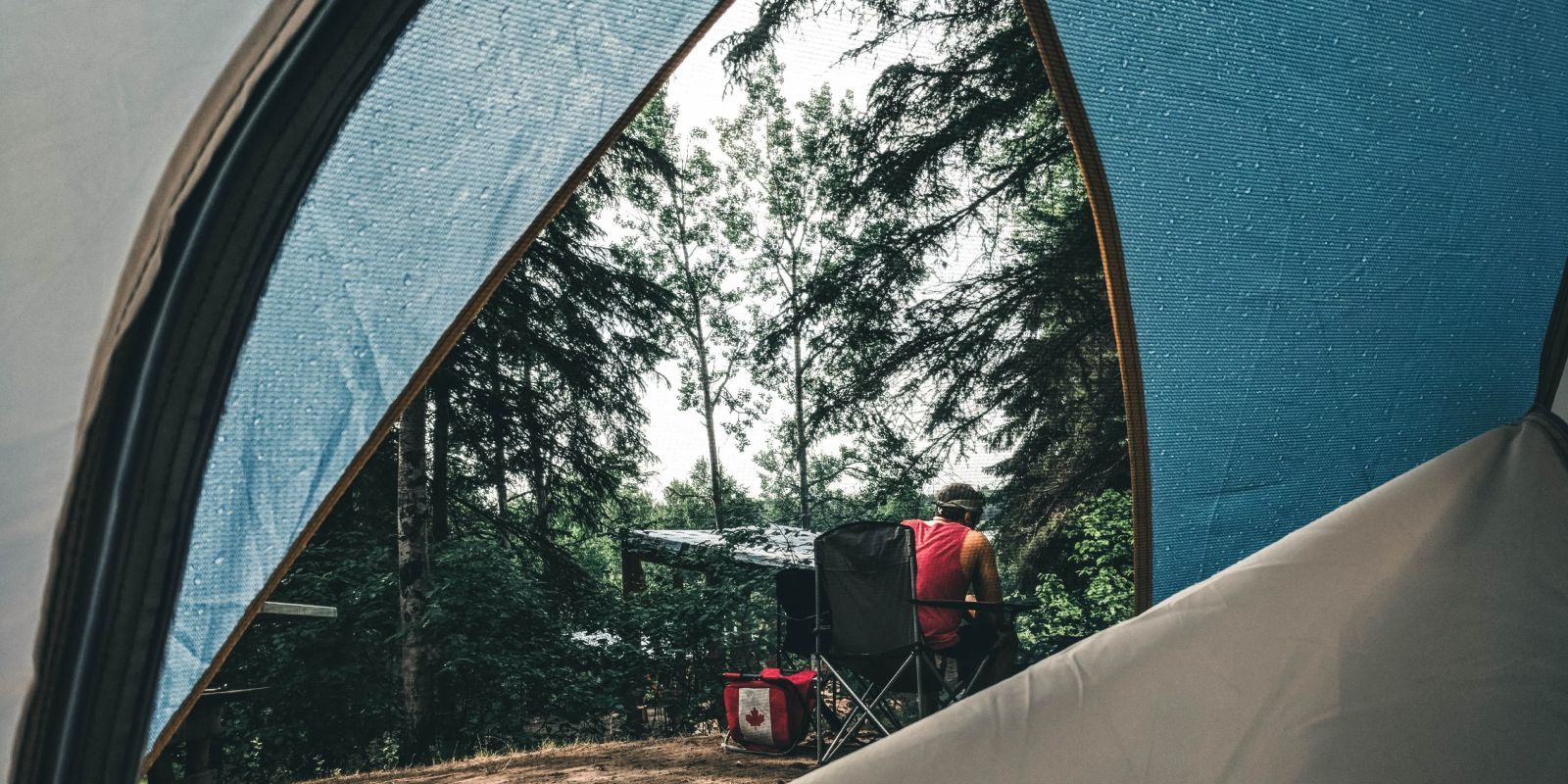
You cannot prevent all tent condensation, but you can reduce it by maximizing safe ventilation, avoiding low damp sites when possible, pitching the shelter with proper fabric tension and vent clearance, keeping wet gear out of the sleeping area, and limiting contact with cold walls. Wipe or shake moisture off and dry the tent when conditions allow.
A wet tent interior does not automatically mean the fabric leaked. Condensation can form in clear weather because breathing, bodies, damp ground, wet gear, cooking moisture nearby, and humid air add water vapor that reaches a colder tent surface.
Why Does Condensation Form Inside a Tent?
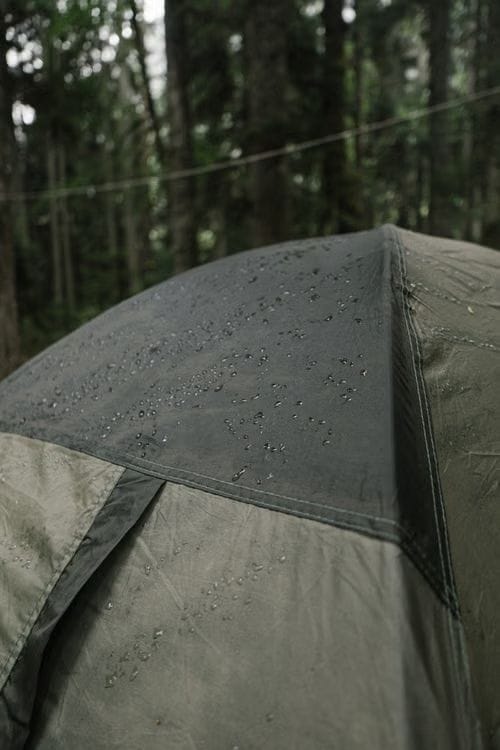
The MSR condensation guide explains that water vapor becomes liquid when warm humid air reaches a colder surface. Higher humidity and a larger temperature difference can increase the effect.
Common moisture sources include:
- Breath and body heat from occupants.
- Wet clothing, shoes, packs, or pets.
- Damp soil and nearby water or vegetation.
- Rain on a cooling fly.
- Limited airflow during calm or closed-up conditions.
Every tent can condense to some degree. The practical goal is to move humid air out, keep occupants away from wet surfaces, and manage moisture that still forms.
Is the Tent Condensing or Leaking?
| Pattern | More consistent with condensation | More consistent with a leak | Next check |
|---|---|---|---|
| Broad film on cool inner fly | Yes | Less specific | Ventilation, occupancy, humidity, wall contact |
| Moisture after a dry clear night | Yes | Less likely | Ground moisture, dew, closed vents |
| Local drip at a seam during rain | Possible runoff | Possible | Seam, damage, tension, water path |
| Wet area where gear touches wall | Yes, contact transfer | Possible | Restore wall clearance and inspect exterior |
| Water entering at door in wind | Less typical | Wind-driven rain/splash | Door orientation, fly, vent, pitch |
| Floor moisture in pooled site | Condensation possible | Pressure, damage, or site water possible | Groundsheet, floor, site, abrasion |
These are clues, not a remote diagnosis. Dry and inspect the shelter, reproduce the condition safely if possible, and follow current manufacturer care and warranty guidance.
Increase Ventilation Without Exposing the Interior
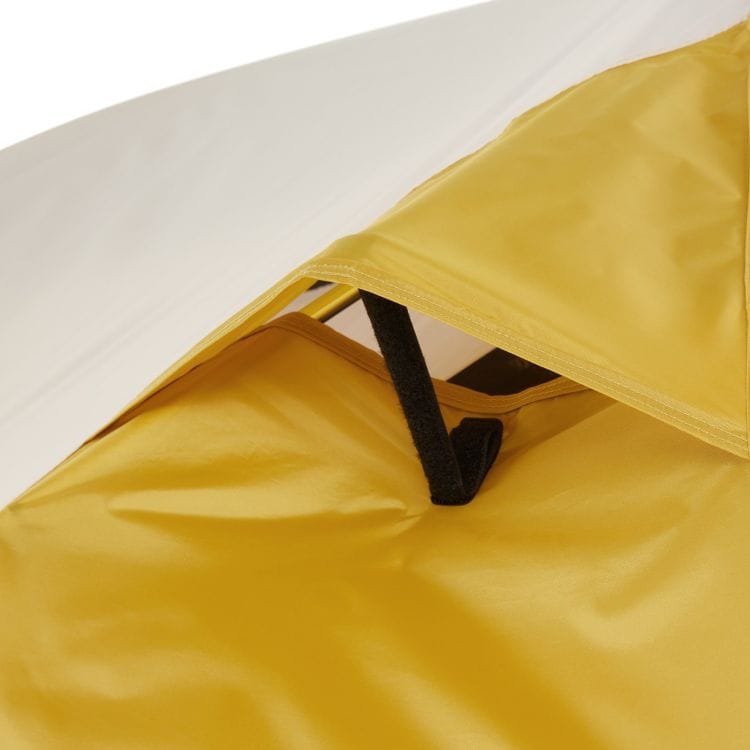
Airflow is the main condensation control. Open designed vents, create high and low airflow paths, and use partial door openings when rain and insects allow. Two-door tents can use cross-flow by opening protected portions on opposite sides.
Avoid blocking vents with gear or pushing the fly against the inner. Keep the fly clearance specified by the design. In severe rain, you may need to reduce an opening to stop splash; reopen airflow when conditions allow.
Ventilation can reduce condensation, not guarantee zero moisture. Very humid, rainy, cold, or calm conditions may overwhelm the available airflow.
Choose a Less Condensation-Prone Campsite
The REI tent setup guide recommends higher, drier ground and avoiding low places where cool damp air and rainwater can collect. Where rules and safety allow:
- Use established sites and durable surfaces.
- Avoid drainage channels and depressions.
- Keep appropriate distance from lakes and streams.
- Seek safe natural protection without camping under damaged limbs.
- Consider airflow while avoiding excessive exposure.
Site safety, land-manager rules, wildlife requirements, and storm hazards come before condensation convenience.
Pitch the Tent for Moisture Management
A correct pitch creates the airflow and separation the design expects.
- Tension the shelter evenly.
- Secure fly attachments around poles where provided.
- Stake the fly away from the inner.
- Use appropriate guylines to control panels and ventilation gaps.
- Recheck tension after rain because some fabrics stretch when wet.
- Keep sleeping bags, quilts, and clothing away from cold walls.
The Big Agnes tent tips also emphasize taut setup, fly/body separation, vents, and cross-ventilation while acknowledging that condensation can still occur.
Manage Wet Gear and Interior Moisture
Store wet shoes, rainwear, and packs in the vestibule when the tent design, ventilation, wildlife rules, and exit access allow. Protect the sleep system in dry storage and avoid pressing it into wet walls.
Do not try to solve condensation with an improvised heater or stove in the sleeping enclosure. The CPSC carbon-monoxide guidance warns against fuel-burning camping equipment in tents unless the equipment is specifically designed and instructed for enclosed use. Follow the equipment instructions and keep combustion out of the sleeping area.
Single-Wall vs Double-Wall Condensation
Both designs can condense.
In a double-wall tent, moisture commonly forms on the rainfly while the inner helps keep occupants separated from it. In a single-wall tent, the waterproof wall is also the interior surface, so ventilation and avoiding contact may be more noticeable concerns.
Design details matter more than the label alone: vent placement, interior volume, wall angle, door configuration, pitch, occupants, fabric, and weather all affect how moisture is experienced.
If you are still selecting the shelter type, compare backpacking tarps separately and use the rain-and-wind tent guide for weather structure decisions.
What to Do in the Morning
- Wipe interior moisture with an absorbent cloth if practical.
- Shake or flick water from the fly away from dry gear.
- Separate wet fly and dry inner components when the design allows.
- Air or sun-dry during a safe break.
- Never store the tent long-term while damp.
MSR notes that damp storage can contribute to mold and material damage. A wet morning pack is sometimes unavoidable; the important step is drying at the next safe opportunity.
FAQ
Why is my tent wet inside when it did not rain?
Breath, bodies, damp ground, wet gear, and humid air can condense on cold tent surfaces even under a clear sky.
Can tent condensation be completely stopped?
No. Ventilation, site, pitch, and moisture management reduce it, but some combinations of humidity, temperature, rain, and calm air will still produce condensation.
Should tent vents stay open in rain?
Keep designed vents open when they remain protected and safe. Adjust doors or openings to prevent wind-driven rain, then restore airflow when possible.
Are single-wall tents worse for condensation?
Both single- and double-wall tents condense. Single-wall users may contact the wet surface more directly, while double-wall inners create separation. Specific design and setup matter.
How can I tell condensation from a leak?
Broad moisture across cold surfaces and wetness after a dry night suggest condensation; localized water at a seam, opening, damage point, or during wind-driven rain warrants leak inspection. No single clue is conclusive.
Does camping near water increase condensation?
It can increase local humidity, but weather, terrain, airflow, and ground moisture also matter. Follow land rules and choose safe durable sites before optimizing for dryness.
How do I keep my sleeping bag away from wet walls?
Verify usable tent length, tension the shelter correctly, organize gear to preserve clearance, and choose capacity that fits the sleeper and pad.
Should I wipe condensation before packing?
Wipe or shake off what is practical and dry the tent when conditions allow. If packed wet, separate wet components from insulation and dry them at the next safe opportunity.
Related Guides
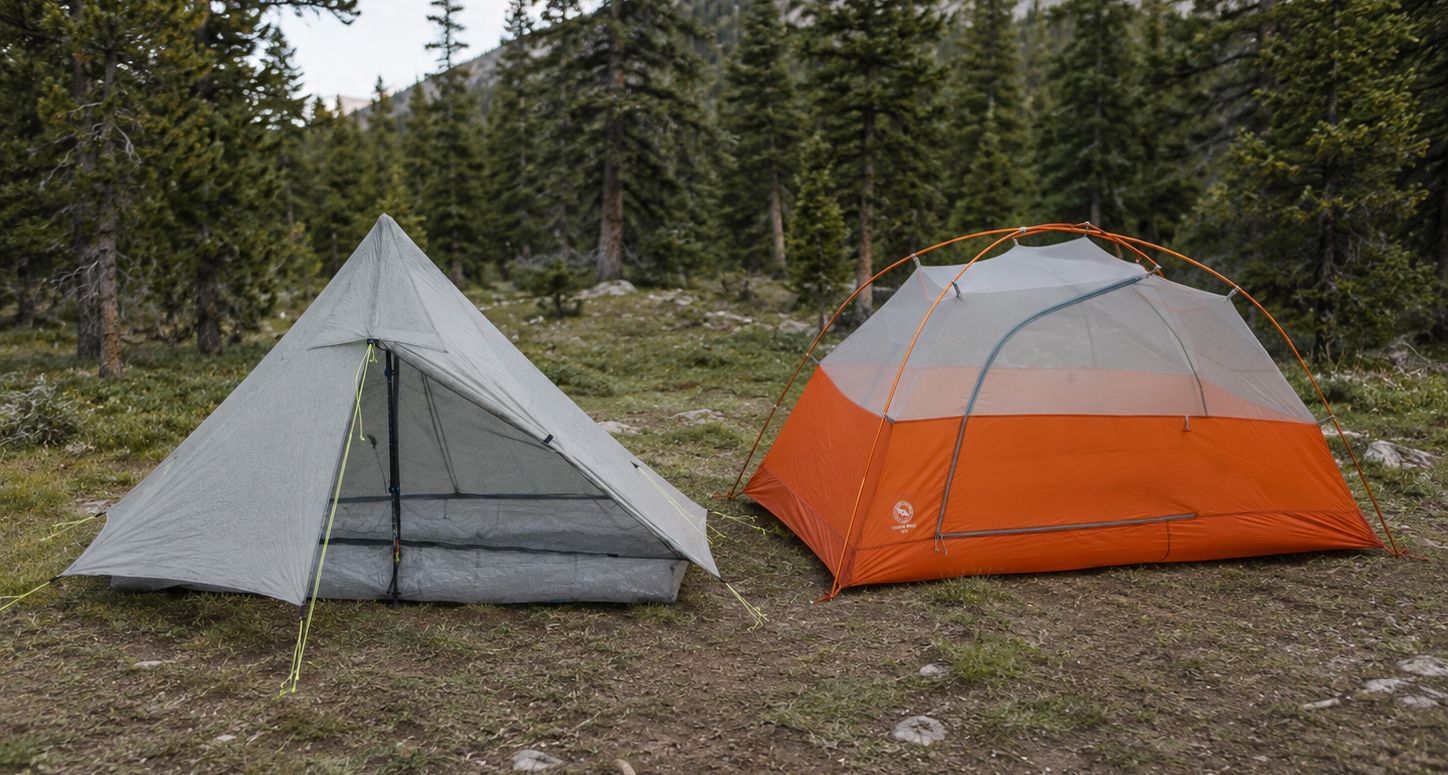
Freestanding vs Trekking Pole Tents: Which Should You Choose?
Decide between freestanding and trekking pole backpacking tents by setup style, campsite surfaces, weather, weight, and comfort.
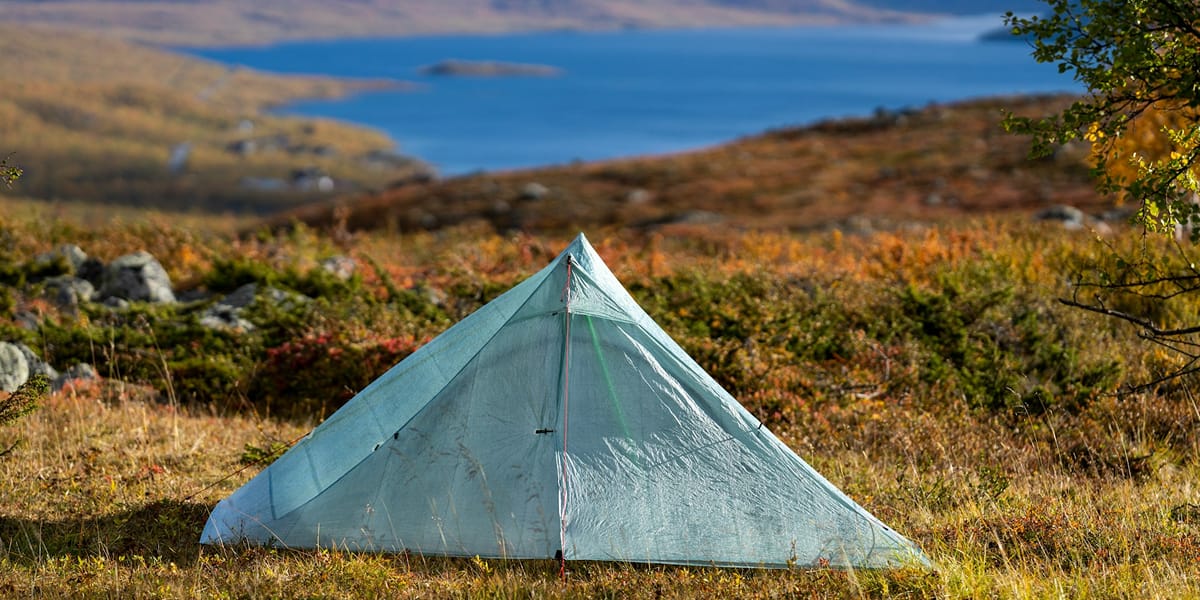
How Much Should a Backpacking Tent Weigh?
Understand backpacking tent weight ranges, packed weight vs trail weight, and when a heavier shelter is worth carrying.
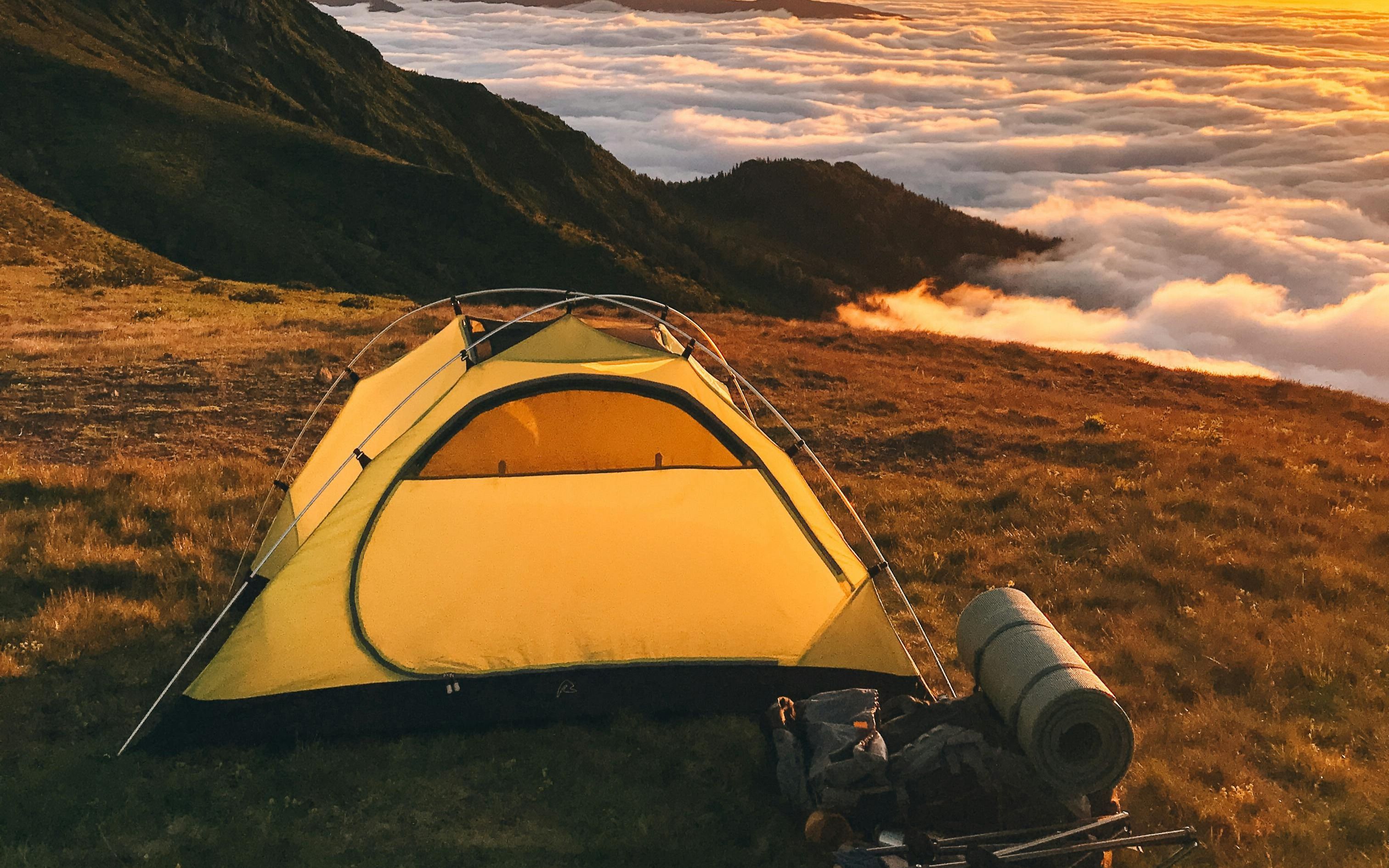
Best Backpacking Tents Of 2026
Compare backpacking tents for solo and two-person trips by weight, livable space, packed dimensions, setup style, pole system, ventilation, and weather protection.
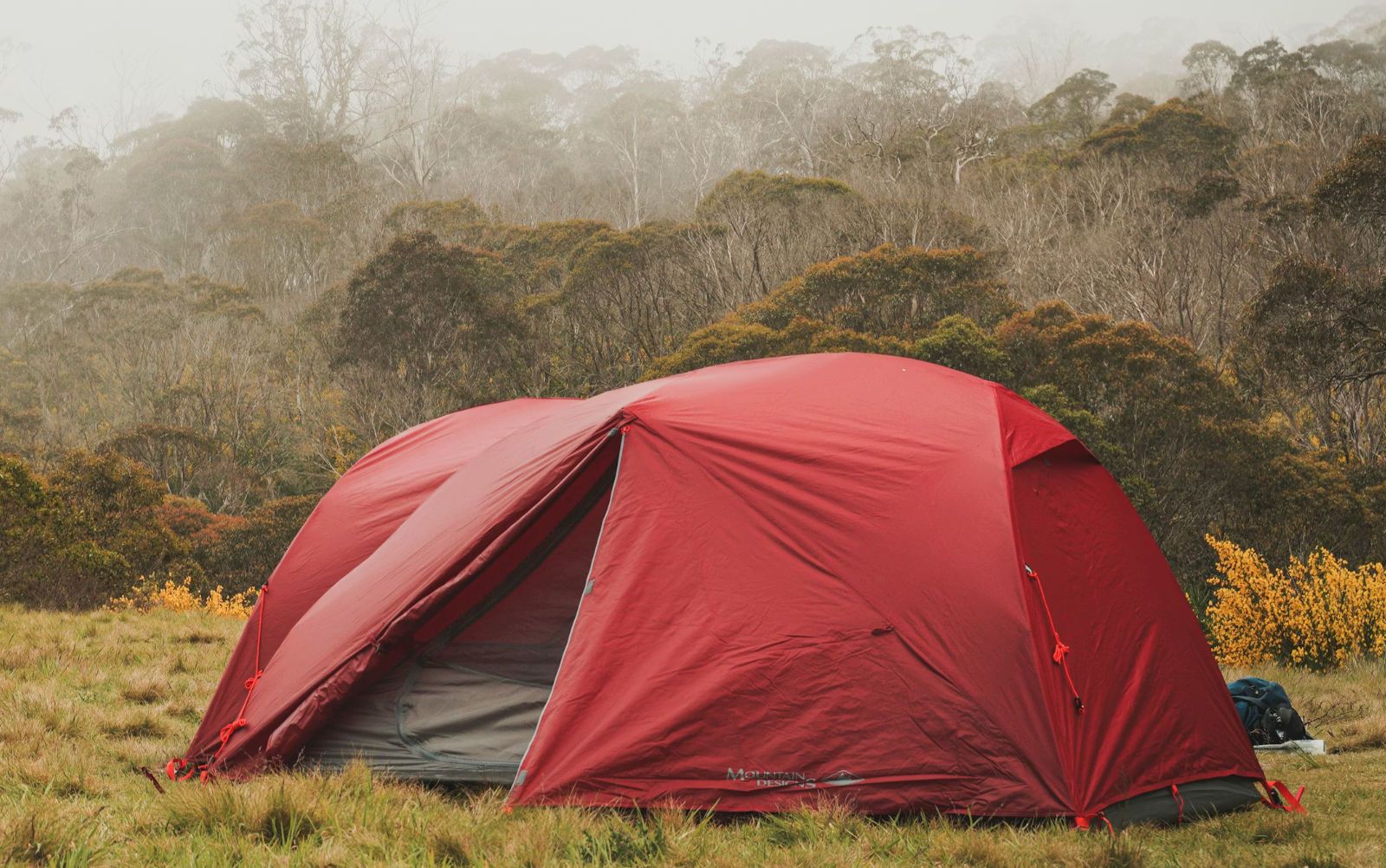
Best 2 Person Backpacking Tents
Compare 2-person backpacking tents by weight, livable space, floor area, peak height, packed size, doors, vestibules, ventilation, and weather protection.
How to Choose a Backpacking Tent for Rain and Wind
Evaluate backpacking tents for rain and wind by fly and floor coverage, structure, seams, ventilation, guylines, stakes, site, and pitch quality.
Best Backpacking Tarps
This guide compares the best backpacking tarps, highlighting top options for durability, weather resistance, and lightweight design to help you choose the right shelter for your adventures.