
How to Reduce Backpacking Pack Weight Without Sacrificing Safety
Lower backpacking pack weight with a practical shakedown process that cuts unnecessary items before safety margin.
Draft status: Step 9 completed on 2026-07-04. This is article prose only, not the final structured blog object. Internal guide slugs still need verification before object build.
To reduce backpacking pack weight safely, weigh every item, separate base weight from food and water, cut duplicates first, right-size bulky gear for the trip, and upgrade expensive items last. Do not cut core safety systems such as insulation, shelter protection, water treatment, navigation, first aid, repair, lighting, and weather layers.
Lighter packs are useful because they can reduce fatigue, improve comfort, and make long climbs feel more manageable. But lighter is only better when the kit still matches the route. The goal is not to win a spreadsheet. The goal is to carry less unnecessary weight while keeping enough margin for weather, injury, navigation, water, and the unexpected.
The REI ultralight backpacking guide recommends weighing gear and understanding tradeoffs before replacing equipment. The NPS Ten Essentials and REI Ten Essentials are the safety backstop: choose lighter versions when possible, but do not remove the systems.
Start With a Pack Weight Audit
Before buying anything, find out what your pack actually weighs and where the weight lives.
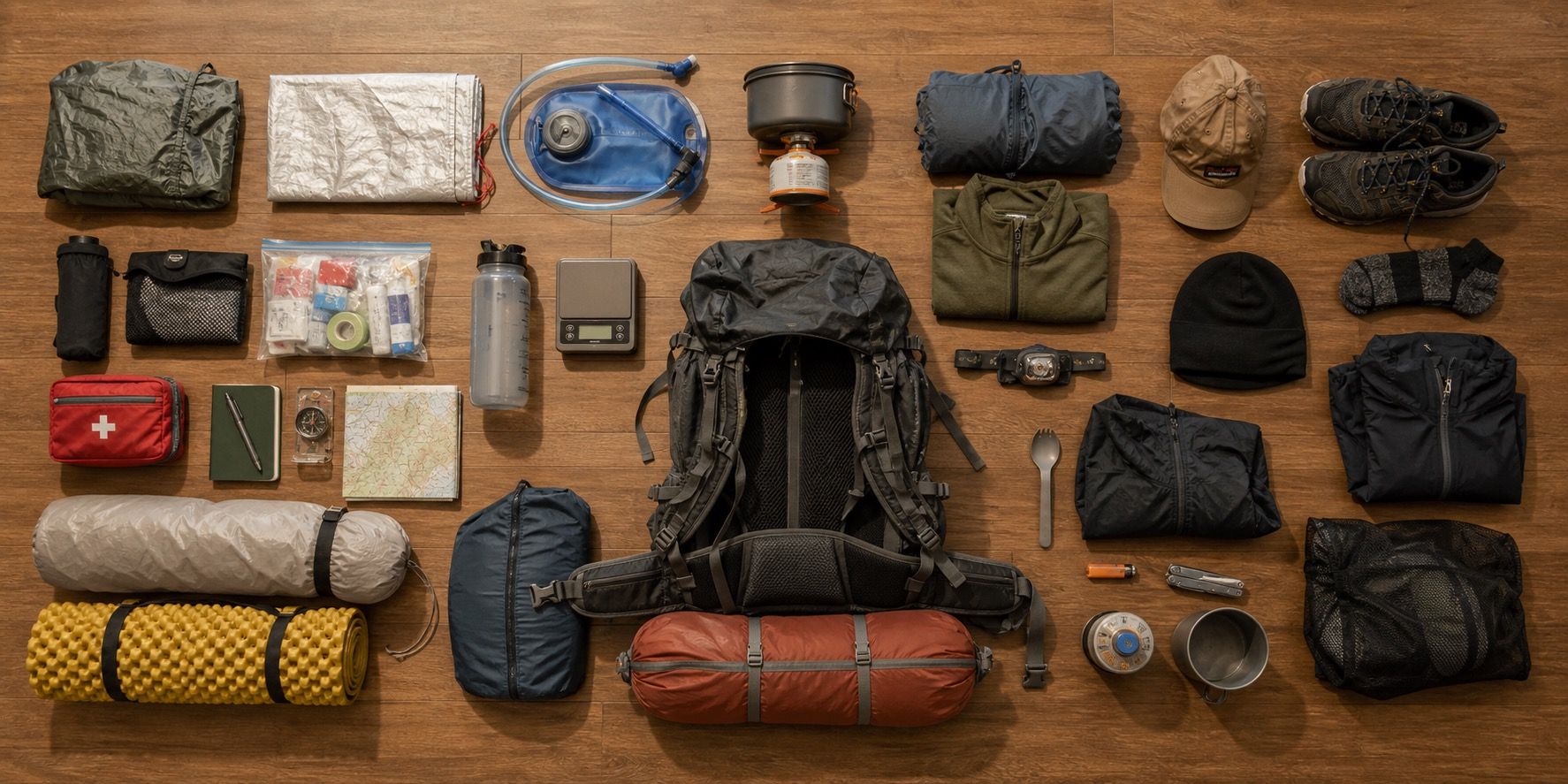
- Empty your pack and lay out every item.
- Weigh each item with a kitchen scale or luggage scale.
- Group items by system: shelter, sleep, pack, clothing, kitchen, water, safety, electronics, hygiene, and personal.
- Mark food, water, and fuel as consumables.
- Mark worn clothing and carried-in-hand items separately.
- Add the carried non-consumable gear to calculate base weight.
- Add food, water, and fuel separately to estimate starting total pack weight.
- Circle duplicates, oversized items, and things you did not use on your last trip.
This audit usually reveals easier savings than a new tent. Extra clothing, full-size toiletries, redundant stuff sacks, too much cookware, and oversized electronics can hide pounds.
Cut Duplicates Before Buying New Gear
The safest first cuts are items doing the same job twice.
| Category | Common weight source | Cut first | Do not cut |
|---|---|---|---|
| Clothing | Extra outfits, duplicate insulation | Spare shirts, extra pants, redundant layers | Warmth and rain protection needed for expected conditions |
| Kitchen | Extra pots, bowls, utensils | Duplicate cookware and full-size containers | A reliable cooking method if hot food/water is part of the plan |
| Hygiene | Full-size bottles and packaging | Repackage into small containers | Toilet kit and hygiene basics |
| Electronics | Too many cables, large batteries | Duplicate cords, entertainment extras | Navigation power and headlamp needs |
| Safety | Bloated generic kits | Duplicate items and packaging | First aid, repair, fire starter, emergency shelter, light |
| Storage | Too many stuff sacks | Extra bags that do not protect critical gear | Dry protection for sleep system and required food storage |
Do not make the first shakedown about cutting a toothbrush in half. That can save grams, but most overloaded packs are heavy because entire systems are duplicated, oversized, or mismatched to the route.
Right-Size the Big Gear
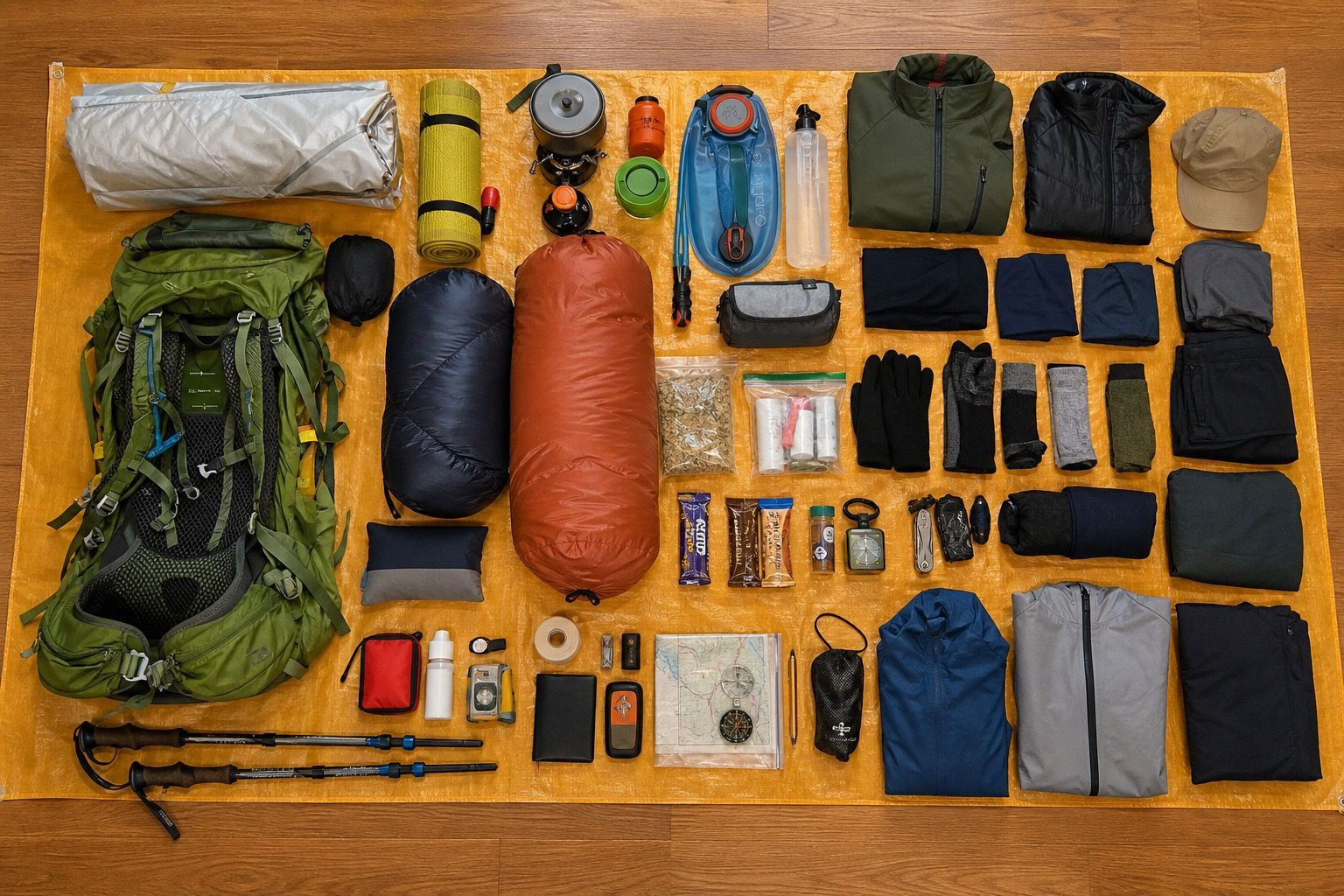
The biggest fixed-weight categories are usually shelter, sleep system, backpack, and sometimes stove/cookware and water carry. REI often calls the pack, tent, sleeping bag, and sleeping pad the Big Four because replacing those items can produce large savings.
Shelter
A lighter tent, tarp, or trekking-pole shelter can save real weight. It is only an upgrade if you can pitch it well and it fits the weather, bugs, ground, and campsite rules. Do not drop stakes or guylines required for the shelter to work.
Sleep system
Match the sleeping bag or quilt and pad to expected lows. Cutting warmth is one of the fastest ways to make a light kit miserable. A warmer pad may be more useful than extra clothing if cold ground is the problem.
Backpack
A lighter backpack makes sense after the rest of your gear is smaller and lighter. Replacing the pack first can backfire if the new pack cannot comfortably carry your current load.
Stove and cookware
Simplify meals before overhauling the stove. A solo pot, small stove, and simple utensil may be enough. Group cooking, winter trips, and real simmering need more capacity and stability.
Water carry
Water is consumable, but water capacity is gear. Carry enough bottles or reservoir space for the route, not for fear. On water-rich trails, excess capacity can stay empty. On dry routes, extra capacity may be essential.
Once the rest of the kit is stable, compare ultralight backpacks by capacity, support, and fit instead of choosing by empty weight alone.
What Not to Cut From a Backpacking Kit
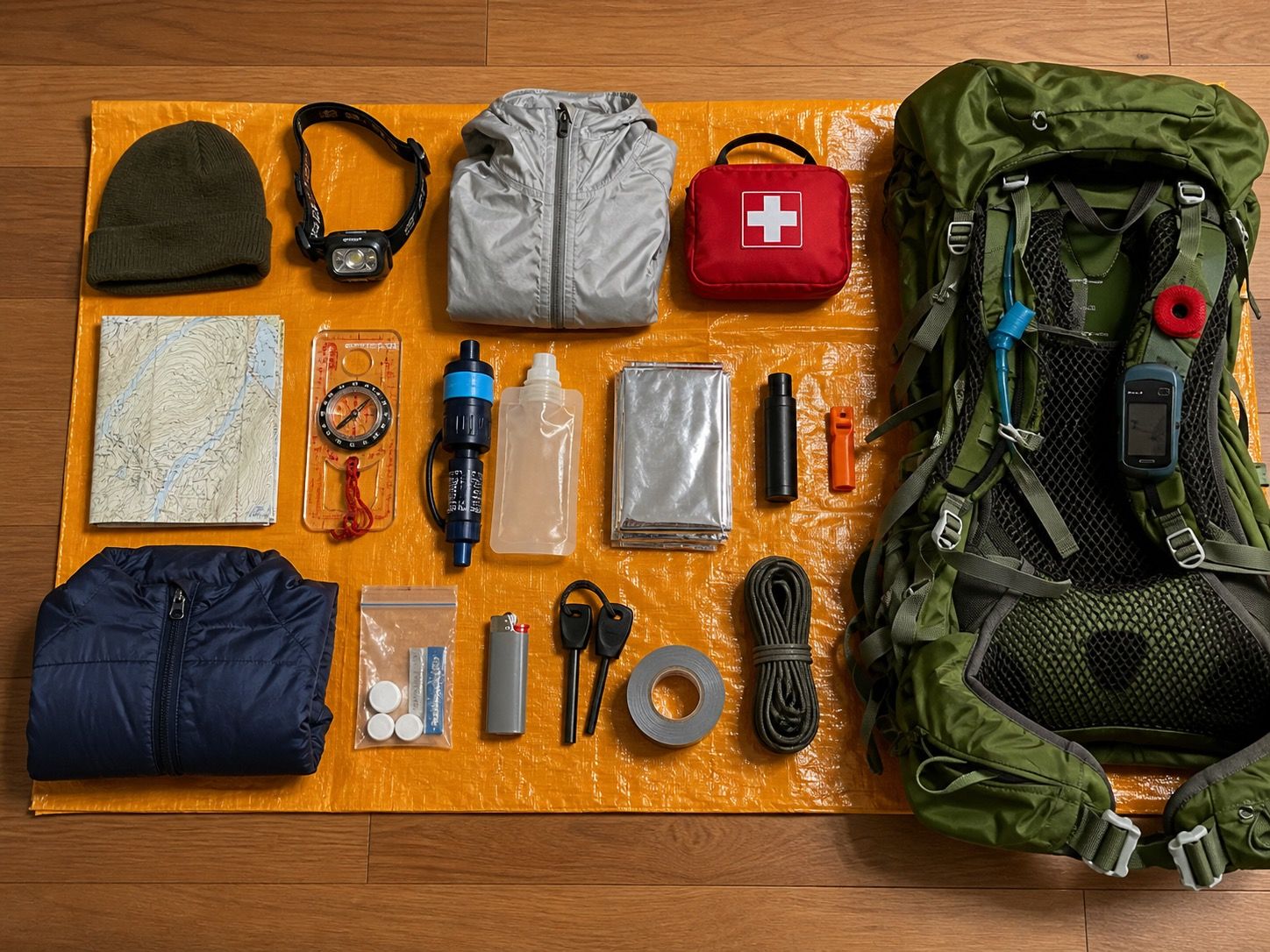
Use the Ten Essentials as systems, not as a heavy checklist you cannot adapt. Lighter versions are fine. Removing entire systems is where pack-weight advice gets risky.
| Do not cut the system | Why it matters | Lighter approach |
|---|---|---|
| Navigation | Getting off-route can become serious quickly | Offline maps plus paper/compass backup where appropriate |
| Headlamp or light | Delays happen | Small reliable headlamp and spare power |
| Sun and weather protection | Heat, cold, rain, and wind can change fast | Lighter shell, hat, sunscreen, or layers matched to forecast |
| First aid | Small injuries can stop a trip | Customize the kit, remove packaging, keep essentials |
| Repair | Broken straps, pads, or shelter parts need field fixes | Mini repair kit with tape, needle, patches, and cord |
| Fire starter | Emergency warmth and backup ignition | Small lighter plus backup method where appropriate |
| Emergency shelter | Injury or delay can force an unplanned stop | Bivy, shelter, or route-appropriate emergency layer |
| Extra food and water plan | Delays and dry sections happen | Plan by route, carry treatment, avoid random excess |
| Insulation for expected lows | Stops and nights are colder than hiking | Use lighter pieces, not missing pieces |
When Upgrades Are Worth the Money
Buy lighter gear when the upgrade saves meaningful weight without creating a new problem. A 2 lb shelter saving may be worth more than a 2 oz titanium mug upgrade, especially if the shelter still works for the route.
| Upgrade area | Good reason to upgrade | Wait if |
|---|---|---|
| Shelter | You know your campsite/weather needs and can pitch the lighter option | You are still unsure about tent style or weather protection |
| Sleep system | Current bag/pad is heavy, bulky, or mismatched | The lighter option is not warm enough |
| Backpack | Your total gear volume and weight are already dialed | Your current kit still needs high load capacity |
| Stove/cookware | Meals are simple and current kit is redundant | You cook for groups or need winter performance |
| Clothing | Current layers are heavy but the system is proven | You are tempted to remove needed rain or insulation |
Renting or borrowing can be smarter than buying immediately. Test the style before committing to expensive ultralight gear.
Run a Shakedown Before a Hard Trip
A shakedown is a low-risk test of your packed kit. Do it on an overnight route where the weather is manageable and bailout is simple.
After the trip, sort every item into three groups:
- Used every day.
- Used once but important.
- Never used.
Cut from the third group first. Then ask whether the "used once but important" items were true safety margin or accidental clutter. Keep emergency items that matter even if you did not use them.
FAQ
What is the easiest way to reduce backpacking pack weight?
The easiest way is to weigh every item and remove duplicates, full-size containers, extra clothing, redundant cookware, and unused accessories. These cuts are usually safer and cheaper than replacing major gear immediately.
What should I cut first from my backpacking kit?
Cut duplicate clothing, extra stuff sacks, full-size toiletries, extra cookware, oversized tools, and electronics that are not needed for navigation or safety. Then review bulky systems like shelter, sleep, and pack.
What should I never cut to save backpacking weight?
Do not cut navigation, light, weather protection, insulation for expected lows, water treatment, first aid, repair, required food storage, or emergency shelter. Choose lighter versions if appropriate, but keep the safety systems.
Is ultralight backpacking safe for beginners?
It can be, but beginners should not confuse ultralight with incomplete. A lighter kit is safe when it still fits the route, weather, skill level, and emergency needs. A slightly heavier complete kit is better than a light kit missing critical systems.
Should I buy lighter gear or pack less?
Pack less first. Remove duplicates and right-size consumables before buying. Once your kit is stable, upgrades to shelter, sleep system, and backpack can save meaningful weight.
How do I know if my backpack is too heavy?
Your pack may be too heavy if it causes pain, slows you dramatically, forces unstable movement, or includes many items you never use. Compare base weight, consumables, and comfort under realistic load.
How much can a shakedown trip reduce pack weight?
It varies, but many hikers find several pounds through duplicates, packaging, extra clothing, and unused comfort items. The value of a shakedown is not just weight savings; it shows which items matter for your actual trips.
Related Guides
Base Weight for Backpacking: How Light Should Your Pack Be?
Understand backpacking base weight, how to calculate it, and how light your pack should be before food, water, and fuel.
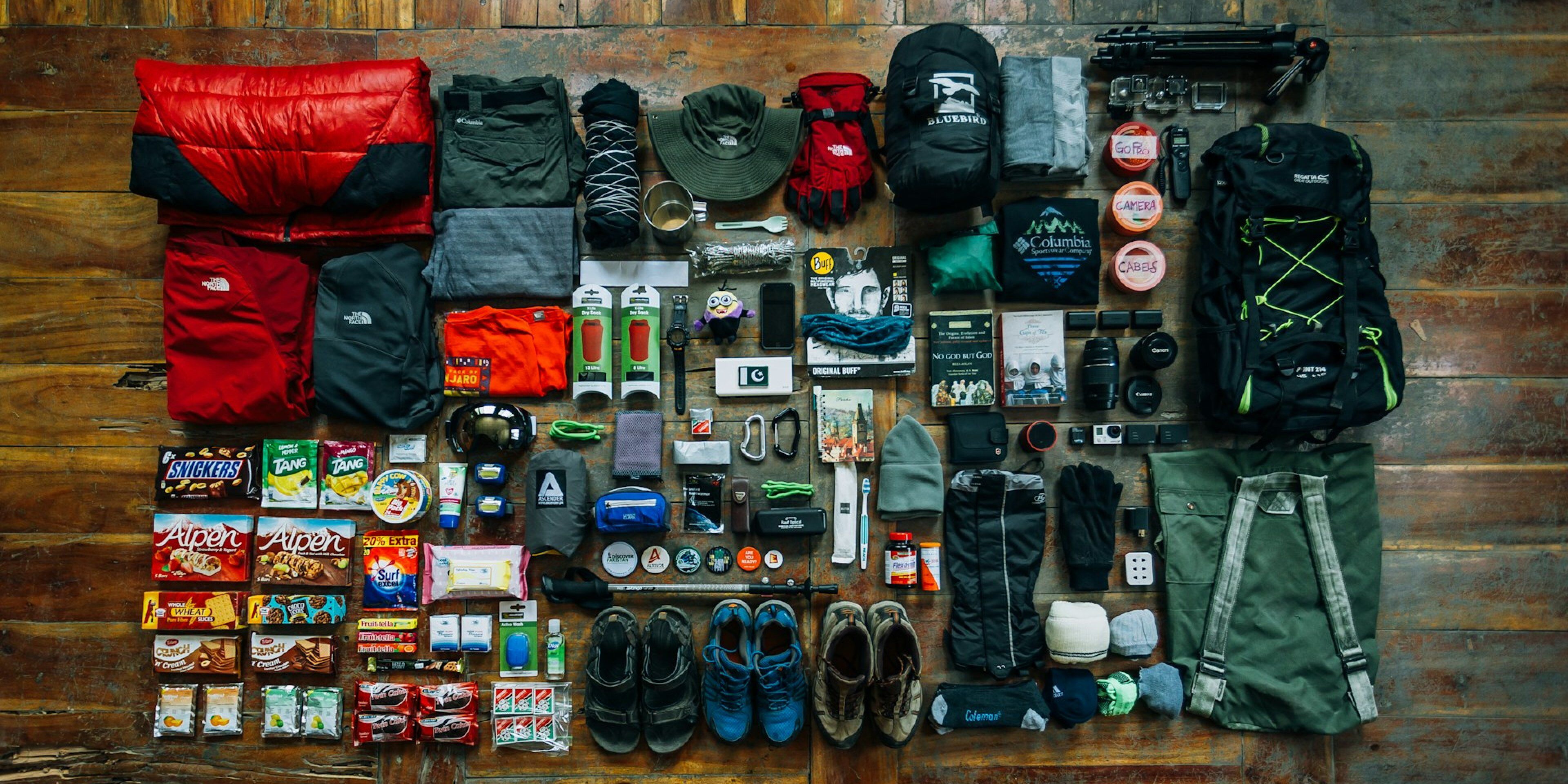
Ultralight Backpacking Checklist: What to Pack and What to Skip
Build a lighter backpacking kit with a practical checklist for essential gear, optional items, and weight-saving cuts that do not compromise safety.
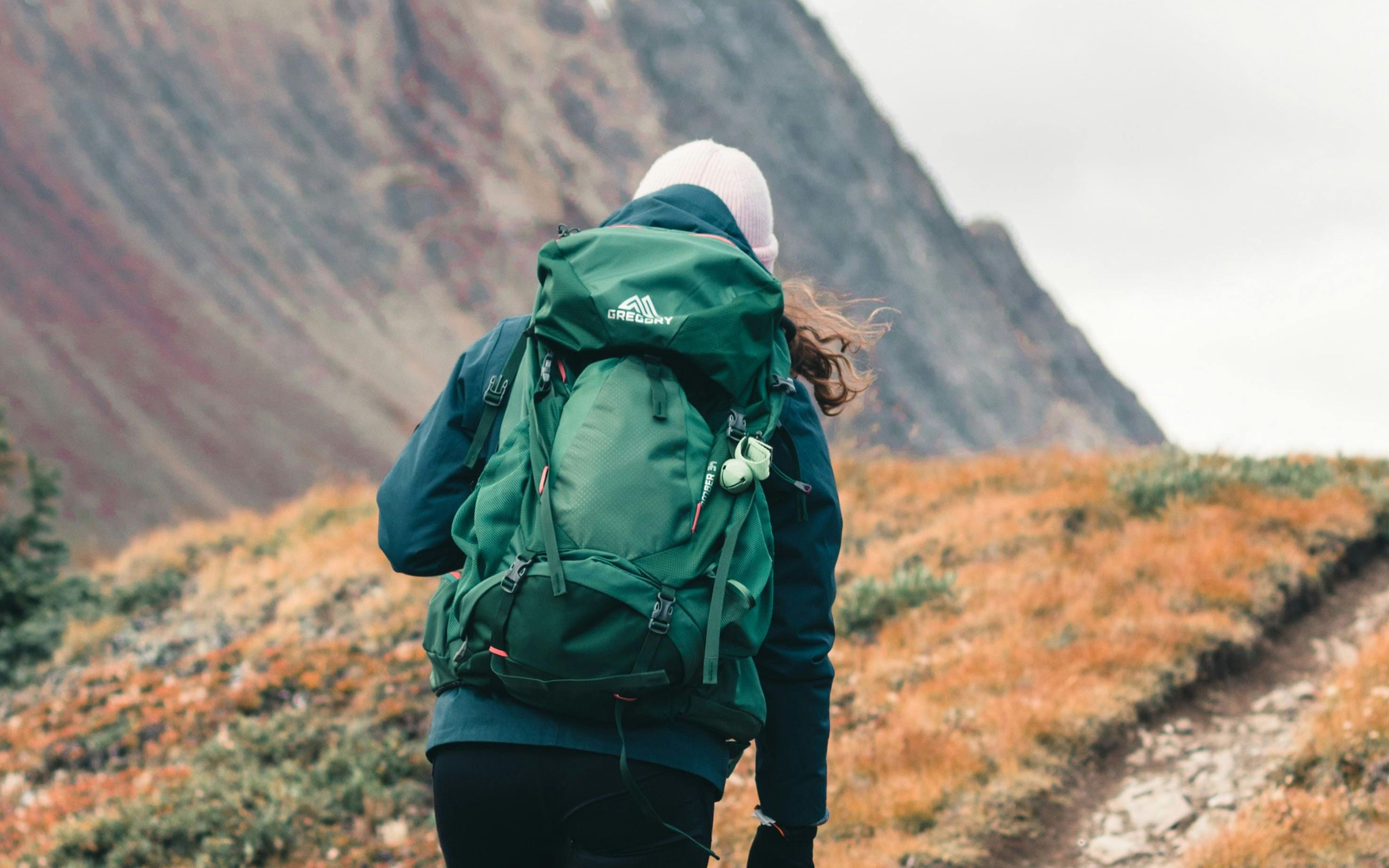
Best Backpacking Backpacks
This guide compares the best backpacking backpacks, highlighting key features, pros, and cons to help you choose the right one for your adventures.
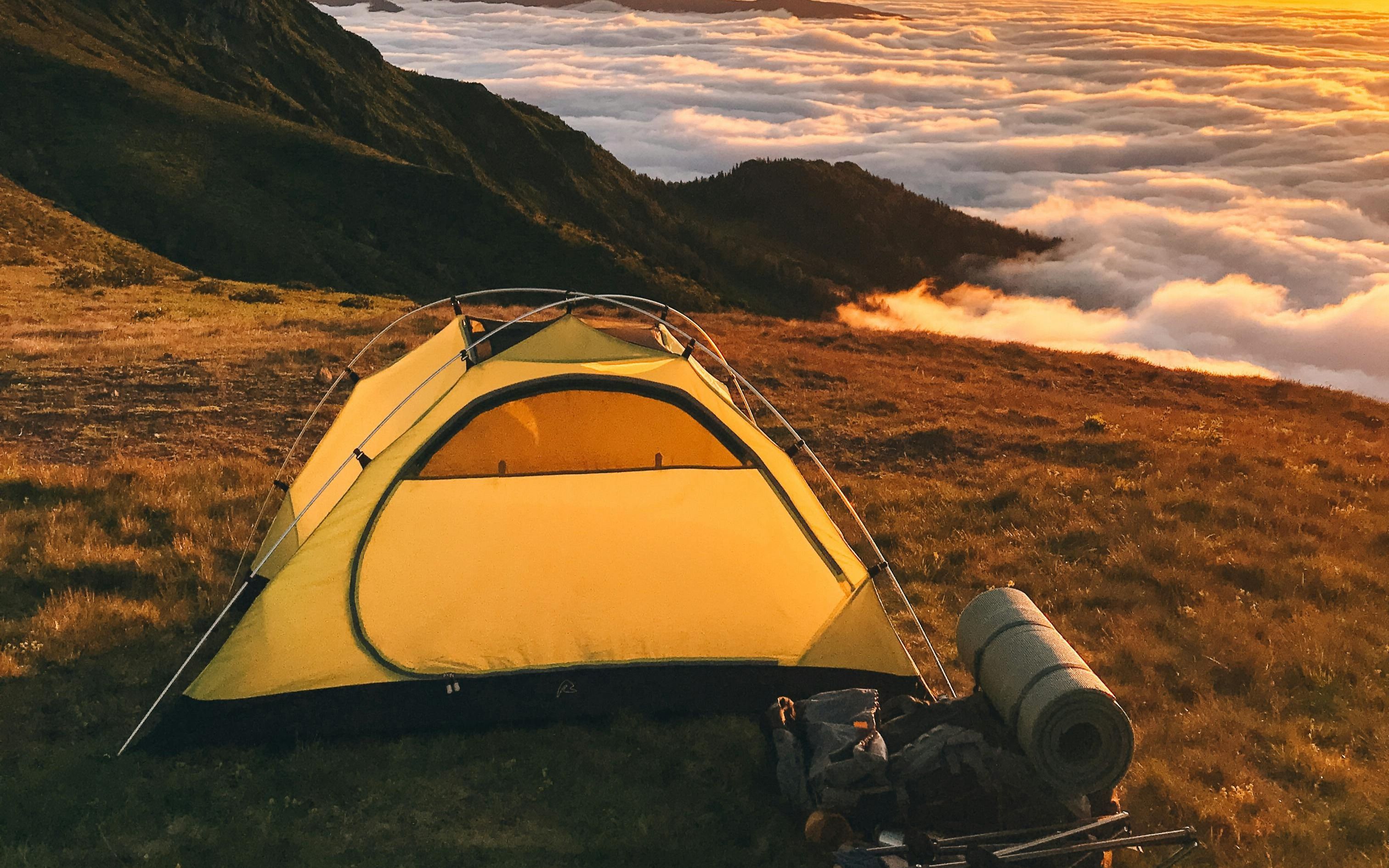
Best Backpacking Tents Of 2026
This guide compares the best backpacking tents of 2026, highlighting top choices for durability, comfort, and weather resistance to help you find the perfect shelter for your adventures.
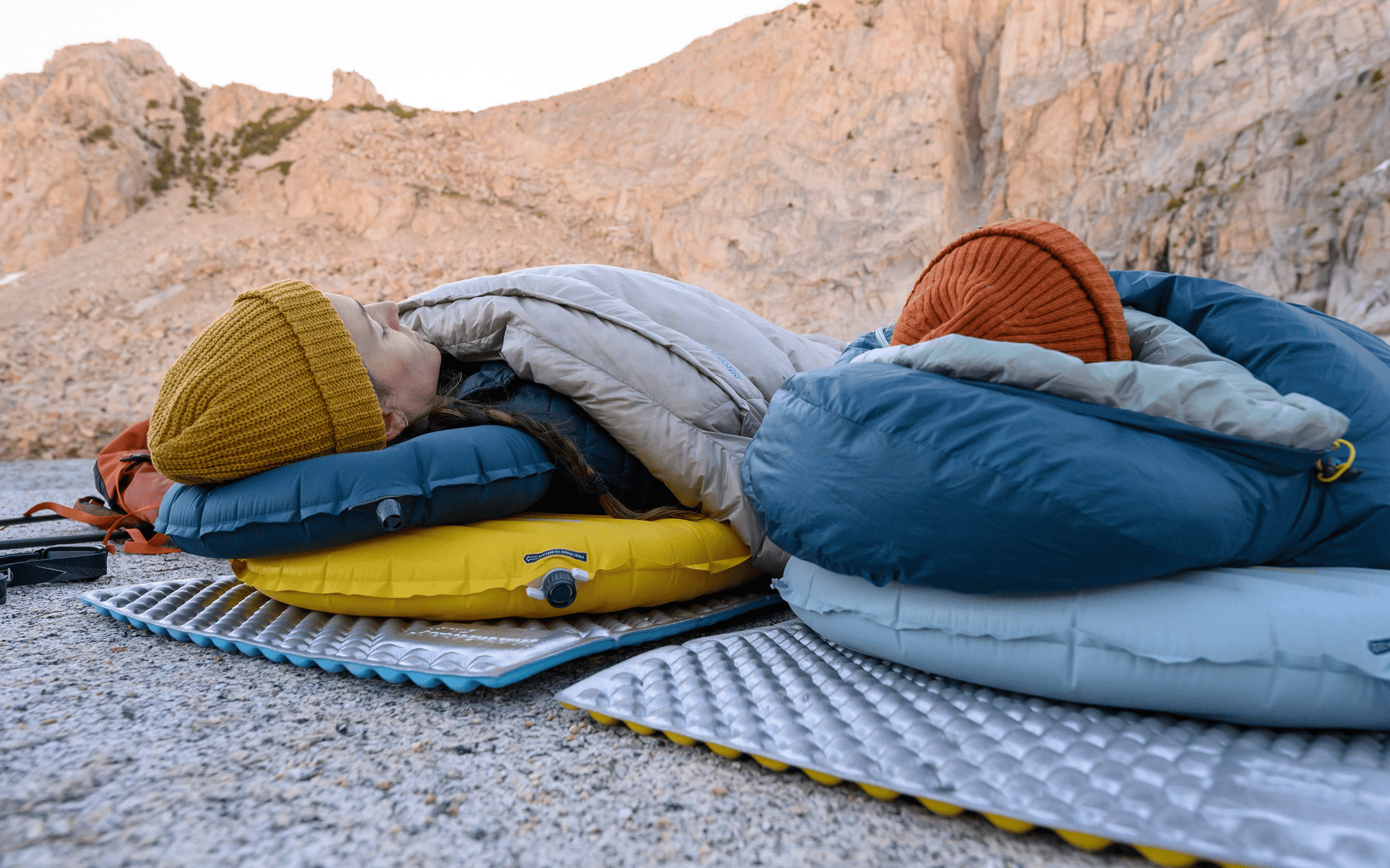
Best Sleeping Pads For Backpacking
Finding the best sleeping pad for backpacking can be tricky. This guide compares top options to help you choose the right one for your needs.
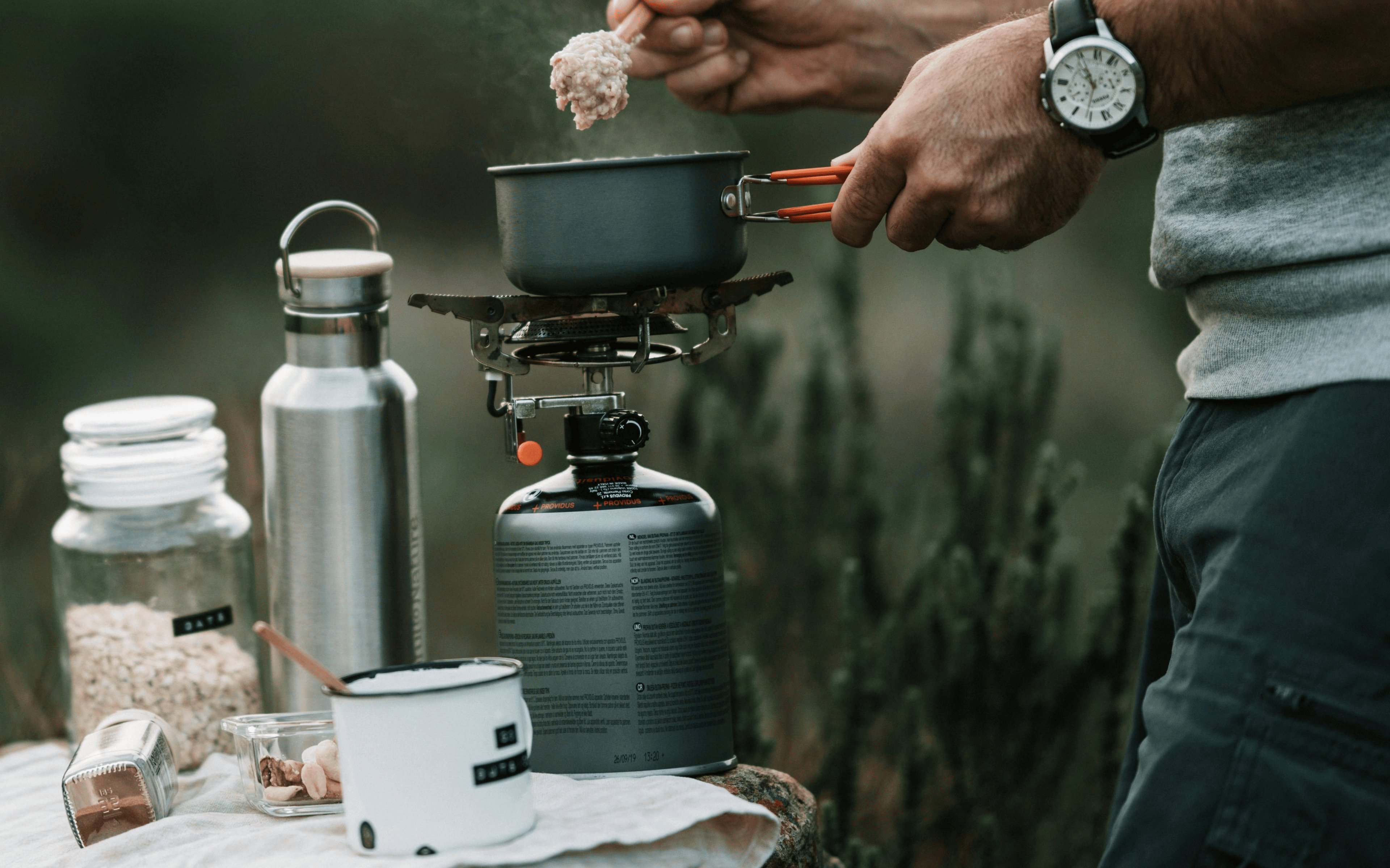
Best Backpacking Stoves
This guide compares the best backpacking stoves, highlighting their strengths and weaknesses to help you choose the right one for your outdoor adventures.